Folklore and beliefEuropeIndigenous and traditional
Telling the bees
A Western European custom of informing honeybees about major household events like deaths and weddings.
This tradition is kept across parts of England, Ireland, Wales, Germany, France, Switzerland, the Netherlands, and Bohemia. Beekeepers knock on hives to share news of births, marriages, or deaths so the insects remain healthy and loyal.
When is Telling the bees kept?
Telling the bees is kept on when a significant event occurs in the keeper's home.
People who keep honeybees often follow an old practice called telling the bees. They visit the hives to share news of big family moments. This includes happy times like weddings as well as sad times like funerals. The belief is that the insects must know these changes to stay content and productive.
How it is kept
The keeper approaches each hive and knocks gently on the wood. This sound wakes the colony and gets their attention. The person then speaks in a low voice to share the specific news. For a death, they might say the master or mistress has passed away but promise a new leader will care for them. For a wedding, they introduce the couple to the insects. In some places, the family key is used to tap the hive instead of a finger.
Mourning rituals
When a household member dies, the hives are dressed in black cloth to show mourning. A doleful tune is hummed near the boxes to set the mood. Funeral biscuits or wine from the wake are sometimes left by the entrance. If the beekeeper themselves died, the hive might be lifted slightly to match the coffin's movement. In other regions, an old garment of the deceased is buried under the bench where the hives sit.
Wedding customs
Happy events also require notification. Newlyweds may visit the hives before moving into their new home to ensure a good life together. Some traditions involve decorating the hives with bright scarlet cloth during the celebration. A slice of wedding cake is often placed beside the entrance for the bees to enjoy. Inviting the insects to the wedding feast is another common way to include them in the joy.
Beliefs and origins
Many believe that failing to tell the bees brings bad luck. The insects might leave the hive, stop making honey, or even die if they are unaware of major changes. One story tells of a family buying a hive without knowing its previous owner had died; the bees recovered only after crepe was tied to the box. Scholars think the habit may come from ancient ideas about bees bridging the natural world and the afterlife.
How Telling the bees is kept
The keeper visits each hive and knocks on the wood to get attention. They speak softly to share news of births, marriages, or deaths. Black cloth is hung on hives during funerals, and wedding cakes are shared during celebrations. The goal is to keep the colony informed and loyal.
When and where
It happens whenever a major life event occurs in the household, such as a marriage or a passing.
It is found in England, Ireland, Wales, Germany, France, Switzerland, the Netherlands, and parts of the United States.
What Telling the bees means
The bees are seen as family members who deserve to know what is happening at home. Informing them prevents them from leaving or dying out. It shows respect for nature and maintains harmony between the human household and the insect colony.
Questions people ask about Telling the bees
When is Telling the bees kept?
Telling the bees is kept on when a significant event occurs in the keeper's home.
What is telling the bees?
It is a Western European custom where beekeepers inform their hives about major household events like deaths, births, and weddings to keep the colony healthy.
Where is this tradition kept?
It is practiced in England, Ireland, Wales, Germany, France, Switzerland, the Netherlands, and parts of the United States, particularly in New England.
Why do people tell the bees?
It is believed that if the bees are not informed, they may leave, stop producing honey, or die. Telling them ensures the colony remains loyal and productive.
See also
 Jack-o'-lanternA carved pumpkin lantern lit with a candle to brighten and protect Halloween nights
 Shoe throwingThe act of hurling footwear for sport, wedding luck, protest or overhead display.HalloweenAn annual observance on 31 October marking the eve of All Saints' Day, rooted in Christian tradition and Celtic heritage
 BurialPlacing the dead in the ground or a structure to honor them and guide their journey.
Good reading and sources
The facts on this page come from the Wikipedia article "Telling the bees", written by its contributors and used under the CC BY-SA 4.0 licence, and from its Wikidata record (CC0). EveryParampara rewrote the text in its own words, with AI assistance, and compares every page with the article to make sure no passage is copied. It may be reused under the same CC BY-SA 4.0 licence with a link back.
It may contain mistakes. Traditions differ from one family, village and community to the next, and the people who keep them know them best. If something is wrong, tell us. Last refreshed 2026-10-06.
More from the United Kingdom
All the traditions of the United Kingdom
🇬🇧 United Kingdom and 2 moreShoe throwing
The act of hurling footwear for sport, wedding luck, protest or overhead display.Folklore
 🇬🇧 South Queensferry, United KingdomThe Burryman
A man clad in burdock burrs walks a Scottish town for a day, bringing luck as he goesFolklore
🇬🇧 South Queensferry, United KingdomThe Burryman
A man clad in burdock burrs walks a Scottish town for a day, bringing luck as he goesFolklore
 🇩🇪 Germany and 5 moreNeed-fire
A ritual fire kindled by friction to ward off cattle plague, disease and harmFolklore
🇩🇪 Germany and 5 moreNeed-fire
A ritual fire kindled by friction to ward off cattle plague, disease and harmFolklore
 🇬🇧 United Kingdom and 3 moreFairy-locks
A folk belief that fairies and spirits tangle the hair of sleeping children and animals.Folklore
🇬🇧 United Kingdom and 3 moreFairy-locks
A folk belief that fairies and spirits tangle the hair of sleeping children and animals.Folklore
The same idea elsewhere
Weddings compared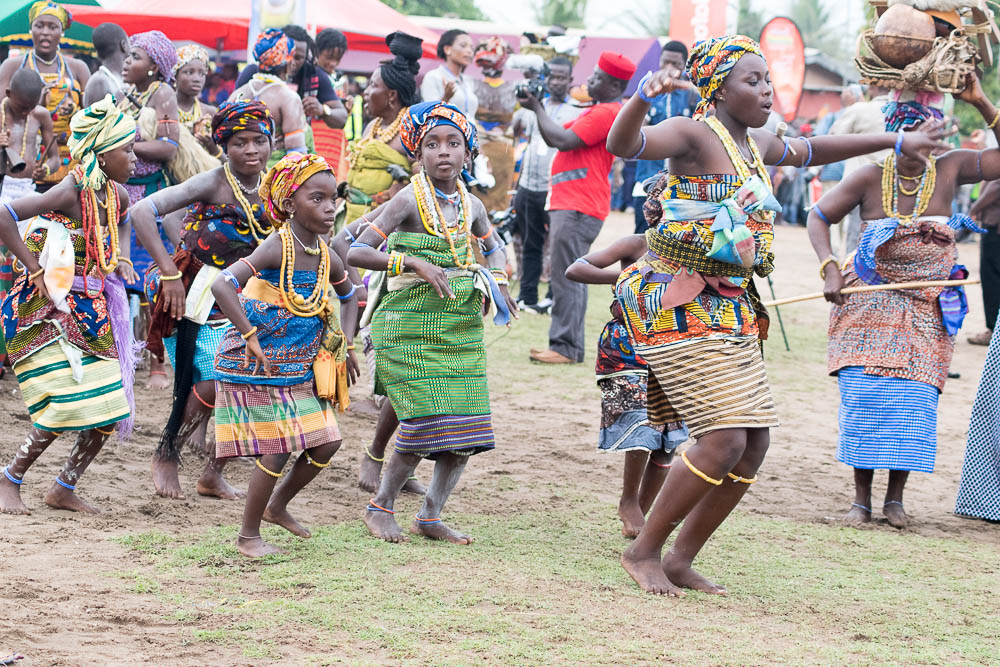 🇬🇭 Ghana and 2 moreAgbadza
An Ewe music and dance, born of war songs and kept for funerals, weddings and festivalsPerformance
🇬🇭 Ghana and 2 moreAgbadza
An Ewe music and dance, born of war songs and kept for funerals, weddings and festivalsPerformance
 🇹🇱 Timor-LesteUma Lulik
Sacred ancestral clan houses and ritual shrines in East TimorSpiritual
🇹🇱 Timor-LesteUma Lulik
Sacred ancestral clan houses and ritual shrines in East TimorSpiritual
 🇼🇸 Samoa and 1 moreʻIe tōga
Precious woven mats exchanged in Samoan ceremonies to honor family ties and chiefly status.Dress
🇼🇸 Samoa and 1 moreʻIe tōga
Precious woven mats exchanged in Samoan ceremonies to honor family ties and chiefly status.Dress
 🇬🇪 Tbilisi, Georgia and 4 moreGeorgian polyphonic singing
Several voices at once, sung without instruments at Georgian feasts and weddingsPerformance
🇬🇪 Tbilisi, Georgia and 4 moreGeorgian polyphonic singing
Several voices at once, sung without instruments at Georgian feasts and weddingsPerformance