Spiritual and religiousSouth AsiaHinduJain
Naga Panchami
In its own language: नागपञ्चमी (Nāgapañcamī)
A day of worship for serpent deities and cobras, observed by Hindus, Jains, and Buddhists across South Asia.

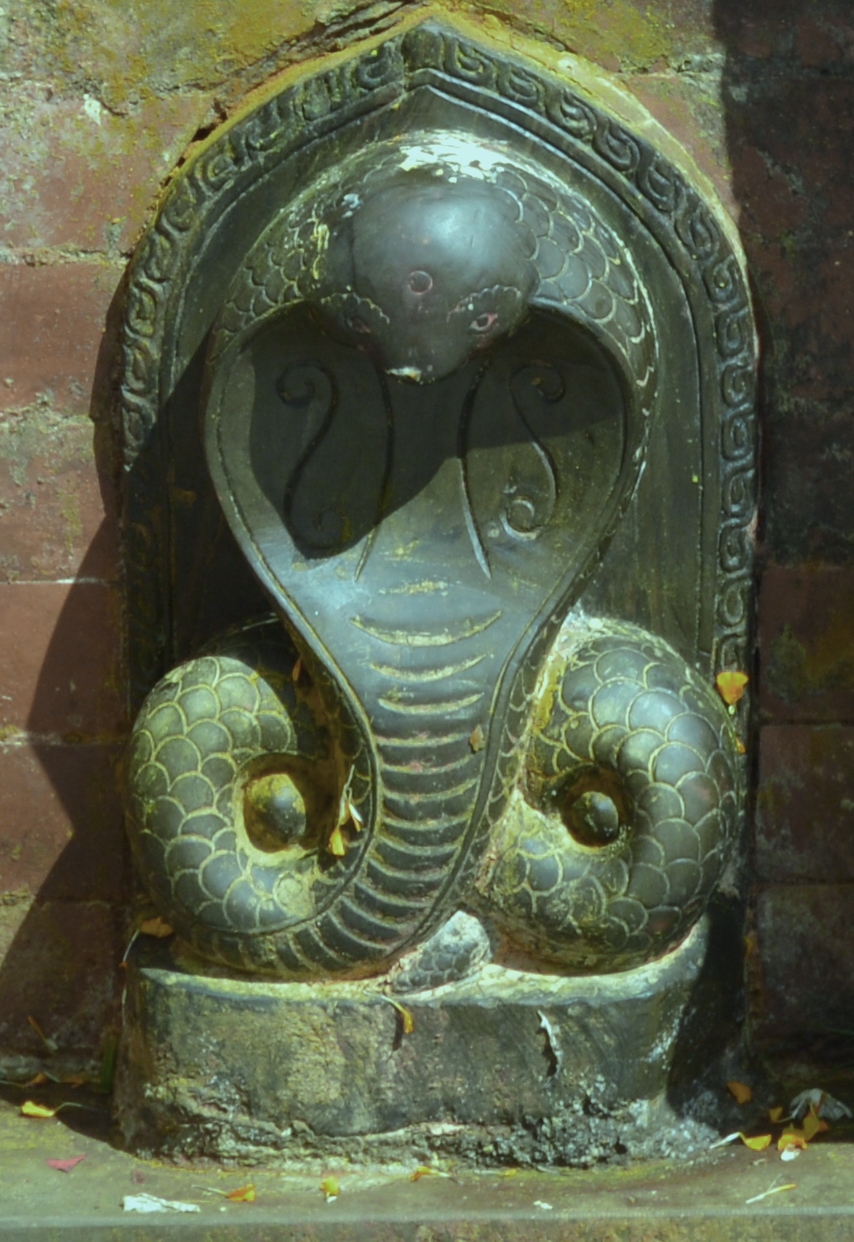
Naga Panchami is a traditional festival dedicated to the veneration of snakes. It takes place on the fifth day of the bright half of the lunar month Shravana in July or August. Devotees bathe images of serpents with milk and offer prayers for protection against snake bites and family welfare.
When is Naga Panchami kept?
Naga Panchami is kept on the fifth day of the bright half of the Hindu lunar month Shravana, usually in July or August.
Naga Panchami honors serpent deities and protects families from harm. Devotees bathe stone or wooden idols with milk and pray for safety. The festival marks a moment when ancient legends say the serpent race was saved from destruction. It brings communities together through fasting and ritual offerings.
Origins and legends
The festival stems from stories in the Mahabharata epic. King Janamejaya performed a sacrifice called Sarpa Satra to avenge his father's death by a snake bite. The ritual grew so powerful it threatened to destroy all snakes. The sage Astika intervened and asked the king to stop the ceremony. He succeeded, saving the serpent race. This event occurred on the fifth day of Shravana, establishing the date for the annual celebration.
Rituals and worship
People create rangoli designs of five-hooded snakes using turmeric or sandalwood paste. They offer milk, sweets, and flowers to these drawings or to statues made of silver, wood, or stone. In villages, devotees search for anthills where snakes live and pour milk into the holes. Some regions also worship live cobras with the help of snake charmers. Fasting is common, and people feed Brahmins to gain spiritual merit.
Regional customs
In Varanasi, wrestling gyms decorate their walls with snake images to honor virility. Ujjain has a special shrine that opens only on this day for prayers. In Kathmandu, households paste posters of Lord Krishna dancing on snakes at their doors. Some areas celebrate Bhratru Panchami, where women pray specifically for the safety of their brothers. Other places observe Vishari Puja to ward off poison.
Symbolism and meaning
Snakes represent strength, protection, and the balance of nature. They are linked to water and the rainy season in folklore. Astrologically, they symbolize planetary nodes, and worship helps remove bad luck associated with them. The festival teaches respect for all living creatures and reinforces community bonds through shared rituals and storytelling about divine intervention.
How Naga Panchami is kept
Devotees wake early and fast until noon. They prepare colored pastes to draw snake figures on floors or walls. Families bathe small idols with milk and recite prayers. In some towns, crowds gather around snake charmers to view cobras. People visit temples, especially those dedicated to serpent gods. Women may perform specific rites for their siblings' well-being. The day ends with feeding priests and sharing meals.
When and where
It falls on the fifth day of the bright fortnight in the Hindu month of Shravana, typically in July or August. The exact date changes yearly based on the lunar calendar.
It is widely kept across India and Nepal. Major celebrations occur in Varanasi, Kathmandu, and Ujjain. Smaller observances happen in Rajasthan, Bihar, Gujarat, and Kashmir.
What Naga Panchami means
The festival honors the protective power of serpents. It represents the victory of compassion over vengeance. Snakes symbolize hidden wisdom and earthly energy. Worshiping them ensures freedom from fear and invites good fortune into the home.
On the table
Flavours: Turmeric



Questions people ask about Naga Panchami
When is Naga Panchami kept?
Naga Panchami is kept on the fifth day of the bright half of the Hindu lunar month Shravana, usually in July or August.
What is Naga Panchami?
It is a festival dedicated to worshipping snakes and serpent deities. Devotees offer milk and prayers to protect their families from snake bites and ensure general well-being.
Who celebrates this festival?
Hindus, Jains, and Buddhists observe Naga Panchami. It is particularly popular in India and Nepal, among other regions with these religious communities.
What do people do during the festival?
They draw snake patterns with colored pastes, bathe idols with milk, and sometimes worship live cobras. Many people also fast and feed priests to earn spiritual benefits.
See also
 Krishna JanmashtamiA Hindu festival celebrating the birth of Krishna with fasting, singing and night vigils
 ThaipusamA Tamil Hindu festival honoring Murugan through devotional burdens and pilgrimage
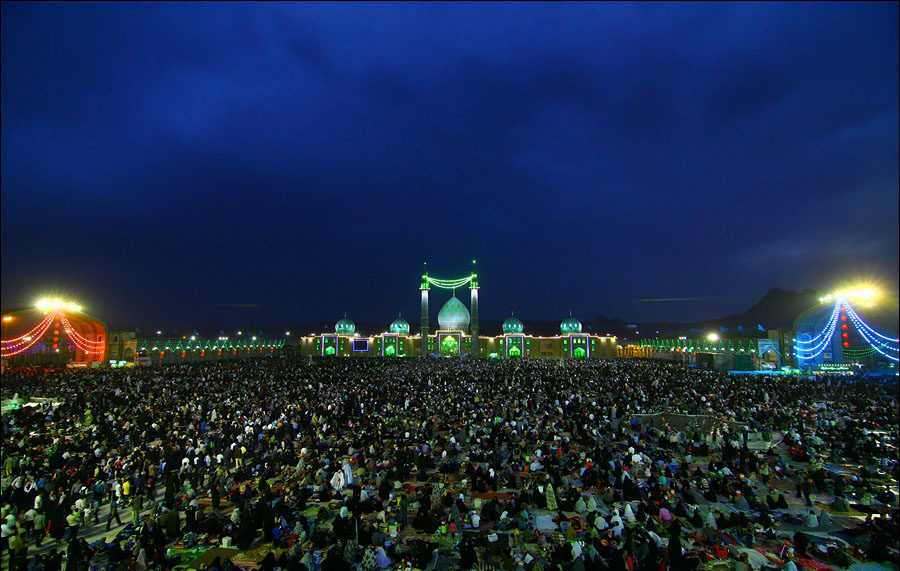 Mid-Sha'banAn Islamic night of prayer, remembrance, and seeking divine forgiveness.
 Chhath PujaA four-day Hindu festival honouring the sun and Chhathi Maiya along riverbanks
Good reading and sources
- Nag Panchami 2024: Know the date, origin, timings, significance, and ritualsThe Indian Express, Article
- Nag Panchami 2024: Know the date, origin, timings, significance, and ritualsThe Indian Express, Article
- Naga Panchami on WikipediaEncyclopedia
- More photos on Wikimedia CommonsPhotos and video
- Wikidata recordOpen data
The facts on this page come from the Wikipedia article "Naga Panchami", written by its contributors and used under the CC BY-SA 4.0 licence, and from its Wikidata record (CC0). EveryParampara rewrote the text in its own words, with AI assistance, and compares every page with the article to make sure no passage is copied. It may be reused under the same CC BY-SA 4.0 licence with a link back.
It may contain mistakes. Traditions differ from one family, village and community to the next, and the people who keep them know them best. If something is wrong, tell us. Last refreshed 2026-10-04.
More from India
All the traditions of India 🇮🇳 India and 5 morePretaप्रेत
Offerings and rites for spirits enduring deep hunger across Asian traditions.Spiritual
🇮🇳 India and 5 morePretaप्रेत
Offerings and rites for spirits enduring deep hunger across Asian traditions.Spiritual
 🇳🇵 Nepal and 1 moreTibetan prayer flagLung ta / Darchog
Colorful cloth banners printed with mantras, hung in high places to spread blessings on the wind.Spiritual
🇳🇵 Nepal and 1 moreTibetan prayer flagLung ta / Darchog
Colorful cloth banners printed with mantras, hung in high places to spread blessings on the wind.Spiritual
 🇮🇳 IndiaTheyyam
A sacred ritual dance and divine invocation from North Malabar in IndiaSpiritual
🇮🇳 IndiaTheyyam
A sacred ritual dance and divine invocation from North Malabar in IndiaSpiritual
 🇮🇳 India and 1 moreNazar battuनज़र बट्टू / نظر بٹو
A protective custom in South Asia using deliberate flaws or charms to deflect the evil eye.Spiritual
🇮🇳 India and 1 moreNazar battuनज़र बट्टू / نظر بٹو
A protective custom in South Asia using deliberate flaws or charms to deflect the evil eye.Spiritual
The same idea elsewhere
Remembering the ancestors compared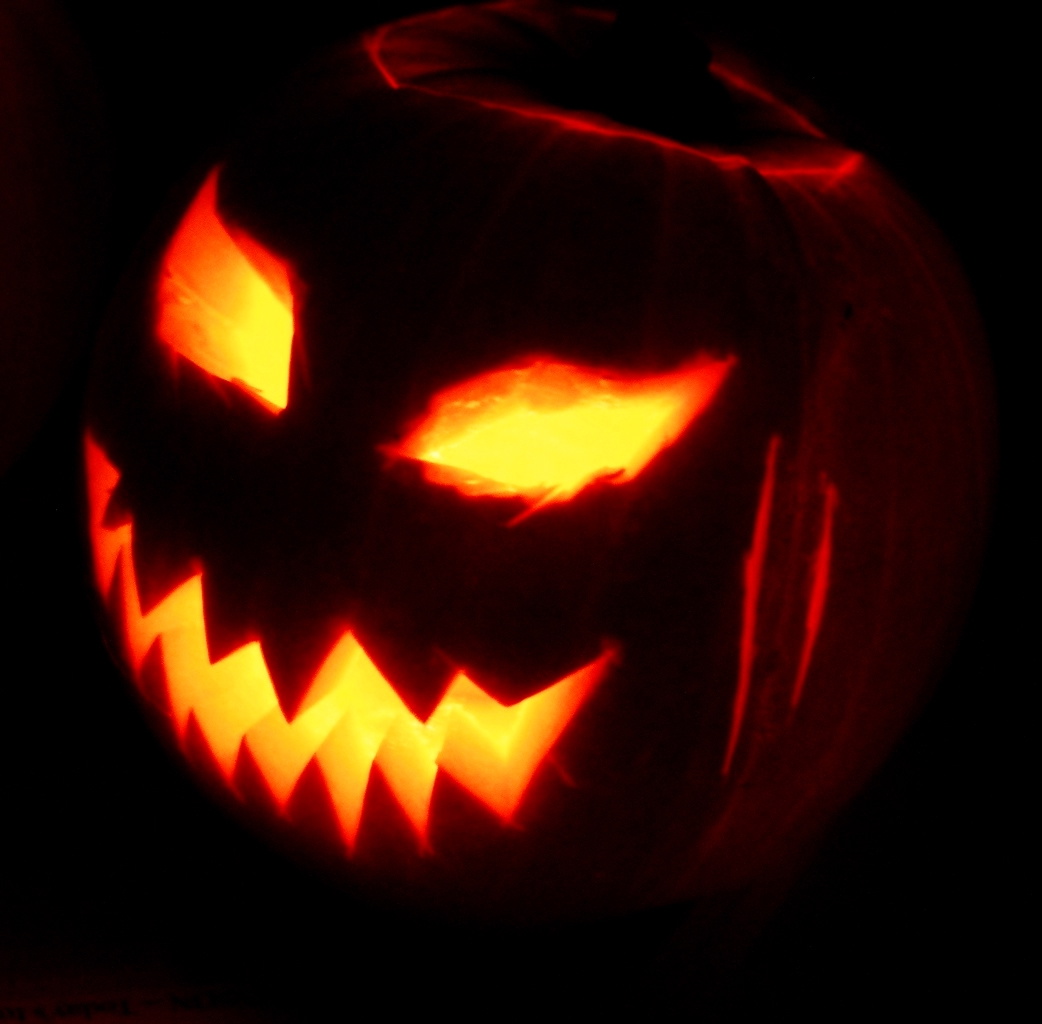 🇮🇪 Ireland and 5 moreHalloween
An annual observance on 31 October marking the eve of All Saints' Day, rooted in Christian tradition and Celtic heritageFestival · Sweets given and shared
🇮🇪 Ireland and 5 moreHalloween
An annual observance on 31 October marking the eve of All Saints' Day, rooted in Christian tradition and Celtic heritageFestival · Sweets given and shared
 🇮🇱 Jerusalem, Israel and 5 moreTisha B'Avתשעה באב
A solemn fast day in July or August to mourn the destruction of the Jerusalem Temples and other Jewish tragedies.Spiritual · Fasting and breaking the fast
🇮🇱 Jerusalem, Israel and 5 moreTisha B'Avתשעה באב
A solemn fast day in July or August to mourn the destruction of the Jerusalem Temples and other Jewish tragedies.Spiritual · Fasting and breaking the fast
 🇮🇱 Israel and 5 moreKol Nidreכָּל נִדְרֵי
An Aramaic declaration of vow annulment that opens the Yom Kippur evening service in Jewish synagogues.Spiritual
🇮🇱 Israel and 5 moreKol Nidreכָּל נִדְרֵי
An Aramaic declaration of vow annulment that opens the Yom Kippur evening service in Jewish synagogues.Spiritual
 🇿🇦 South Africa and 5 moreSouthern African traditional healing
Ancestral divination, herbal muthi, and spiritual care across Southern AfricaSpiritual
🇿🇦 South Africa and 5 moreSouthern African traditional healing
Ancestral divination, herbal muthi, and spiritual care across Southern AfricaSpiritual