Festivals and celebrationsSouth AsiaSecular and civic
Sindhi Cultural Day
In its own language: سنڌي ثقافتي ڏھاڙو
An annual December celebration of Sindhi heritage, music, and traditional attire

Sindhi Cultural Day is an annual celebration kept on the first Sunday of December across Sindh and among the global Sindhi diaspora. People gather for folk music, poetry, and rallies while wearing traditional Sindhi caps and block-printed ajrak shawls.
When is Sindhi Cultural Day kept?
Sindhi Cultural Day is kept on annually on the first Sunday of December.
Sindhi Cultural Day is celebrated every year on the first Sunday of December. Sindhi communities across the globe mark the occasion to honour their regional identity and historic customs. Participants put on patterned caps and shawls, join street rallies, and attend public concerts. Schools, universities, and civic groups host performances and literary gatherings to share local songs and stories.
Origins and history
The observance began on 6 December 2009 under the name Sindhi Topi Day. It emerged after a television commentator criticised the president of Pakistan for wearing a traditional cap during trips abroad. The remarks provoked strong public objections through mobile messages across Sindh. In response, journalist Ali Kazi proposed dedicating a day to honour regional culture. The idea quickly gained broad public and governmental backing. The provincial administration declared it an official holiday in 2010, and regional broadcasters began organising large-scale media events to mark the occasion each year.
Traditional dress
Two garments form the heart of the celebration: the Sindhi topi and the ajrak. The topi is an embroidered cap distinctive to the region. The ajrak is a traditional block-printed shawl, patterned in shades such as maroon, red, and black. Men, women, and children wear both items throughout the day. Presenting a cap or a shawl to another person serves as a gesture of welcome and respect. Urban landmarks and stages are also draped with large ajrak textiles, including massive commemorative cloths displayed during civic rallies.
Music and community gatherings
Music plays a central role during the festival. Professional vocalists perform folk songs expressing affection for the region and its people, inspiring crowds to dance in public squares. A signature song performed by Ahmed Mughal is often sung at major events. People also organise mach katchehri, an evening gathering where participants sit in a circle around an open wood fire to recite poetry and talk. Broadcast networks televise these musical shows live, reaching viewers across towns and in diaspora communities worldwide.
Civic celebrations
Festivities take place in major cities including Karachi, Sukkur, and Hyderabad. Crowds regularly assemble outside institutions such as the Karachi Press Club and the Sindh Museum. Educational bodies, from primary schools to universities, arrange historical debates, theatrical sketches, and tableau presentations. Social and political groups join together to hold street rallies decorated with festive banners. Even foreign diplomatic missions, including the American consulate in Karachi, have hosted musical recitals in solidarity with the provincial observance.
How Sindhi Cultural Day is kept
Celebrations begin with people dressing in traditional ajrak shawls and embroidered Sindhi caps. Families and community members exchange these garments as gifts of respect. Throughout the day, people gather at press clubs, museums, and town centres for public rallies and street dances. Educational centres host poetry recitals, lectures, and drama sketches about regional history. In the evening, groups sit around open fires for poetic sittings known as mach katchehri, while musical concerts feature folk songs that encourage audience dancing.
When and where
The festival takes place every year on the first Sunday of December. It was first observed on 6 December 2009 and has continued as an annual December fixture ever since.
The observance is centred in the province of Sindh, with major gatherings in cities such as Karachi, Hyderabad, and Sukkur. Sindhi diaspora groups also organise events in other parts of the world.
What Sindhi Cultural Day means
The festival celebrates peace, solidarity, and mutual respect. Wearing the ajrak and the Sindhi cap represents cultural pride and unity among Sindhi speakers. Exchanging these garments expresses goodwill and honour between community members, while public singing and dancing communicate a shared message of regional harmony.


Questions people ask about Sindhi Cultural Day
When is Sindhi Cultural Day kept?
Sindhi Cultural Day is kept on annually on the first Sunday of December.
What is Sindhi Cultural Day?
It is an annual cultural observance dedicated to celebrating Sindhi traditions, history, and attire. People wear traditional garments, attend concerts, recite poetry, and gather in public squares to honour their regional identity.
Where are the celebrations held?
Celebrations happen throughout the province of Sindh, including major gatherings in Karachi, Sukkur, and Hyderabad, as well as among Sindhi diaspora communities around the world.
What garments do people wear on this day?
Participants wear the Sindhi topi, an embroidered regional cap, and the ajrak, a block-printed shawl typically made with red, maroon, and black patterns. Giving these items as gifts signifies respect and hospitality.
See also
 HoliA spring festival of colours and bonfires that marks the end of winter and the triumph of good over evil.
 Maha ShivaratriA Hindu night of fasting and vigil dedicated to Shiva, marking his divine union with Parvati.
 Raksha BandhanA Hindu festival where sisters tie a protective thread on their brothers' wrists to honour their bond.
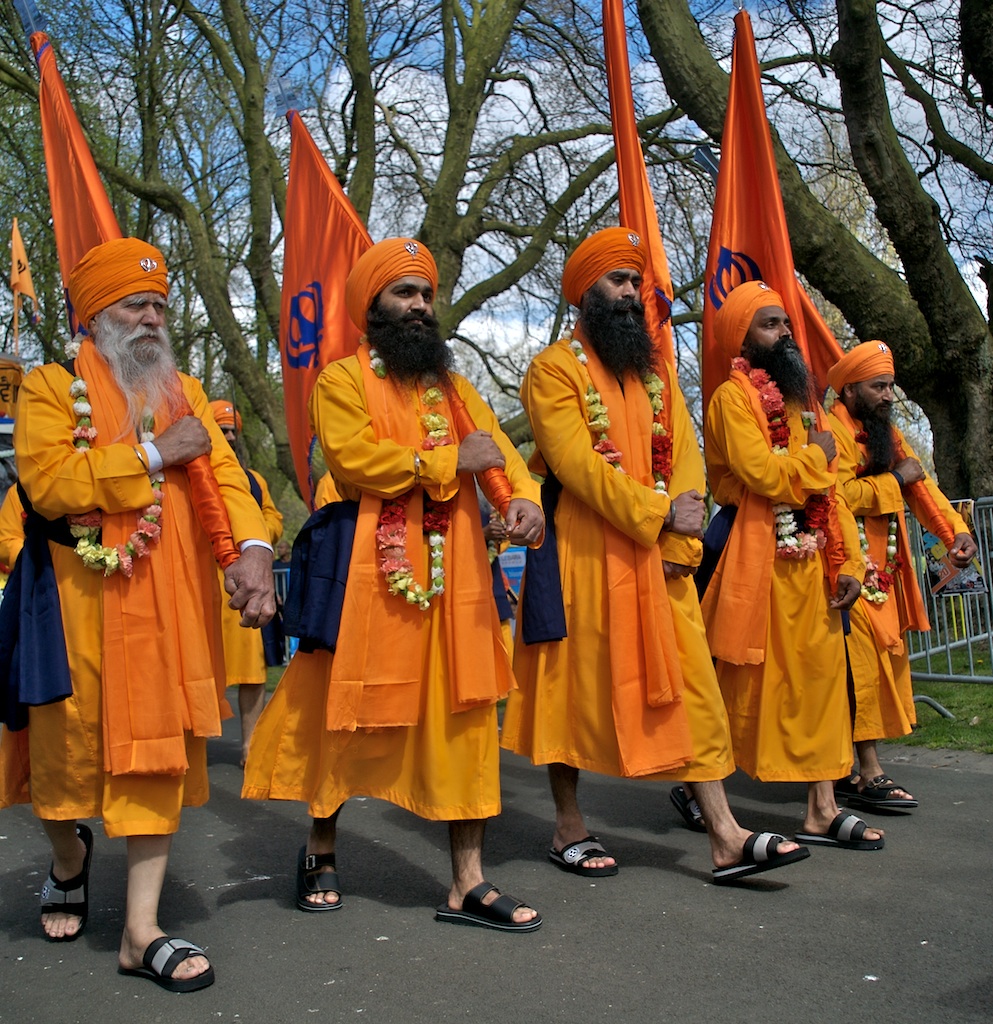 VaisakhiA spring harvest and new year festival kept across India and Pakistan by Hindus and Sikhs.
Good reading and sources
- Sindh celebrates first ever `Sindhi Topi Day`Dawn, Article
- Sindh celebrates first ever `Sindhi Topi Day`Dawn, Article
The facts on this page come from the Wikipedia article "Sindhi Cultural Day", written by its contributors and used under the CC BY-SA 4.0 licence, and from its Wikidata record (CC0). EveryParampara rewrote the text in its own words, with AI assistance, and compares every page with the article to make sure no passage is copied. It may be reused under the same CC BY-SA 4.0 licence with a link back.
It may contain mistakes. Traditions differ from one family, village and community to the next, and the people who keep them know them best. If something is wrong, tell us. Last refreshed 2026-10-06.
More from Pakistan
All the traditions of Pakistan
🇮🇳 Mathura, India and 5 moreHoliहोली (Hindi)
A spring festival of colours and bonfires that marks the end of winter and the triumph of good over evil.Festival
🇮🇳 India and 3 moreMaha Shivaratriमहाशिवरात्रि
A Hindu night of fasting and vigil dedicated to Shiva, marking his divine union with Parvati.Festival
🇮🇳 Varanasi, India and 4 moreRaksha Bandhan
A Hindu festival where sisters tie a protective thread on their brothers' wrists to honour their bond.Festival
🇮🇳 Amritsar, India and 1 moreVaisakhi
A spring harvest and new year festival kept across India and Pakistan by Hindus and Sikhs.Festival
The same idea elsewhere
All of this kind 🇮🇹 Rome, Italy and 4 moreChristmas
A festival of Jesus's birth, kept on 25 December with gifts, lights and shared mealsFestival
🇮🇹 Rome, Italy and 4 moreChristmas
A festival of Jesus's birth, kept on 25 December with gifts, lights and shared mealsFestival
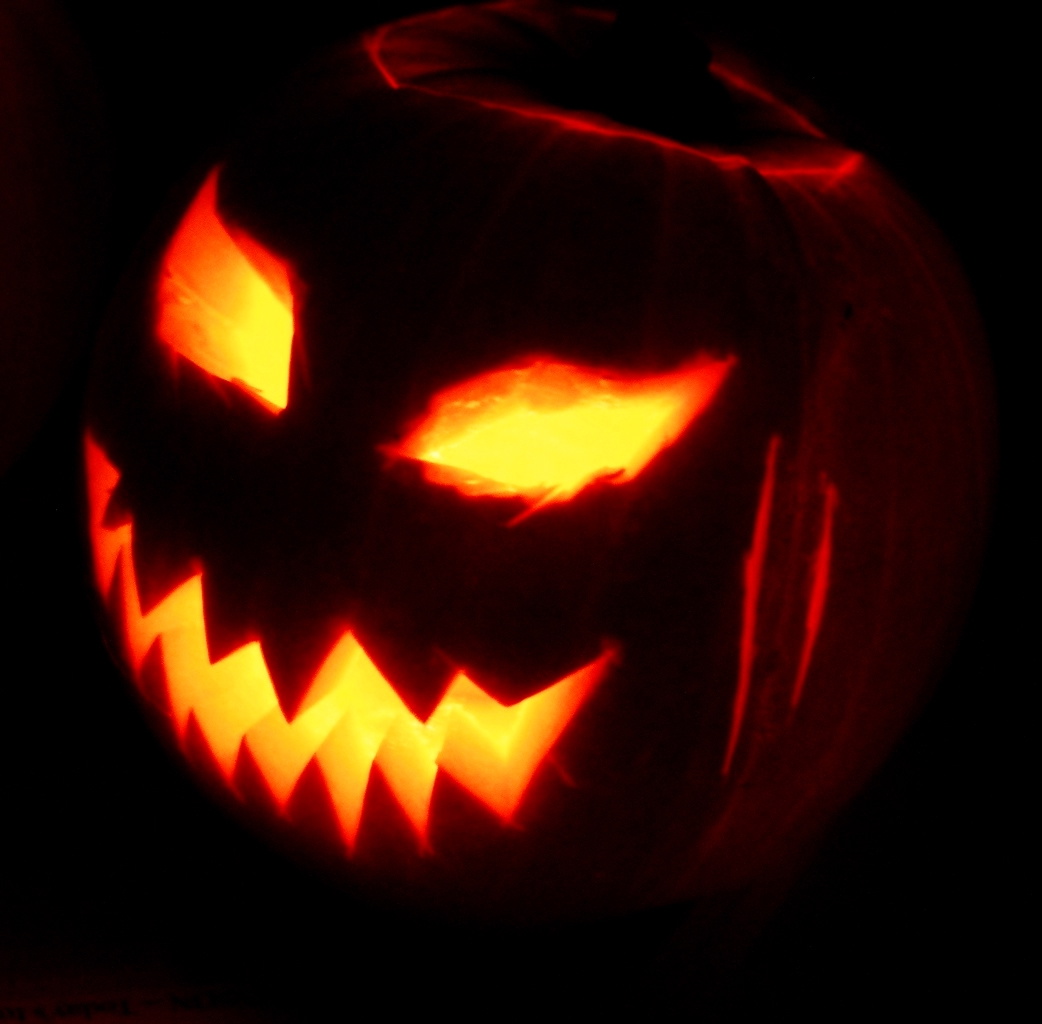 🇮🇪 Ireland and 5 moreHalloween
An annual observance on 31 October marking the eve of All Saints' Day, rooted in Christian tradition and Celtic heritageFestival · Sweets given and shared
🇮🇪 Ireland and 5 moreHalloween
An annual observance on 31 October marking the eve of All Saints' Day, rooted in Christian tradition and Celtic heritageFestival · Sweets given and shared
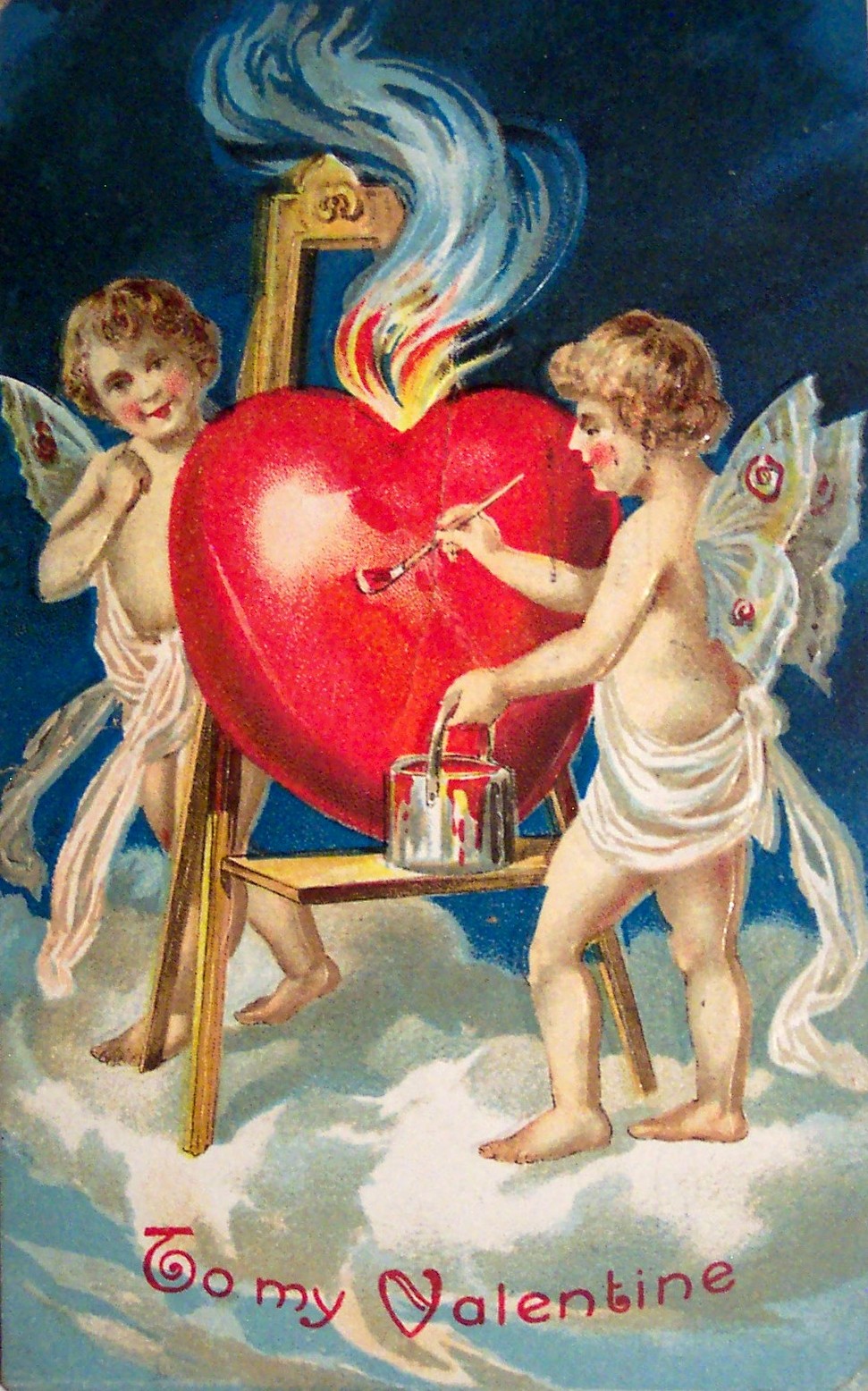 🇬🇧 United Kingdom and 4 moreValentine's Day
A Christian feast day and cultural celebration of love kept on February 14 in many countries.Festival
🇬🇧 United Kingdom and 4 moreValentine's Day
A Christian feast day and cultural celebration of love kept on February 14 in many countries.Festival
 🇹🇷 Turkey and 5 moreEid al-Fitrعيد الفطر
The feast that ends Ramadan, opened with morning prayers, sweets and visits homeFestival · Feasts and festival meals
🇹🇷 Turkey and 5 moreEid al-Fitrعيد الفطر
The feast that ends Ramadan, opened with morning prayers, sweets and visits homeFestival · Feasts and festival meals