Festivals and celebrationsSouth AsiaHinduSikh
Vaisakhi
A spring harvest and new year festival kept across India and Pakistan by Hindus and Sikhs.
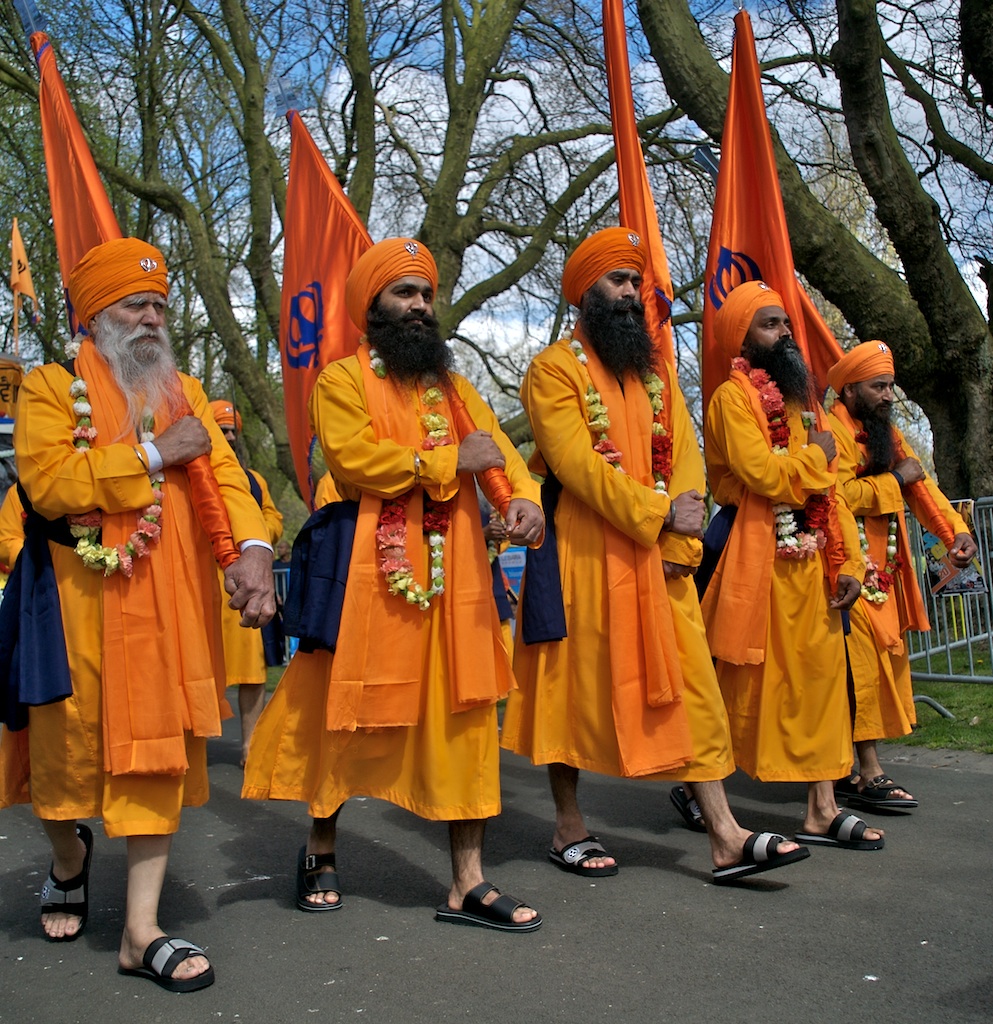
Vaisakhi marks the first day of the solar month Vaisakh. People in northern India and Pakistan celebrate it as a time of plenty for farmers and as a new year. Sikhs also observe the birth of their Khalsa order on this day.
When is Vaisakhi in 2027?
Vaisakhi 2027 is on Wednesday, 14 April 2027. Other years: 2028, Thursday, 13 April 2028.
Vaisakhi is a major spring festival celebrated in India and Pakistan. It marks the start of the solar new year and the harvest season. Hindus and Sikhs observe the day with prayers, fairs, and community meals. For Sikhs, it also commemorates the founding of the Khalsa brotherhood.
Origins and history
The word comes from Vaishakh, the name of the fourth month in the Hindu calendar. The date shifts slightly over centuries but usually falls in mid-April. Historically, it served as a key market day for grain sales. In 1699, Guru Gobind Singh established the Khalsa order on this day. Later, Maharaja Ranjit Singh used the occasion to proclaim his rule in 1801. The day also carries heavy historical weight due to the Jallianwala Bagh massacre in Amritsar.
How Sikhs keep it
Sikhs begin the day with kirtan singing at gurdwaras. They raise the Nishan Sahib flag and join nagar kirtan processions through streets. Community fairs provide space for socializing and sharing festive foods. The celebration honors the birth of the Khalsa. Sikhs view the day as both a spiritual milestone and a harvest thanksgiving. Many use the traditional Bikrami calendar to set the date.
Hindu traditions
For Hindus, Vaisakhi signals the solar new year in many regions. Devotees take ritual baths in sacred rivers like the Ganges and Jhelum. Temples host special pujas and fairs. People visit friends and exchange gifts. Charitable acts, such as giving hand fans or water pitchers, are common. In Kerala, the related Vishu festival features viewing golden blossoms and new clothes. Families prepare auspicious displays for the first sight of the new year.
Regional variations
Different areas celebrate with unique customs. In Jammu, Dogra Hindus perform morning puja and offer food crops to deities. Himachal Pradesh sees worship with earthen lamps and black gram cakes. Haryana hosts fairs at Baan Ganga Tirtha. Uttar Pradesh residents eat sattu and jaggery. Assam celebrates Bohag Bihu while Bengal observes Pohela Boishakh. These regional names reflect local dialects and cultural nuances.
Food and offerings
Festive foods vary by region. In Punjab, communities share langar meals at gurdwaras. Hindus in Uttar Pradesh consume sattu drinks and jaggery sweets. Himachal Pradesh prepares fried black gram cakes for neighbors. Kerala families enjoy a special meal during Vishu. Offerings often include seasonal fruits, grains, and money. These foods mark the abundance of the recent harvest and the joy of the new year.
How Vaisakhi is kept
People wake early for ritual baths in rivers or ponds. They visit temples or gurdwaras for prayers and kirtan. Processions move through streets carrying flags and religious symbols. Community fairs host music and dance. Families share meals and give charity to the needy. In some regions, people light lamps and offer crops to deities.
When and where
It falls on 13 or 14 April each year. The date depends on the solar cycle entering the Vaisakh month. The exact day changes slowly over long periods.
It is strongest in Punjab, Northern India, and Pakistan. Major celebrations occur in Amritsar, Lahore, and Haridwar. Smaller observances happen across other Indian states like Kerala and Assam.
What Vaisakhi means
The festival symbolizes renewal and gratitude. It marks the end of the harvest season and the start of a new solar year. For Sikhs, it represents courage and equality through the Khalsa. For Hindus, it signifies purity and divine blessings from river goddesses.
On the table
- Sattu
- Jaggery
- Black gram cakes
- Langar



Days Vaisakhi is marked
Vaisakhi dates: 2027, 2028
| Year | Vaisakhi date |
|---|---|
| 2027 | Wednesday, 14 April 2027 |
| 2028 | Thursday, 13 April 2028 |
Questions people ask about Vaisakhi
When is Vaisakhi in 2027?
Vaisakhi 2027 is on Wednesday, 14 April 2027. Other years: 2028, Thursday, 13 April 2028.
What is Vaisakhi?
Vaisakhi is a spring festival marking the solar new year and harvest. It is celebrated by Hindus and Sikhs in India and Pakistan. The day involves prayers, fairs, and community meals.
Why do Sikhs celebrate Vaisakhi?
Sikhs celebrate it to honor the birth of the Khalsa order in 1699. Guru Gobind Singh founded the brotherhood on this day. It is also a harvest thanksgiving.
Where is it most prominent?
It is most prominent in Punjab, India, and Pakistan. Cities like Amritsar and Lahore hold large processions. Other Indian states also observe it with local customs.
See also
 DiwaliA five-day festival of lights celebrated across India and its diaspora to mark the victory of light over darkness.
 NowruzThe Iranian new year at the March equinox, kept with fire, greenery and picnics
 MawlidAn annual festival marking the birth of the Prophet Muhammad, marked by poetry, processions and feasts.
 HoliA spring festival of colours and bonfires that marks the end of winter and the triumph of good over evil.
Good reading and sources
- Glare and galore at Baisakhi festivalDawn, Article
- Thousands join Sikh Vaisakhi celebrations in BirminghamBBC, Article
- 50 lakh pilgrims take holy dip in Ganga on ‘Baisakhi’The Hindu, Article
- Glare and galore at Baisakhi festivalDawn, Article
- Thousands join Sikh Vaisakhi celebrations in BirminghamBBC, Article
- 50 lakh pilgrims take holy dip in Ganga on ‘Baisakhi’The Hindu, Article
- Vaisakhi on WikipediaEncyclopedia
- More photos on Wikimedia CommonsPhotos and video
- Wikidata recordOpen data
The facts on this page come from the Wikipedia article "Vaisakhi", written by its contributors and used under the CC BY-SA 4.0 licence, and from its Wikidata record (CC0). EveryParampara rewrote the text in its own words, with AI assistance, and compares every page with the article to make sure no passage is copied. It may be reused under the same CC BY-SA 4.0 licence with a link back.
It may contain mistakes. Traditions differ from one family, village and community to the next, and the people who keep them know them best. If something is wrong, tell us. Last refreshed 2026-10-04.
More from India
All the traditions of India
🇮🇳 Ayodhya, India and 7 moreDiwaliदीपावली (Dīpāvalī)
A five-day festival of lights celebrated across India and its diaspora to mark the victory of light over darkness.Festival · Feasts and festival meals
🇪🇬 Egypt and 5 moreMawlidمولد (Mawlid)
An annual festival marking the birth of the Prophet Muhammad, marked by poetry, processions and feasts.Festival · Feasts and festival meals
🇮🇳 Mathura, India and 5 moreHoliहोली (Hindi)
A spring festival of colours and bonfires that marks the end of winter and the triumph of good over evil.Festival
 🇮🇳 India and 4 moreWater lantern
Small lamps floated on water to honour the dead and ask for good fortuneFestival
🇮🇳 India and 4 moreWater lantern
Small lamps floated on water to honour the dead and ask for good fortuneFestival
The same idea elsewhere
Harvest and thanksgiving compared 🇯🇵 JapanKadomatsu門松
A Japanese New Year gateway decoration of pine and bamboo where a visiting deity can restSeasonal
🇯🇵 JapanKadomatsu門松
A Japanese New Year gateway decoration of pine and bamboo where a visiting deity can restSeasonal
 🇺🇸 Chicago, United States and 4 moreKwanzaa
A seven-day African American celebration of heritage, family and community valuesFestival · Feasts and festival meals
🇺🇸 Chicago, United States and 4 moreKwanzaa
A seven-day African American celebration of heritage, family and community valuesFestival · Feasts and festival meals
 🇰🇭 Siem Reap, CambodiaCambodian New Yearបុណ្យចូលឆ្នាំថ្មី ប្រពៃណីជាតិ
A three-day harvest festival marking the traditional solar new year across CambodiaSeasonal
🇨🇳 Beijing, ChinaLaba Festival臘八節
A winter porridge festival marking the start of the Chinese New Year seasonFestival · Feasts and festival meals
🇰🇭 Siem Reap, CambodiaCambodian New Yearបុណ្យចូលឆ្នាំថ្មី ប្រពៃណីជាតិ
A three-day harvest festival marking the traditional solar new year across CambodiaSeasonal
🇨🇳 Beijing, ChinaLaba Festival臘八節
A winter porridge festival marking the start of the Chinese New Year seasonFestival · Feasts and festival meals