Seasons, harvest and the calendarSouth AsiaHindu
Ugadi
In its own language: ఉగాది
A South Indian New Year feast celebrating life with sweet, sour, and bitter tastes

Ugadi is the traditional New Year festival celebrated by Telugu and Kannadiga communities across southern India. Families welcome the season in late March or early April with ritual oil baths, temple visits, house decorations of mango leaves, and a six-flavor dish called pachadi.
When is Ugadi in 2027?
Ugadi 2027 is on Wednesday, 7 April 2027. Other years: 2026, Thursday, 19 March 2026; 2028, Monday, 27 March 2028.
Ugadi marks the first day of the year for millions of people across southern India, primarily in Andhra Pradesh, Karnataka, and Telangana. Rooted in the Sanskrit concept of an epoch beginning, the festival arrives with the onset of spring. Families gather to clean their homes, offer prayers at local shrines, listen to the year's astrological forecast, and share symbolic foods meant to prepare them for both joy and sorrow in the coming months.
The six tastes
At the heart of the celebration sits a dish called pachadi, known as bevu-bella in Karnataka. It blends ingredients that yield six fundamental flavors recognized in Indian tradition. Bitterness comes from neem blossoms, sweetness from jaggery, heat from chilli or pepper, and sourness from tamarind, alongside salty seasonings and astringent green mango. Together, these elements reflect the shifting conditions of life. Rather than wishing only for ease, the meal invites people to accept sorrow, joy, surprise, and anger with equal calm. Ayurvedic custom also links this combination to wellness, balancing bodily energies as cold weather gives way to the heat of the approaching summer.
Welcoming the new year
Preparations start well before the holiday arrives. Families scrub their houses thoroughly and purchase fresh garments, including traditional cotton dhotis. On the morning itself, people apply scented oils before taking a ritual bath. Outside the home, the entryway is washed with a mix of water and cow dung, then adorned with bright geometric floor art called muggulu or rangoli. Above doorways, strings of fresh green mango foliage, known as torana, welcome visitors and bring good fortune. Coconuts are also used during rituals, as both plants carry strong sacred associations in Hindu practice. Relatives visit one another to exchange gifts, share rich meals, and give money or food to those in need.
Listening to the almanac
Later in the day, households assemble at home, in temples, or within community halls for a custom called Panchanga Sravanam. An elder or local priest unrolls the newly issued almanac to read aloud what the heavens hold for the twelve months ahead. Listeners hear about five core astronomical components: the lunar date, day of the week, star constellation, celestial alignment, and half-day phase. The reading also covers anticipated rainfall for farming, likely dates of eclipses, and broader forecasts regarding commerce and spiritual fortune. By reviewing these predictions together, communities seek guidance on planting, trade, and important family decisions for the newly arrived year.
Kings and cosmic origins
According to the Brahma Purana, Ugadi commemorates Srishtyadi, the moment when the god Brahma launched cosmic creation. Historic records show that royal dynasties honored this day for centuries. Rulers of the Chalukya, Kakatiya, and Vijayanagara empires commemorated the holiday by establishing free kitchens called chattras, distributing farmland, and presenting rich donations to shrines. Similar spring observances appear across the subcontinent on this same date, including Gudi Padwa in Maharashtra and Goa, Cheti Chand among Sindhis, and Sajibu Nongma Panba in Manipur. Hindu communities in Bali also mark their New Year, called Nyepi, on this calendar day.
How Ugadi is kept
The festival begins with housecleaning and hanging fresh mango leaves above doorways. Early on the holiday morning, family members rub their bodies with fragrant oil before bathing, dress in new clothes, and draw colorful patterns outside their doorsteps. Relatives gather to eat festive sweets alongside the customary pachadi, a dish balancing sweet, bitter, hot, and sour ingredients. Later in the day, people visit temples to pray and listen to an elder or priest recite the new astrological almanac. The observance ends with charitable donations, visits to extended family, and a generous shared feast.
When and where
The holiday arrives annually in late March or early April on the Gregorian calendar. It falls on Chaitra Sukla Pratipada, the opening day of the lunar cycle in the month of Chaitra, which signals the beginning of spring in the traditional Hindu calendar.
Ugadi is celebrated most prominently across the southern Indian states of Andhra Pradesh, Telangana, and Karnataka, with observances also held in sections of Tamil Nadu and Kerala. Diaspora communities keep the custom worldwide, while the date is also recognized as an official holiday in Mauritius.
What Ugadi means
Ugadi represents fresh beginnings and cosmic renewal, marking the anniversary of the world's creation according to sacred texts. Its central food, pachadi, offers a lesson in emotional balance. By blending bitter neem, tart tamarind, and sweet jaggery, it reminds celebrants that the coming year will bring both pleasant and difficult moments, all of which should be met with equal composure.
On the table
- Ugadi pachadi
- bevu-bella
- bobbatlu
- holige
- pulihora
- burelu
- mango pickles
Flavours: Tamarind Chilli Black pepper


Ugadi dates: 2026, 2027, 2028
| Year | Ugadi date |
|---|---|
| 2026 | Thursday, 19 March 2026 |
| 2027 | Wednesday, 7 April 2027 |
| 2028 | Monday, 27 March 2028 |
Questions people ask about Ugadi
When is Ugadi in 2027?
Ugadi 2027 is on Wednesday, 7 April 2027. Other years: 2026, Thursday, 19 March 2026; 2028, Monday, 27 March 2028.
What is Ugadi?
Ugadi is the traditional New Year festival celebrated by Telugu and Kannadiga communities, primarily in the southern Indian states of Andhra Pradesh, Karnataka, and Telangana. It commemorates the start of a new calendar year and the arrival of spring.
What is the special food eaten on Ugadi?
People prepare a dish called pachadi, or bevu-bella in Karnataka, which combines six distinct flavors: sweet jaggery, bitter neem, sour tamarind, salty seasoning, hot peppers, and astringent green mango. It symbolizes the mixture of experiences people encounter in life.
What is Panchanga Sravanam?
Panchanga Sravanam is the ritual reading of the new year's astrological almanac. Families gather at temples or at home to hear a priest or elder recite predictions regarding rainfall, harvests, and general fortunes for the coming year.
See also
 LosarThe Tibetan Buddhist New Year festival of renewal, offerings, and family feasts
 DiwaliA five-day festival of lights celebrated across India and its diaspora to mark the victory of light over darkness.
 NowruzThe Iranian new year at the March equinox, kept with fire, greenery and picnics
 HoliA spring festival of colours and bonfires that marks the end of winter and the triumph of good over evil.
Good reading and sources
- Ugadi on WikipediaEncyclopedia
- More photos on Wikimedia CommonsPhotos and video
- Wikidata recordOpen data
The facts on this page come from the Wikipedia article "Ugadi", written by its contributors and used under the CC BY-SA 4.0 licence, and from its Wikidata record (CC0). EveryParampara rewrote the text in its own words, with AI assistance, and compares every page with the article to make sure no passage is copied. It may be reused under the same CC BY-SA 4.0 licence with a link back.
It may contain mistakes. Traditions differ from one family, village and community to the next, and the people who keep them know them best. If something is wrong, tell us. Last refreshed 2026-10-04.
More from India
All the traditions of India
🇮🇷 Iran and 7 moreNowruzنوروز
The Iranian new year at the March equinox, kept with fire, greenery and picnicsSeasonal
 🇮🇳 IndiaIndian national calendar
India's official civil solar calendar, designed to bring unity to timekeepingSeasonal
🇮🇳 IndiaIndian national calendar
India's official civil solar calendar, designed to bring unity to timekeepingSeasonal
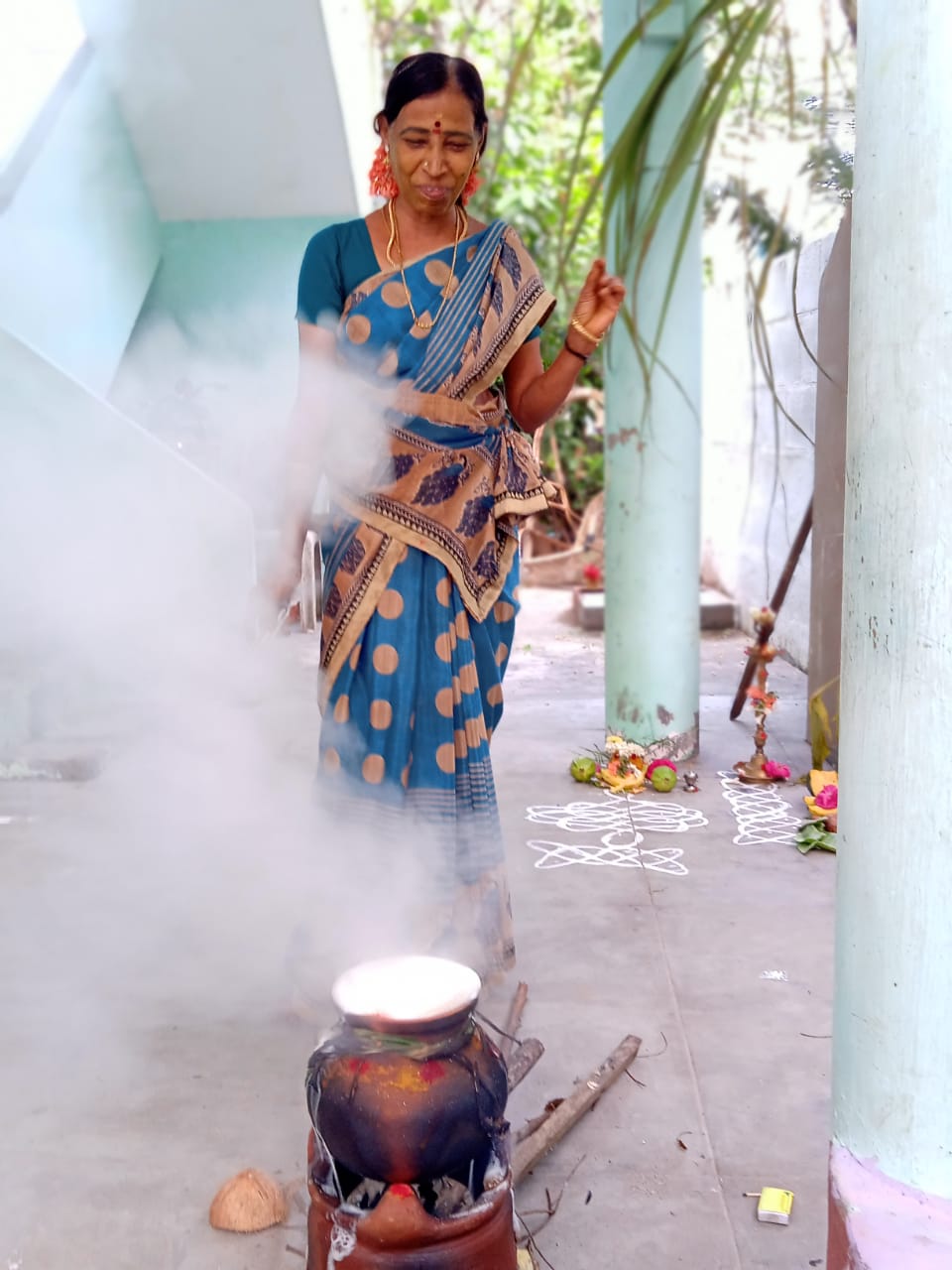 🇮🇳 India and 5 morePongal
Three or four days of boiling rice, garlanded cattle and thanks to the sunSeasonal · Sweets given and shared
🇧🇹 Bhutan and 4 moreLosarལོ་གསར་
The Tibetan Buddhist New Year festival of renewal, offerings, and family feastsSeasonal · Feasts and festival meals
🇮🇳 India and 5 morePongal
Three or four days of boiling rice, garlanded cattle and thanks to the sunSeasonal · Sweets given and shared
🇧🇹 Bhutan and 4 moreLosarལོ་གསར་
The Tibetan Buddhist New Year festival of renewal, offerings, and family feastsSeasonal · Feasts and festival meals
The same idea elsewhere
New Year compared 🇧🇬 Bulgaria and 4 moreKukeriкукери (kukeri)
Masked and belled figures who tour Bulgarian villages at New Year to drive off harmSpiritual
🇧🇬 Bulgaria and 4 moreKukeriкукери (kukeri)
Masked and belled figures who tour Bulgarian villages at New Year to drive off harmSpiritual
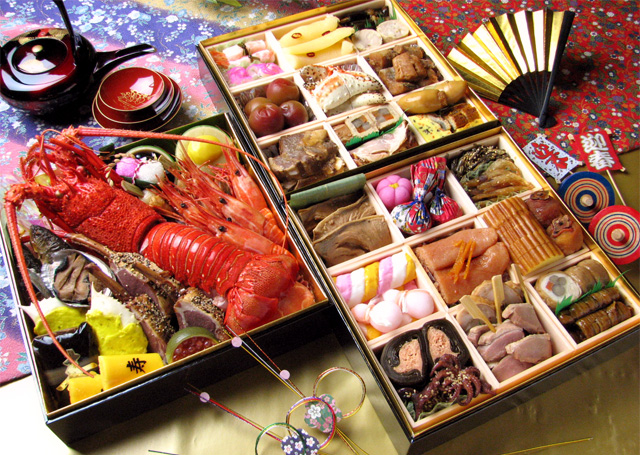 🇯🇵 Tokyo, JapanJapanese New Year正月
An annual celebration of renewal, seasonal foods, and bell ringing across JapanSeasonal · Feasts and festival meals
🇯🇵 Tokyo, JapanJapanese New Year正月
An annual celebration of renewal, seasonal foods, and bell ringing across JapanSeasonal · Feasts and festival meals
 🇹🇭 Bangkok, ThailandSongkranสงกรานต์
The three-day Thai New Year festival marked by water rituals and blessings for eldersFestival
🇹🇭 Bangkok, ThailandSongkranสงกรานต์
The three-day Thai New Year festival marked by water rituals and blessings for eldersFestival
 🇨🇳 Hong Kong, China and 5 moreLunar New Year
New year festivals dated by the moon, kept from East Asia to the Middle EastFestival
🇨🇳 Hong Kong, China and 5 moreLunar New Year
New year festivals dated by the moon, kept from East Asia to the Middle EastFestival