Tablion
In its own language: ταβλίον
An embroidered panel on the ceremonial mantle of Byzantine courtiers.

The tablion was a decorative patch worn by officials in the Byzantine Empire. It appeared on the chlamys, a cloak that marked civilian status at court. The panels showed images or designs and signaled rank.
When is Tablion kept?
Tablion is kept during court ceremonies in the Byzantine era.
The tablion served as a badge of office for Byzantine civil servants. Worn on the chlamys cloak, these embroidered panels displayed imperial imagery. They helped identify rank within the strict hierarchy of the empire's court.
Design and placement
These rectangular or trapezoidal patches contrasted with the main fabric of the chlamys. Craftsmen sewed them in pairs along the front edges of the cloak. Artists often added intricate embroidery or portraits of the emperor to the surface. In early centuries, the panels sat near the hem below the knees. Later makers moved them to the center of the opening. This shift changed how the garment looked when worn.
Court dress rules
The chlamys functioned as the primary uniform for male officials. Men had to buy their own tablia to complete the outfit. A patrikios paid twenty-four gold solidi for his set in the ninth century. Only empresses could wear this specific combination of cloak and panels. Military saints sometimes appear in art wearing the same style, though it remained a civilian symbol. Some cloaks lacked these patches entirely during the middle period.
Artistic depiction
Painters usually showed the right side of the cloak thrown back over the shoulder. This pose hid the right tablion from view. Viewers saw only the left panel clearly. Scholars wonder why some richly decorated cloaks show no panels at all. One idea suggests missing patches indicated lower ranks in the court system. The visual language of the garment communicated status without words.
Questions people ask about Tablion
When is Tablion kept?
Tablion is kept during court ceremonies in the Byzantine era.
What is a tablion?
It is an embroidered panel attached to the chlamys, a ceremonial cloak worn by officials in the Byzantine Empire. The patches displayed designs or imperial images.
Who wore the tablion?
Male courtiers wore them as part of their official costume. Empresses were the only women permitted to wear the chlamys with tablia.
How did the design change?
Originally placed near the bottom of the cloak in the fourth century, the panels moved to the center of the opening by the sixth century.
See also
 Karagöz and HacivatA Turkish shadow play of two quarrelling friends, acted on a lit screen behind a curtain
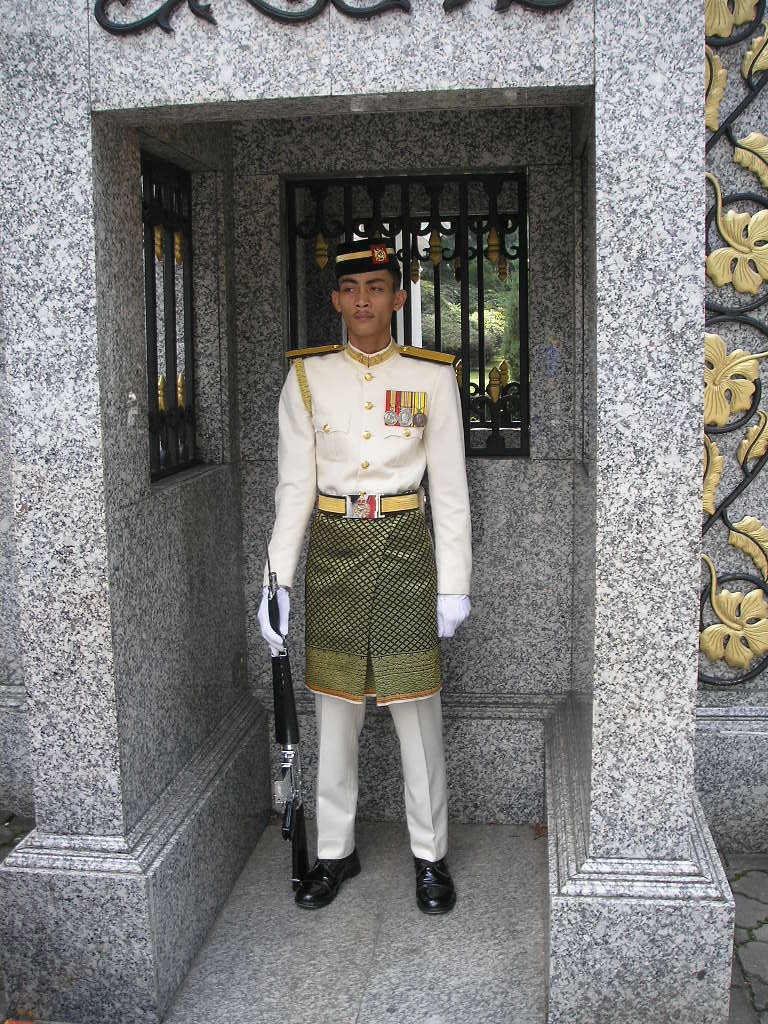 SampingA traditional Malay waist cloth worn over festive attire in Southeast Asia
 LambaA rectangular cloth wrapped around the body, worn across Madagascar and at burials
 SherwaniA long buttoned coat for men, worn at weddings and state occasions in South Asia
Good reading and sources
The facts on this page come from the Wikipedia article "Tablion", written by its contributors and used under the CC BY-SA 4.0 licence, and from its Wikidata record (CC0). EveryParampara rewrote the text in its own words, with AI assistance, and compares every page with the article to make sure no passage is copied. It may be reused under the same CC BY-SA 4.0 licence with a link back.
It may contain mistakes. Traditions differ from one family, village and community to the next, and the people who keep them know them best. If something is wrong, tell us. Last refreshed 2026-10-06.
More from Greece
All the traditions of Greece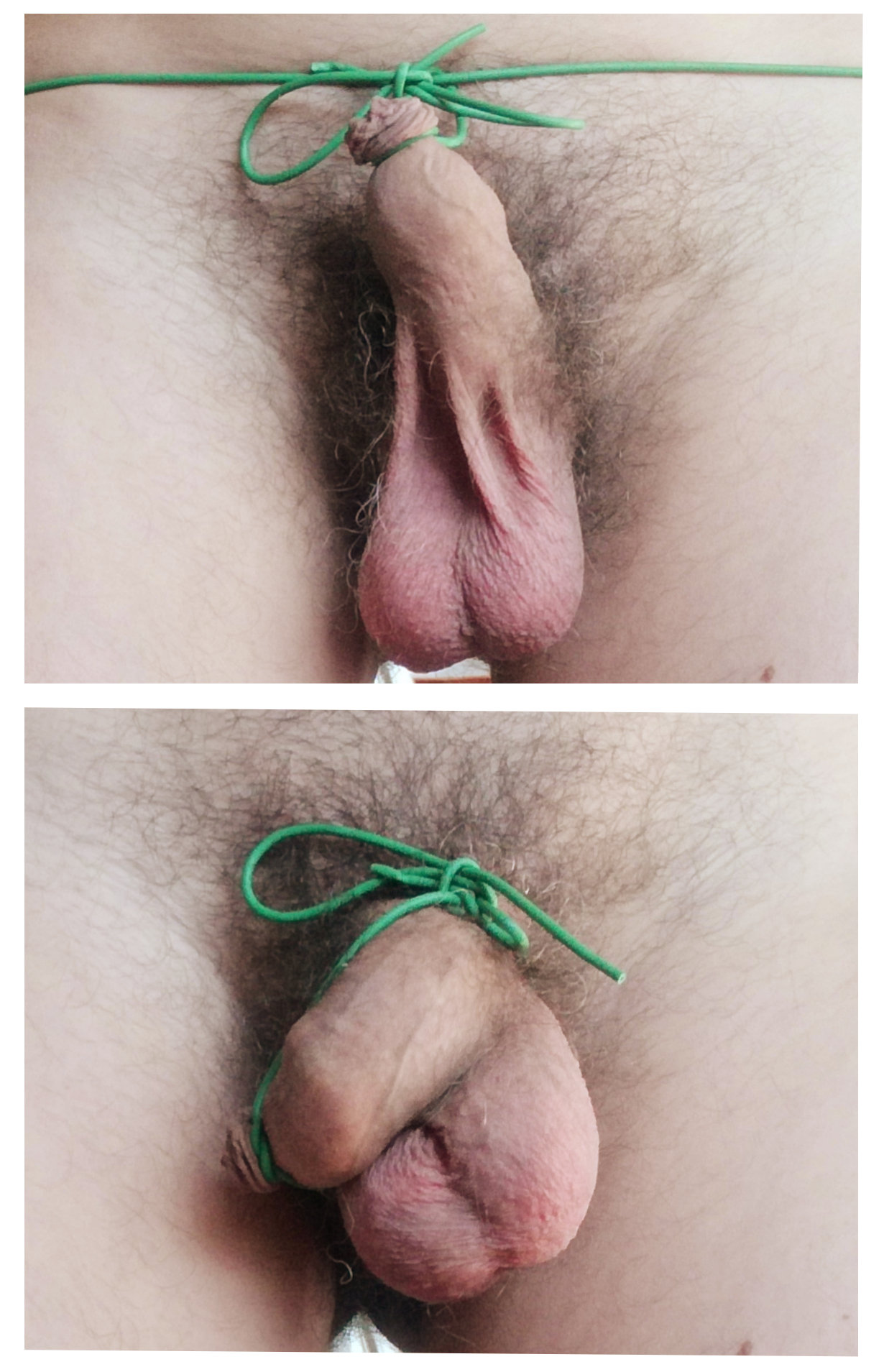 🇬🇷 Greece and 1 moreKynodesmeκυνοδέσμη
A cord ancient Greek athletes tied around the foreskin to stay modest in public.Dress
🇬🇷 Greece and 1 moreKynodesmeκυνοδέσμη
A cord ancient Greek athletes tied around the foreskin to stay modest in public.Dress
 🇬🇷 Athens, GreecePeplosπέπλος
A draped woolen tunic worn by women in ancient Greece, central to Athenian religious festivals.Dress
🇬🇷 Athens, GreecePeplosπέπλος
A draped woolen tunic worn by women in ancient Greece, central to Athenian religious festivals.Dress
 🇬🇷 Sparta, GreeceChitonχιτών
A draped tunic of wool or linen worn across ancient Greece and RomeDress
🇹🇷 Bursa, Turkey and 5 moreKaragöz and Hacivat
A Turkish shadow play of two quarrelling friends, acted on a lit screen behind a curtainPerformance
🇬🇷 Sparta, GreeceChitonχιτών
A draped tunic of wool or linen worn across ancient Greece and RomeDress
🇹🇷 Bursa, Turkey and 5 moreKaragöz and Hacivat
A Turkish shadow play of two quarrelling friends, acted on a lit screen behind a curtainPerformance
The same idea elsewhere
Royalty and coronation compared 🇮🇱 IsraelRosh Hashanahרֹאשׁ הַשָּׁנָה
The Jewish New Year marked by shofar horn blasts, prayer and sweet foodsSpiritual
🇮🇱 IsraelRosh Hashanahרֹאשׁ הַשָּׁנָה
The Jewish New Year marked by shofar horn blasts, prayer and sweet foodsSpiritual
 🇵🇪 Cusco, Peru and 4 moreIntiinti (Quechua)
The Inca sun deity, honoured with temples, offerings and the June festival Inti RaymiSpiritual
🇹🇭 ThailandThai solar calendarปฏิทินสุริยคติไทย
The official solar calendar of Thailand, numbered in the Buddhist EraSeasonal
🇵🇪 Cusco, Peru and 4 moreIntiinti (Quechua)
The Inca sun deity, honoured with temples, offerings and the June festival Inti RaymiSpiritual
🇹🇭 ThailandThai solar calendarปฏิทินสุริยคติไทย
The official solar calendar of Thailand, numbered in the Buddhist EraSeasonal
 🇺🇸 United StatesTalking stick
A carved staff that shows who may speak at a Northwest Coast gatheringCeremony
🇺🇸 United StatesTalking stick
A carved staff that shows who may speak at a Northwest Coast gatheringCeremony