Dress and adornmentSoutheast Asia
Samping
In its own language: سمڤيڠ
A traditional Malay waist cloth worn over festive attire in Southeast Asia
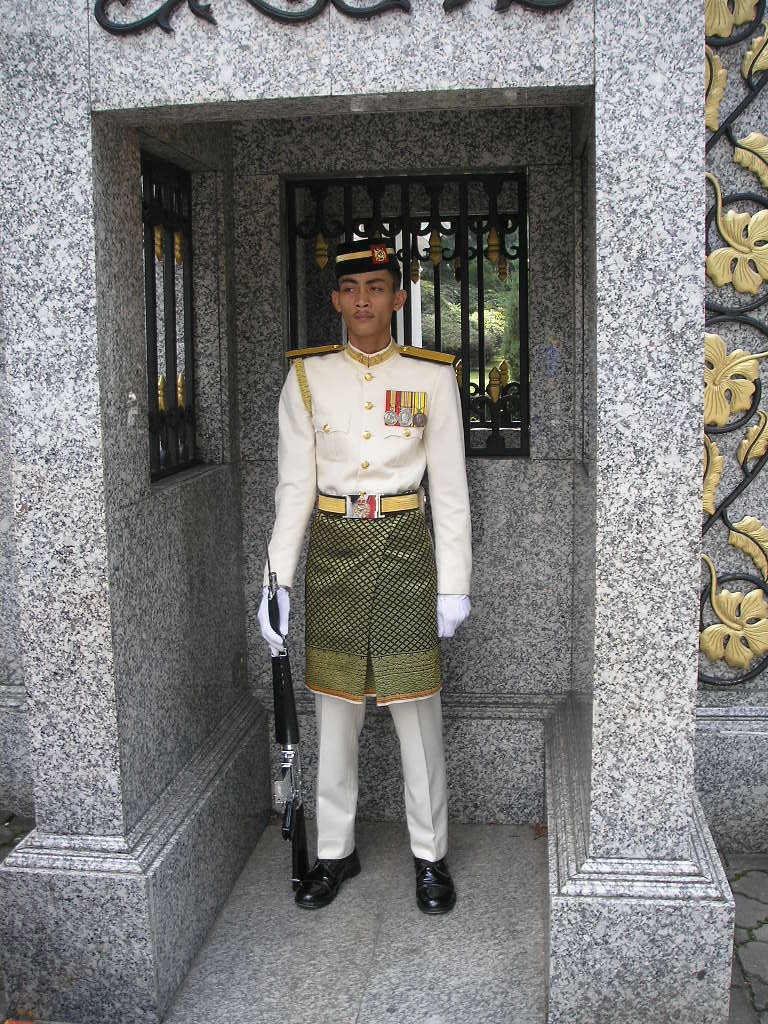
The samping is a short waist wrap worn over traditional garments such as the Baju Melayu. Originating in the royal court of Malacca, it forms part of formal dress across Malaysia, Brunei, Singapore, Indonesia, and southern Thailand, where it is worn in distinct regional folds and drapery styles.
When is Samping kept?
Samping is kept during formal occasions.
The samping, also called kain dagang, is a traditional Malay waist cloth worn over tunic outfits like the Baju Melayu or Baju Kurung. Originating in the royal court of Malacca, this short sarong extends from the waist to the knee. Worn during formal gatherings across Malaysia, Brunei, Indonesia, Singapore, and southern Thailand, it forms an essential component of formal and national attire.
Origins and courtly ranks
The garment developed within the historic court of Malacca and remains a formal element of national dress in Malaysia and Brunei. In earlier periods, folding methods indicated a person's standing in society. Royal figures, including sultans and princes, fastened the cloth with the Ikatan Pancung style and were once the only individuals permitted to wear the Berdagang Luar fold. Malay nobility secured their wraps using the Ikatan Kembung style, while commoners arranged the cloth through the Ikatan Lingkup. Today, these strict social distinctions have eased, allowing wearers to choose their preferred draping method.
Regional styles and fabrics
A samping is typically made from woven materials such as tenun, songket, or standard sarong cloth. The wrap is secured over trousers or tunics, falling to the knees. Draping traditions differ by territory. In Johor, the Berdagang Dalam method is favored and pairs with the Teluk Belanga cut of the Baju Melayu. Along the western coast of the Malay peninsula and in other states, the Berdagang Luar approach is most prevalent, commonly combined with the Cekak Musang tunic style.
Outdoor and everyday adaptations
While men secure the cloth at the waist for ceremonies and formal events, women also incorporate the fabric into traditional dress in versatile ways. When moving outdoors, women often carry the material in the left hand and can drape it as a veil to block intense sunlight. Once indoors, the cloth may be tied comfortably around the waist or rested lightly over the arm, adapting easily between outdoor protection and indoor formality.
How Samping is kept
A person puts on their base attire, such as a Baju Melayu or Baju Kurung, before draping the samping. The short woven cloth is wrapped around the waist to cover down to the knees. Wearers select a tucking style, either placing the hem inside or outside the tunic depending on regional customs like Berdagang Dalam or Berdagang Luar. Women may hold the cloth in hand or drape it over an arm or head.
When and where
The samping is chosen primarily for formal events, ceremonial gatherings, and official occasions. Because it forms part of the national dress in countries like Malaysia and Brunei, people wear it whenever traditional formal attire is required.
The garment is worn across Brunei, Malaysia, Indonesia, Singapore, and southern Thailand. It originated in the historical court of Malacca and remains widely worn across the Malay peninsula, including states such as Johor.
What Samping means
Historically, the specific knot and drapery of the samping communicated a person's position in the social hierarchy, distinguishing royalty and nobles from common people. Today, it stands as a mark of formal decorum and shared cultural identity across the Malay world.
Questions people ask about Samping
When is Samping kept?
Samping is kept during formal occasions.
What is a samping?
A samping is a traditional Malay short sarong wrap worn around the waist over outfits like the Baju Melayu or Baju Kurung during formal occasions.
Where is the samping traditionally worn?
It is worn in Malaysia, Brunei, Singapore, Indonesia, and southern Thailand, having originated from the historic court of Malacca as part of regional courtly dress.
What fabrics are used to make the wrap?
The cloth is usually crafted from traditional songket, woven tenun, or standard sarong material, creating a formal wrap that is worn over festive trousers or tunics.
How do men and women wear the cloth differently?
Men fasten the wrap from the waist to the knees, whereas women typically hold it in the left hand, drape it over an arm, or use it as a sun veil.
See also
 LongyiA tube of cloth worn from waist to feet in Myanmar, folded shut with no knot
 SampotA length of cloth wrapped at the waist, the everyday and ceremonial dress of Cambodia
 KebayaA front-opening blouse and wrapped cloth, worn by women across Southeast Asia
 Baju MelayuThe long-sleeved Malay man's shirt and trousers, formal national dress in Malaysia and Brunei
Good reading and sources
- Samping on WikipediaEncyclopedia
- More photos on Wikimedia CommonsPhotos and video
- Wikidata recordOpen data
The facts on this page come from the Wikipedia article "Samping", written by its contributors and used under the CC BY-SA 4.0 licence, and from its Wikidata record (CC0). EveryParampara rewrote the text in its own words, with AI assistance, and compares every page with the article to make sure no passage is copied. It may be reused under the same CC BY-SA 4.0 licence with a link back.
It may contain mistakes. Traditions differ from one family, village and community to the next, and the people who keep them know them best. If something is wrong, tell us. Last refreshed 2026-10-06.
More from Malaysia
All the traditions of Malaysia 🇮🇩 Palembang, Indonesia and 3 moreSongketᬲᭀᬂᬓᬾᬢ᭄
A hand-woven cloth threaded with gold or silver, worn at weddings and royal courtsDress
🇮🇩 Yogyakarta, Indonesia and 4 moreKebayaꦏꦼꦧꦪ
A front-opening blouse and wrapped cloth, worn by women across Southeast AsiaDress
🇲🇾 Malacca, Malaysia and 5 moreBaju Melayuباجو ملايو
The long-sleeved Malay man's shirt and trousers, formal national dress in Malaysia and BruneiDress
🇮🇩 Palembang, Indonesia and 3 moreSongketᬲᭀᬂᬓᬾᬢ᭄
A hand-woven cloth threaded with gold or silver, worn at weddings and royal courtsDress
🇮🇩 Yogyakarta, Indonesia and 4 moreKebayaꦏꦼꦧꦪ
A front-opening blouse and wrapped cloth, worn by women across Southeast AsiaDress
🇲🇾 Malacca, Malaysia and 5 moreBaju Melayuباجو ملايو
The long-sleeved Malay man's shirt and trousers, formal national dress in Malaysia and BruneiDress
 🇮🇳 Lucknow, India and 5 moreKurtaکرته (Persian), कुरता (Hindi)
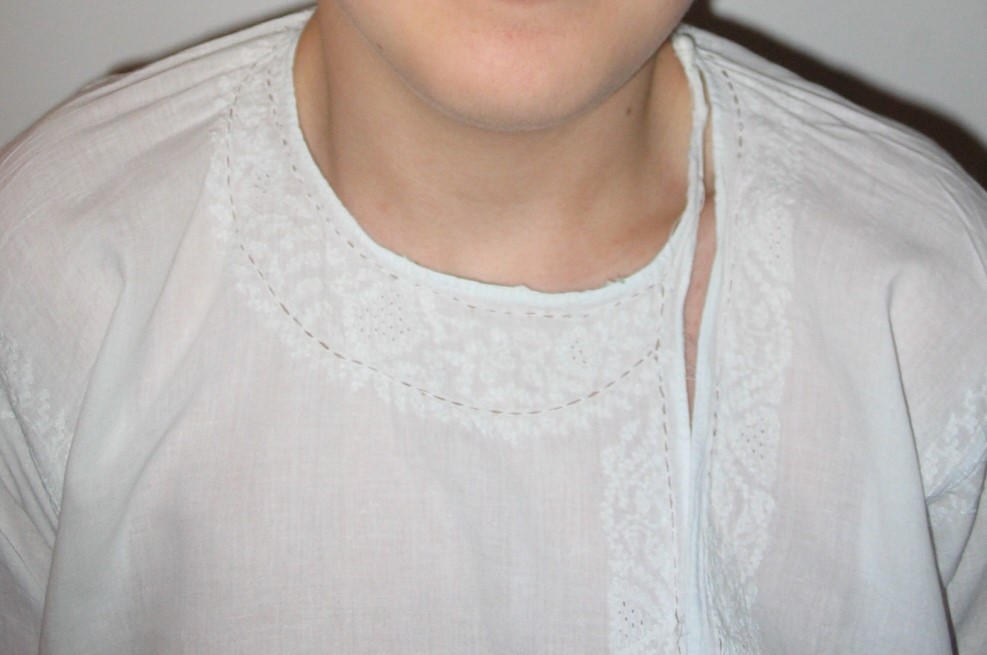
A loose collarless tunic from South Asia, worn plain or embroidered over pyjamas or jeansDress
🇮🇳 Lucknow, India and 5 moreKurtaکرته (Persian), कुरता (Hindi)
A loose collarless tunic from South Asia, worn plain or embroidered over pyjamas or jeansDress
The same idea elsewhere
Royalty and coronation compared 🇮🇱 IsraelRosh Hashanahרֹאשׁ הַשָּׁנָה
The Jewish New Year marked by shofar horn blasts, prayer and sweet foodsSpiritual
🇮🇱 IsraelRosh Hashanahרֹאשׁ הַשָּׁנָה
The Jewish New Year marked by shofar horn blasts, prayer and sweet foodsSpiritual
 🇸🇪 Mora, SwedenVasaloppet
A 90 km cross-country ski race from Sälen to Mora, run every March since 1922Game
🇸🇪 Mora, SwedenVasaloppet
A 90 km cross-country ski race from Sälen to Mora, run every March since 1922Game
 🇵🇪 Cusco, Peru and 4 moreIntiinti (Quechua)
The Inca sun deity, honoured with temples, offerings and the June festival Inti RaymiSpiritual
🇵🇪 Cusco, Peru and 4 moreIntiinti (Quechua)
The Inca sun deity, honoured with temples, offerings and the June festival Inti RaymiSpiritual
 🇺🇸 United StatesTalking stick
A carved staff that shows who may speak at a Northwest Coast gatheringCeremony
🇺🇸 United StatesTalking stick
A carved staff that shows who may speak at a Northwest Coast gatheringCeremony