Festivals and celebrationsSouth AsiaHindu
Teej
In its own language: तीज (Tīja)
A monsoon festival where women fast and sing to celebrate the union of Shiva and Parvati.

Teej is a group of Hindu festivals kept by married women and girls in India and Nepal. The celebrations mark the arrival of the rainy season and honour the marriage of the goddess Parvati to Shiva. Women wear bright clothes, apply henna, and sing folk songs while swinging on decorated platforms.
When is Teej kept?
Teej is kept on between July and September, during the monsoon months of Shravana and Bhadrapada.
Teej marks the beginning of the monsoon season through song, dance, and devotion. Married women observe strict fasts to pray for their husbands' long lives. Unmarried girls seek blessings for a good husband. The festivals celebrate the divine union of Shiva and Parvati with joyous community gatherings.
What the festival means
The name Teej comes from a Sanskrit word meaning third. It refers to the third day after the new moon or full moon in the lunar calendar. The core story involves the goddess Parvati performing penance to win Shiva as her husband. Women celebrate this successful union by praying for their own marital happiness. The timing also welcomes the rains that bring greenery back to the land.
How people celebrate
Women dress in red, green, or orange saris and apply henna to their hands and feet. They set up swings under trees or in courtyards to play and sing. In some regions, women return to their parents' homes to receive gifts called Sindhara. These gifts include clothes, bangles, and sweets. Groups gather to perform folk dances like Gidda in Punjab.
The three main days
Haryali Teej falls in the month of Shravana and celebrates the start of the rains. Hartalika Teej occurs in Bhadrapada and involves a strict waterless fast. Kajari Teej follows later and focuses on songs about separation and longing. Each day has specific rituals, but all centre on worshipping Parvati and Shiva together.
Food and gifts
Families prepare special sweets like Ghevar and Thekua for the celebrations. Mothers send gift baskets called Baya to their married daughters. These baskets contain food items and decorative items. Women break their fasts by eating these festive foods. The sharing of meals strengthens family bonds and community ties.
How Teej is kept
Women begin preparations weeks in advance by composing songs and choosing outfits. On the festival day, they apply henna and wear traditional attire. They visit temples to offer prayers and perform puja. Many observe a strict fast without water for part or all of the day. Evening gatherings feature singing and dancing on swings. Families exchange gifts and share festive meals.
When and where
The dates shift each year based on the lunar calendar. Haryali Teej falls in Shravana, usually July or August. Hartalika Teej occurs in Bhadrapada, often August or September. The exact day depends on the phase of the moon.
The festival is strongest in northern India, including Rajasthan, Punjab, Haryana, and Uttar Pradesh. It is also widely observed in Nepal. Cities like Chandigarh and Jaipur hold large public processions and cultural events.
What Teej means
The festival symbolises female resilience and devotion. The swing represents the balance between two families. The henna signifies beauty and auspiciousness. Fasting shows dedication to marital harmony. Singing allows women to express personal feelings and social commentary.
On the table
- Ghevar
- Thekua
- Pidukia
- Sattu


Questions people ask about Teej
When is Teej kept?
Teej is kept on between July and September, during the monsoon months of Shravana and Bhadrapada.
What is Teej?
Teej is a group of Hindu festivals celebrated mainly by women in India and Nepal. It honours the marriage of Shiva and Parvati and welcomes the monsoon season. The name means third, referring to the lunar calendar date.
What do women wear?
Women typically wear bright red, green, or orange saris. They apply intricate henna designs to their hands and feet. Traditional jewellery and wedding accessories are also common.
Why do women fast?
Married women fast to pray for their husbands' health and longevity. Unmarried girls fast to find a good husband. The fast mimics Parvati's penance to win Shiva's love.
See also
 DiwaliA five-day festival of lights celebrated across India and its diaspora to mark the victory of light over darkness.
 NowruzThe Iranian new year at the March equinox, kept with fire, greenery and picnics
 MawlidAn annual festival marking the birth of the Prophet Muhammad, marked by poetry, processions and feasts.
 HoliA spring festival of colours and bonfires that marks the end of winter and the triumph of good over evil.
Good reading and sources
- Sawan 2023 festivals full calendar: Hariyali Teej, Raksha Bandhan to Janmashtami; dates of 12 major fasts and festivalsHindustan Times, Article
- Sawan 2023 festivals full calendar: Hariyali Teej, Raksha Bandhan to Janmashtami; dates of 12 major fasts and festivalsHindustan Times, Article
- Teej on WikipediaEncyclopedia
- More photos on Wikimedia CommonsPhotos and video
- Wikidata recordOpen data
The facts on this page come from the Wikipedia article "Teej", written by its contributors and used under the CC BY-SA 4.0 licence, and from its Wikidata record (CC0). EveryParampara rewrote the text in its own words, with AI assistance, and compares every page with the article to make sure no passage is copied. It may be reused under the same CC BY-SA 4.0 licence with a link back.
It may contain mistakes. Traditions differ from one family, village and community to the next, and the people who keep them know them best. If something is wrong, tell us. Last refreshed 2026-10-04.
More from India
All the traditions of India
🇮🇳 Ayodhya, India and 7 moreDiwaliदीपावली (Dīpāvalī)
A five-day festival of lights celebrated across India and its diaspora to mark the victory of light over darkness.Festival · Feasts and festival meals
🇮🇳 Mathura, India and 5 moreHoliहोली (Hindi)
A spring festival of colours and bonfires that marks the end of winter and the triumph of good over evil.Festival
 🇮🇳 India and 4 moreWater lantern
Small lamps floated on water to honour the dead and ask for good fortuneFestival
🇮🇳 India and 4 moreWater lantern
Small lamps floated on water to honour the dead and ask for good fortuneFestival
 🇮🇳 Kolkata, India and 1 moreSindur Khelaসিঁদুর খেলা
A Bengali Hindu ritual where married women apply vermilion to each other on Vijayadashami.Festival
🇮🇳 Kolkata, India and 1 moreSindur Khelaসিঁদুর খেলা
A Bengali Hindu ritual where married women apply vermilion to each other on Vijayadashami.Festival
The same idea elsewhere
Remembering the ancestors compared
🇮🇷 Iran and 7 moreNowruzنوروز
The Iranian new year at the March equinox, kept with fire, greenery and picnicsSeasonal
 🇰🇷 Jeju, South KoreaGut굿
Sacred rites of song, dance, and spirit communion performed by Korean shamansSpiritual
🇰🇷 Jeju, South KoreaGut굿
Sacred rites of song, dance, and spirit communion performed by Korean shamansSpiritual
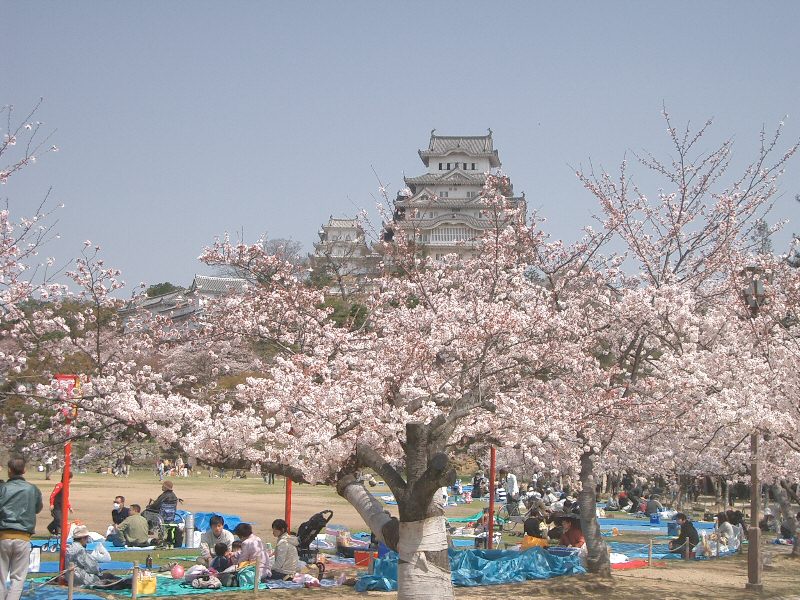 🇯🇵 Kyoto, Japan and 4 moreHanami花見
A Japanese spring custom of gathering under blooming cherry trees to eat, drink, and celebrate the fleeting beauty of thFestival · Lunch
🇯🇵 Kyoto, Japan and 4 moreHanami花見
A Japanese spring custom of gathering under blooming cherry trees to eat, drink, and celebrate the fleeting beauty of thFestival · Lunch
 🇨🇳 China and 5 moreQingming Festival清明节
A spring custom of sweeping family graves and honouring ancestors across East Asia.Spiritual
🇨🇳 China and 5 moreQingming Festival清明节
A spring custom of sweeping family graves and honouring ancestors across East Asia.Spiritual