Games, sport and playEast Asia
Traditional games of Korea
In its own language: 전통놀이 (jeontongnori)
Korean games kept through the seasons, from New Year board games to winter kites
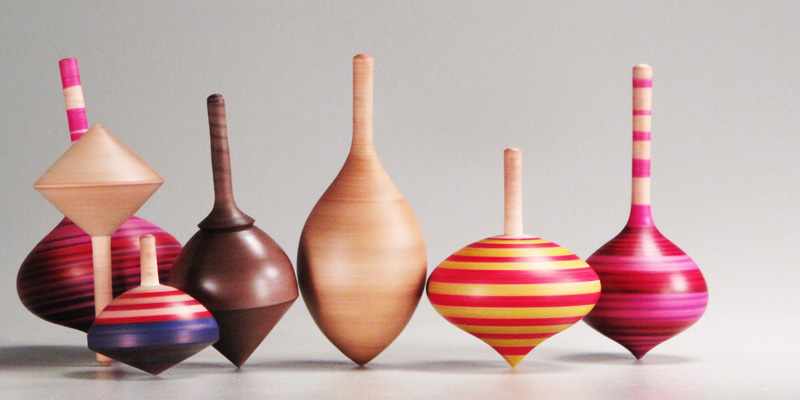
These are the games Koreans have played for pleasure, season by season: board games with wooden sticks at New Year, wrestling, kite flying in winter, and games of throwing and hiding. They grew out of the farming life and folk beliefs of the Korean peninsula and are still played across the country, with names and rules that vary from region to region.
When is Traditional games of Korea marked?
Traditional games of Korea is kept as part of Daeboreum, which is on Sunday, 21 February 2027.
Korean traditional games are the play that has grown alongside the farming year on the Korean peninsula: stick-throwing board games, wrestling, seesaw jumping, kite flying, top spinning, pebble games and more. Most need only hands, feet and whatever the ground offers. Many began in folk belief and village ritual, and although those beliefs have faded, the games are still played, by children and adults, with local names and rules.
What it is
Koreans use the word jeontongnori for these games, and they are too many to list in one place. Jegichagi, ssireum, tuho, yut, biseokchigi and paengichigi are the names often given as examples, but each region keeps its own versions, and even the names shift from place to place. Gonu, for instance, is known in Gyeonggi Province as gonu, goni or ggoni. What holds them together is a shared style of play: most are played with the hands or the feet rather than bought equipment, and they need no special ground or field. They belong to the four seasons, and each has its own time of year.
Origins and beliefs
These games come out of farming life. The peninsula has been farmed since ancient times, and people looked to gods who guarded nature and the land. Rites were held to drive off evil and to ask for good harvests and healthy animals, and singing and dancing went with them. The games grew in that setting. Many of those beliefs are no longer held, yet the games stayed on. Their history is uneven in other ways too. During the period of Japanese rule, almost every traditional game in Korea fell out of use. Their names and their rules also differ from one district to the next.
Games of the seasons
Winter shapes several of these games. Children spin wooden tops on ice or hard ground, and the best tops are heavy, cut from birch, jujube or pine, with a firm tip. Kites, known as yeonnalligi, are flown by children and adults: bamboo frames covered in paper, rectangular or shaped like a stingray, held on a line from a reel. Kite season lasts from New Year's Day to Daeboreum, when the string is cut so the kite flies away. Jegichagi, kicking a shuttlecock made from a coin and hanji paper, is another winter game. Neolttwigi, the standing seesaw that throws a partner into the air, belongs to holidays such as Dano and Chuseok.
Board games and stones
Yutnori is the best known board game: four wooden sticks, each with a round side and a flat side, are thrown to give one of five results, do, gae, geol, yut and mo. A yut or a mo earns another throw. Two players or teams race four pieces around the board; the first to bring all four home wins. The game has roots in divination. Gonu is simpler, played with pebbles or bits of wood on a board drawn on paper or in the ground; a player wins by blocking the other. Gonggi uses five or more small pebbles or coloured plastic stones. Garakji chatginori is a winter game for women, played indoors: a ring is passed around a circle while a finder, eyes covered, guesses who holds it.
Contests and village games
Ssireum, Korean wrestling, sets two opponents in a sandy ring; throwing the other to the ground scores a point, and annual competitions draw crowds. It began as combat and self-defence and formed part of rituals in the old tribal states, later becoming a national sport. Juldarigi is tug of war with two thick rice-straw ropes joined by a peg, pulled by teams standing for the east and west sides of a village, with rituals before and after. Tuho, once a game of royal households and the upper class, asks players to throw arrows into the narrow neck of a wooden jar. Seokjeon, a stone battle, was held yearly in Goguryeo with the king present.
How Traditional games of Korea is kept
Children and adults take part, often in groups, and most games need little more than hands, feet, a few stones or a stick. At New Year families and neighbours sit down to yutnori, throwing the sticks in turn and moving pieces around the board. Winter brings tops spun in groups, kites flown until Daeboreum, and jegichagi kicked in the cold. Village contests, from wrestling to tug of war, are staged at annual gatherings, sometimes with rituals before and after. Indoor games such as garakji chatginori pass the time in winter, with a circle of players and one finder guessing.
When and where
The games follow the year rather than a single date. Yutnori belongs to New Year, kites fly between New Year and Daeboreum, and neolttwigi comes out at Dano and Chuseok. Top spinning and jegichagi are winter games. Ssireum competitions are held every year, and seokjeon was an annual event in Goguryeo.
They belong to the Korean peninsula and are kept in villages and cities across it, with names and rules that change from region to region, as Gonu shows in Gyeonggi Province. Gonggi has a counterpart in Nepal, where it is called Gatti, and ssireum is often compared with Japanese sumo. Today the games are played in homes, schoolyards and at public gatherings.
What Traditional games of Korea means
For the people who keep them, these games carry the memory of a farming life and of the beliefs that once surrounded it. They began as part of rites for good crops and healthy animals, and yutnori keeps a trace of divination in its throw. Ssireum once belonged to rituals in the old tribal states, and juldarigi still has ceremonies around the pull. The games also mark the seasons, giving winter a shape and New Year a shared activity. Many of the old beliefs are gone; the play remains.


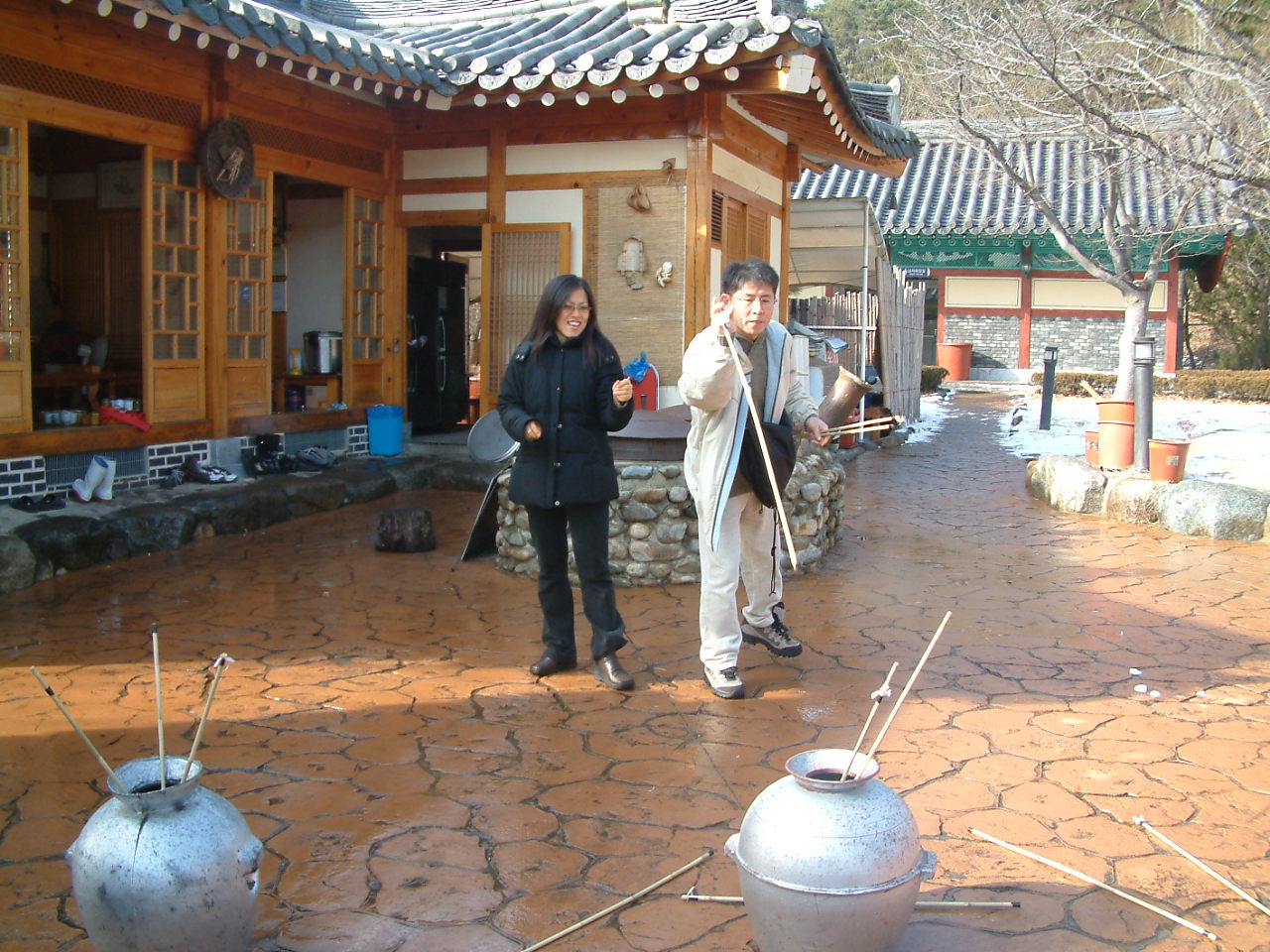
Days Traditional games of Korea is marked
Questions people ask about Traditional games of Korea
When is Traditional games of Korea marked?
Traditional games of Korea is kept as part of Daeboreum, which is on Sunday, 21 February 2027.
What are the traditional games of Korea?
They are the games Koreans have played for generations, among them yutnori, jegichagi, neolttwigi, ssireum, tuho, gonggi, gonu, juldarigi and kite flying. Most use only the hands, feet and simple things such as sticks, stones or paper, and their names and rules differ from one region to another.
Where did these games come from?
From farming life on the Korean peninsula and the folk beliefs that went with it. Rites were held for good harvests and healthy animals, and singing and dancing were part of them. Nearly all of the games fell out of use during the period of Japanese rule.
Does anyone still play them?
Yes. The beliefs behind them have largely faded, but the games are still played, by children and adults, in groups and at festivals. Kite flying is less common than before because of work, and tuho, once kept to royal families and the upper class, is now played by people of all classes.
Are any of these games shared with other countries?
Gonggi is the same game as Gatti in Nepal, and it resembles knucklebones in Western tradition. Ssireum is often compared with Japanese sumo. Gonu is a variety of Pong Hau K'i, and gonggi was also played in many other places.
See also
 JwibulloriA Korean New Year game of whirling fire-cans to clear fields and wish good luck
 YunnoriA Korean board and stick-tossing game played with tokens during the Lunar New Year
 JegichagiA paper shuttlecock kicked and kept in the air, a winter game for Korean children
 GutSacred rites of song, dance, and spirit communion performed by Korean shamans
Good reading and sources
- Traditional Korean wrestling (Ssirum/Ssireum)UNESCO, Heritage listing
- Traditional Korean wrestling (Ssirum/Ssireum)UNESCO, Article
The facts on this page come from the Wikipedia article "Traditional games of Korea", written by its contributors and used under the CC BY-SA 4.0 licence, and from its Wikidata record (CC0). EveryParampara rewrote the text in its own words, with AI assistance, and compares every page with the article to make sure no passage is copied. It may be reused under the same CC BY-SA 4.0 licence with a link back.
It may contain mistakes. Traditions differ from one family, village and community to the next, and the people who keep them know them best. If something is wrong, tell us. Last refreshed 2026-10-09.
More from South Korea
All the traditions of South Korea
🇰🇷 South KoreaJwibullori쥐불놀이
A Korean New Year game of whirling fire-cans to clear fields and wish good luckGame
🇰🇷 South Korea and 1 moreJegichagi제기차기
A paper shuttlecock kicked and kept in the air, a winter game for Korean childrenGame
🇰🇷 Seoul, South KoreaYunnori윷놀이
A Korean board and stick-tossing game played with tokens during the Lunar New YearGame
 🇨🇳 China and 2 moreCuju蹴鞠
An ancient Chinese kicking game played without hands using a stuffed or air-filled ballGame
🇨🇳 China and 2 moreCuju蹴鞠
An ancient Chinese kicking game played without hands using a stuffed or air-filled ballGame
The same idea elsewhere
New Year compared 🇮🇳 Ayodhya, India and 7 moreDiwaliदीपावली (Dīpāvalī)
A five-day festival of lights celebrated across India and its diaspora to mark the victory of light over darkness.Festival · Feasts and festival meals
🇮🇳 Ayodhya, India and 7 moreDiwaliदीपावली (Dīpāvalī)
A five-day festival of lights celebrated across India and its diaspora to mark the victory of light over darkness.Festival · Feasts and festival meals
 🇮🇷 Iran and 7 moreNowruzنوروز
The Iranian new year at the March equinox, kept with fire, greenery and picnicsSeasonal
🇮🇷 Iran and 7 moreNowruzنوروز
The Iranian new year at the March equinox, kept with fire, greenery and picnicsSeasonal
 🇮🇱 Jerusalem, Israel and 1 moreHanukkahחֲנֻכָּה
An eight-day Jewish festival marking the rededication of the Second Temple in Jerusalem and the miracle of a single day'Festival
🇮🇱 Jerusalem, Israel and 1 moreHanukkahחֲנֻכָּה
An eight-day Jewish festival marking the rededication of the Second Temple in Jerusalem and the miracle of a single day'Festival
 🇪🇬 Egypt and 5 moreMawlidمولد (Mawlid)
An annual festival marking the birth of the Prophet Muhammad, marked by poetry, processions and feasts.Festival · Feasts and festival meals
🇪🇬 Egypt and 5 moreMawlidمولد (Mawlid)
An annual festival marking the birth of the Prophet Muhammad, marked by poetry, processions and feasts.Festival · Feasts and festival meals