Music, dance and storytellingLatin America and the Caribbean
Tuk band
A Barbadian musical ensemble with costumed figures that blends African drumming and British military traditions.

The tuk band is a traditional Barbadian musical group that plays a style known as tuk or rukatuk. It features a small percussion section and is accompanied by distinct costumed characters rooted in African heritage. The practice emerged from the fusion of enslaved Africans' drumming skills and British regimental music during the colonial era.
When is Tuk band marked?
Tuk band is kept as part of Crop Over, which is on Monday, 2 August 2027.
The tuk band is a Barbadian musical tradition that combines African rhythmic roots with British military instrumentation. Musicians play drums and wind instruments while costumed figures perform alongside them. These characters represent historical elements of African survival and local culture. The ensemble provides music for major national celebrations and community gatherings across the island.
What it is
A tuk band is a musical ensemble found in Barbados. The group plays tuk music using a double-headed bass drum, a snare drum, a triangle, and a flute. Historically, a fiddle was used, but the pennywhistle has become the standard replacement. The sound is supported by several costumed performers who move to the rhythm. These figures include the Shaggy Bear, the Donkey Man, Mother Sally, and the Stiltman. Each character carries specific cultural meaning related to African history and island life.
Origins and history
The tradition began after British colonization in 1627. Enslaved Africans brought drumming practices to the island. When slave owners banned drum playing to prevent communication and rebellion, musicians adapted their rhythms to mimic British fife and drum corps. This allowed them to continue playing during weekends and holidays. The music fused African drum beats with English folk ballads and religious songs. This blend created the unique Barbadian sound that defines the tuk band today.
How it is kept
Musicians gather to perform at events like Crop Over, the Holetown Festival, Christmas, and New Year. The band accompanies the Landship, a maritime-themed social organization. Costumed figures walk with the musicians through streets and venues. The Shaggy Bear appears frequently on Bank Holidays. Mother Sally entertains crowds with her exaggerated features. The Stiltman walks on stilts to represent overcoming hardship. The Donkey Man recalls past transportation methods. These performances keep the memory of ancestors alive through music and movement.
Meaning and symbolism
The characters embody stories of survival and identity. Shaggy Bear represents an African witch doctor figure. Mother Sally symbolizes female fertility and brings humor to gatherings. The Donkey Man honors local transport history. The Stiltman reflects resilience during difficult times and may reference Mr. Hardin. The music itself stands as a testament to cultural adaptation. Enslaved people transformed forbidden instruments into a new artistic form. The tradition preserves African heritage while acknowledging British colonial influence.
How Tuk band is kept
Musicians play drums, triangles, flutes, and pennywhistles at festivals and holidays. Costumed figures like Shaggy Bear, Mother Sally, and the Stiltman perform alongside them. The band supports the Landship organization during its events. Performances occur during Crop Over, Holetown Festival, Christmas, and New Year celebrations. The group moves through communities, sharing music and storytelling through dance and song.
When and where
The tradition is kept during major island festivals and seasonal holidays. Key events include Crop Over, the Holetown Festival, Christmas, and New Year. The Shaggy Bear and Stiltman also appear on Bank Holidays. The timing aligns with community celebrations and public holidays throughout the year.
The tuk band is a Barbadian tradition. It is strongest in Barbados, where it originated. Similar figures exist in other Caribbean islands like Jamaica, but under different names. The practice is central to Barbadian cultural identity and public festivities.
What Tuk band means
The characters represent African heritage and local history. Shaggy Bear connects to witch doctor figures. Mother Sally highlights fertility and joy. The Donkey Man remembers old transport. The Stiltman shows survival through hard times. The music itself symbolizes resistance and adaptation. Enslaved people changed drum sounds to avoid bans while keeping their culture alive. The tradition honors ancestors and celebrates community resilience.


Days Tuk band is marked
Questions people ask about Tuk band
When is Tuk band marked?
Tuk band is kept as part of Crop Over, which is on Monday, 2 August 2027.
Where is Tuk band kept?
Tuk band belongs to the traditions of Barbados.
Who keeps Tuk band?
As our sources describe it, Tuk band is kept by Bajans. Many other communities and families now share it too.
See also
 KwanzaaA seven-day African American celebration of heritage, family and community valuesCrop OverA Barbadian harvest festival marking the end of the sugar cane season with music and parades.
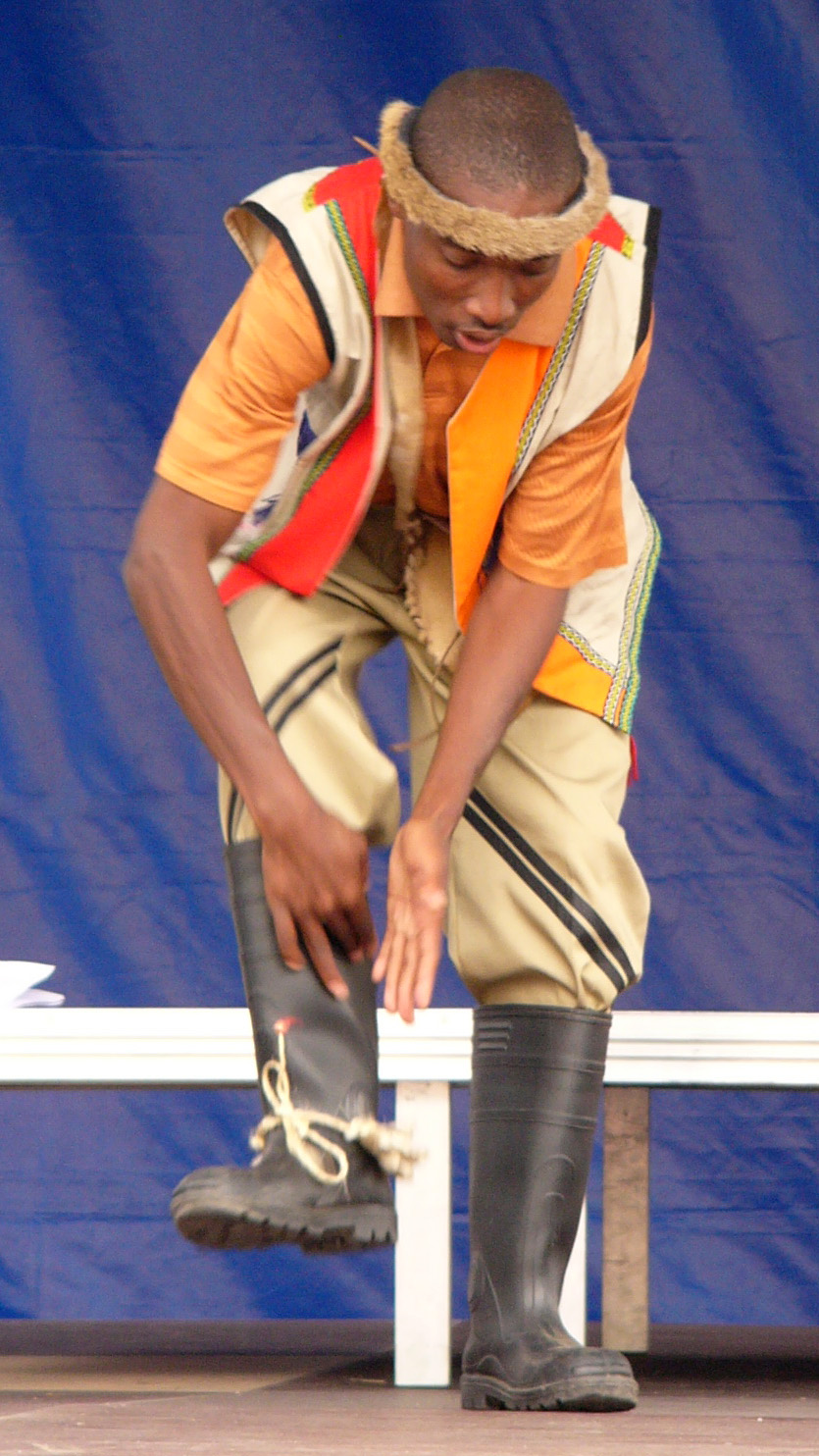 Gumboot danceA percussive South African dance born in the mines, performed in Wellington boots to communicate and celebrate.
 Morris danceA rhythmic English folk dance performed in costume with bells, sticks and handkerchiefs
Good reading and sources
The facts on this page come from the Wikipedia article "Tuk band", written by its contributors and used under the CC BY-SA 4.0 licence, and from its Wikidata record (CC0). EveryParampara rewrote the text in its own words, with AI assistance, and compares every page with the article to make sure no passage is copied. It may be reused under the same CC BY-SA 4.0 licence with a link back.
It may contain mistakes. Traditions differ from one family, village and community to the next, and the people who keep them know them best. If something is wrong, tell us. Last refreshed 2026-10-05.
More from Barbados
All the traditions of Barbados 🇹🇹 Trinidad and Tobago and 5 moreMoko Jumbie
A stilt-walking tradition from the Caribbean that blends African heritage with local carnival celebrations.Performance
🇺🇸 Chicago, United States and 4 moreKwanzaa
A seven-day African American celebration of heritage, family and community valuesFestival · Feasts and festival meals
🇧🇧 BarbadosCrop Over
A Barbadian harvest festival marking the end of the sugar cane season with music and parades.Festival
🇹🇹 Trinidad and Tobago and 5 moreMoko Jumbie
A stilt-walking tradition from the Caribbean that blends African heritage with local carnival celebrations.Performance
🇺🇸 Chicago, United States and 4 moreKwanzaa
A seven-day African American celebration of heritage, family and community valuesFestival · Feasts and festival meals
🇧🇧 BarbadosCrop Over
A Barbadian harvest festival marking the end of the sugar cane season with music and parades.Festival
 🇬🇧 St Andrews, United Kingdom and 7 moreSaint Andrew's DayLà Naomh Anndrais
The feast of Andrew the Apostle, kept on 30 November and Scotland's national daySpiritual
🇬🇧 St Andrews, United Kingdom and 7 moreSaint Andrew's DayLà Naomh Anndrais
The feast of Andrew the Apostle, kept on 30 November and Scotland's national daySpiritual
The same idea elsewhere
All of this kind 🇹🇷 Kayseri, Turkey and 4 moreHalay
A traditional line and circle folk dance kept across Turkey, Azerbaijan, Armenia, Iran, and Syria.Performance
🇹🇷 Kayseri, Turkey and 4 moreHalay
A traditional line and circle folk dance kept across Turkey, Azerbaijan, Armenia, Iran, and Syria.Performance
 🇳🇿 Auckland, New ZealandPoi
A Māori performing art of swinging tethered weights in rhythmical patterns.Performance
🇳🇿 Auckland, New ZealandPoi
A Māori performing art of swinging tethered weights in rhythmical patterns.Performance
 🇺🇦 Kyiv, UkraineBanduraБандура
A Ukrainian plucked string instrument played to accompany epic songs and folk balladsPerformance
🇺🇦 Kyiv, UkraineBanduraБандура
A Ukrainian plucked string instrument played to accompany epic songs and folk balladsPerformance
 🇵🇭 Philippines and 1 morePangalay
A traditional fingernail dance of the Tausūg and Bajau peoples in the Sulu Archipelago and Sabah.Performance
🇵🇭 Philippines and 1 morePangalay
A traditional fingernail dance of the Tausūg and Bajau peoples in the Sulu Archipelago and Sabah.Performance