Festivals and celebrationsEurope
Up Helly Aa
A Shetland fire festival with torch processions and a burning Viking ship to close the winter season.
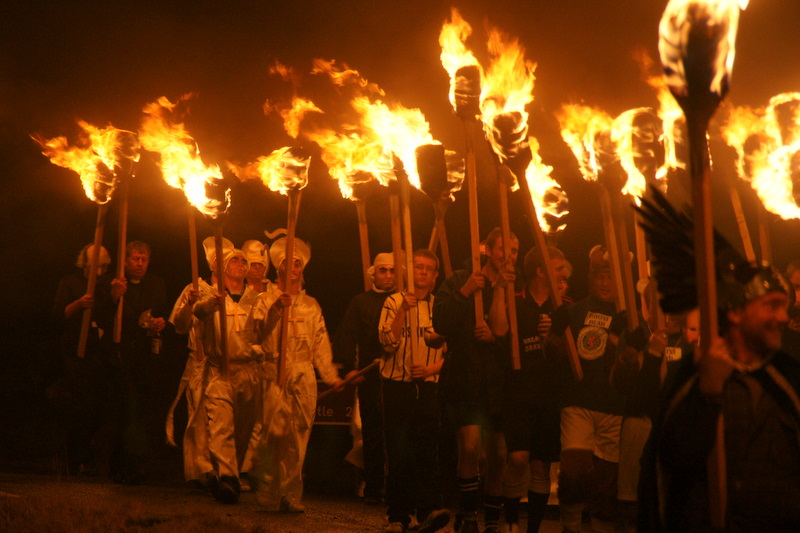
Held across the Shetland Islands in Scotland, this annual event marks the end of the Yule season. Squads of costumed participants march through streets with torches before setting fire to a replica Viking longship. The largest celebration takes place in Lerwick on the last Tuesday of January.
When is Up Helly Aa in 2027?
Up Helly Aa 2027 is on Tuesday, 26 January 2027. Other years: 2026, Tuesday, 27 January 2026; 2028, Tuesday, 25 January 2028.
Up Helly Aa is a fire festival celebrated throughout the Shetland Islands of Scotland. It serves as the traditional conclusion to the local Yule season. Participants dressed as guizers carry torches in a procession that ends with the burning of a model Viking galley. The custom began in the late nineteenth century as a safer alternative to earlier winter mischief.
Origins and history
The modern festival replaced an older practice called tar barrelling. Young men previously dragged burning barrels through towns during Christmas and New Year. This activity often caused public safety concerns and drunkenness. After the Napoleonic Wars, boredom among returning soldiers contributed to the rowdy traditions. Local leaders sought to channel this energy into something more constructive. They drew inspiration from Shetland's Viking heritage. The first torch procession occurred in 1876. The inaugural Up Helly Aa took place in 1881. A replica galley was first burned in 1889. The name derives from Upholiday, meaning Twelfth Day.
How it is kept
Squads of participants known as guizers form the core of the celebration. Each squad wears a costume and carries torches. They march through the streets in an illuminated procession. The event culminates in the burning of a replica Viking longship. In Lerwick, up to one thousand guizers participate. Smaller rural communities hold their own versions with fewer people. After the procession, squads visit local halls for parties. They perform skits, sing, or dance. These performances often parody popular culture or local events. The leader of each squad is called the Jarl.
Modern changes
Participation rules have evolved over time. Historically, only men could join the main Lerwick procession. Women marched in disguise as early as 1901. By 2015, the South Mainland festival appointed a female Jarl. Restrictions on women in Lerwick squads were lifted in 2023. Other changes include banning blackface costumes in 2020. The role of the Jarl requires election to a committee for fifteen years first. Only one person holds this honorary title per year. The festival now occurs at eleven specific locations across the islands.
Meaning and names
The phrase Up Helly Aa translates to 'Up Holy All'. The word up signifies something coming to an end. It originates from the Old Norse term uppi. Helly refers to a holy day or festival period. This likely stems from the Old Norse helgr. The suffix aa means all. Together, the name marks the conclusion of the festive season. The tradition reflects a shift from chaotic winter antics to organized cultural commemoration. It honors the archipelago's historical ties to Norse seafarers while fostering community spirit.
How Up Helly Aa is kept
Guizers dress in costumes and carry torches. They march in a torchlit procession through town streets. The parade ends with the burning of a replica Viking galley. Afterward, squads attend private parties in local halls. They perform acts such as singing, dancing, or skits. The leader of each group is known as the Jarl. The largest gathering happens in Lerwick with many participants. Rural areas hold smaller versions of the event.
When and where
The main festival occurs on the last Tuesday of January. Additional celebrations take place between January and March across various Shetland communities. The date follows the traditional calendar marking the end of the Yule season.
The custom is kept in the Shetland Islands of Scotland. The largest event is held in the capital city of Lerwick. Other locations include Uyeasound, Scalloway, Nesting, Girlsta, Northmavine, Bressay, Cullivoe, Norwick, Waas, and the South Mainland.
What Up Helly Aa means
The festival symbolizes the end of the winter Yule season. It replaces older, potentially dangerous practices like dragging burning tar barrels. The Viking theme connects modern residents to their Norse ancestry. The burning of the galley represents a ceremonial closure of the festive period. It transforms past mischief into structured community entertainment.


Days Up Helly Aa is marked
Up Helly Aa dates: 2026, 2027, 2028
| Year | Up Helly Aa date |
|---|---|
| 2026 | Tuesday, 27 January 2026 |
| 2027 | Tuesday, 26 January 2027 |
| 2028 | Tuesday, 25 January 2028 |
Questions people ask about Up Helly Aa
When is Up Helly Aa in 2027?
Up Helly Aa 2027 is on Tuesday, 26 January 2027. Other years: 2026, Tuesday, 27 January 2026; 2028, Tuesday, 25 January 2028.
What does Up Helly Aa mean?
The name translates to 'Up Holy All'. It marks the end of the Yule season. The words derive from Old Norse roots. Up means ending. Helly refers to a holy day. Aa means all. It signals the conclusion of winter festivities.
Where is Up Helly Aa celebrated?
It is celebrated across the Shetland Islands in Scotland. The largest festival is in Lerwick. Other towns like Uyeasound and Scalloway also host their own versions.
Who participates in the procession?
Costumed participants called guizers take part. They march with torches and burn a replica Viking ship. The leader is known as the Jarl. Historically men dominated, but women can now join fully.
See also
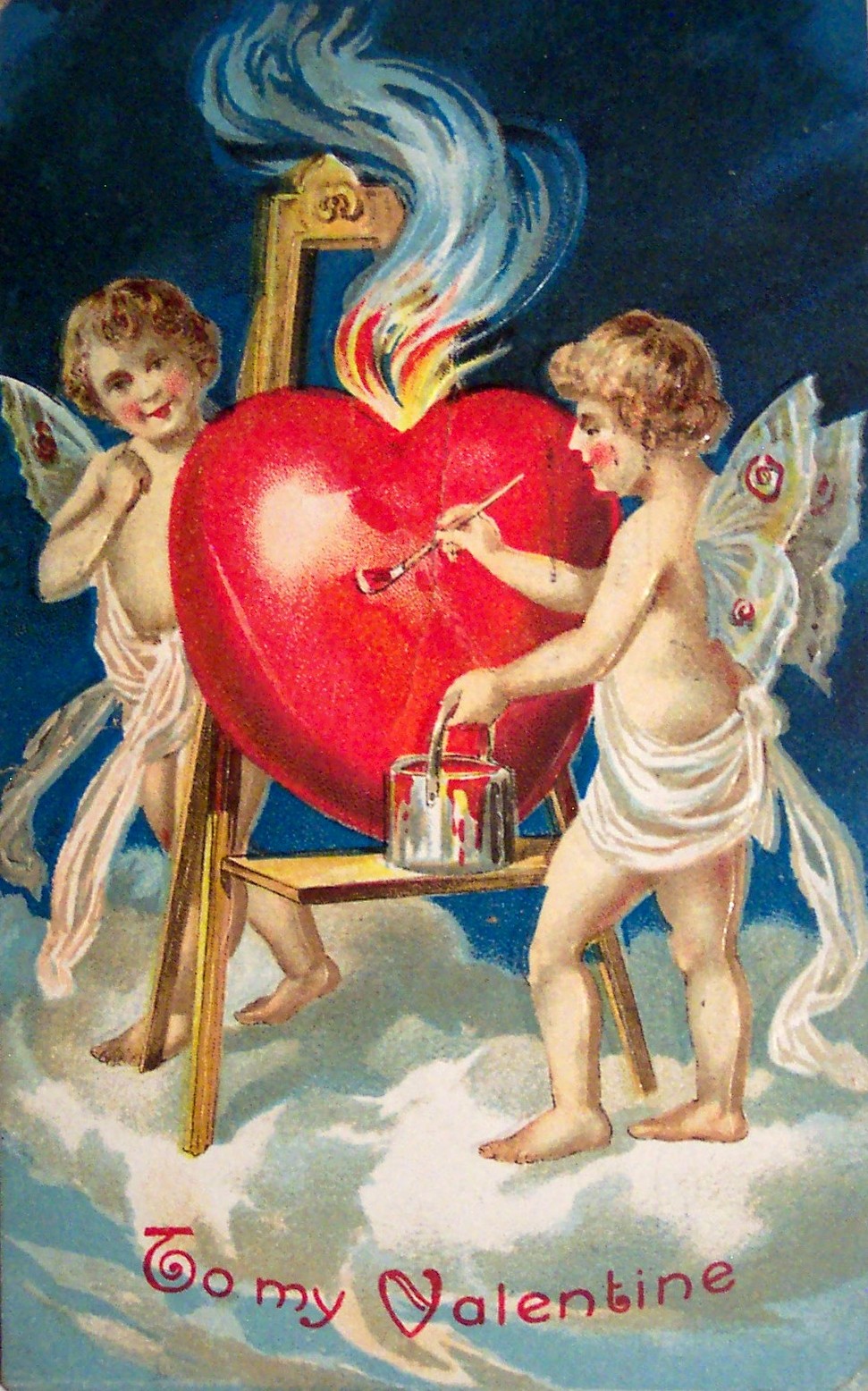 Valentine's DayA Christian feast day and cultural celebration of love kept on February 14 in many countries.
 Glastonbury FestivalA five-day summer performing arts festival held on Somerset farmland
 April Fools' DayAn annual day of lighthearted pranks, hoaxes and teasing kept on the first of April
 National Eisteddfod of WalesAn annual week-long festival of Welsh music, poetry and culture held across different locations in Wales.
Good reading and sources
- Encyclopaedia BritannicaArticle
- Blackface 'will not be tolerated' at Up Helly Aa festivalBBC, Article
- Up Helly Aa: The songwriter who introduced Vikings to Shetland's fire festivalBBC, Article
- Blackface 'will not be tolerated' at Up Helly Aa festivalBBC, Article
- Up Helly Aa: The songwriter who introduced Vikings to Shetland's fire festivalBBC, Article
- Up Helly Aa on WikipediaEncyclopedia
- More photos on Wikimedia CommonsPhotos and video
- Wikidata recordOpen data
The facts on this page come from the Wikipedia article "Up Helly Aa", written by its contributors and used under the CC BY-SA 4.0 licence, and from its Wikidata record (CC0). EveryParampara rewrote the text in its own words, with AI assistance, and compares every page with the article to make sure no passage is copied. It may be reused under the same CC BY-SA 4.0 licence with a link back.
It may contain mistakes. Traditions differ from one family, village and community to the next, and the people who keep them know them best. If something is wrong, tell us. Last refreshed 2026-10-05.
More from the United Kingdom
All the traditions of the United Kingdom 🇮🇹 Rome, Italy and 4 moreChristmas
A festival of Jesus's birth, kept on 25 December with gifts, lights and shared mealsFestival
🇬🇧 United Kingdom and 4 moreValentine's Day
A Christian feast day and cultural celebration of love kept on February 14 in many countries.Festival
🇮🇹 Rome, Italy and 4 moreChristmas
A festival of Jesus's birth, kept on 25 December with gifts, lights and shared mealsFestival
🇬🇧 United Kingdom and 4 moreValentine's Day
A Christian feast day and cultural celebration of love kept on February 14 in many countries.Festival
 🇮🇪 Ireland and 4 moreTrick-or-treating
A custom where children visit homes in costume to ask for treats or face a playful prank.Festival · Sweets given and shared
🇮🇪 Ireland and 4 moreTrick-or-treating
A custom where children visit homes in costume to ask for treats or face a playful prank.Festival · Sweets given and shared
 🇫🇷 France and 4 morePicnic
A meal taken outdoors in a park or scenic spot, often shared with friends and family.Festival · Lunch
🇫🇷 France and 4 morePicnic
A meal taken outdoors in a park or scenic spot, often shared with friends and family.Festival · Lunch
The same idea elsewhere
All of this kind 🇹🇷 Turkey and 5 moreEid al-Fitrعيد الفطر
The feast that ends Ramadan, opened with morning prayers, sweets and visits homeFestival · Feasts and festival meals
🇹🇷 Turkey and 5 moreEid al-Fitrعيد الفطر
The feast that ends Ramadan, opened with morning prayers, sweets and visits homeFestival · Feasts and festival meals
 🇮🇳 Ayodhya, India and 7 moreDiwaliदीपावली (Dīpāvalī)
A five-day festival of lights celebrated across India and its diaspora to mark the victory of light over darkness.Festival · Feasts and festival meals
🇮🇳 Ayodhya, India and 7 moreDiwaliदीपावली (Dīpāvalī)
A five-day festival of lights celebrated across India and its diaspora to mark the victory of light over darkness.Festival · Feasts and festival meals
 🇮🇱 Jerusalem, Israel and 1 moreHanukkahחֲנֻכָּה
An eight-day Jewish festival marking the rededication of the Second Temple in Jerusalem and the miracle of a single day'Festival
🇮🇱 Jerusalem, Israel and 1 moreHanukkahחֲנֻכָּה
An eight-day Jewish festival marking the rededication of the Second Temple in Jerusalem and the miracle of a single day'Festival
 🇪🇬 Egypt and 5 moreMawlidمولد (Mawlid)
An annual festival marking the birth of the Prophet Muhammad, marked by poetry, processions and feasts.Festival · Feasts and festival meals
🇪🇬 Egypt and 5 moreMawlidمولد (Mawlid)
An annual festival marking the birth of the Prophet Muhammad, marked by poetry, processions and feasts.Festival · Feasts and festival meals