Festivals and celebrationsEuropeSecular and civic
Glastonbury Festival
A five-day summer performing arts festival held on Somerset farmland

Glastonbury Festival is a five-day gathering of contemporary music and performing arts held on farmland near Pilton in Somerset, England. Running across most summers, it draws hundreds of thousands of people for live bands, circus, comedy, dance, and countercultural arts.
When is Glastonbury Festival kept?
Glastonbury Festival is kept on annually across five days in summer, with periodic fallow breaks.
Glastonbury Festival is a five-day British celebration of music and performing arts held near the village of Pilton in Somerset. Originating in 1970 from the free festival and counterculture movements, it brings together hundreds of thousands of visitors. People gather to camp on farmland, watch headline musical acts on outdoor stages, and experience circus, theatre, cabaret, and alternative community areas.
Origins and early gatherings
Dairy farmer Michael Eavis founded the event in 1970 after attending an open-air concert at the Bath Festival. Initially called the Pilton Festival, the first gathering attracted 1,500 people with £1 tickets and performances by acts like T. Rex. In 1971, the event became the Glastonbury Fair, introducing the first Pyramid Stage, a metal structure modelled on the Great Pyramid of Giza. Organised with help from Arabella Churchill and Andrew Kerr, this edition celebrated music, poetry, theatre, and spontaneous entertainment. Following another benefit gathering in 1979 for the Year of the Child, the festival settled into an annual routine by the 1980s.
Stages and festival grounds
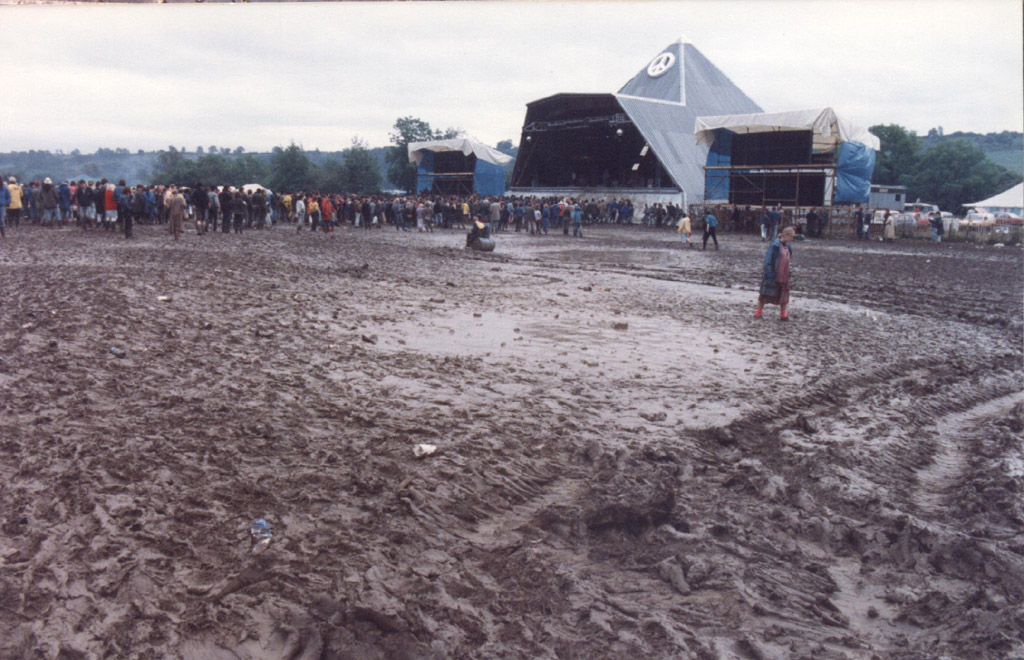
The event occupies around 1,500 acres across Worthy Farm and neighbouring land. Its focal point is the Pyramid Stage, rebuilt several times since 1971, including an early 1980s version that doubled as a farm hay barn in winter. Other distinct quarters developed across the site, including The Left Field, The Glade, and the Green Fields. The Green Fields retain links to alternative traditions through spaces such as the Stone Circle, Healing Field, and Green Futures. In the 1990s, the emergence of unofficial sound systems and landmark electronic sets led to dedicated spaces for dance music.
Volunteering and charitable causes
Charitable fundraising has shaped the festival since the early 1980s, when profits were first shared with the Campaign for Nuclear Disarmament. Over the decades, support expanded to non-profit groups including Oxfam, Greenpeace, and WaterAid. Thousands of festival staff work as unpaid volunteers, often contributing their time in exchange for admission tickets. The money raised from ticket sales supports international aid and environmental campaigns. To give the farmland, organisers, and local community time to rest, the festival occasionally takes a fallow year, usually once every five years.
Artistic variety and atmosphere
While renowned for headline pop and rock acts, the event covers a wide range of contemporary performance. Visitors encounter comedy, cabaret, circus shows, poetry readings, and street theatre across numerous small venues. Crowds navigate vast tent fields, outdoor sound systems, and changing weather that can turn the dairy pastures into deep mud. The festival has also been widely broadcast on television and recorded on live albums, sharing performances from bands such as Radiohead, Orbital, and Pulp with audiences far beyond the farm fence.
How Glastonbury Festival is kept
Over five summer days, visitors set up tents across Somerset fields to attend continuous performances across dozens of stages. Days and nights involve moving between major rock concerts, electronic sound systems, circus tents, and theatre acts. Attendees explore green craft areas, rest near the Stone Circle, and engage with campaigns run by volunteer charities, navigating muddy paths or dry pastures until the final night headliners finish.
When and where
The festival takes place over five days in the summer. Organisers generally hold the event every year, but schedule periodic fallow years, typically every five years, to let the farmland and local area recover.
The festival is held on 1,500 acres of working agricultural land, centered on Worthy Farm and Cockmill Farm near the village of Pilton in Somerset, south-west England.
What Glastonbury Festival means
The festival draws on the ideals of the 1960s counterculture and the British free festival movement. Its ethos combines large-scale public celebration with social activism, environmental awareness, and mutual support. Spaces such as the Green Fields, Healing Field, and Stone Circle represent alternative ways of living, while partnerships with humanitarian charities give the collective gathering a focus on global solidarity.



Questions people ask about Glastonbury Festival
When is Glastonbury Festival kept?
Glastonbury Festival is kept on annually across five days in summer, with periodic fallow breaks.
What is Glastonbury Festival?
It is a major five-day British performing arts festival. It features contemporary music, theatre, comedy, circus, dance, and cabaret across numerous outdoor stages and tents.
Where does the festival take place?
The festival is hosted on Worthy Farm and surrounding farmland near the village of Pilton in Somerset, England.
Why does the festival take fallow years?
Organisers take periodic breaks, roughly every five years, to give the dairy farmland, local village, and event team time to recover.
See also
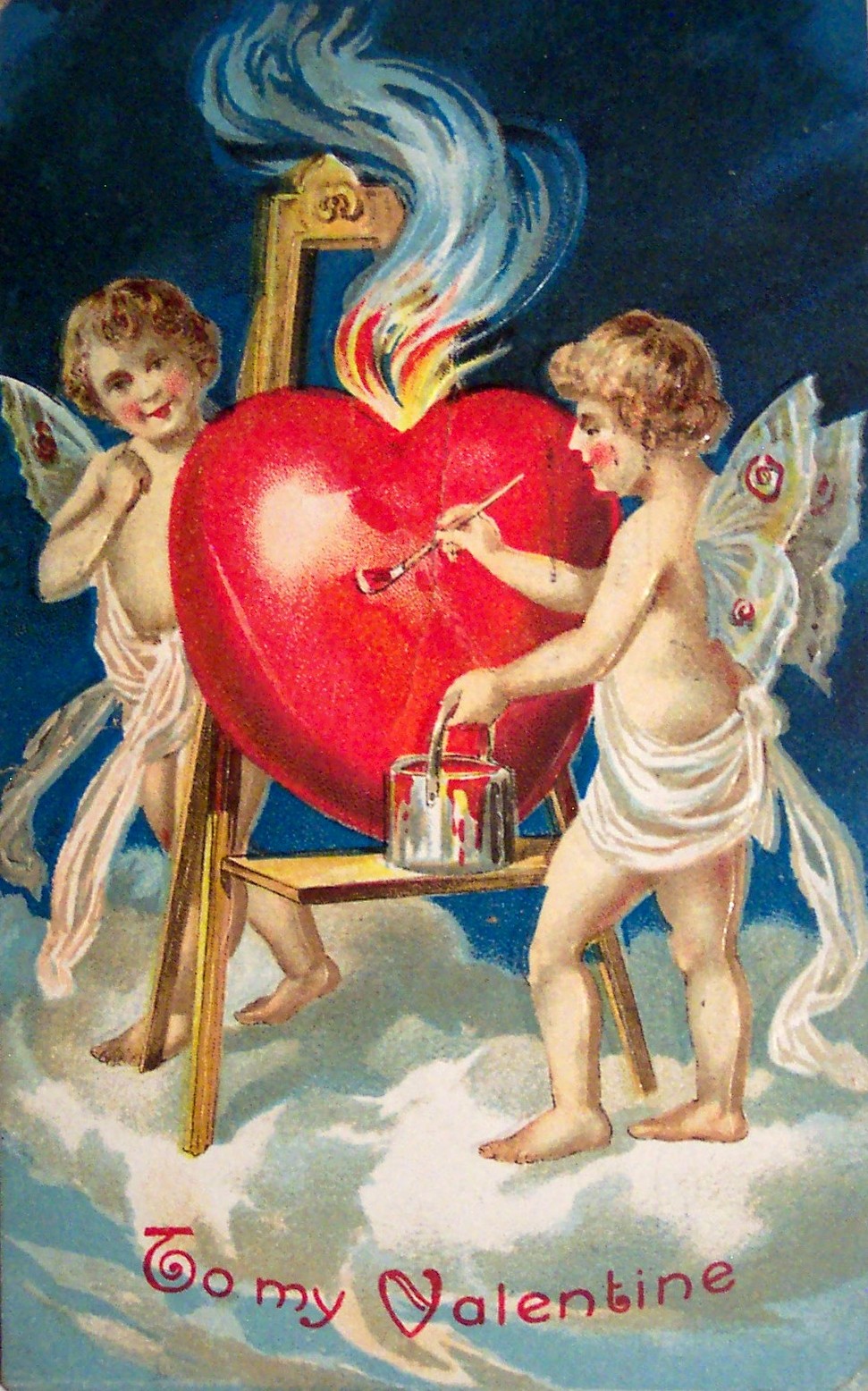 Valentine's DayA Christian feast day and cultural celebration of love kept on February 14 in many countries.
 Christmas marketA seasonal street market held during Advent in German-speaking regions and beyond, featuring stalls, food, and crafts.
 ImbolcA Gaelic festival heralding spring and honoring Saint Brigid with woven rush crosses
 Boxing DayA public holiday on 26 December in Commonwealth nations for gifts and shopping.
Good reading and sources
- Encyclopaedia BritannicaArticle
- Glastonbury Festival: 50 years of memoriesBBC, Article
- Glastonbury 'was due to close' in the 90s and may take fallow year in 2026BBC, Article
- Glastonbury Festival: 50 years of memoriesBBC, Article
- Glastonbury 'was due to close' in the 90s and may take fallow year in 2026BBC, Article
- Glastonbury Festival on WikipediaEncyclopedia
- More photos on Wikimedia CommonsPhotos and video
- Wikidata recordOpen data
The facts on this page come from the Wikipedia article "Glastonbury Festival", written by its contributors and used under the CC BY-SA 4.0 licence, and from its Wikidata record (CC0). EveryParampara rewrote the text in its own words, with AI assistance, and compares every page with the article to make sure no passage is copied. It may be reused under the same CC BY-SA 4.0 licence with a link back.
It may contain mistakes. Traditions differ from one family, village and community to the next, and the people who keep them know them best. If something is wrong, tell us. Last refreshed 2026-10-04.
More from the United Kingdom
All the traditions of the United Kingdom 🇮🇹 Rome, Italy and 4 moreChristmas
A festival of Jesus's birth, kept on 25 December with gifts, lights and shared mealsFestival
🇮🇹 Rome, Italy and 4 moreValentine's Day
A Christian feast day and cultural celebration of love kept on February 14 in many countries.Festival
🇮🇹 Rome, Italy and 4 moreChristmas
A festival of Jesus's birth, kept on 25 December with gifts, lights and shared mealsFestival
🇮🇹 Rome, Italy and 4 moreValentine's Day
A Christian feast day and cultural celebration of love kept on February 14 in many countries.Festival
 🇮🇪 Ireland and 4 moreTrick-or-treating
A custom where children visit homes in costume to ask for treats or face a playful prank.Festival · Sweets given and shared
🇮🇪 Ireland and 4 moreTrick-or-treating
A custom where children visit homes in costume to ask for treats or face a playful prank.Festival · Sweets given and shared
 🇫🇷 France and 4 morePicnic
A meal taken outdoors in a park or scenic spot, often shared with friends and family.Festival · Lunch
🇫🇷 France and 4 morePicnic
A meal taken outdoors in a park or scenic spot, often shared with friends and family.Festival · Lunch
The same idea elsewhere
All of this kind 🇹🇷 Turkey and 5 moreEid al-Fitrعيد الفطر
The feast that ends Ramadan, opened with morning prayers, sweets and visits homeFestival · Feasts and festival meals
🇹🇷 Turkey and 5 moreEid al-Fitrعيد الفطر
The feast that ends Ramadan, opened with morning prayers, sweets and visits homeFestival · Feasts and festival meals
 🇮🇳 Ayodhya, India and 7 moreDiwaliदीपावली (Dīpāvalī)
A five-day festival of lights celebrated across India and its diaspora to mark the victory of light over darkness.Festival · Feasts and festival meals
🇮🇳 Ayodhya, India and 7 moreDiwaliदीपावली (Dīpāvalī)
A five-day festival of lights celebrated across India and its diaspora to mark the victory of light over darkness.Festival · Feasts and festival meals
 🇮🇱 Jerusalem, Israel and 1 moreHanukkahחֲנֻכָּה
An eight-day Jewish festival marking the rededication of the Second Temple in Jerusalem and the miracle of a single day'Festival
🇮🇱 Jerusalem, Israel and 1 moreHanukkahחֲנֻכָּה
An eight-day Jewish festival marking the rededication of the Second Temple in Jerusalem and the miracle of a single day'Festival
 🇪🇬 Egypt and 5 moreMawlidمولد (Mawlid)
An annual festival marking the birth of the Prophet Muhammad, marked by poetry, processions and feasts.Festival · Feasts and festival meals
🇪🇬 Egypt and 5 moreMawlidمولد (Mawlid)
An annual festival marking the birth of the Prophet Muhammad, marked by poetry, processions and feasts.Festival · Feasts and festival meals