Greetings, manners and hospitalityEuropeSecular and civic
Viennese coffee house culture
In its own language: Wiener Kaffeehauskultur
A Viennese social ritual where patrons linger for hours with a single coffee and newspapers.

The Viennese coffee house is a cherished social institution in Vienna, Austria. It is recognized as an Intangible Cultural Heritage by UNESCO. Patrons sit for long periods, reading newspapers and enjoying pastries while staff provide attentive service.
When is Viennese coffee house culture kept?
Viennese coffee house culture is kept on daily throughout the year.
This tradition centers on the unique social atmosphere of cafés in Vienna. People spend hours sitting at marble tables, drinking coffee and reading international press. The practice emphasizes leisurely conversation and intellectual exchange, creating a democratic space for locals and visitors alike.
Social atmosphere and etiquette
Patrons typically order one beverage and remain seated for extended periods. Waitstaff provide exceptional service, often bringing a glass of tap water without being asked. This gesture ensures guests stay hydrated during their long stays. The environment features historicist decor, including Thonet chairs and newspaper stands. Customers enjoy a wide selection of pastries and occasional light meals. Piano music may play in the evenings, adding to the refined ambiance.
Origins and early history
Legend attributes the first café to Jerzy Franciszek Kulczycki after the 1683 siege. He supposedly added milk and sugar to coffee beans found in Turkish sacks. Modern research suggests Johannes Theodat opened the first establishment in 1685. Early menus lacked specific drink names; customers chose blends from color charts. By 1700, Greek-owned cafés held privileges to serve coffee. The tradition quickly gained popularity among Viennese citizens.
Literary golden age
During the late nineteenth and early twentieth centuries, these venues became hubs for intellectuals. Writers, artists, and politicians gathered to discuss ideas and compose works. Notable figures like Stefan Zweig and Karl Kraus frequented these spaces. Some authors even had their mail delivered directly to their favorite cafés. The cosmopolitan air was fueled by access to diverse international newspapers. This era defined the café as a center for cultural production and debate.
Modern preservation and spread
World War I and subsequent political upheavals disrupted the traditional base. Many classic establishments closed due to changing economic conditions and television's rise. However, renewed interest has preserved many historic venues in Vienna. Similar traditions survive in cities like Trieste, where locals maintain the lifestyle. Contemporary cafés now reinterpret these customs for modern audiences. The culture remains a vital part of Viennese identity and tourism.
How Viennese coffee house culture is kept
People gather daily to sit at marble tables and read newspapers. They order coffee and pastries, staying for hours. Staff provide attentive service, including unrequested water refills. The setting encourages conversation, writing, or solitary reflection. Historic interiors with period furniture are maintained. Literary events and piano music enhance the experience. Patrons value the freedom to linger without pressure to leave.
When and where
It occurs every day of the year. There is no specific festival date. The tradition is a daily routine for many residents.
It is strongest in Vienna, Austria. Historic cafés are located throughout the city center. Similar traditions exist in Trieste and other former Austro-Hungarian cities. The culture is deeply rooted in Viennese urban life.
What Viennese coffee house culture means
The café represents a democratic space open to all who can afford a drink. It symbolizes leisure, intellectual freedom, and social equality. The act of lingering reflects a value placed on time and conversation. It serves as a communal living room for the city's residents.


Questions people ask about Viennese coffee house culture
When is Viennese coffee house culture kept?
Viennese coffee house culture is kept on daily throughout the year.
What is the Viennese coffee house culture?
It is a social tradition in Vienna where people spend hours in cafés. Patrons drink coffee, read newspapers, and converse. The atmosphere is relaxed and service is attentive.
Where is this tradition kept?
It is primarily practiced in Vienna, Austria. Some similar customs exist in Trieste and other former imperial cities.
Why do people linger so long?
Customers pay for one drink but can stay for hours. The culture values leisure and intellectual exchange over quick turnover.
See also
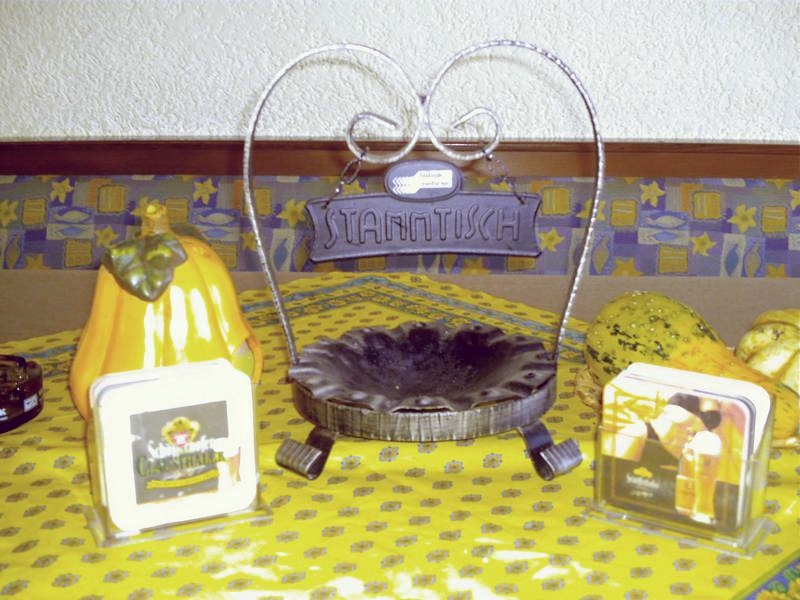 StammtischA weekly gathering of regulars at a reserved table in a pub or restaurant for conversation and community.
 Christmas marketA seasonal street market held during Advent in German-speaking regions and beyond, featuring stalls, food, and crafts.As-salamu alaykumA traditional Arabic greeting of peace exchanged in daily life and prayer
 HandshakeA brief clasp of hands to greet, part or seal a deal, with local rules on how it is done
Good reading and sources
- Viennese coffee house culture on WikipediaEncyclopedia
- More photos on Wikimedia CommonsPhotos and video
- Wikidata recordOpen data
The facts on this page come from the Wikipedia article "Viennese coffee house culture", written by its contributors and used under the CC BY-SA 4.0 licence, and from its Wikidata record (CC0). EveryParampara rewrote the text in its own words, with AI assistance, and compares every page with the article to make sure no passage is copied. It may be reused under the same CC BY-SA 4.0 licence with a link back.
It may contain mistakes. Traditions differ from one family, village and community to the next, and the people who keep them know them best. If something is wrong, tell us. Last refreshed 2026-10-05.
More from Austria
All the traditions of Austria
🇩🇪 Germany and 2 moreStammtisch
A weekly gathering of regulars at a reserved table in a pub or restaurant for conversation and community.Etiquette
🇩🇪 Nuremberg, Germany and 5 moreChristmas marketWeihnachtsmarkt
A seasonal street market held during Advent in German-speaking regions and beyond, featuring stalls, food, and crafts.Festival · Tea, coffee and drinking ceremonies
 🇹🇷 Turkey and 5 moreCoffee culture
The habits and etiquette of drinking coffee, and the cafés built around itTable custom · Tea, coffee and drinking ceremonies
🇹🇷 Turkey and 5 moreCoffee culture
The habits and etiquette of drinking coffee, and the cafés built around itTable custom · Tea, coffee and drinking ceremonies
 🇪🇸 Valencia, Spain and 5 moreFeast of Corpus ChristiCorpus Domini
A Christian feast celebrating the presence of Christ in the bread and wine of the EucharistSpiritual
🇪🇸 Valencia, Spain and 5 moreFeast of Corpus ChristiCorpus Domini
A Christian feast celebrating the presence of Christ in the bread and wine of the EucharistSpiritual
The same idea elsewhere
Hospitality and welcome compared 🇹🇷 Turkey and 5 moreEid al-Fitrعيد الفطر
The feast that ends Ramadan, opened with morning prayers, sweets and visits homeFestival · Feasts and festival meals
🇧🇩 Bangladesh and 3 moreAs-salamu alaykumسَلَامٌ عَلَيْكُمْ
A traditional Arabic greeting of peace exchanged in daily life and prayerEtiquette
🇹🇷 Turkey and 5 moreEid al-Fitrعيد الفطر
The feast that ends Ramadan, opened with morning prayers, sweets and visits homeFestival · Feasts and festival meals
🇧🇩 Bangladesh and 3 moreAs-salamu alaykumسَلَامٌ عَلَيْكُمْ
A traditional Arabic greeting of peace exchanged in daily life and prayerEtiquette
 🇮🇱 Jerusalem, IsraelSukkotסוכות
A seven-day autumn Jewish festival of temporary booths, harvest prayers and hospitalitySpiritual
🇮🇱 Jerusalem, IsraelSukkotסוכות
A seven-day autumn Jewish festival of temporary booths, harvest prayers and hospitalitySpiritual
 🇮🇱 Jerusalem, Israel and 1 morePurimפּוּרִים
A lively Jewish festival of storytelling, shared food, masks and charityFestival · Feasts and festival meals
🇮🇱 Jerusalem, Israel and 1 morePurimפּוּרִים
A lively Jewish festival of storytelling, shared food, masks and charityFestival · Feasts and festival meals