Customs of food and drinkMiddle EastMuslimSecular and civic
Coffee culture
The habits and etiquette of drinking coffee, and the cafés built around it

The traditions and manners that grew up around coffee: how it is served, where people sit to drink it, and who they sit with. Coffeehouses took shape in Ottoman Turkey in the 1500s, spread through Europe, and today shape daily life from Albania to Japan.
When is Coffee culture kept?
Coffee culture is kept every day, usually in the morning, after meals and on work or school breaks.
Coffee culture is the everyday set of habits, manners and settings that surround coffee drinking. It covers the espresso drunk standing at a bar in Trieste, the long conversation at a Viennese coffee house, and the paper cup carried down a North American street. People keep it because the drink gives shape to the day, and because a café is somewhere to meet, argue, work or simply sit.
What it is
Coffee culture means the traditions and the etiquette that have grown up around coffee, and it also names the way the drink spread and became a daily stimulant in much of the world. From the late 1900s, espresso took a larger share of that culture, first in the West and in big cities elsewhere. In the 2000s came mobile coffee carts and short-lived espresso bars, serving specialty drinks at markets, festivals and shops. Today a modern coffeehouse may offer slow, careful service, less common brewing methods, and rooms designed to be looked at as much as used.
Origins and history
Coffee grew first in Ethiopia. Knowledge of the tree and of drinking its brew appears in the late 1400s. Muhammad ibn Sa'id al-Dhabhani, a Sufi shaykh and the Mufti of Aden, brought goods from Ethiopia into Yemen, and Yemeni Sufis drank coffee to keep their minds steady while repeating God's name. The plant was known in Mecca by 1414. In the early 1500s it reached Mamluk Egypt and North Africa through the Yemeni port of Mokha. Conservative imams in the Ottoman lands tried to forbid it, but a fatwa from the Grand Mufti Ebussuud Efendi lifted the ban. Coffee then travelled through the Arabian Peninsula, the Levant and Persia, and later to Italy and the rest of Europe.
The coffeehouse
A coffeehouse, or café, is a place whose main business is serving coffee and other drinks. In Europe these rooms have long been important meeting places, and they still are. Mecca banned its coffeehouses for a time in the 1500s, fearing they might stir political trouble. In London, the first such house opened in St Michael's Alley, Cornhill, run by Pasqua Rosée, who served Daniel Edwards, a dealer in Turkish goods. By 1675 England had more than 3,000 of them, and in the late 1600s and 1700s they drew writers, artists and merchants.
Around the world
Albania overtook Spain in 2016 as the country with the most coffeehouses per head, at 654 for every 100,000 people in a nation of 2.5 million. Shanghai alone counts about 6,500, from small chains to large firms such as Starbucks. Seoul saw the number of shops rise by 900 per cent between 2006 and 2011, with sales up 1,800 per cent, and holds a coffee expo that draws buyers and sellers. Turkish coffee still rules in Turkey, the eastern Mediterranean and south-eastern Europe. In the United States, the largest market by volume, coffee shops serve as meeting and dating places.
Today and change
Espresso shops and stands now sit within a short walk of each other, sometimes on opposite corners of one street. Business writing uses the phrase coffee culture to describe how deeply these outlets have entered the market. Patterns differ from country to country, city to city. In North America, coffee is less of a thing to sit over: many people take it away, in cups of up to 24 ounces, where elsewhere 2 to 8 ounces is the norm. Per person, northern and western Europe drink the most, with Finland usually first at about 12 kg a year.
How Coffee culture is kept
Coffee follows the shape of a day. It is made at home in the morning, bought at a counter or from a server, and drunk standing at a bar, at a desk or at a table. In a café, guests order, sit, talk or read, and often stay far longer than the drink lasts; free newspapers were once part of the furniture in Vienna. In northern Europe, a host or hostess holds a coffee party and sets out cake and pastries, sometimes baked at home. In Germany and Sweden a plain cup often arrives after lunch or dinner, and cafés there sometimes refill it at no charge when a pastry is bought.
When and where
There is no single date. Coffee is drunk every day: at home in the morning, at work or school during breaks, and often at the end of lunch or dinner. Cafés keep their own hours, and a coffee party is held whenever a host chooses.
Coffee is consumed nearly everywhere. Sitting in a café is strongest in Italy, Austria, Albania, Turkey and parts of East Asia, while northern and western Europe drink the most per person. The United States is the largest market by volume.
What Coffee culture means
Scholars argue about what the early coffeehouse did. Many of them describe it as a stage for social ritual, a place where rank could be reworked and the accepted order questioned, sometimes more important than the drink itself. For the Yemeni Sufis who first used it, coffee had a plain purpose: it helped them stay awake while chanting the name of God. In Vienna, newspapers left out for every guest made the coffee house a shared window on the world. Today it carries a quieter meaning: a pause, and a welcome.


Questions people ask about Coffee culture
When is Coffee culture kept?
Coffee culture is kept every day, usually in the morning, after meals and on work or school breaks.
What is coffee culture?
It is the set of habits, manners and places that gather around coffee drinking. That includes how the drink is served, who you drink it with, where you sit, and how long you stay. Coffeehouses are its main home.
Where did coffee culture begin?
The earliest coffee is traced to Ethiopia, and the drink was known in Yemen by the late 15th century, where Sufis used it to stay awake during prayer. Coffeehouse life as we know it took shape in 16th-century Ottoman Turkey.
Where is café life strongest?
Albania has the most coffeehouses per person, 654 for every 100,000 residents according to a 2016 count. Shanghai has an estimated 6,500. Vienna's coffee houses and Trieste's coffee trade are long-standing centres, and Seoul's café scene has grown fast.
Why is coffee drunk socially?
A coffeehouse gives people a neutral place to meet. In London in the late 1600s they hosted writers, artists and merchants; in Vienna, newspapers were free for every guest. Today shops are used for business meetings and dates as well as for quiet reading.
See also
 Caffè sospesoAn anonymous gift of a paid cup of coffee for a stranger in need
 SamovarA heated urn that brews tea for a slow, sociable pour, from Russia to Iran and Kashmir
 CaffèItaly's daily coffee habit: espresso taken standing at the bar, and moka coffee at home
 Armudu tea glassA pear-shaped glass used in Azerbaijan to serve and drink black tea.
Good reading and sources
- Is this the sweet secret to Swedish success?BBC, Article
- Is this the sweet secret to Swedish success?BBC, Article
The facts on this page come from the Wikipedia article "Coffee culture", written by its contributors and used under the CC BY-SA 4.0 licence, and from its Wikidata record (CC0). EveryParampara rewrote the text in its own words, with AI assistance, and compares every page with the article to make sure no passage is copied. It may be reused under the same CC BY-SA 4.0 licence with a link back.
It may contain mistakes. Traditions differ from one family, village and community to the next, and the people who keep them know them best. If something is wrong, tell us. Last refreshed 2026-10-05.
More from Turkey
All the traditions of Turkey
🇦🇿 Azerbaijan and 1 moreArmudu tea glassArmudu stəkan
A pear-shaped glass used in Azerbaijan to serve and drink black tea.Table custom · Tea, coffee and drinking ceremonies
🇷🇺 Tula, Russia and 3 moreSamovarсамовар
A heated urn that brews tea for a slow, sociable pour, from Russia to Iran and KashmirTable custom · Tea, coffee and drinking ceremonies
🇮🇹 Naples, Italy and 5 moreCaffè sospeso
An anonymous gift of a paid cup of coffee for a stranger in needTable custom · Tea, coffee and drinking ceremonies
 🇾🇪 Mokha, Yemen and 7 moreArabic coffeeqahwa (Arabic: قهوة)
A bitter, spiced brew served as a gesture of hospitality across the Arab world.Table custom · Tea, coffee and drinking ceremonies
🇾🇪 Mokha, Yemen and 7 moreArabic coffeeqahwa (Arabic: قهوة)
A bitter, spiced brew served as a gesture of hospitality across the Arab world.Table custom · Tea, coffee and drinking ceremonies
The same idea elsewhere
Tea, coffee and the drinking ceremony compared 🇨🇳 Chaozhou, China and 1 moreGongfu tea工夫茶
A skilled Chinese method of brewing tea in small teaware with precise heat and timingTable custom · Tea, coffee and drinking ceremonies
🇮🇹 Naples, ItalyCaffè
Italy's daily coffee habit: espresso taken standing at the bar, and moka coffee at homeTable custom · Tea, coffee and drinking ceremonies
🇨🇳 Chaozhou, China and 1 moreGongfu tea工夫茶
A skilled Chinese method of brewing tea in small teaware with precise heat and timingTable custom · Tea, coffee and drinking ceremonies
🇮🇹 Naples, ItalyCaffè
Italy's daily coffee habit: espresso taken standing at the bar, and moka coffee at homeTable custom · Tea, coffee and drinking ceremonies
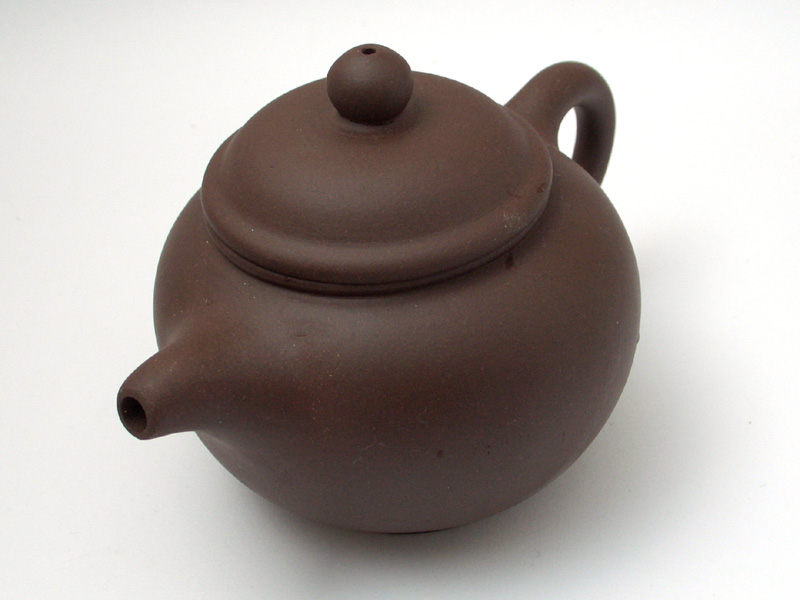 🇨🇳 Yixing, ChinaYixing clay teapot紫砂
Handcrafted Chinese purple clay teapots that season with every brewCraft · Tea, coffee and drinking ceremonies
🇨🇳 Yixing, ChinaYixing clay teapot紫砂
Handcrafted Chinese purple clay teapots that season with every brewCraft · Tea, coffee and drinking ceremonies