Spiritual and religiousEuropeChristian
World Day of Peace
A yearly Catholic observance on 1 January dedicated to universal peace and social teaching.
The Catholic Church marks this day each year on 1 January. It calls for global harmony and serves as a platform for papal statements on justice and human rights. The practice began in the late 1960s under Pope Paul VI.
When is World Day of Peace kept?
World Day of Peace is kept every year on 1 January.
This annual observance falls on 1 January within the Catholic tradition. It focuses on the pursuit of universal peace and highlights key social doctrines. Popes use this specific day to release important messages regarding global affairs and ethical responsibilities for the coming year.
Origins and history
Pope Paul VI created this initiative in 1967. He drew inspiration from the encyclical Pacem in Terris by his predecessor John XXIII. He also referenced his own work, Populorum Progressio. The first official observation took place on 1 January 1968. The date aligns with the Solemnity of Mary, Mother of God. This timing connects the call for peace with Marian devotion.
Papal declarations
Leaders of the Church frequently use this occasion to announce significant teachings. Pope Paul VI and Pope John Paul II issued annual statements throughout their reigns. These addresses covered topics such as the United Nations, labor unions, and women's rights. They also discussed economic development, globalization, and terrorism. International diplomacy and the right to life were frequent subjects.
Regional practices
In England and Wales, a related event called Peace Sunday exists. It occurs on the Second Sunday of Ordinary Time. This date usually falls between 14 and 20 January. The British branch of Pax Christi organizes materials for this day. They provide resources to help local communities engage with the theme of peace during this specific period.
How World Day of Peace is kept
The Catholic Church observes this day globally on 1 January. It functions primarily through the issuance of formal messages by the reigning Pope. These documents outline specific social teachings and ethical guidance for the year ahead. Believers read these statements and reflect on their content. In some regions like England and Wales, communities may hold special services or discussions centered on peace themes during the second week of January.
When and where
It takes place annually on 1 January. This date coincides with the Solemnity of Mary, Mother of God in the liturgical calendar. The fixed position ensures it is always observed at the start of the new year.
The observance is maintained by the Catholic Church across the globe. It originates from the Vatican. Specific regional variations exist, such as the Peace Sunday practice in England and Wales, which adapts the timing to fit local liturgical schedules.
What World Day of Peace means
The day symbolizes a commitment to resolving conflicts and promoting justice. By linking peace with the motherhood of Mary, it emphasizes nurturing and protection. The annual papal messages reinforce the idea that peace requires active effort and adherence to moral principles in all aspects of society.
Questions people ask about World Day of Peace
When is World Day of Peace kept?
World Day of Peace is kept every year on 1 January.
Where is World Day of Peace kept?
World Day of Peace belongs to the traditions of Vatican City.
Who keeps World Day of Peace?
As our sources describe it, World Day of Peace is kept by Catholics worldwide. Many other communities and families now share it too.
See also
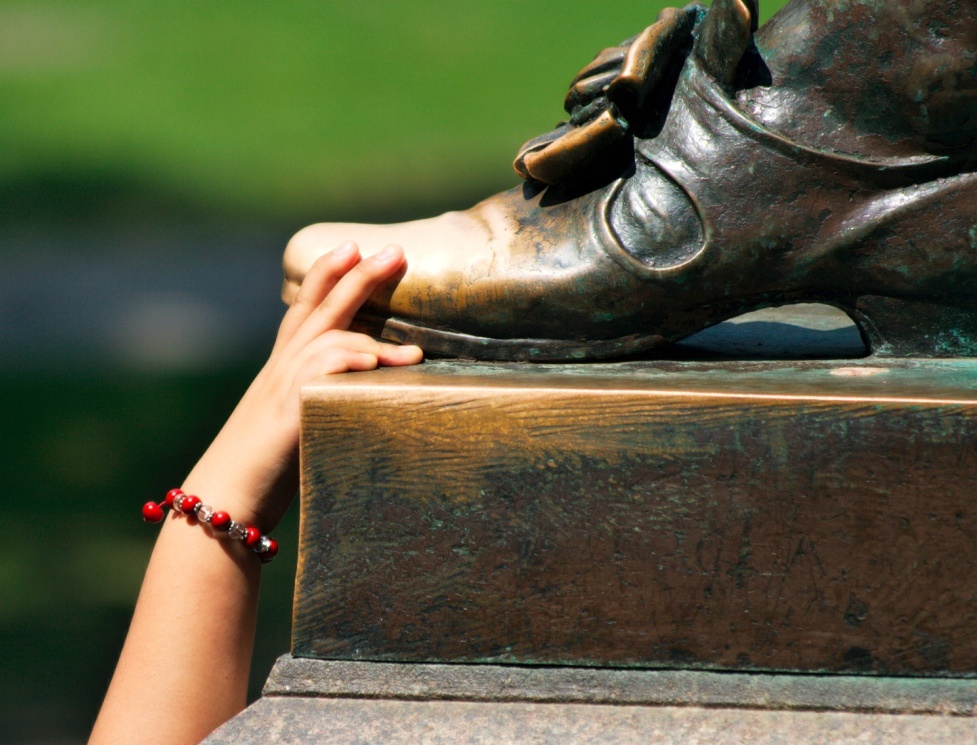 Statue rubbingA global custom of touching public statues to seek luck, love, or a return to the city.
 BaciA Lao rite that calls the soul home and ties a thread on the wrist for good luck
 ConclaveCardinals sealed in the Sistine Chapel, voting until two thirds agree on a new popeKarakiaMāori incantations and prayers recited for spiritual guidance, safety and ceremony
Good reading and sources
- World Day of Peace on WikipediaEncyclopedia
- More photos on Wikimedia CommonsPhotos and video
- Wikidata recordOpen data
The facts on this page come from the Wikipedia article "World Day of Peace", written by its contributors and used under the CC BY-SA 4.0 licence, and from its Wikidata record (CC0). EveryParampara rewrote the text in its own words, with AI assistance, and compares every page with the article to make sure no passage is copied. It may be reused under the same CC BY-SA 4.0 licence with a link back.
It may contain mistakes. Traditions differ from one family, village and community to the next, and the people who keep them know them best. If something is wrong, tell us. Last refreshed 2026-10-13.
More from Vatican City
All the traditions of Vatican City
🇻🇦 Vatican City and 1 moreConclave
Cardinals sealed in the Sistine Chapel, voting until two thirds agree on a new popeSpiritual
🇺🇸 United States and 5 moreStatue rubbing
A global custom of touching public statues to seek luck, love, or a return to the city.Festival
 🇻🇦 Vatican City and 1 morePontifical Swiss GuardPontificia Cohors Helvetica
The Swiss military corps charged with guarding the Pope and the Apostolic PalaceCeremony
🇻🇦 Vatican City and 1 morePontifical Swiss GuardPontificia Cohors Helvetica
The Swiss military corps charged with guarding the Pope and the Apostolic PalaceCeremony
The same idea elsewhere
Greetings and farewells compared
🇱🇦 Laos and 1 moreBaciບາສີ (Lao)
A Lao rite that calls the soul home and ties a thread on the wrist for good luckSpiritual
🇰🇼 KuwaitDewaniya
An evening gathering and reception central to Kuwaiti social, business, and civic lifeEtiquette · Tea, coffee and drinking ceremonies
🇼🇸 Samoa and 1 moreTalofa
The Samoan hello and goodbye, also heard in Tuvalu and on LifouEtiquette