Festivals and celebrationsNorth America
Statue rubbing
A global custom of touching public statues to seek luck, love, or a return to the city.
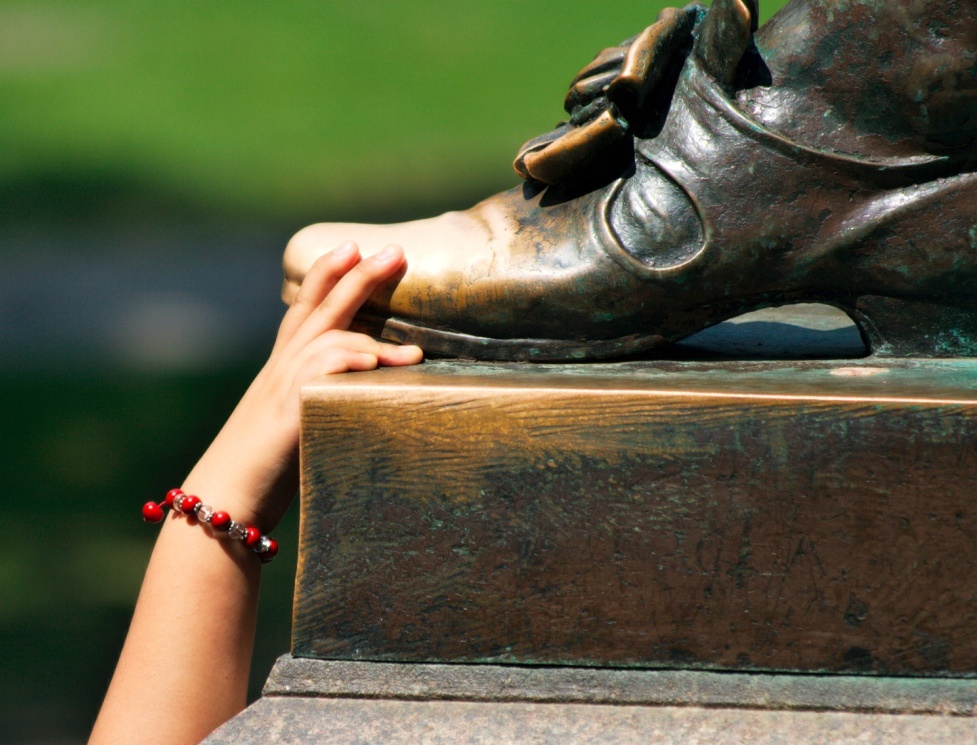
People touch specific parts of outdoor sculptures to attract good fortune, improve romantic prospects, or ensure they come back to that place. This practice appears in many cities worldwide, from Florence to New York. The act targets protruding features like noses, feet, or hands. It is a widespread tourist habit rooted in local superstition rather than formal religion.
When is Statue rubbing kept?
Statue rubbing is kept on whenever a visitor encounters a relevant statue.
Touching public statues for luck is a common ritual found in cities around the world. Visitors rub specific body parts of sculptures to wish for good fortune, love, or a safe return home. This tradition turns static art into an interactive experience for those seeking supernatural benefits.
How the ritual works
The practice involves physically contacting a statue's most prominent features. Noses, feet, and hands are the most common targets because they stick out and wear down faster. Some rituals require touching intimate areas like breasts or genitals to attract romantic success or fertility. Others focus on specific objects held by the figure, such as coins or shields. The action is usually brief and done with bare hands.
Notable examples
In Florence, tourists rub the snout of the Porcellino boar and insert a coin into its mouth. In New York, people touch the Charging Bull's testicles for financial luck. Verona features Juliet’s statue, where rubbing the breast promises love. Brussels has the Everard t'Serclaes monument, where rubbing the arm brings wishes. Prague’s Charles Bridge holds plaques rubbed for luck or a return to the city.
Impact on monuments
Constant touching causes significant erosion to stone and metal surfaces. Many famous statues have had to be replaced with replicas to preserve the original artwork. Authorities in some locations actively discourage or ban the practice to protect cultural heritage. Additionally, frequent contact can expose participants to bacterial infections from unclean public surfaces.
Similar customs
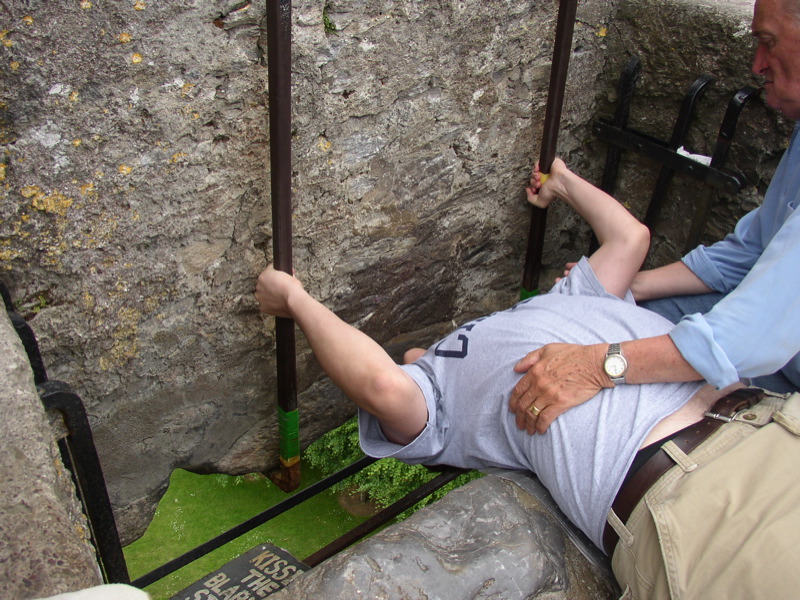
Other traditions involve physical interaction with non-statue objects. In Ireland, kissing the Blarney Stone grants eloquence. Rome’s Bocca della Verità mask tests truthfulness by supposedly biting lying hands. Dubrovnik features mascarons where standing on them while changing shirts brings romantic luck. These acts share the core belief that physical contact alters fate.
How Statue rubbing is kept
Visitors identify a statue associated with a specific wish. They then locate the designated part of the sculpture, such as a nose, foot, or hand. The person rubs this area firmly, often while making a silent request. Some rituals include adding items like coins to the statue's mouth. The act is performed individually or in groups of tourists seeking the same benefit.
When and where
The ritual occurs whenever a person visits a site with a relevant statue. There is no fixed calendar date or seasonal timing. It happens year-round at accessible public locations.
This custom is found in major tourist destinations globally. It is strongest in European cities with historic public squares. Notable sites include Florence, New York, Verona, and Prague. Any location with a popular outdoor sculpture may develop its own version of the practice.
What Statue rubbing means
The ritual symbolizes a desire to influence fate through physical connection. Rubbing worn areas represents transferring energy or luck from the object to the person. Touching specific body parts corresponds to different outcomes, such as fertility or travel safety. It reflects a belief that art holds spiritual power beyond its aesthetic value.
Questions people ask about Statue rubbing
When is Statue rubbing kept?
Statue rubbing is kept on whenever a visitor encounters a relevant statue.
What is statue rubbing?
It is a superstition where people touch parts of public statues to bring good luck, improve love life, or ensure a return to the city. Tourists target protruding features like noses or feet.
Where is this tradition kept?
It is practiced worldwide in cities with famous statues. Key locations include Florence, New York, Verona, Brussels, and Prague. Each site has its own specific rules about which part to touch.
Why do people do it?
People believe touching these spots grants wishes or protection. Common goals include finding love, gaining wealth, or returning safely to a beloved place. It is a form of folk magic tied to public art.
See also
 TamaladaA gathering where tamales are the main dish or a communal tamale-making party in Mexican and Hispanic cultures.
 Name dayA calendar tradition where people celebrate the feast day of the saint after whom they are named.
 NalukataqA spring whaling festival of the Iñupiat in Northern Alaska, featuring a blanket toss and communal feast.
 Christmas marketA seasonal street market held during Advent in German-speaking regions and beyond, featuring stalls, food, and crafts.
Good reading and sources
- Greyfriars Bobby's nose rubbing plea by Edinburgh officialsBBC, Article
- BBC NEWS | EuropeBBC, Article
- Greyfriars Bobby's nose rubbing plea by Edinburgh officialsBBC, Article
- BBC NEWS | EuropeBBC, Article
- Statue rubbing on WikipediaEncyclopedia
- More photos on Wikimedia CommonsPhotos and video
- Wikidata recordOpen data
The facts on this page come from the Wikipedia article "Statue rubbing", written by its contributors and used under the CC BY-SA 4.0 licence, and from its Wikidata record (CC0). EveryParampara rewrote the text in its own words, with AI assistance, and compares every page with the article to make sure no passage is copied. It may be reused under the same CC BY-SA 4.0 licence with a link back.
It may contain mistakes. Traditions differ from one family, village and community to the next, and the people who keep them know them best. If something is wrong, tell us. Last refreshed 2026-10-06.
More from the United States
All the traditions of the United States
🇲🇽 Mexico and 1 moreTamalada
A gathering where tamales are the main dish or a communal tamale-making party in Mexican and Hispanic cultures.Festival · Lunch
🇺🇸 United StatesNalukataq
A spring whaling festival of the Iñupiat in Northern Alaska, featuring a blanket toss and communal feast.Festival · Feasts and festival meals
 🇱🇦 Luang Prabang, Laos and 5 moreLao New Yearປີໃໝ່ລາວ
A mid-April water festival and Buddhist celebration marking the Lao new yearFestival
🇱🇦 Luang Prabang, Laos and 5 moreLao New Yearປີໃໝ່ລາວ
A mid-April water festival and Buddhist celebration marking the Lao new yearFestival
 🇱🇻 Riga, Latvia and 4 moreJāņi
An annual Latvian summer solstice celebration of bonfires, singing and woven wreathsFestival
🇱🇻 Riga, Latvia and 4 moreJāņi
An annual Latvian summer solstice celebration of bonfires, singing and woven wreathsFestival
The same idea elsewhere
Hospitality and welcome compared 🇬🇷 Greece and 5 moreHandshake
A brief clasp of hands to greet, part or seal a deal, with local rules on how it is doneEtiquette
🇬🇷 Greece and 5 moreHandshake
A brief clasp of hands to greet, part or seal a deal, with local rules on how it is doneEtiquette
 🇳🇿 New Zealand and 2 moreMarae
A cleared, sacred gathering place at the heart of Māori and Polynesian community lifeSpiritual
🇰🇼 KuwaitDewaniya
An evening gathering and reception central to Kuwaiti social, business, and civic lifeEtiquette · Tea, coffee and drinking ceremonies
🇳🇿 New Zealand and 2 moreMarae
A cleared, sacred gathering place at the heart of Māori and Polynesian community lifeSpiritual
🇰🇼 KuwaitDewaniya
An evening gathering and reception central to Kuwaiti social, business, and civic lifeEtiquette · Tea, coffee and drinking ceremonies