🇻🇦 Traditions of Vatican City
3 traditions from Vatican City, best known first.
Vatican City traditions rest entirely on Catholic worship and papal leadership rather than local folk customs. The small resident community structures its year around church feasts and the duties of holy orders. Historic chapels and ancient burial grounds anchor these practices in a continuous line of devotion.
This sovereign enclave operates as the administrative heart of the Catholic Church. Its customs flow directly from global religious practice instead of regional folklore. Residents mark time through daily prayer, clerical routines, and annual feast days. The community views its compact territory as a living sanctuary where spiritual service shapes every ordinary moment.
Faith and governance
The pope serves as both spiritual leader and temporal ruler of this independent state. Clergy from many nations staff the highest offices and manage daily operations. Religious authority guides civil administration, meaning church law and state policy move together. The community understands its existence as a direct extension of early Christian leadership. Every official act reflects centuries of doctrinal continuity. Local residents accept this arrangement as their normal way of life.
The liturgical calendar
Public observances align strictly with the Catholic worship schedule. Every Sunday brings a pause in regular work. Additional holidays appear whenever the church marks major events in scripture. The reigning pontiff also receives two personal celebrations tied to his selection and baptismal name. These dates shift the rhythm of civic life across the entire territory. Workers and visitors alike adjust their plans to honor these fixed moments.
Sacred sites and memory
Ancient monuments preserve the earliest traces of Christian devotion. A fourth century church stands above a ground once used for burials. Archaeologists uncovered resting places and pagan shrines during twentieth century digs. Tradition holds that the first bishop of Rome suffered execution nearby. Pilgrims and clergy visit these locations to maintain physical contact with early martyrs. The spaces remain active centers of prayer rather than static museums.
Daily rhythm and community
Life inside the walls follows a quiet pace dictated by prayer times and administrative tasks. Fewer than one thousand people call this place home. Most residents serve the church in various capacities or manage its international affairs. Visitors enter through controlled checkpoints to view art collections or attend services. The compact layout ensures that travel between workplaces and chapels takes only minutes. Silence and order define the streets.
The facts in this overview come from the Wikipedia article "Vatican City", written by its contributors and used under the CC BY-SA 4.0 licence. EveryParampara rewrote the text in its own words, with AI assistance, and compares every page with the article to make sure no passage is copied. It may be reused under the same CC BY-SA 4.0 licence with a link back.
 🇻🇦 Vatican City and 1 moreConclave
Cardinals sealed in the Sistine Chapel, voting until two thirds agree on a new popeSpiritual
🇻🇦 Vatican City and 1 moreConclave
Cardinals sealed in the Sistine Chapel, voting until two thirds agree on a new popeSpiritual
 🇻🇦 Vatican City and 1 morePontifical Swiss GuardPontificia Cohors Helvetica
The Swiss military corps charged with guarding the Pope and the Apostolic PalaceCeremony
🇻🇦 Vatican City and 1 morePontifical Swiss GuardPontificia Cohors Helvetica
The Swiss military corps charged with guarding the Pope and the Apostolic PalaceCeremony
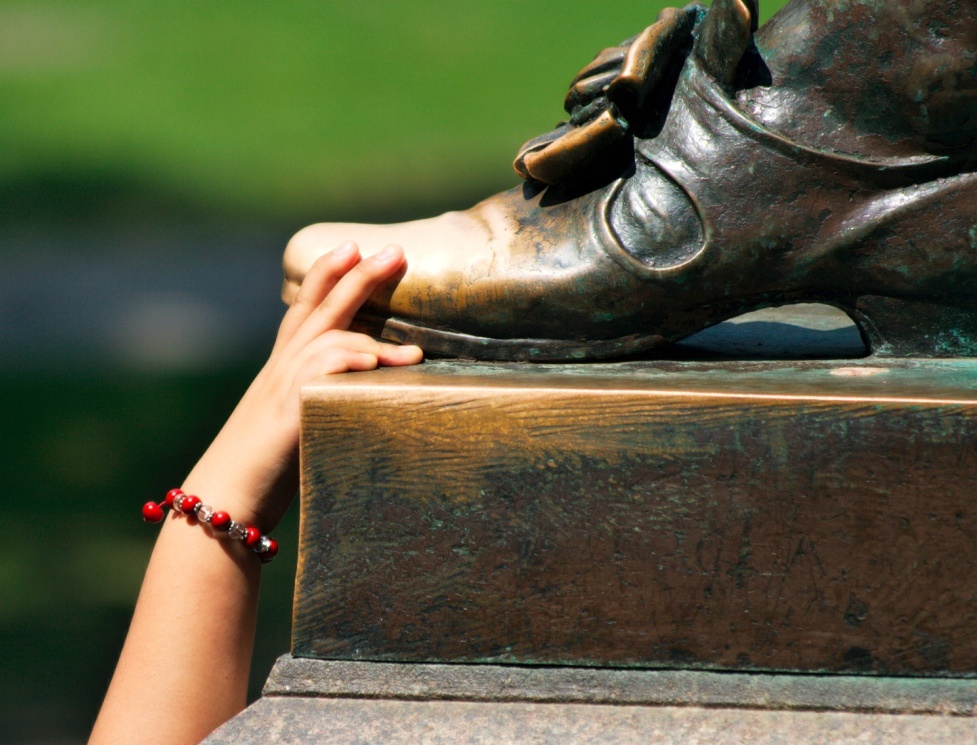 🇺🇸 United States and 5 moreStatue rubbing
A global custom of touching public statues to seek luck, love, or a return to the city.Festival
🇺🇸 United States and 5 moreStatue rubbing
A global custom of touching public statues to seek luck, love, or a return to the city.Festival
Photo credits on this page
The small pictures above come from Wikimedia Commons under free licences. Some are cropped to fit.
- Conclave: User Maus-Trauden on de.wikipedia, CC BY-SA 3.0, source
- Pontifical Swiss Guard: The White House, Public domain, source
- Statue rubbing: Matthias Rosenkranz, CC BY-SA 2.0, source