🇸🇦 Saudi Arabia
Ramadan is a month of fasting from dawn to sunset, broken with dates and water at the iftar, then a meal. Eid al-Fitr ends it with prayers, new clothes, sweets and gifts to children.
Ramadan, being writtenFasting and feasting belong together.
Presented by ClearTrust Free for the curious, the homesick and the hosts.
Fasting and feasting belong together. Most of the world's great faiths set aside days or seasons for going without, and nearly all follow them with a meal of celebration. The fast may be a month of daylight abstinence, a day of water, forty days of meatless eating or a single meal given up. The feast that follows is often the best food of the year. Together they shape the calendar, teach discipline and generosity, and bring families and neighbours to one table. This page looks at how different peoples fast, break the fast and celebrate afterwards, and how the habits are changing.
Believers describe fasting as a way of turning attention from the body to prayer, of remembering the poor, of showing penitence or of preparing for a sacred day. It also brings people together, since many fast at the same time and share in the effort. The feast that ends the fast reverses the mood, and gives thanks for what has been received. The contrast is the point: going without teaches gratitude for plenty, and plenty is made sweeter after going without. Fasting is a personal discipline within a communal calendar, and people who are ill, young, old or travelling are generally excused.
A fast usually has a clear start and end, with a particular meal before and after. Rules differ: no food or drink from dawn to dusk in Ramadan, no meat or dairy in Orthodox Lent, one meal a day on a Hindu Ekadashi, or no food at all on Yom Kippur. Many fasts are followed by shared meals to which neighbours and the poor are invited. Almsgiving and charity go with them. Some fasts are tied to the moon, others to a season, a saint or a festival, and many ask the faster to avoid arguments and to be gentle.
Fasting foods are often simple: dates and water, lentil soup, bread, potatoes, fruit, buckwheat. The feasts are rich, with roast meat, sweets, pastries, spiced rice and drinks. Dress is plain for the fast, and new or white clothes are worn for the feast. Music is quiet during the fast in many traditions, with chant and prayer, and loud at the feast, with drums, songs and dance. Late evening markets, cannon shots to announce the breaking of the fast and special television programmes have become part of Ramadan in many countries.
Many people now fast for reasons beyond religion, including health and mindfulness, and intermittent fasting has become a popular practice. Religious fasts have adapted to modern working life, with office iftars, fasting-friendly menus and shared meals in public places. In some places, such as London, Istanbul and Jakarta, community iftars have become open events for neighbours of every faith. Stricter fasts, such as the full Orthodox Lent, are kept by a smaller proportion of people, while the feast days remain widely popular.
Ramadan is a month of fasting from dawn to sunset, broken with dates and water at the iftar, then a meal. Eid al-Fitr ends it with prayers, new clothes, sweets and gifts to children.
Ramadan, being writtenLanterns called fanous hang in the streets in Ramadan, and long tables for the poor, mawa'id al-rahman, are set out for the iftar. A cannon announces sunset, and sweet qatayef pancakes are a specialty.
Read: FanousDrummers walk the neighbourhoods before dawn to wake people for the sahur, and the iftar is broken with dates, olives and the flat pide bread of Ramadan. Mosque lights are strung between minarets.
Ramadan, being writtenHindus keep Ekadashi, the eleventh day of each fortnight, and Navratri, with fruit, milk and special flours. Jain fasting during Paryushana can last eight days or more, and the Digambara Jains keep strict rules throughout.
Ekadashi, being writtenBuddhists keep Poya days, the full-moon days, with observance of eight precepts, white clothes and visits to the temple, and the day is a public holiday. The Vesak festival is the most important of them.
Read: PoyaYom Kippur is a 25-hour fast with no food or water, spent largely in prayer. Fast days such as Tisha B'Av recall losses in Jewish history, and the break-fast meal includes bagels, fish and sweet kugel.
Read: Yom Kippur Eid al-FitrThe feast that ends Ramadan.
 LentForty days before Easter.
 Yom KippurThe Jewish Day of Atonement.
 ParyushanaThe Jain festival of fasting.
 MaslenitsaThe Russian pancake week.
 Mardi GrasThe feast before Lent.
Also part of it, and being written: Ramadan (The month of fasting in Islam.), Ekadashi (The Hindu day of partial fasting.).
Most traditions excuse children, the elderly, the sick, pregnant and nursing women, and travellers. Many ask them to make it up later or give to charity instead.
Not always. Some traditions fast from speech, from certain kinds of food, from entertainment or from particular acts, as well as from eating.
The first meal after a fast, often simple and light at the start, such as dates and water for Ramadan, and fuller afterwards. It is usually shared with family and guests.
It closes the observance with gratitude and joy, and it brings the community back to ordinary life together. In many faiths it is a duty to feast as much as to fast.
Usually yes, in a private setting, as people who fast do not expect others to stop eating. Hosts and colleagues often offer a quiet space and are considerate about timing.
Written by the EveryParampara desk with AI assistance. Customs differ from place to place and family to family. If this is your tradition and we have it wrong, tell us.
The traditions written up so far, best known first.
 🇵🇱 Poland and 5 moreChristmas Eve
The evening before Christmas, marked by church services, family meals, and gift preparations across Christian cultures.Festival · Dinner
🇵🇱 Poland and 5 moreChristmas Eve
The evening before Christmas, marked by church services, family meals, and gift preparations across Christian cultures.Festival · Dinner
 🇺🇸 United StatesFeast of the Seven FishesFesta dei sette pesci
An Italian-American Christmas Eve seafood dinner marking abstinence from meat.Table custom · Dinner
🇺🇸 United StatesFeast of the Seven FishesFesta dei sette pesci
An Italian-American Christmas Eve seafood dinner marking abstinence from meat.Table custom · Dinner
 🇰🇷 Seoul, South KoreaTemplestay템플스테이
A program that invites visitors to live in South Korean Buddhist temples and join the daily routines of monastic life.Spiritual · Dinner
🇰🇷 Seoul, South KoreaTemplestay템플스테이
A program that invites visitors to live in South Korean Buddhist temples and join the daily routines of monastic life.Spiritual · Dinner
 🇺🇸 United States and 1 moreSaint Patrick's Day in the United States
An annual celebration of Irish heritage across America with parades, feasts and green dyeFestival · Dinner
🇷🇺 Russia and 2 moreMaslenitsaМасленица
A seven-day Eastern Slavic festival of pancakes and bonfires marking the end of winter before Lent.Festival · Breakfast
🇺🇸 United States and 1 moreSaint Patrick's Day in the United States
An annual celebration of Irish heritage across America with parades, feasts and green dyeFestival · Dinner
🇷🇺 Russia and 2 moreMaslenitsaМасленица
A seven-day Eastern Slavic festival of pancakes and bonfires marking the end of winter before Lent.Festival · Breakfast
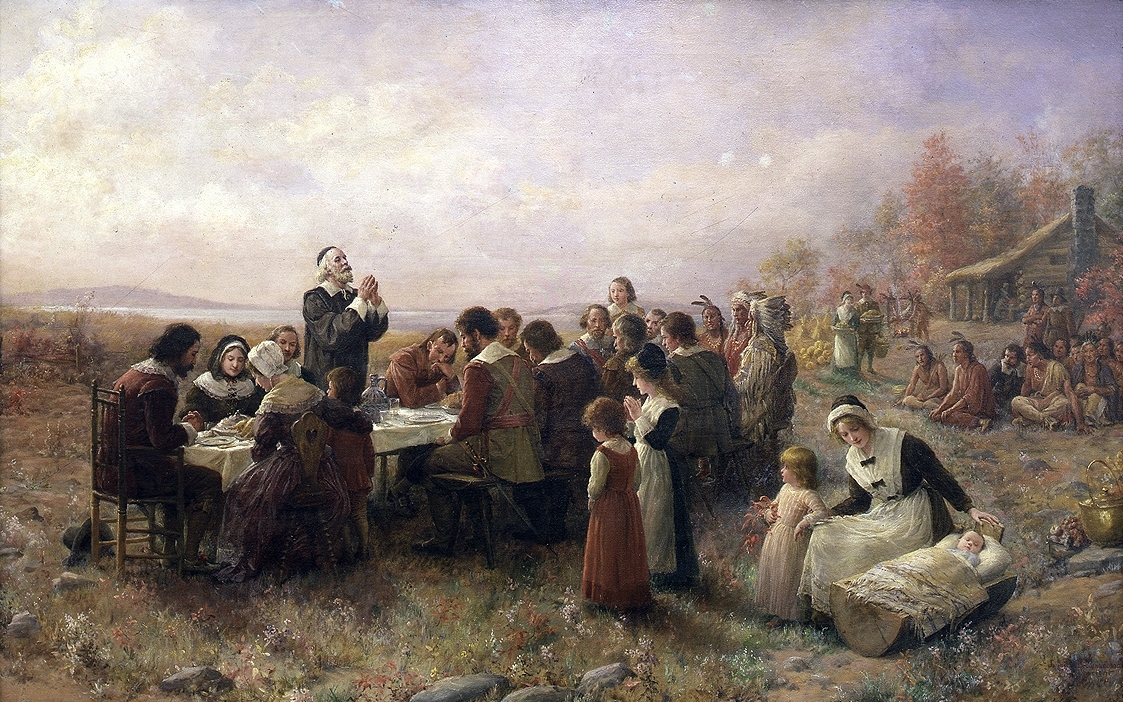 🇺🇸 Washington, United StatesThanksgiving
An annual American holiday of gratitude, family gatherings and an autumn harvest feastFestival · Dinner
🇺🇸 Washington, United StatesThanksgiving
An annual American holiday of gratitude, family gatherings and an autumn harvest feastFestival · Dinner
 🇲🇦 Morocco and 4 moreMimounaמִימוּנָה
A Maghrebi Jewish celebration marking the end of Passover with sweets and open doorsFestival · Dinner
🇲🇦 Morocco and 4 moreMimounaמִימוּנָה
A Maghrebi Jewish celebration marking the end of Passover with sweets and open doorsFestival · Dinner
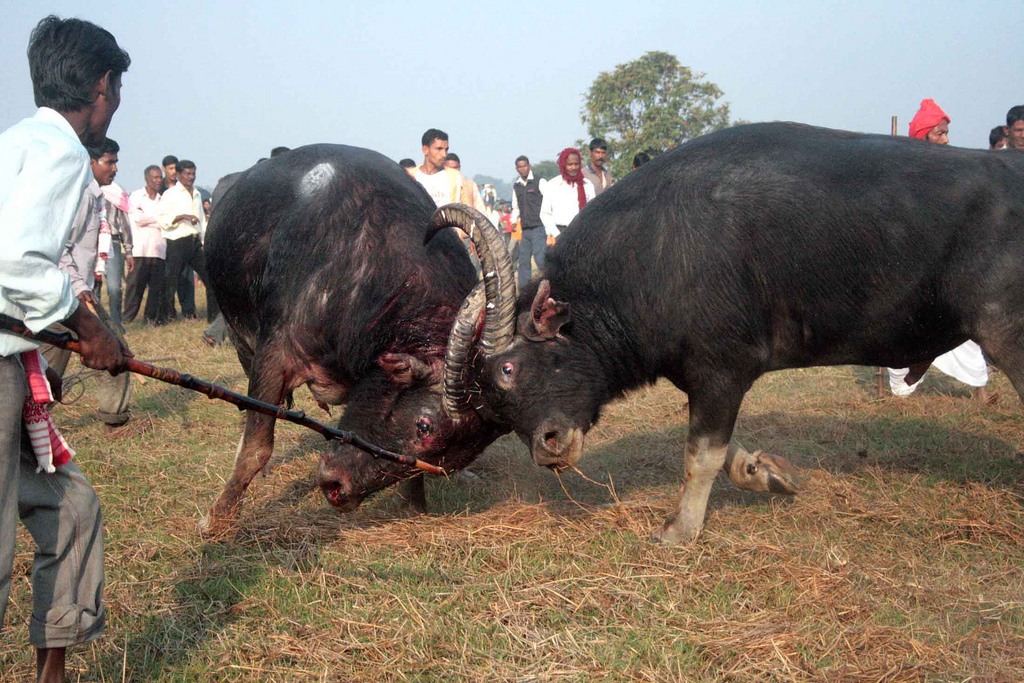 🇮🇳 IndiaMagh Bihu
A harvest festival of bonfires, feasts and winter games in AssamSeasonal · Feasts and festival meals
🇮🇸 IcelandÞorrablót
An Icelandic midwinter feast of dinner, speeches and poetryFestival · Dinner
🇮🇳 IndiaMagh Bihu
A harvest festival of bonfires, feasts and winter games in AssamSeasonal · Feasts and festival meals
🇮🇸 IcelandÞorrablót
An Icelandic midwinter feast of dinner, speeches and poetryFestival · Dinner
 🇷🇸 Serbia and 5 moreSerbian ChristmasБожић
A three-day midwinter observance focused on oak logs, floor straw and family gatheringsSpiritual · Dinner
🇷🇸 Serbia and 5 moreSerbian ChristmasБожић
A three-day midwinter observance focused on oak logs, floor straw and family gatheringsSpiritual · Dinner
 🇵🇱 PolandWigilia
Poland's meatless Christmas Eve supper, begun when the first star appearsTable custom · Feasts and festival meals
🇮🇪 Dublin, Ireland and 2 moreLittle ChristmasNollaig na mBan
A January feast day marking the close of the twelve days of ChristmasSeasonal · Dinner
🇵🇱 PolandWigilia
Poland's meatless Christmas Eve supper, begun when the first star appearsTable custom · Feasts and festival meals
🇮🇪 Dublin, Ireland and 2 moreLittle ChristmasNollaig na mBan
A January feast day marking the close of the twelve days of ChristmasSeasonal · Dinner
 🇬🇧 United Kingdom and 5 moreChristmas dinner
The festive family meal of Christmas Eve or Christmas Day, with roast meats and puddingsTable custom · Dinner
🇬🇧 United Kingdom and 5 moreChristmas dinner
The festive family meal of Christmas Eve or Christmas Day, with roast meats and puddingsTable custom · Dinner
 🇬🇷 Greece and 1 moreTsiknopemptiΤσικνοπέμπτη
A Greek Carnival feast of grilled meats held on the second to last Thursday before Lent.Festival · Dinner
🇬🇷 Greece and 1 moreTsiknopemptiΤσικνοπέμπτη
A Greek Carnival feast of grilled meats held on the second to last Thursday before Lent.Festival · Dinner
 🇮🇱 Jerusalem, Israel and 1 moreHoshana Rabbahהוֹשַׁעְנָא רַבָּה
The seventh and final day of Sukkot, marked by seven synagogue processions and night-long study.Festival · Dinner
🇮🇱 Jerusalem, Israel and 1 moreHoshana Rabbahהוֹשַׁעְנָא רַבָּה
The seventh and final day of Sukkot, marked by seven synagogue processions and night-long study.Festival · Dinner
 🇩🇿 Tlemcen, AlgeriaAshura in Algeriaيوم عاشوراء
A day of fasting, almsgiving, evening feasting and regional folk masquerades.Festival · Fasting and breaking the fast
🇸🇾 Syria and 1 moreThree Sundays of Commemoration
A Maronite Christian observance held on the three Sundays before Lent to remember the departed.Spiritual · Dinner
🇩🇿 Tlemcen, AlgeriaAshura in Algeriaيوم عاشوراء
A day of fasting, almsgiving, evening feasting and regional folk masquerades.Festival · Fasting and breaking the fast
🇸🇾 Syria and 1 moreThree Sundays of Commemoration
A Maronite Christian observance held on the three Sundays before Lent to remember the departed.Spiritual · Dinner
 🇮🇱 IsraelEve of Passover on Shabbatערב פסח
Special Jewish calendar customs when the eve of Passover coincides with the SabbathSeasonal · Dinner
🇮🇱 IsraelEve of Passover on Shabbatערב פסח
Special Jewish calendar customs when the eve of Passover coincides with the SabbathSeasonal · Dinner
The small pictures above come from Wikimedia Commons under free licences. Some are cropped to fit.
Every week: one tradition from somewhere new, what is being celebrated around the world this week, and one idea explained.