Sweets given and shared
Sweets handed out at a birth, a wedding or a festival, and offered at a shrine.
Sweets matter in tradition as things given: handed out at a birth, brought to a wedding, sent to neighbours on a festival day, offered at a shrine. These pages are about the customs of giving and sharing sweets, not about how they are made. For dishes and recipes, see Thali.
Given, not just eaten
A box of sweets carried to a new house, shared after an exam result or distributed at a naming ceremony is a message: good news, goodwill, thanks. Who gives, who receives and how many are offered usually follow clear rules.
Offered to the sacred
Many faiths offer something sweet to a deity, a saint or the ancestors, then share it among the people present. The offering is part of the rite, and the sharing afterwards completes it.
Written by the EveryParampara desk with AI assistance. Background on Sweets given and shared (meal). Customs differ from place to place and family to family. If this is your tradition and we have it wrong, tell us.
 🇨🇳 China and 5 moreMid-Autumn Festival中秋節
An annual harvest festival celebrating family reunions, full moons and mooncakesFestival · Sweets given and shared
🇨🇳 China and 5 moreMid-Autumn Festival中秋節
An annual harvest festival celebrating family reunions, full moons and mooncakesFestival · Sweets given and shared
 🇨🇳 China and 5 moreDouble Ninth Festival重陽節
An autumn festival of mountain walks, chrysanthemum wine and ancestor remembranceSeasonal · Tea-time and snacking customs
🇨🇳 China and 5 moreDouble Ninth Festival重陽節
An autumn festival of mountain walks, chrysanthemum wine and ancestor remembranceSeasonal · Tea-time and snacking customs
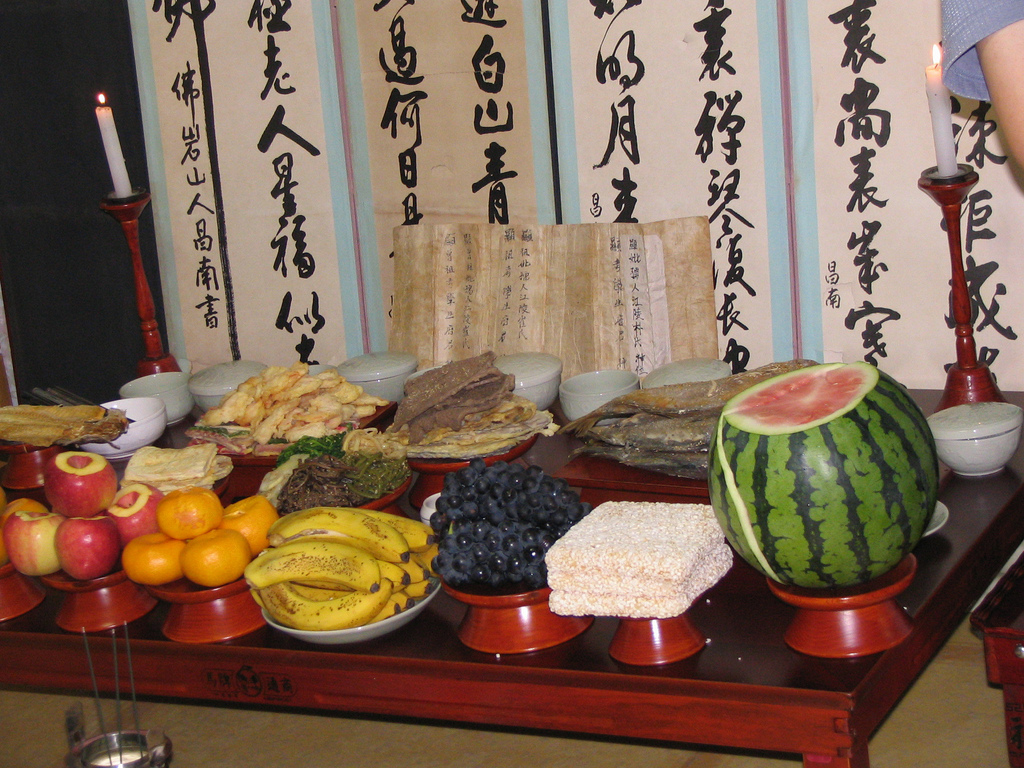 🇰🇷 South Korea and 1 moreChuseok추석
A Korean harvest festival of ancestral rites, seasonal rice cakes, and folk gamesFestival · Feasts and festival meals
🇰🇷 South Korea and 1 moreChuseok추석
A Korean harvest festival of ancestral rites, seasonal rice cakes, and folk gamesFestival · Feasts and festival meals
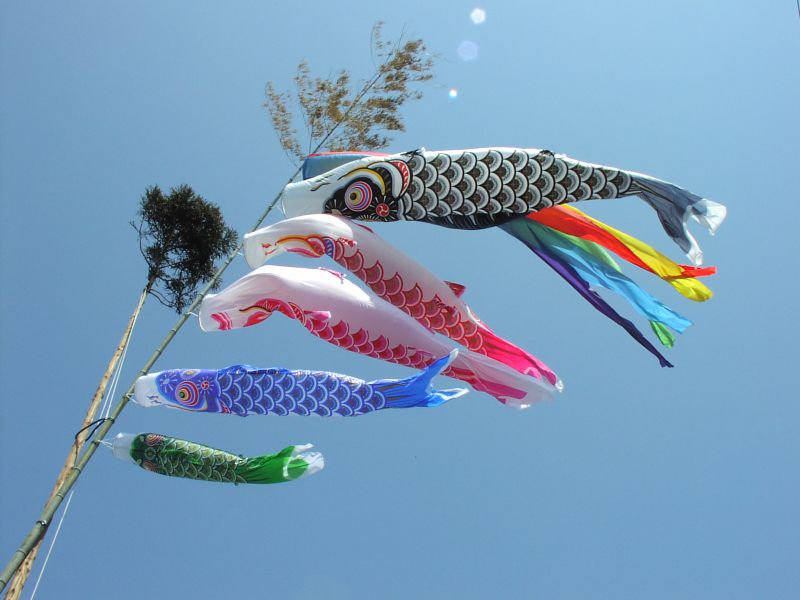 🇯🇵 JapanTango no sekku端午の節句
A Japanese seasonal festival for children marked with carp streamers and iris leaves.Festival · Sweets given and shared
🇯🇵 JapanTango no sekku端午の節句
A Japanese seasonal festival for children marked with carp streamers and iris leaves.Festival · Sweets given and shared
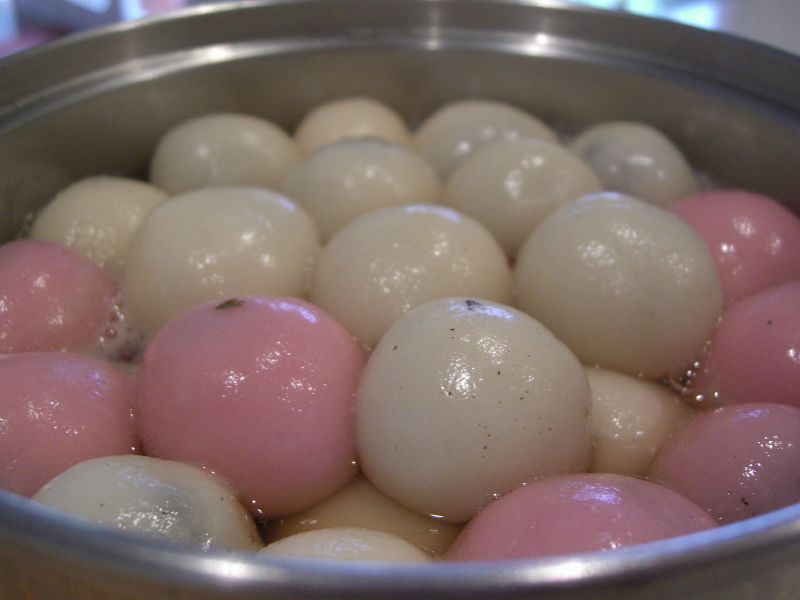 🇨🇳 Suzhou, China and 4 moreDongzhi Festival冬至
A winter solstice festival of family reunions, ancestor rites and sweet rice ballsSeasonal · Dinner
🇨🇳 Suzhou, China and 4 moreDongzhi Festival冬至
A winter solstice festival of family reunions, ancestor rites and sweet rice ballsSeasonal · Dinner
Photo credits on this page
The small pictures above come from Wikimedia Commons under free licences. Some are cropped to fit.
- Chuseok: by Joseph Steinberg (Baltimoron in Korea) at Flickr, CC BY-SA 2.0, source
- Tango no sekku: tiseb, CC BY 2.0, source
- Mid-Autumn Festival: Shizhao, CC BY-SA 2.5, source
- Dongzhi Festival: Alpha, CC BY-SA 2.0, source
- Double Ninth Festival: Sgerbic, CC BY-SA 4.0, source