Seasons, harvest and the calendarEast AsiaShinto, Taoist and folk ChineseBuddhist
Double Ninth Festival
In its own language: 重陽節
An autumn festival of mountain walks, chrysanthemum wine and ancestor remembrance

Double Ninth Festival is an East Asian autumn holiday centred on hill climbing, chrysanthemum drinks and family graves. Rooted in Chinese traditions of balancing yang energy, people mark it by honouring elderly relatives and warding off misfortune.
When is Double Ninth Festival in 2026?
Double Ninth Festival 2026 is on Sunday, 18 October 2026. Other years: 2027, Friday, 8 October 2027; 2028, Thursday, 26 October 2028.
The Double Ninth Festival is an East Asian tradition centred on autumn hill walks, seasonal flowers and family protection. Rooted in ancient Chinese thought, the convergence of two nine digits represents an abundance of yang energy. To balance this powerful force and welcome good health, families head outdoors, drink chrysanthemum beverages, wear protective dogwood sprigs and visit ancestral tombs to honour departed relatives.
Old stories of protection
Records place the festival as early as the Warring States era, with historian Wu Jun tracing its customs to the Eastern Han dynasty. One well-known account tells of Huan Jing and his mentor Fei Changfang. Fei warned his pupil of an approaching disaster and instructed him to take his household up a mountain with chrysanthemum wine. Huan obeyed, escaping the calamity that wiped out all his domestic animals at home. Another tale traces the rites to Emperor Gaozu's royal court, where an expelled palace maid named Jia shared inner-palace habits of wearing dogwood and drinking flower wine with ordinary folk.
Mountain walks and floral rites
Heading to high ground is the central custom of the day. People organise hikes, hill races and outdoor picnics, with racing winners receiving wreaths woven from the zhuyu dogwood plant. Both zhuyu and chrysanthemums are valued for their purifying qualities and links to health. Beyond wandering in nature, communities hold flower exhibitions, fly kites and welcome married daughters back for home visits. In modern Taiwan, the date is dedicated to senior citizens, with local authorities presenting small monetary gifts to elderly residents to express community respect and care.
Seasonal cakes and chrysanthemum wine
Festival food reflects wishes for height, longevity and wellness. Bakers prepare steamed Chongyang cakes adorned with miniature paper pennants that symbolise dogwood sprigs, playing on the shared sound between cake and height in Chinese. Chrysanthemum blossoms infuse seasonal tea, home-brewed wine and Japanese sake. In Korea, cooks fry edible flower leaves into savoury pancakes for hillside gatherings. Japanese households celebrate with bowls of chestnut rice and sweet chestnut mochi. Families visiting cemeteries in Hong Kong and Macau bring platters of roast suckling pig and fresh fruit, sharing the meal after offering its essence to the spirits.
Observance across East Asia
Customs vary across different regions. In Hong Kong and Macau, where the day is a statutory holiday, extended families gather at cemeteries to sweep tombs, repaint faded headstone lettering and burn incense sticks. In Japan, the occasion is known as Chōyō or Kiku no Sekku, counted among the five sacred seasonal festivals. It is held on September 9 at Buddhist temples and Shinto shrines to pray for long life. In Korea, the holiday is named Jungyangjeol, marked by dogwood-carrying hikers enjoying picnics and admiring blooming autumn flowers.
How Double Ninth Festival is kept
Families gather in the morning, often packing food, tea and climbing gear. Many travel to hillsides or mountains to hike, race and view autumn blossoms. People pin sprigs of Cornus officinalis dogwood to their clothing or carry it for purification. In cemetery grounds across Hong Kong, Macau and Taiwan, relatives sweep gravestones, tidy weeds, refresh tomb inscriptions, burn incense and present dishes like roast suckling pig. Afterwards, families eat festival cakes topped with tiny flags, drink chrysanthemum tea or wine, fly kites and spend time together honouring older generations.
When and where
The festival falls on the double-nine date of the lunisolar calendar, usually occurring in October. In Japan, it is observed on September 9 following the solar Gregorian calendar.
The tradition is maintained across China, Taiwan, Hong Kong, Macau, South Korea and Japan, as well as Vietnam and Thailand. Observances are especially prominent on hillside trails, city parks, shrines, temples and ancestral cemeteries.
What Double Ninth Festival means
The I Ching classifies the number nine as yang. Doubling it creates intense yang energy, which ancient tradition treated as both auspicious and potentially hazardous. Ascending mountains, carrying cleansing dogwood and drinking chrysanthemum wine served to balance these energies and protect life. Today, the day symbolises physical wellness, longevity, filial devotion to ancestors and the appreciation of elderly family members.
On the table
- Chongyang cake
- Chrysanthemum wine
- Chrysanthemum tea
- Chrysanthemum sake
- Chestnut rice (kuri-gohan)
- Chestnut mochi (kuri-mochi)
- Chrysanthemum pancakes
- Roast suckling pig


Days Double Ninth Festival is marked
Double Ninth Festival dates: 2026, 2027, 2028
| Year | Double Ninth Festival date |
|---|---|
| 2026 | Sunday, 18 October 2026 |
| 2027 | Friday, 8 October 2027 |
| 2028 | Thursday, 26 October 2028 |
Questions people ask about Double Ninth Festival
When is Double Ninth Festival in 2026?
Double Ninth Festival 2026 is on Sunday, 18 October 2026. Other years: 2027, Friday, 8 October 2027; 2028, Thursday, 26 October 2028.
What is the Double Ninth Festival?
It is a traditional East Asian autumn observance focused on climbing mountains, admiring chrysanthemums, honouring family elders and visiting ancestral resting places. Originating in China, it celebrates good health, longevity and balance.
Why do people climb hills on this day?
Climbing hills stems from early tales where escaping to high ground protected families from disaster. Today, hiking is an enjoyable way to take in fresh autumn air, exercise and spend time outdoors with relatives.
Why are chrysanthemums and dogwood important to the festival?
Both plants are traditionally believed to have cleansing and protective qualities. People wear or carry dogwood sprigs, drink chrysanthemum tea or wine, and eat floral cakes to promote vitality and ward off harm.
See also
 HalloweenAn annual observance on 31 October marking the eve of All Saints' Day, rooted in Christian tradition and Celtic heritage
 Mid-Autumn FestivalAn annual harvest festival celebrating family reunions, full moons and mooncakes
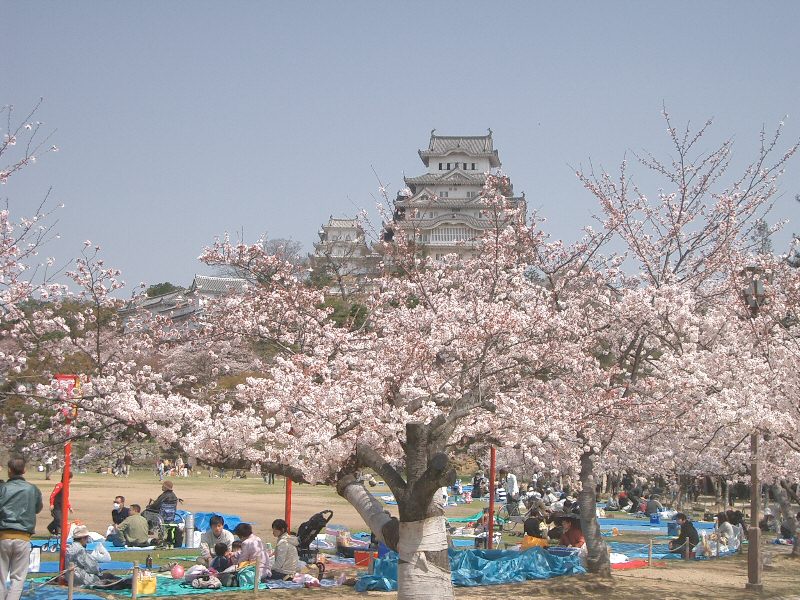 HanamiA Japanese spring custom of gathering under blooming cherry trees to eat, drink, and celebrate the fleeting beauty of th
 Qingming FestivalA spring custom of sweeping family graves and honouring ancestors across East Asia.
Good reading and sources
- Double Ninth Festival on WikipediaEncyclopedia
- More photos on Wikimedia CommonsPhotos and video
- Wikidata recordOpen data
The facts on this page come from the Wikipedia article "Double Ninth Festival", written by its contributors and used under the CC BY-SA 4.0 licence, and from its Wikidata record (CC0). EveryParampara rewrote the text in its own words, with AI assistance, and compares every page with the article to make sure no passage is copied. It may be reused under the same CC BY-SA 4.0 licence with a link back.
It may contain mistakes. Traditions differ from one family, village and community to the next, and the people who keep them know them best. If something is wrong, tell us. Last refreshed 2026-10-04.
More from China
All the traditions of China 🇬🇧 United Kingdom and 5 moreHarvest festival
A thanks for the gathered crop, kept with church meals, songs and shared foodSeasonal · Feasts and festival meals
🇬🇧 United Kingdom and 5 moreHarvest festival
A thanks for the gathered crop, kept with church meals, songs and shared foodSeasonal · Feasts and festival meals
 🇨🇳 Suzhou, China and 3 moreDongzhi冬至
A midwinter festival celebrating the return of light with family feasts and dumplingsSeasonal · Dinner
🇨🇳 Suzhou, China and 3 moreDongzhi冬至
A midwinter festival celebrating the return of light with family feasts and dumplingsSeasonal · Dinner
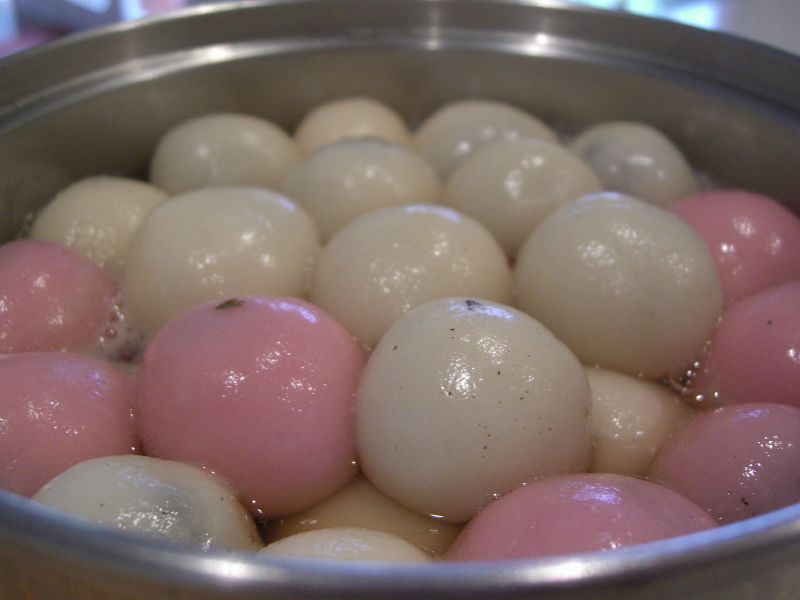 🇨🇳 Suzhou, China and 4 moreDongzhi Festival冬至
A winter solstice festival of family reunions, ancestor rites and sweet rice ballsSeasonal · Dinner
🇨🇳 ChinaSanfutie三伏贴
A seasonal Chinese medicine practice applying herbal patches during peak summer heatSeasonal
🇨🇳 Suzhou, China and 4 moreDongzhi Festival冬至
A winter solstice festival of family reunions, ancestor rites and sweet rice ballsSeasonal · Dinner
🇨🇳 ChinaSanfutie三伏贴
A seasonal Chinese medicine practice applying herbal patches during peak summer heatSeasonal
The same idea elsewhere
Remembering the ancestors compared 🇬🇪 Tbilisi, Georgia and 4 moreGeorgian polyphonic singing
Several voices at once, sung without instruments at Georgian feasts and weddingsPerformance
🇬🇪 Tbilisi, Georgia and 4 moreGeorgian polyphonic singing
Several voices at once, sung without instruments at Georgian feasts and weddingsPerformance
 🇮🇳 India and 4 moreWater lantern
Small lamps floated on water to honour the dead and ask for good fortuneFestival
🇮🇪 Ireland and 2 moreJack-o'-lantern
A carved pumpkin lantern lit with a candle to brighten and protect Halloween nightsFolklore
🇮🇳 India and 4 moreWater lantern
Small lamps floated on water to honour the dead and ask for good fortuneFestival
🇮🇪 Ireland and 2 moreJack-o'-lantern
A carved pumpkin lantern lit with a candle to brighten and protect Halloween nightsFolklore
 🇨🇬 Republic of the CongoNkisi
Spiritual vessels and figures crafted to channel ancestral power, healing and justiceSpiritual
🇨🇬 Republic of the CongoNkisi
Spiritual vessels and figures crafted to channel ancestral power, healing and justiceSpiritual