Festivals and celebrationsSub-Saharan AfricaIndigenous and traditional
Abissa
A week-long New Year festival of the Nzema people in Ivory Coast and Ghana, marked by sacred drums, dance, and forgivene

The Abissa is a traditional New Year festival kept by the Nzema people across parts of Ivory Coast and Ghana. It takes place annually between October and November. The event centers on sacred drumming, dance, and a powerful tradition of public forgiveness and social renewal.
When is Abissa kept?
Abissa is kept on annually between October and November.
The Abissa marks the New Year for the Nzema people of West Africa. This annual gathering strengthens community bonds through sacred music, dance, and a unique ritual of forgiveness. Families reunite to resolve conflicts and renew their covenant with ancestral spirits.
Origins and history
The festival traces its roots to the nineteenth century. It was originally called Koudoum and involved mystical sacrifices. Later, it became known as Abissadjë before shortening to Abissa, which means asking friends for help. The event is organized by the N'vavilé family, who are custodians of the dance. Responsibility rotates among seven Nzema subgroups in both Ivory Coast and Ghana. The alliance governing this rotation has lasted more than two centuries.
Sacred rituals
The spiritual core is called Koudoum. It begins with the Siédou, a period of seclusion where the king withdraws with the sacred Edo N'gbolé drum. Strict taboos apply: no other drums sound, and funerals are paused. The next stage, Gouazo, acknowledges the N'vavilé family's rights. Elders offer them a beverage for permission. The final stage, Ewoudolé, features carnivalesque celebrations with disguises and masked dancers, signaling the end of the old year.
Festival progression
The modern festival lasts seven days, starting on Sunday. Each day honors specific groups. Monday focuses on youth with the Abôma drum. Tuesday purifies the king and drum. Wednesday celebrates women with the Tamalé drum. Thursday highlights vital forces through peace dances. Friday welcomes traditional chiefs. Saturday brings the climax with the king and queen entering the square. Sunday concludes with a farewell ceremony and the king's New Year message.
Tradition of forgiveness
Abissa serves as a crucial time for social healing. Participants must rid themselves of hatred and resentment. Those who committed serious offenses can publicly repent and seek forgiveness. Exemplary members are also honored. The festival allows free expression of grievances without fear. Disputes and leadership issues are openly addressed. Subjects may even criticize the king through songs, fostering transparency and communal harmony.
How Abissa is kept
The Nzema people gather for one week between late August and early December. The event begins with the seclusion of the sacred Edo N'gbolé drum. The king withdraws to the royal palace while strict taboos prevent other drumming or funerals. After purification, the festival proceeds through daily themes honoring youth, women, and chiefs. Dances symbolize cohesion between families. The week ends with the Ewoudolé celebration, where disguises and masks mark the transition to the new year. Public forgiveness and the presentation of wishes to the king close the proceedings.
When and where
The Abissa occurs annually between October and November. The exact dates vary each year but typically span from late October to early November. The festival follows a weekly cycle, usually running from one Sunday to the following Sunday.
The festival is strongest in Ivory Coast and Ghana. Key locations include Grand-Bassam, Tiapoum, Nouamou, N'guiémé, and Eboinda in Ivory Coast. In Ghana, Takoradi and Bégnry are significant sites. The event rotates among these communities under the guidance of the N'vavilé family.
What Abissa means
The Abissa renews the covenant between the living and the dead. It strengthens bonds within the Nzema community and with Afantchè, the spirit who transmitted the sacred dance. The rituals symbolize justice, cohesion, and the removal of resentment. The public forgiveness aspect represents a fresh start, ensuring the new year begins without lingering conflicts or grudges.


Questions people ask about Abissa
When is Abissa kept?
Abissa is kept on annually between October and November.
What is the Abissa?
The Abissa is a traditional New Year festival of the Nzema people. It combines sacred rituals, drumming, and dance with a powerful tradition of public forgiveness and social renewal.
Where does the Abissa take place?
The Abissa is celebrated in towns and villages across Ivory Coast and Ghana. Major locations include Grand-Bassam, Tiapoum, Takoradi, and Bégnry.
What is the significance of forgiveness?
Forgiveness is central to the Abissa. It provides a safe space for resolving disputes, repenting for offenses, and clearing resentment. This ensures the community enters the new year in harmony.
See also
 Damba festivalA Ghanaian celebration of royal authority, ancestral memory, music and dance
 HomowoA harvest festival of the Ga people in Ghana to remember surviving famine
 Fetu AfahyeA harvest festival of cleansing, boat races and royal durbars in Cape Coast, Ghana
 Odwira FestivalAn annual harvest and purification festival celebrated by the Akuapem in Ghana
Good reading and sources
- Abissa on WikipediaEncyclopedia
- More photos on Wikimedia CommonsPhotos and video
- Wikidata recordOpen data
The facts on this page come from the Wikipedia article "Abissa", written by its contributors and used under the CC BY-SA 4.0 licence, and from its Wikidata record (CC0). EveryParampara rewrote the text in its own words, with AI assistance, and compares every page with the article to make sure no passage is copied. It may be reused under the same CC BY-SA 4.0 licence with a link back.
It may contain mistakes. Traditions differ from one family, village and community to the next, and the people who keep them know them best. If something is wrong, tell us. Last refreshed 2026-10-04.
More from Ivory Coast
All the traditions of Ivory Coast 🇧🇫 Dédougou, Burkina Faso and 5 moreFESTIMAFestival International des Masques et des Arts
A biennial West African festival in Burkina Faso celebrating traditional mask dancesFestival
🇨🇮 Abidjan, Ivory Coast and 3 moreZouglou
A dance-led music style from Ivory Coast, sung in street slang and local languagesPerformance
🇧🇫 Dédougou, Burkina Faso and 5 moreFESTIMAFestival International des Masques et des Arts
A biennial West African festival in Burkina Faso celebrating traditional mask dancesFestival
🇨🇮 Abidjan, Ivory Coast and 3 moreZouglou
A dance-led music style from Ivory Coast, sung in street slang and local languagesPerformance
 🇬🇭 Ntɔnso, Ghana and 1 moreAdinkra symbols
Symbols of the Akan people, stamped on cloth, each one carrying a proverbCraft
🇬🇭 Ntɔnso, Ghana and 1 moreAdinkra symbols
Symbols of the Akan people, stamped on cloth, each one carrying a proverbCraft
The same idea elsewhere
New Year compared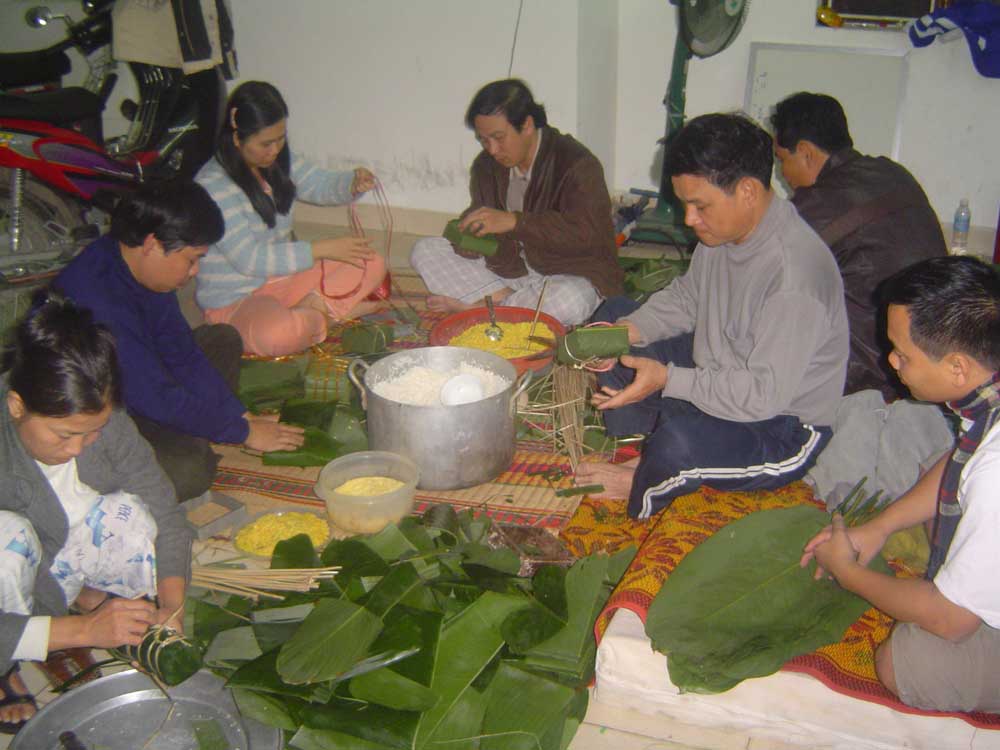 🇻🇳 VietnamTếtTết Nguyên Đán
The Vietnamese festival of the lunar new year, welcoming spring with family gatheringsFestival · Feasts and festival meals
🇻🇳 VietnamTếtTết Nguyên Đán
The Vietnamese festival of the lunar new year, welcoming spring with family gatheringsFestival · Feasts and festival meals
 🇮🇳 Ayodhya, India and 7 moreDiwaliदीपावली (Dīpāvalī)
A five-day festival of lights celebrated across India and its diaspora to mark the victory of light over darkness.Festival · Feasts and festival meals
🇮🇳 Ayodhya, India and 7 moreDiwaliदीपावली (Dīpāvalī)
A five-day festival of lights celebrated across India and its diaspora to mark the victory of light over darkness.Festival · Feasts and festival meals
 🇮🇷 Iran and 7 moreNowruzنوروز
The Iranian new year at the March equinox, kept with fire, greenery and picnicsSeasonal
🇮🇷 Iran and 7 moreNowruzنوروز
The Iranian new year at the March equinox, kept with fire, greenery and picnicsSeasonal
 🇮🇱 Jerusalem, Israel and 1 moreHanukkahחֲנֻכָּה
An eight-day Jewish festival marking the rededication of the Second Temple in Jerusalem and the miracle of a single day'Festival
🇮🇱 Jerusalem, Israel and 1 moreHanukkahחֲנֻכָּה
An eight-day Jewish festival marking the rededication of the Second Temple in Jerusalem and the miracle of a single day'Festival