Life-cycle ritesNorth AfricaMuslimChristian
Arab wedding
In its own language: زفاف or عرس
A series of ceremonies marking marriage in Arab culture, blending religious rites with regional customs.

Arab weddings are matrimonial ceremonies rooted in Arab culture across the Middle East and North Africa. They combine Islamic religious requirements with diverse local traditions, ranging from arranged family meetings to festive processions and henna celebrations.
When is Arab wedding kept?
Arab wedding is kept on varies by region, but typically follows a sequence of engagements, religious contracts, and festive receptions..
An Arab wedding is a structured celebration of matrimony that weaves together Islamic law and regional heritage. Families play a central role in arranging unions, while specific rituals like the henna night and zaffa procession mark the journey toward marriage. These events serve as public declarations of union and community bonding.
Arranged unions
Families often guide the selection of spouses to ensure compatible values and social standing. Parents investigate potential partners for traits like modesty, education, and domestic skills. In many regions, consanguineous marriages are common, particularly in Saudi Arabia and Iraq. The initial meeting usually involves the couple and their mothers in a supervised setting. Urban couples may agree on marriage privately before seeking formal family approval.
Key ceremonies
The Tulba marks the formal request for marriage, limited to close relatives. Engagement parties feature matching attire and ring exchanges on the right hand. The Radwa resolves final details among male relatives. The Nikah is the essential religious contract requiring mutual consent. A Walima reception follows, celebrating the legal union within the community framework.
Henna traditions
The henna night prepares the bride through decoration and celebration. Historically in Palestine, families danced through streets to mix henna paste. Today, female friends gather for music and dancing while applying temporary skin art. The groom receives initials on his hand. Gold gifts called Mahr are presented. Traditional embroidered dresses and thobes remain popular attire for these gatherings.
Reception festivities
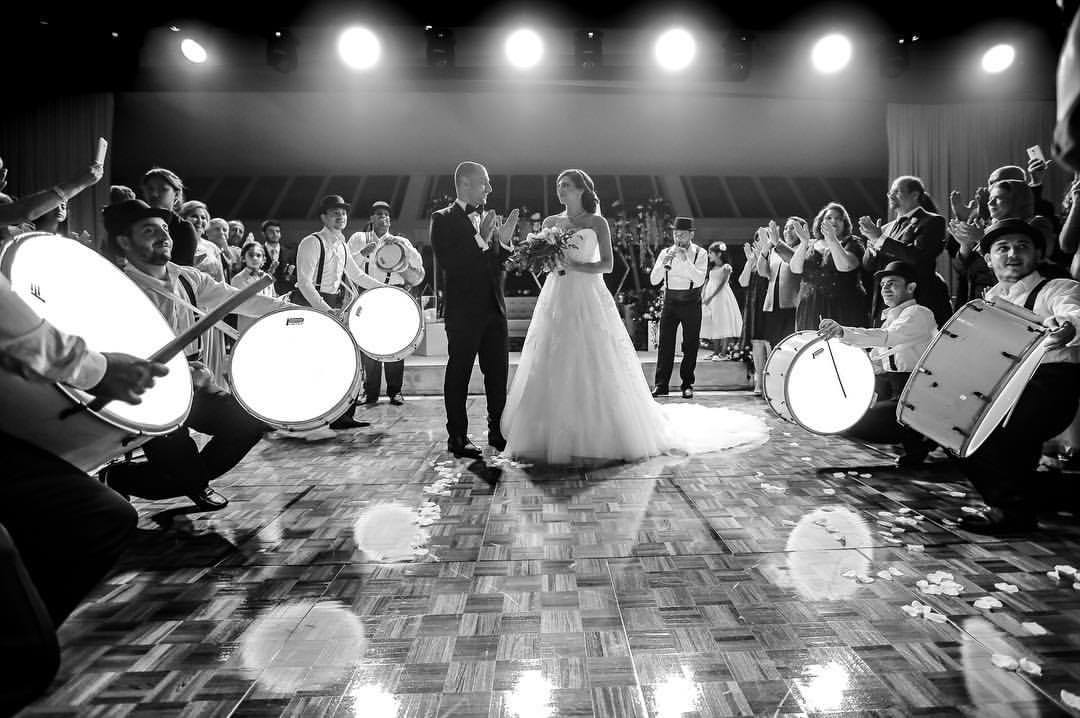
The Zaffa procession announces the wedding with regional music styles like dabkeh or dumiyati. Couples sit on a raised platform called a kosha to receive guests. Ring switching to the left hand signals the start of dancing. Entertainment includes belly dancers, singers, or DJs. Cake cutting and bouquet tossing mirror global trends. Strict families separate genders during dances, while celebratory gunfire occurs in some areas despite safety concerns.
How Arab wedding is kept
Families initiate the process by identifying compatible partners. The Tulba formalizes the union, followed by engagement parties. The henna night allows women to celebrate with music and body art. The Nikah contract fulfills religious obligations. A grand reception features processions, dancing, and feasting. Guests congratulate the couple, who may toss bouquets or cut cakes. Gender separation varies by family strictness.
When and where
Dates vary widely based on local calendars and family schedules. No single fixed month applies across all Arab nations. Events unfold sequentially over weeks or months leading to the final reception.
Practiced throughout the Arab world, with strong presence in Egypt, Palestine, Iraq, Jordan, Lebanon, and Saudi Arabia. Regional variations define specific customs like the Palestinian henna night or Egyptian kosha seating.
What Arab wedding means
The rituals emphasize family honor, community witness, and religious compliance. Henna symbolizes joy and preparation for new life. The Zaffa announces the union publicly. Consanguineous ties reinforce clan bonds. Modesty and propriety guide interactions between genders during the process.


Questions people ask about Arab wedding
When is Arab wedding kept?
Arab wedding is kept on varies by region, but typically follows a sequence of engagements, religious contracts, and festive receptions..
What is the most important part of an Arab wedding?
The Nikah is the only strictly required Islamic element. It is a religious contract where both parties consent. Other events like henna nights or large receptions are cultural additions that vary by region and family preference.
How are spouses chosen in Arab culture?
Arranged marriages are common, with families seeking partners of similar social background and values. Consanguineous marriages occur frequently in some countries. Modern urban couples may choose each other privately before family involvement.
What happens during the henna night?
Female relatives and friends gather to dance and apply henna designs to the bride's hands and feet. The groom may also receive henna. Traditional music plays, and gold gifts are often exchanged. It serves as a pre-wedding celebration.
Is there a specific dress code for guests?
Attire varies by region and family strictness. Women often wear traditional embroidered dresses or modest evening wear. Men typically wear thobes or suits. In conservative settings, gender segregation dictates separate spaces for men and women.
See also
 Mystery of CrowningA ritual where crowns are placed on the heads of the bride and groom during marriage in Eastern Christian churches.
 Islamic marital practicesIslamic wedding customs, from matchmaking and mahr to the nikah contract and walima feast.
 Henna ceremonyA night of henna patterns on a bride's hands and feet, kept before the wedding
 Eid al-FitrThe feast that ends Ramadan, opened with morning prayers, sweets and visits home
Good reading and sources
The facts on this page come from the Wikipedia article "Arab wedding", written by its contributors and used under the CC BY-SA 4.0 licence, and from its Wikidata record (CC0). EveryParampara rewrote the text in its own words, with AI assistance, and compares every page with the article to make sure no passage is copied. It may be reused under the same CC BY-SA 4.0 licence with a link back.
It may contain mistakes. Traditions differ from one family, village and community to the next, and the people who keep them know them best. If something is wrong, tell us. Last refreshed 2026-10-11.
More from Egypt
All the traditions of Egypt
🇪🇬 Egypt and 5 moreIslamic marital practices
Islamic wedding customs, from matchmaking and mahr to the nikah contract and walima feast.Rite of passage
 🇺🇸 United States and 5 moreBaby shower
A gift-giving party for a new or expected baby, kept in many countriesRite of passage
🇺🇸 United States and 5 moreBaby shower
A gift-giving party for a new or expected baby, kept in many countriesRite of passage
 🇪🇬 Thebes, EgyptAncient Egyptian funerary practices
Rites for the dead in ancient Egypt: preserving the body, spells and grave goodsRite of passage
🇪🇬 Thebes, EgyptAncient Egyptian funerary practices
Rites for the dead in ancient Egypt: preserving the body, spells and grave goodsRite of passage
 🇰🇪 Kenya and 5 moreBurial
Placing the dead in the ground or a structure to honor them and guide their journey.Rite of passage
🇰🇪 Kenya and 5 moreBurial
Placing the dead in the ground or a structure to honor them and guide their journey.Rite of passage
The same idea elsewhere
Weddings compared 🇳🇿 Auckland, New ZealandWharenui
A Māori carved communal meeting house at the centre of tribal life in New ZealandHome
🇳🇿 Auckland, New ZealandWharenui
A Māori carved communal meeting house at the centre of tribal life in New ZealandHome
 🇳🇪 In-Gall, NigerCure Salée
A yearly gathering of Tuareg and Wodaabe nomads in In-Gall to mark the end of the rainy season.Festival
🇳🇪 In-Gall, NigerCure Salée
A yearly gathering of Tuareg and Wodaabe nomads in In-Gall to mark the end of the rainy season.Festival
 🇮🇩 Indonesia and 2 moreKenduri
A communal prayer meal and gathering shared across Indonesia, Malaysia and BruneiSpiritual · Feasts and festival meals
🇮🇩 Indonesia and 2 moreKenduri
A communal prayer meal and gathering shared across Indonesia, Malaysia and BruneiSpiritual · Feasts and festival meals
 🇳🇿 New ZealandTivaevaetīvaevae
A traditional Polynesian art of artistic quilting made by women for gifts and ceremonies.Craft
🇳🇿 New ZealandTivaevaetīvaevae
A traditional Polynesian art of artistic quilting made by women for gifts and ceremonies.Craft