🇮🇶 Traditions of Iraq
23 traditions from Iraq, best known first, across 9 cities and towns.
Iraqi traditions grow out of Mesopotamia, where early writing, epic literature, and recorded cooking began along the Tigris and Euphrates rivers. Today, a multilingual society shares a deep reverence for poetry, intricate calligraphy, and generous communal meals centered on aromatic rice, slow-cooked stews, and flatbread.
Shaped by the Tigris and Euphrates rivers, Iraq holds cultural practices rooted in ancient Mesopotamia and the medieval Abbasid era. Its communities include Arabic, Kurdish, Turkmen, and Neo-Aramaic speakers who keep living literary, artistic, and culinary customs. Daily life balances historic storytelling and poetry with shared meals of aromatic long-grain rice, seasoned grilled meats, flatbreads, and tart salads, reflecting both the northern mountains and the southern river deltas.
Poetry and the written word
Writing in Iraq dates back to Sumerian cuneiform on clay tablets, producing early masterpieces like the Epic of Gilgamesh. Over millennia, verse has remained the most celebrated literary form in the country. Writers and readers hold poets in high esteem, honoring a legacy that spans ancient epics, classical works, and social commentary. In the Middle Ages, Baghdad became a renowned center for illuminated manuscripts and calligraphic arts. Today, the nation's diverse communities maintain their linguistic heritage in speech, song, and print, writing in Mesopotamian Arabic, Kurdish, Turkish, and Neo-Aramaic scripts.
Visual arts and calligraphy
Iraqi visual art traces back to ancient cylinder seals, carved stones, and moulded pottery depicting nature and spiritual figures. During the Abbasid period, Baghdad developed formal guilds and the influential Baghdad School of painting. Artists like Yahya Al-Wasiti combined expressive narrative illustration with refined script, decorating both secular tales and sacred texts. Calligraphy developed into an intricate craft, gracing manuscripts, ceramics, and architecture. Modern Iraqi painters, sculptors, and artisans continue to draw on these early geometric patterns, stonework techniques, and delicate letterforms, preserving craft traditions in pottery, metalworking, and weaving.
The culinary table
Cooking traditions in Iraq extend back thousands of years to the world's earliest recorded recipes, inscribed on Babylonian clay tablets. Meat and vegetable stews, seasoned with garlic, leeks, coriander, and cumin, remain a central part of everyday meals. Lamb is widely favored, though cooks also prepare poultry, beef, goat, and river fish. Meals routinely feature flatbread and aromatic long-grain timman anbar rice, grown along the Euphrates. Flavors balance savory, sour, and fragrant elements, utilizing dried lime, pomegranate, sumac, date syrup, cardamom, and rose water across both home cooking and festive gatherings.
Regional tastes and mezza
Dining customs vary across the country's landscape. Northern cooks often fold tart pomegranate into stuffed vegetables, while southern communities rely heavily on fresh fish, and the central plains focus on delicate sweets and grain dishes. Iraq ranks among the foremost producers of dates, which accompany both daily snacks and sweet preparations. Large meals typically begin with mezza, a spread of small savory plates served before the main course. Diners share bowls of hummus, roasted eggplant dips like baba ghanoush, pickled vegetables known as turshi, and fresh salads brightened with sumac, parsley, and toasted bread.
Languages and communities
Iraqi culture encompasses multiple distinct ethnic and religious groups with deep linguistic roots. Mesopotamian Arabic and Kurdish serve as the two official languages of the nation, while the constitution guarantees the right to mother-tongue education in Turkmen, Syriac, and Armenian. Neo-Aramaic speakers preserve the ancient Syriac script, while Turkmen communities adopted the Turkish alphabet in 2005. Smaller populations also speak Mandaic and Shabaki. This blend of tongues and writing traditions reflects centuries of coexistence across the fertile river valleys, connecting contemporary community life directly to the ancient multilingual environment of early Mesopotamia.
The facts in this overview come from the Wikipedia article "Culture of Iraq", written by its contributors and used under the CC BY-SA 4.0 licence. EveryParampara rewrote the text in its own words, with AI assistance, and compares every page with the article to make sure no passage is copied. It may be reused under the same CC BY-SA 4.0 licence with a link back.
The table in Iraq
Foods and drinks by the moment they belong to.
 🇮🇷 Iran and 7 moreNowruzنوروز
The Iranian new year at the March equinox, kept with fire, greenery and picnicsSeasonal
🇮🇷 Iran and 7 moreNowruzنوروز
The Iranian new year at the March equinox, kept with fire, greenery and picnicsSeasonal
 🇮🇶 IraqMudhifالمضيف
A traditional reed guest house kept by the Ahwari people of southern Iraq for ceremonies and hospitality.Home
🇮🇶 IraqMudhifالمضيف
A traditional reed guest house kept by the Ahwari people of southern Iraq for ceremonies and hospitality.Home
 🇮🇷 Shiraz, Iran and 1 moreKhatamخاتم
A Persian inlay craft that builds geometric patterns from thousands of tiny cut piecesCraft
🇮🇷 Shiraz, Iran and 1 moreKhatamخاتم
A Persian inlay craft that builds geometric patterns from thousands of tiny cut piecesCraft
 🇱🇧 Lebanon and 4 moreDabkeدبكة
A Levantine folk dance of linked lines and stomping steps, kept at weddings and community gatherings.Performance
🇱🇧 Lebanon and 4 moreDabkeدبكة
A Levantine folk dance of linked lines and stomping steps, kept at weddings and community gatherings.Performance
 🇪🇬 Egypt and 5 moreMizmarمزمار
A traditional double-reed instrument and drum ensemble for weddings and folk dancesPerformance
🇪🇬 Egypt and 5 moreMizmarمزمار
A traditional double-reed instrument and drum ensemble for weddings and folk dancesPerformance
 🇾🇪 Mokha, Yemen and 7 moreArabic coffeeqahwa (Arabic: قهوة)
A bitter, spiced brew served as a gesture of hospitality across the Arab world.Table custom · Tea, coffee and drinking ceremonies
🇾🇪 Mokha, Yemen and 7 moreArabic coffeeqahwa (Arabic: قهوة)
A bitter, spiced brew served as a gesture of hospitality across the Arab world.Table custom · Tea, coffee and drinking ceremonies
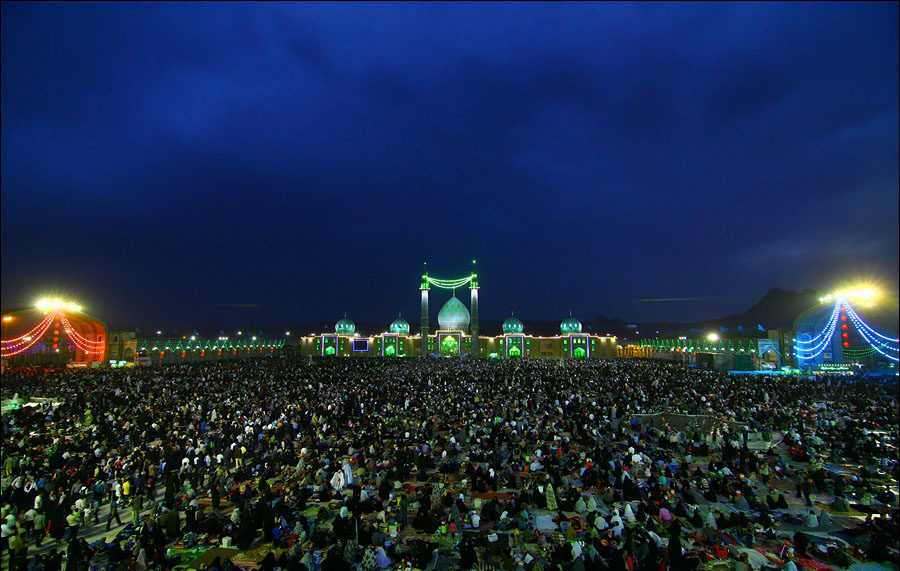 🇮🇷 Iran and 5 moreMid-Sha'banنصف شعبان
An Islamic night of prayer, remembrance, and seeking divine forgiveness.Spiritual
🇮🇷 Iran and 5 moreMid-Sha'banنصف شعبان
An Islamic night of prayer, remembrance, and seeking divine forgiveness.Spiritual
 🇮🇷 Iran and 3 morePahlevani and zurkhaneh ritualsآیین پهلوانی و زورخانهای
A traditional Iranian martial art blending calisthenics, wrestling, music and ethicsGame
🇮🇷 Iran and 3 morePahlevani and zurkhaneh ritualsآیین پهلوانی و زورخانهای
A traditional Iranian martial art blending calisthenics, wrestling, music and ethicsGame
 🇮🇱 Safed, Israel and 5 moreHakafotהַקָּפוֹת
Circling the synagogue platform with the Torah scrolls, at Sukkot and Simchat TorahSpiritual
🇮🇱 Safed, Israel and 5 moreHakafotהַקָּפוֹת
Circling the synagogue platform with the Torah scrolls, at Sukkot and Simchat TorahSpiritual
 🇹🇷 Turkey and 5 moreNewrozنەورۆز
A Kurdish spring festival and new year celebration marked by bonfires, dance, and the lighting of fires.Festival
🇹🇷 Turkey and 5 moreNewrozنەورۆز
A Kurdish spring festival and new year celebration marked by bonfires, dance, and the lighting of fires.Festival
 🇵🇸 Palestine and 5 moreKeffiyehكُوفِيَّة (kūfīyah)
A square cotton headscarf worn by men in arid parts of the Middle East and North AfricaDress
🇵🇸 Palestine and 5 moreKeffiyehكُوفِيَّة (kūfīyah)
A square cotton headscarf worn by men in arid parts of the Middle East and North AfricaDress
 🇮🇶 Karbala, Iraq and 4 moreMuharramٱلْمُحَرَّم
The sacred opening month of the Islamic year, observed through remembrance and fastingSpiritual · Fasting and breaking the fast
🇮🇶 Karbala, Iraq and 4 moreMuharramٱلْمُحَرَّم
The sacred opening month of the Islamic year, observed through remembrance and fastingSpiritual · Fasting and breaking the fast
 🇮🇷 Iran and 5 moreEid al-Ghadirعید الغدیر
A Shia Muslim festival of prayer, gifts and shared meals, kept on 18 Dhu al-HijjahSpiritual
🇮🇷 Iran and 5 moreEid al-Ghadirعید الغدیر
A Shia Muslim festival of prayer, gifts and shared meals, kept on 18 Dhu al-HijjahSpiritual
 🇪🇬 Egypt and 4 moreOudعُود (ʿūd)
A fretless, pear-shaped Middle Eastern lute, plucked with a plectrum called a rishaPerformance
🇪🇬 Egypt and 4 moreOudعُود (ʿūd)
A fretless, pear-shaped Middle Eastern lute, plucked with a plectrum called a rishaPerformance
 🇮🇶 Kufa, Iraq and 5 moreArabic calligraphykhatt (خَطّ)
Artistic handwriting of the Arabic script, practiced as a sacred craft and a living visual tradition.Craft
🇮🇷 Iran and 5 moreMid-Sha'banنصف شعبان
An Islamic night of prayer, forgiveness, ancestral remembrance and sweet offeringsSpiritual · Sweets given and shared
🇮🇶 Kufa, Iraq and 5 moreArabic calligraphykhatt (خَطّ)
Artistic handwriting of the Arabic script, practiced as a sacred craft and a living visual tradition.Craft
🇮🇷 Iran and 5 moreMid-Sha'banنصف شعبان
An Islamic night of prayer, forgiveness, ancestral remembrance and sweet offeringsSpiritual · Sweets given and shared
 🇮🇶 Karbala, Iraq and 5 moreMourning of Muharramعَزَاءُ ٱلْمُحَرَّمِ
Annual rites of grief and remembrance for Imam Husayn and his companionsSpiritual
🇮🇶 Karbala, Iraq and 5 moreMourning of Muharramعَزَاءُ ٱلْمُحَرَّمِ
Annual rites of grief and remembrance for Imam Husayn and his companionsSpiritual
 🇬🇧 United Kingdom and 2 moreShoe throwing
The act of hurling footwear for sport, wedding luck, protest or overhead display.Folklore
🇬🇧 United Kingdom and 2 moreShoe throwing
The act of hurling footwear for sport, wedding luck, protest or overhead display.Folklore
 🇮🇶 Karbala, Iraq and 3 moreTasu'aتاسوعاء
A Shia day of remembrance before Ashura, honouring Abbas and the fallen at KarbalaSpiritual
🇮🇶 Karbala, Iraq and 3 moreTasu'aتاسوعاء
A Shia day of remembrance before Ashura, honouring Abbas and the fallen at KarbalaSpiritual
 🇮🇷 Iran and 5 moreFatimiyyaفاطمیة
A Shia period of mourning honoring the life and martyrdom of Lady FatimahSpiritual
🇮🇷 Iran and 5 moreFatimiyyaفاطمیة
A Shia period of mourning honoring the life and martyrdom of Lady FatimahSpiritual
 🇸🇾 Syria and 6 moreKha b'Nisanܚܕ ܒܢܝܣܢ
A spring new year on 1 April, kept with parades, poems and dancing by AssyriansFestival
🇸🇾 Syria and 6 moreKha b'Nisanܚܕ ܒܢܝܣܢ
A spring new year on 1 April, kept with parades, poems and dancing by AssyriansFestival
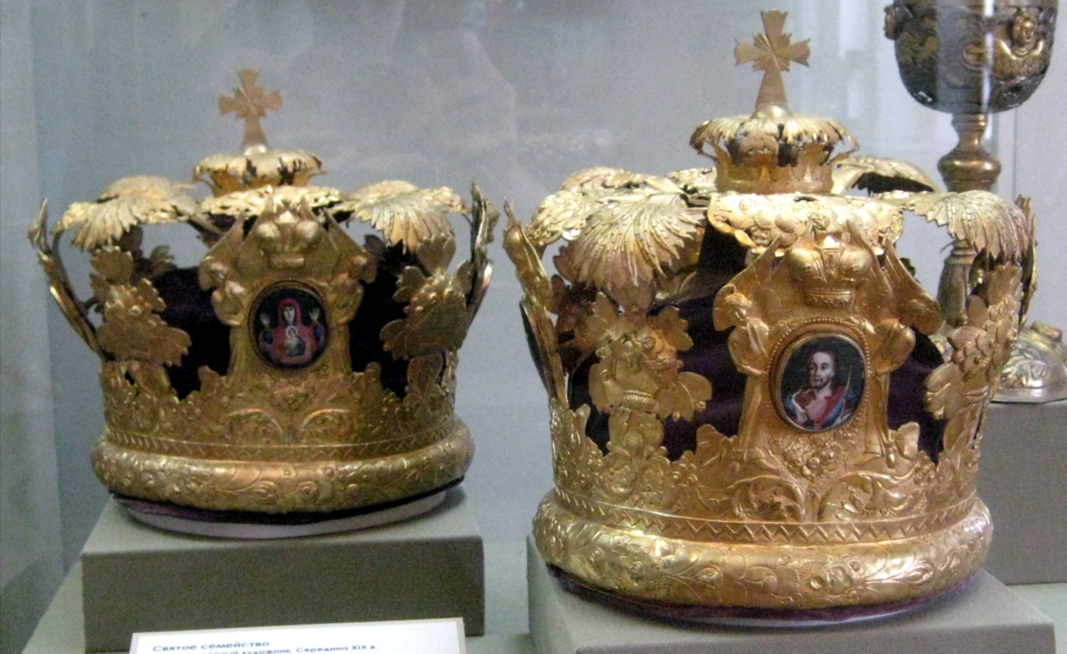 🇸🇾 Syria and 3 moreMystery of Crowning
A ritual where crowns are placed on the heads of the bride and groom during marriage in Eastern Christian churches.Rite of passage
🇸🇾 Syria and 3 moreMystery of Crowning
A ritual where crowns are placed on the heads of the bride and groom during marriage in Eastern Christian churches.Rite of passage
 🇮🇶 IraqShabbat mealsסעודות שבת
Three ritual meals eaten across the Jewish Sabbath from Friday sunset to Saturday nightTable custom · Dinner
🇮🇶 IraqShabbat mealsסעודות שבת
Three ritual meals eaten across the Jewish Sabbath from Friday sunset to Saturday nightTable custom · Dinner
Photo credits on this page
The small pictures above come from Wikimedia Commons under free licences. Some are cropped to fit.
- Shabbat meals: Yoninah, Public domain, source
- Mid-Sha'ban: sayyed shahab-o- din vajedi, CC BY 4.0, source
- Khatam: Fabienkhan, Public domain, source
- Pahlevani and zurkhaneh rituals: Hossein Khosravi, CC BY 4.0, source
- Nowruz: Katzenfee50, CC0, source
- Muharram: Victor Armand Poirson, Public domain, source
- Mizmar: dalbera, CC BY 2.0, source
- Dabke: Sarah Canbel, CC BY-SA 4.0, source
- Arabic coffee: Canbel, CC BY-SA 4.0, source
- Newroz: Salar Arkan - سالار ارکان, CC BY-SA 4.0, source
- Mudhif: Hassan Janali, U.S. Army Corps of Engineers, Public domain, source
- Hakafot: Meir624, CC BY-SA 3.0, source
- Keffiyeh: Copyright World Economic Forum ( www.weforum.org ) swiss-image.ch/Phot, CC BY-SA 2.0, source
- Eid al-Ghadir: khamenei.ir, CC BY 4.0, source
- Oud: Creator:Manol (Emmanuel Venios), CC0, source
- Kha b'Nisan: Athrakado, CC BY-SA 4.0, source
- Arabic calligraphy: Aieman Khimji, CC BY 2.0, source
- Shoe throwing: Zarateman, CC0, source
- Tasu'a: Alirajabzadeh49, CC BY 4.0, source
- Mourning of Muharram: Naser Jafari, CC BY 4.0, source
- Fatimiyya: Mohsen Ataei, CC BY 4.0, source
- Mystery of Crowning: Shakko, CC BY-SA 3.0, source