Life-cycle ritesSub-Saharan AfricaChristianJewish
Burial
Placing the dead in the ground or a structure to honor them and guide their journey.

Burial, also called interment, places a body in the earth or a tomb, often with objects or markers. People keep it to show respect, help families find closure, and follow beliefs about the afterlife or returning to nature. The practice spans from ancient times to modern green burials across many cultures.
When is Burial kept?
Burial is kept on after death, following a funeral.
Burial, known as interment, is the practice of placing a deceased person into the ground or a structure like a mausoleum. Communities around the world maintain this custom to honor the dead, provide comfort to grieving families, and support beliefs regarding the afterlife or the natural cycle. Methods range from ancient stone tools to modern green burials, reflecting diverse cultural and religious values.
Origins and history
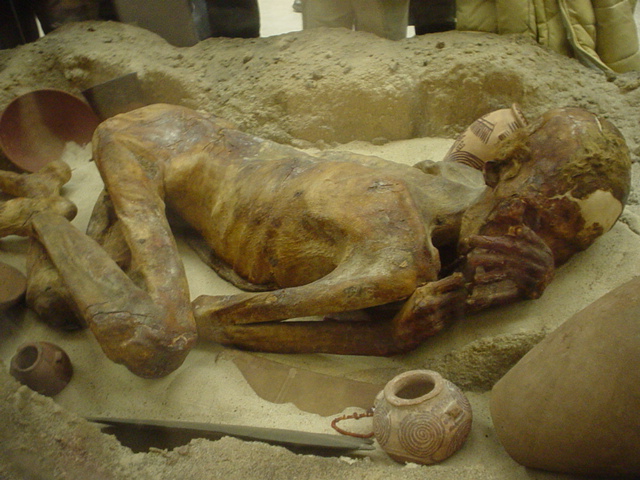
Archaeological finds show Neanderthals buried their dead with tools and bones over 100,000 years ago. Sites in Israel, Croatia, and Kenya reveal early graves, some stained with red ochre. Ancient Egypt developed round graves during the Predynastic period. Medieval Europe saw complex rituals where correct burial ensured the soul's salvation, with bodies laid head-up facing east. Reopening graves was common in early medieval cemeteries across Western and Central Europe.
Reasons for the practice
People bury the dead to show respect and prevent scavengers from disturbing remains. It helps families find closure by hiding the physical decay. Many cultures view burial as essential for reaching the afterlife or returning to nature. While some believe it prevents unpleasant odors, health organizations note it is rarely required for sanitation unless the body carries an infectious disease. Practices vary widely based on religious rules and cultural desires to guide or banish the deceased.
Methods and variations
Bodies are placed in pits, shrouds, coffins, or vaults, sometimes with grave goods. Depth varies by region; while six feet is a myth, local laws dictate soil cover. Natural or green burial allows the body to decompose in biodegradable materials, gaining popularity in the UK, US, Canada, and Australia. Alternatives include cremation, which is standard in Japan and India, and sky burials in Tibet where remains feed scavengers. Some religions consecrate special ground, while others allow private family plots.
How Burial is kept
Families prepare the body with shrouds or ceremonial dress and place it in a grave, coffin, or structure. Objects may accompany the deceased. Rituals often involve prayers, masses, or torch-lit processions to church. The body is positioned according to faith, such as facing east. Markers like headstones record the location. Modern variations include natural burial in eco-friendly sites or cremation followed by interment. The process aims to honor the dead, protect the environment, or fulfill spiritual requirements for the soul's journey.
When and where
This custom occurs after a person dies, usually following a funeral service. The timing depends on local regulations and family arrangements. There is no fixed calendar date, as it responds to individual lives ending. Practices vary by region, with some cultures performing immediate interment while others wait for seasonal or religious observances.
Burial takes place in cemeteries, tombs, mausoleums, and natural sites across the globe. Strong traditions exist in Egypt, Israel, Kenya, the United Kingdom, the United States, Canada, Australia, Japan, and India. Locations range from public grave fields to private family plots, with some communities burying the dead near inhabited areas and others placing them far away.
What Burial means
Burial signifies respect for the physical remains and supports beliefs about the afterlife or returning to the earth. It offers families closure by managing the sight of decomposition. Positioning the body, such as facing east, reflects hopes for resurrection. Green burials symbolize a return to nature and environmental care, while ancient grave goods indicate concern for the deceased beyond daily life.



Questions people ask about Burial
When is Burial kept?
Burial is kept on after death, following a funeral.
What is burial?
Burial, or interment, is the act of placing a dead body into the ground or a structure like a tomb. It is a universal practice used to honor the deceased, assist grieving families, and fulfill religious or cultural beliefs about the afterlife or nature.
Why do people bury the dead?
Communities bury the dead to show respect, prevent disturbance by animals, and help families achieve closure. Many faiths consider it necessary for the soul to reach the afterlife or return to the earth. It also manages decomposition and follows specific religious guidelines.
Are there different types of burial?
Yes. Traditional burial uses coffins and graves. Natural or green burial allows decomposition in biodegradable materials. Sky burial feeds remains to scavengers. Cremation is another option, often followed by interment. Methods vary by culture, religion, and environmental preferences.
See also
 YahrzeitA Jewish death anniversary marked by prayer and a burning candle to honour the departed.
 Rite of passageA ceremony that marks leaving one group and entering another, with a new status
 WakeA gathering before a funeral, where family and friends keep watch over the dead
 AntyestiThe traditional Hindu funeral ceremony and final rite of passage
Good reading and sources
- Encyclopaedia BritannicaArticle
- Death with a differenceDeutsche Welle, Article
- BBC NEWS | AfricaBBC, Article
- Death with a differenceDeutsche Welle, Article
- BBC NEWS | AfricaBBC, Article
- Burial on WikipediaEncyclopedia
- More photos on Wikimedia CommonsPhotos and video
- Wikidata recordOpen data
The facts on this page come from the Wikipedia article "Burial", written by its contributors and used under the CC BY-SA 4.0 licence, and from its Wikidata record (CC0). EveryParampara rewrote the text in its own words, with AI assistance, and compares every page with the article to make sure no passage is copied. It may be reused under the same CC BY-SA 4.0 licence with a link back.
It may contain mistakes. Traditions differ from one family, village and community to the next, and the people who keep them know them best. If something is wrong, tell us. Last refreshed 2026-10-05.
More from Kenya
All the traditions of Kenya 🇿🇦 Cape Town, South Africa and 5 moreTooth ablation
A global custom of deliberately removing healthy teeth for social, ritual, or aesthetic reasons.Rite of passage
🇿🇦 Cape Town, South Africa and 5 moreTooth ablation
A global custom of deliberately removing healthy teeth for social, ritual, or aesthetic reasons.Rite of passage
 🇰🇪 Kenya and 1 moreAdumuEnkipaata
A Maasai warrior dance of high jumps from a circle, done at weddings and ritesPerformance
🇰🇪 Kenya and 1 moreAdumuEnkipaata
A Maasai warrior dance of high jumps from a circle, done at weddings and ritesPerformance
 🇰🇪 Kenya and 5 moreKitenge
A printed cloth tied at the waist or chest, worn as a wrap, head cover or baby slingDress
🇰🇪 Kenya and 5 moreKitenge
A printed cloth tied at the waist or chest, worn as a wrap, head cover or baby slingDress
 🇹🇿 Tanzania and 4 moreKanga
A colourful printed cotton wrap bearing proverbs, worn across East AfricaDress
🇹🇿 Tanzania and 4 moreKanga
A colourful printed cotton wrap bearing proverbs, worn across East AfricaDress
The same idea elsewhere
Death and mourning compared 🇲🇽 Mexico City, Mexico and 1 moreDay of the DeadDía de Muertos
A Mexican remembrance of deceased family and friends with altars, marigolds and feastsFestival · Sweets given and shared
🇲🇽 Mexico City, Mexico and 1 moreDay of the DeadDía de Muertos
A Mexican remembrance of deceased family and friends with altars, marigolds and feastsFestival · Sweets given and shared
 🇳🇿 New Zealand and 2 moreMarae
A cleared, sacred gathering place at the heart of Māori and Polynesian community lifeSpiritual
🇳🇿 New Zealand and 2 moreMarae
A cleared, sacred gathering place at the heart of Māori and Polynesian community lifeSpiritual
 🇼🇸 Samoa and 1 moreʻIe tōga
Precious woven mats exchanged in Samoan ceremonies to honor family ties and chiefly status.Dress
🇼🇸 Samoa and 1 moreʻIe tōga
Precious woven mats exchanged in Samoan ceremonies to honor family ties and chiefly status.Dress
 🇹🇱 Timor-LesteUma Lulik
Sacred ancestral clan houses and ritual shrines in East TimorSpiritual
🇹🇱 Timor-LesteUma Lulik
Sacred ancestral clan houses and ritual shrines in East TimorSpiritual