Festivals and celebrationsEuropeChristian
Busójárás
A six-day winter carnival of carved wooden masks, folk music, and parades in Mohács

Busójárás is a six-day carnival held each February in the town of Mohács, Hungary, kept by the local Šokci community. Disguised participants called Busós wear fierce carved masks, dance to folk music, and parade through the streets to banish the cold before Ash Wednesday arrives.
When is Busójárás marked?
Busójárás is kept as part of Shrove Tuesday and Mardi Gras, which is on Tuesday, 9 February 2027.
Busójárás is a winter carnival celebrated every February in the Hungarian town of Mohács. Maintained by the Šokci community, this six-day festival marks the close of the carnival period before the start of Lent. Participants disguise themselves in frightening wooden masks, marching through streets filled with folk music, lively dances, and community gatherings to drive away the winter chill.
The carnival schedule
The festival unfolds across six days, starting on a Thursday and concluding on the following Tuesday. Festivities gain momentum on Friday with Little Farsang, leading into the central parade on Farsang Sunday. Mohács fills with masquerading groups, musical performances, and dances in public squares. On Shrove Tuesday, known locally as the Burial of Farsang, the town gathers to conclude the carnival season before Ash Wednesday begins. Masked groups from nearby countries, including Croatia, Serbia, Slovenia, and Poland, travel to Mohács to participate alongside local residents.
Legends of the masks
Mohács residents share two accounts explaining the custom. The most popular tale dates back to Ottoman rule, when locals fled into surrounding marshes and forests to hide from soldiers. A mysterious elder visited their campfire, instructing them to carve frightful masks and weapons and wait for a knight on a stormy night. When the rider appeared, the masked townsfolk returned, making a deafening commotion that terrified the garrison into fleeing before daybreak. An older belief simply describes the costumed figures driving away winter itself.
Masks and masquerade
The central figures of the celebration are the Busós, individuals dressed in handcrafted, frightening face coverings. These dramatic wooden masks, paired with traditional carnival dress, form the visual heart of every procession. As these masked figures walk through Mohács, they play folk music, make loud noises, and interact with the assembled crowds. The tradition blends local Šokci heritage with broader regional carnival customs, bringing visiting troupes together in shared public dances and masquerades.
How Busójárás is kept
The gathering begins on a Thursday and continues through Shrove Tuesday. Costumed participants called Busós put on carved wooden masks and walk through Mohács in lively processions. Street parades, masquerading, and traditional dancing accompany folk musicians throughout the town. Groups from neighbouring nations join local Šokci teams during the celebrations. On Friday, the town observes Little Farsang, followed by the largest parade on Sunday. The carnival closes on Tuesday with the ritual burial of the festival season.
When and where
Busójárás takes place annually in February across the final six days of the farsang carnival season. It begins on a Thursday and runs until Shrove Tuesday, ending right before Ash Wednesday.
The festival is held in Mohács, a town in southern Hungary. It is an established tradition of the local Šokci Croatian community, though visiting masked groups from Croatia, Serbia, Slovenia, and Poland also attend.
What Busójárás means
To the Šokci people, the custom honours the historical courage of their ancestors who frightened away Ottoman forces during their occupation of the region. An older layer of meaning treats the loud, masked figures as a ritual way to banish the dark winter season and welcome warmer days.


Days Busójárás is marked
Questions people ask about Busójárás
When is Busójárás marked?
Busójárás is kept as part of Shrove Tuesday and Mardi Gras, which is on Tuesday, 9 February 2027.
What is Busójárás?
Busójárás is an annual six-day carnival in Mohács, Hungary. Organized by the Šokci community, it features people in carved wooden masks, folk music, dancing, and street parades marking the end of the winter carnival season.
Who are the Busós?
Busós are carnival participants who dress up in scary carved wooden masks. According to local stories, their appearance is modelled on ancestors who used masks and noise to frighten away enemy troops.
Who takes part in the celebrations?
The festival is maintained by the local Šokci community in Mohács. They are joined by guest masquerade troupes travelling from Poland, Slovenia, Serbia, and Croatia.
See also
 NowruzThe Iranian new year at the March equinox, kept with fire, greenery and picnics
 Christmas EveThe evening before Christmas, marked by church services, family meals, and gift preparations across Christian cultures.
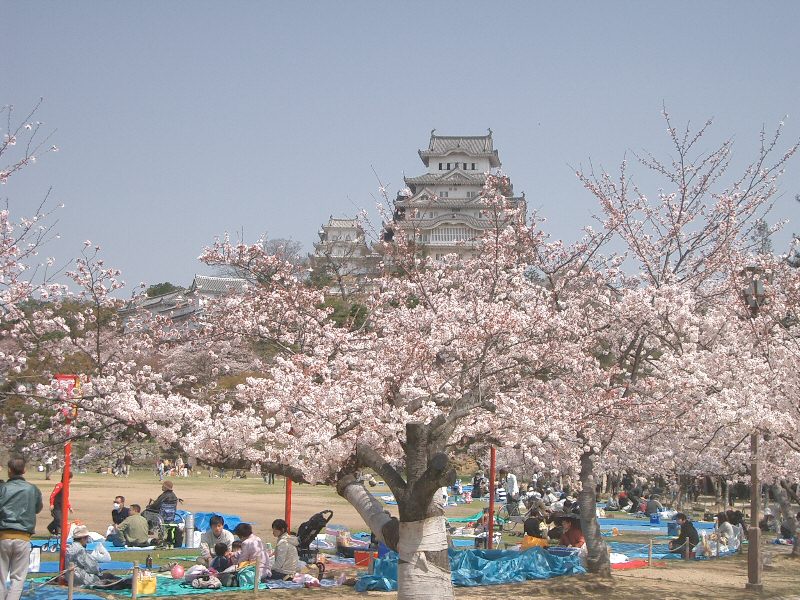 HanamiA Japanese spring custom of gathering under blooming cherry trees to eat, drink, and celebrate the fleeting beauty of th
 NavaratriA nine-night Hindu festival honoring the goddess Durga and her nine forms through prayer, fasting, and dance.
Good reading and sources
- Busójárás on WikipediaEncyclopedia
- More photos on Wikimedia CommonsPhotos and video
- Wikidata recordOpen data
The facts on this page come from the Wikipedia article "Busójárás", written by its contributors and used under the CC BY-SA 4.0 licence, and from its Wikidata record (CC0). EveryParampara rewrote the text in its own words, with AI assistance, and compares every page with the article to make sure no passage is copied. It may be reused under the same CC BY-SA 4.0 licence with a link back.
It may contain mistakes. Traditions differ from one family, village and community to the next, and the people who keep them know them best. If something is wrong, tell us. Last refreshed 2026-10-04.
More from Hungary
All the traditions of Hungary 🇩🇪 Nuremberg, Germany and 5 moreChristkind
The traditional Christmas Eve gift-bringer across Central Europe and Latin AmericaFestival
🇩🇪 Nuremberg, Germany and 5 moreChristkind
The traditional Christmas Eve gift-bringer across Central Europe and Latin AmericaFestival
 🇩🇪 Saalfeld, Germany and 5 moreEaster egg treeOstereierbaum
A German springtime custom of dressing living trees and branches with blown eggsFestival
🇩🇪 Saalfeld, Germany and 5 moreEaster egg treeOstereierbaum
A German springtime custom of dressing living trees and branches with blown eggsFestival
 🇩🇪 Germany and 5 moreMaypole
A tall wooden pole, garlanded and danced around, raised at May Day, Whitsun or MidsummerFestival
🇩🇪 Germany and 5 moreMaypole
A tall wooden pole, garlanded and danced around, raised at May Day, Whitsun or MidsummerFestival
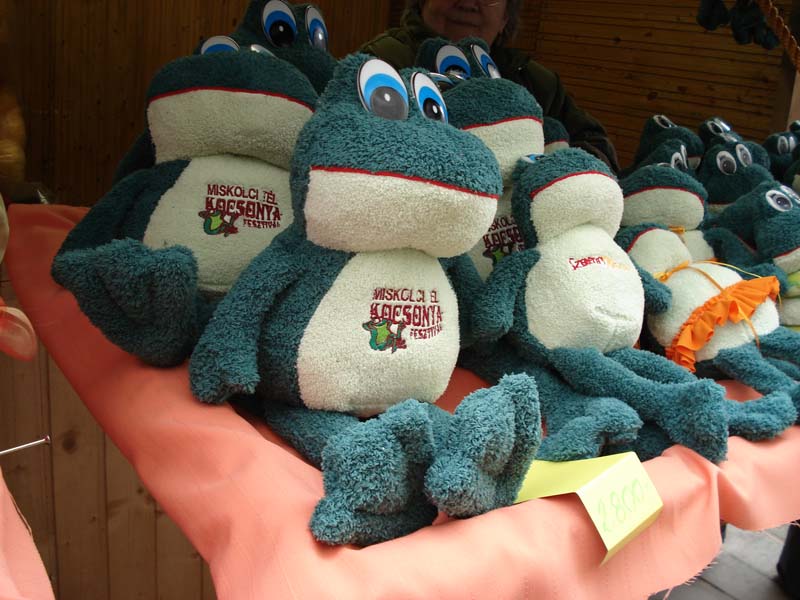 🇭🇺 Miskolc, HungaryKocsonya FestivalKocsonyafesztivál
An annual winter food and culture festival held in Miskolc, HungaryFestival · Feasts and festival meals
🇭🇺 Miskolc, HungaryKocsonya FestivalKocsonyafesztivál
An annual winter food and culture festival held in Miskolc, HungaryFestival · Feasts and festival meals
The same idea elsewhere
Spring and renewal compared 🇺🇸 United States and 1 moreSaint Patrick's Day in the United States
An annual celebration of Irish heritage across America with parades, feasts and green dyeFestival · Dinner
🇺🇸 United States and 1 moreSaint Patrick's Day in the United States
An annual celebration of Irish heritage across America with parades, feasts and green dyeFestival · Dinner
 🇮🇳 Ayodhya, India and 5 moreRama Navamiराम नवमी
A Hindu spring festival marking the birth of Rama with prayer, fasting and processionsFestival
🇮🇳 Ayodhya, India and 5 moreRama Navamiराम नवमी
A Hindu spring festival marking the birth of Rama with prayer, fasting and processionsFestival
 🇨🇴 Barranquilla, ColombiaBarranquilla CarnivalCarnaval de Barranquilla
A four-day street festival of music, masquerade and dance in coastal ColombiaFestival
🇨🇴 Barranquilla, ColombiaBarranquilla CarnivalCarnaval de Barranquilla
A four-day street festival of music, masquerade and dance in coastal ColombiaFestival
 🇮🇳 IndiaMahavir Janma Kalyanak
A Jain festival of temple worship, street processions and acts of charitySpiritual
🇮🇳 IndiaMahavir Janma Kalyanak
A Jain festival of temple worship, street processions and acts of charitySpiritual