Customs of food and drinkNorth AmericaChristian
Birria
A rich, seasoned meat stew from western Mexico, cooked for gatherings and holidays

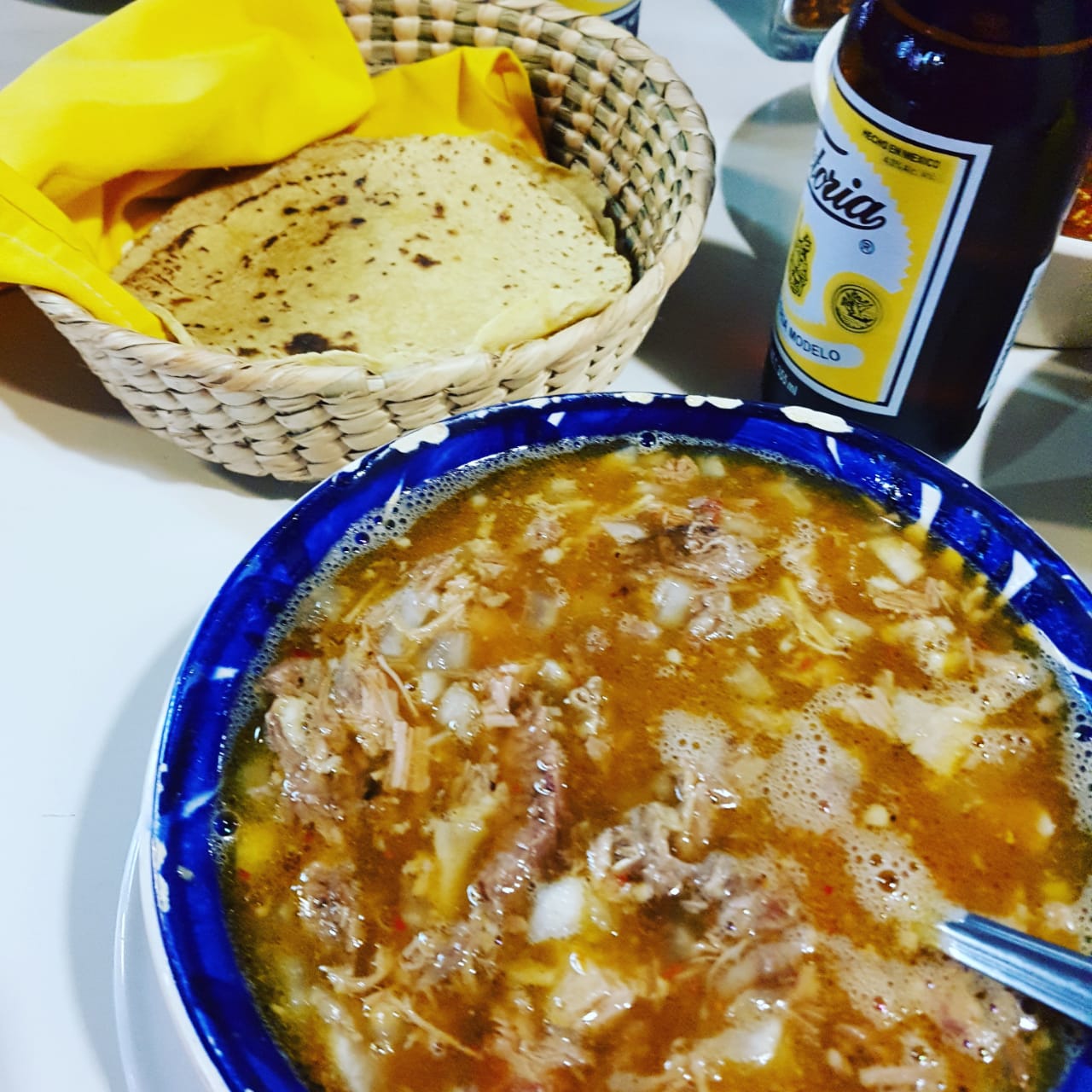
Birria is a savoury meat dish from western Mexico, traditionally made by simmering marinated goat, beef or lamb in a spiced broth. Families and cooks prepare it for weddings, baptisms, funerals, and major holidays, serving the tender meat with tortillas, lime and fresh garnishes.
When is Birria marked?
Birria is kept as part of Christmas, which is on Friday, 25 December 2026.
Birria is a slow-simmered meat stew from western Mexico, rooted in the cooking traditions of Jalisco. Cooked with goat, lamb, or beef that has rested in an aromatic chile marinade, it produces both succulent meat and a deeply flavoured broth called consomé. Communities across Mexico share the dish at landmark family milestones and religious feasts, while street vendors and specialised diners serve it daily in tacos and bowls.
Marinade and slow cooking
Preparing the dish begins by bathing the meat in an adobo made from vinegar, garlic, dried chiles, and seasonings such as cumin, thyme, and bay leaves. In traditional kitchens, the meat cooks slowly in liquid until it falls apart easily. Another approach, known as birria tatemada, finishes the stewed cuts in a hot oven so the edges become crisp. The cooking juices yield a concentrated broth known as consomé. Diners receive the meat alongside fresh corn tortillas, chopped raw onions, fresh cilantro, and lime wedges, often spooning the hot broth over the meat or dipping warm tacos directly into the bowl.
Occasions and community life
In western Mexico, birria is closely tied to community gatherings. Families serve it during life-cycle events including weddings, infant baptisms, and funerals, as well as during holy festivals such as Christmas and Easter. Specialised eateries and street stalls dedicated to the dish, known as birrierías, operate throughout Jalisco, Michoacán, and neighbouring states like Colima, Zacatecas, and Aguascalientes. Originally eaten directly by hand or scooped with flatbreads and tortillas, it remains a centrepiece for communal dining where guests gather around large pots of steaming stew.
Origins and folk stories
Early definitions treated the dish as a regional form of barbacoa, an earth-oven cooking technique. Folk legends link its start to the arrival of Spanish colonists in 1519, who introduced domestic goats to the region. As goat herds multiplied, colonists gave the animals to local populations, who softened the tough meat using native chile marinades. Another local story claims a shepherd invented it when volcanic steam cooked goats trapped inside a cave. Scholars have debated the name itself, with some finding roots in the indigenous Coca language and others linking it to an old Spanish term for something worthless.
Modern adaptations
Over the decades, cooks have adapted the stew to local tastes and modern street food culture. In 1950, street vendor Guadalupe Zárate began selling beef birria with extra broth in Tijuana, creating a regional style that popularised consomé. Tijuana later gave rise to the quesabirria, a cheese-filled taco that gained massive popularity across North America during the 2010s. In Mexico City, chef Antonio de Livier merged the recipe with wheat noodles to create birriamen, which later found a following in Los Angeles. Despite new forms, the essential mix of spiced broth and tender meat remains intact.
How Birria is kept
Cooks marinate chunks of goat, lamb, or beef in an adobo seasoned with vinegar, garlic, dried chiles, cumin, and bay leaves. The meat stews gently until tender, creating a savoury broth known as consomé. It is ladled into deep bowls or served shredded inside tacos. Guests and customers garnish their portions with chopped raw onions, cilantro, and freshly squeezed lime juice, eating the meat with warm corn tortillas and drinking or dipping into the hot broth.
When and where
People prepare birria for major annual festivals including Christmas and Easter. It is also cooked year-round for major family occasions such as baptisms, weddings, and funerals, and served daily at neighbourhood stalls.
The dish comes from western Mexico, particularly the state of Jalisco. It is widely eaten across Michoacán, Zacatecas, Colima, Aguascalientes, and Tijuana, and has spread into the United States.
What Birria means
To its makers, birria represents the resourceful transformation of humble ingredients into festive fare. Historically linked to communal celebrations, sharing the warm, spiced stew and its broth signals hospitality during joyful weddings and comfort during times of mourning at funerals.
On the table
- goat
- beef
- lamb
- consomé
- corn tortillas
- tacos
- adobo
- quesabirria


Days Birria is marked
Questions people ask about Birria
When is Birria marked?
Birria is kept as part of Christmas, which is on Friday, 25 December 2026.
What is birria?
Birria is a traditional Mexican meat dish made from goat, beef, or lamb. The meat is soaked in a spiced chile marinade and simmered in a savoury broth called consomé.
Where does birria come from?
The dish originates in western Mexico, especially within the state of Jalisco. Today it is prepared throughout Mexico, including regions such as Michoacán and Tijuana, as well as in the United States.
How is birria usually served?
The stewed meat is served in bowls of hot broth or wrapped in tacos. Diners accompany it with warm corn tortillas, cilantro, diced onions, and fresh lime.
See also


Good reading and sources
- Hernán Cortés - Biography, Facts & AccomplishmentsHistory.com, Article
- Hernán Cortés - Biography, Facts & AccomplishmentsHistory.com, Article
- Birria on WikipediaEncyclopedia
- More photos on Wikimedia CommonsPhotos and video
- Wikidata recordOpen data
The facts on this page come from the Wikipedia article "Birria", written by its contributors and used under the CC BY-SA 4.0 licence, and from its Wikidata record (CC0). EveryParampara rewrote the text in its own words, with AI assistance, and compares every page with the article to make sure no passage is copied. It may be reused under the same CC BY-SA 4.0 licence with a link back.
It may contain mistakes. Traditions differ from one family, village and community to the next, and the people who keep them know them best. If something is wrong, tell us. Last refreshed 2026-10-04.
More from Mexico
All the traditions of Mexico 🇪🇸 Spain and 1 moreTapasTapa
Small Spanish snacks or appetizers served hot or cold, often shared among friends.Table custom · Tea-time and snacking customs
🇪🇸 Spain and 1 moreTapasTapa
Small Spanish snacks or appetizers served hot or cold, often shared among friends.Table custom · Tea-time and snacking customs
 🇻🇳 Hanoi, Vietnam and 5 morePhophở
A Vietnamese noodle soup of broth and rice noodles, served hot with beef or chicken.Table custom · Breakfast
🇻🇳 Hanoi, Vietnam and 5 morePhophở
A Vietnamese noodle soup of broth and rice noodles, served hot with beef or chicken.Table custom · Breakfast
 🇲🇽 Mexico City, Mexico and 1 moreDay of the DeadDía de Muertos
A Mexican remembrance of deceased family and friends with altars, marigolds and feastsFestival · Sweets given and shared
🇲🇽 Mexico City, Mexico and 1 moreDay of the DeadDía de Muertos
A Mexican remembrance of deceased family and friends with altars, marigolds and feastsFestival · Sweets given and shared
 🇺🇸 United States and 5 moreNational day of mourning
A day a government sets aside for national grief, often marked by flags at half-mastCeremony
🇺🇸 United States and 5 moreNational day of mourning
A day a government sets aside for national grief, often marked by flags at half-mastCeremony
The same idea elsewhere
Weddings compared 🇮🇳 India and 1 moreAkhand Pathਅਖੰਡ ਪਾਠ
The unbroken, continuous reading of the entire Sikh scripture over two daysSpiritual
🇮🇳 India and 1 moreAkhand Pathਅਖੰਡ ਪਾਠ
The unbroken, continuous reading of the entire Sikh scripture over two daysSpiritual
 🇮🇩 Indonesia and 2 moreKenduri
A communal prayer meal and gathering shared across Indonesia, Malaysia and BruneiSpiritual · Feasts and festival meals
🇮🇩 Indonesia and 2 moreKenduri
A communal prayer meal and gathering shared across Indonesia, Malaysia and BruneiSpiritual · Feasts and festival meals
 🇹🇱 Timor-LesteUma Lulik
Sacred ancestral clan houses and ritual shrines in East TimorSpiritual
🇹🇱 Timor-LesteUma Lulik
Sacred ancestral clan houses and ritual shrines in East TimorSpiritual
 🇱🇻 LatviaDaina
Short, traditional Latvian folk songs and verses sung across the human life cyclePerformance
🇱🇻 LatviaDaina
Short, traditional Latvian folk songs and verses sung across the human life cyclePerformance