Traditions with chilli
Chilli, the fruit of plants native to the Americas, spread round the world after 1492 and was adopted with such enthusiasm that many people think of it as indigenous to their own cuisines.
Chilli, the fruit of plants native to the Americas, spread round the world after 1492 and was adopted with such enthusiasm that many people think of it as indigenous to their own cuisines. From Mexican moles and Sichuan hot pots to Thai curries, Ethiopian berbere, Korean kimchi and Indian pickles, chilli gives heat and colour. Its use is bound up with custom: with what a guest can bear, and with what a family cooks at festivals. These pages describe where and how chilli is used.
Where it is used
In Mexico, dried and fresh chillies make the mole of festivals, such as mole poblano for weddings and the Day of the Dead. In Korea, gochugaru colours kimchi, which families make together in the autumn kimjang. In Ethiopia, berbere spices the doro wat served at holidays. In Sichuan, chillies are paired with Sichuan pepper, in Thailand with lemongrass and lime, and in India, with nearly everything, in countless forms.
What it means
Chilli stands for vigour and warmth. In India and Mexico, a string of chillies and a lime hangs at the door to ward off the evil eye. In Korea, red chilli is hung on the straw rope at a baby's birth to protect the child. Eating a dish hot is often a point of pride, and a host will adjust the heat for guests. Chilli festivals and eating contests are a modern part of the tradition.
Written by the EveryParampara desk with AI assistance. Background on Chilli (spice). Customs differ from place to place and family to family. If this is your tradition and we have it wrong, tell us.
 🇨🇳 China and 5 morePostpartum confinement
A period of rest, nourishment, and seclusion for mothers after giving birth.Rite of passage
🇨🇳 China and 5 morePostpartum confinement
A period of rest, nourishment, and seclusion for mothers after giving birth.Rite of passage
 🇪🇸 Spain and 1 moreTapasTapa
Small Spanish snacks or appetizers served hot or cold, often shared among friends.Table custom · Tea-time and snacking customs
🇪🇸 Spain and 1 moreTapasTapa
Small Spanish snacks or appetizers served hot or cold, often shared among friends.Table custom · Tea-time and snacking customs
 🇨🇳 Shanghai, China and 1 moreJiaozi餃子
Crescent Chinese dumplings filled with meat or vegetables, eaten for fortune and feastsTable custom · Breakfast
🇨🇳 Shanghai, China and 1 moreJiaozi餃子
Crescent Chinese dumplings filled with meat or vegetables, eaten for fortune and feastsTable custom · Breakfast
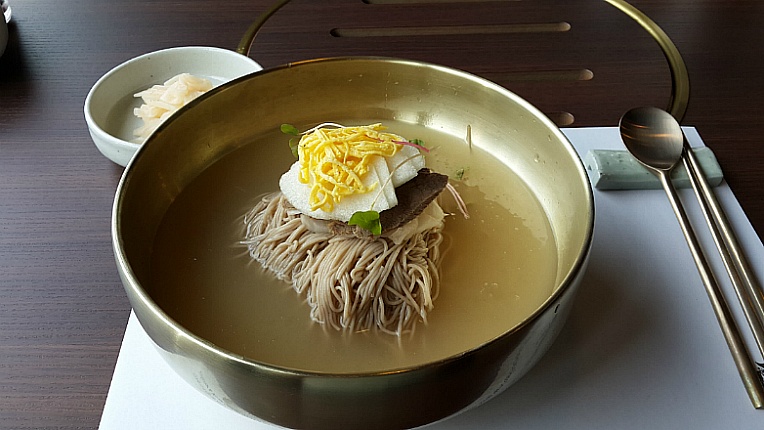 🇰🇵 Pyongyang, North Korea and 3 moreNaengmyeon냉면
Long buckwheat noodles in icy broth, born in North Korea and eaten most in summerTable custom · Dinner
🇰🇵 Pyongyang, North Korea and 3 moreNaengmyeon냉면
Long buckwheat noodles in icy broth, born in North Korea and eaten most in summerTable custom · Dinner
 🇮🇳 India and 1 moreUgadiఉగాది
A South Indian New Year feast celebrating life with sweet, sour, and bitter tastesSeasonal
🇮🇳 India and 1 moreUgadiఉగాది
A South Indian New Year feast celebrating life with sweet, sour, and bitter tastesSeasonal
 🇮🇷 Mashhad, Iran and 7 moreIftarإفطار
The sunset meal that breaks the Ramadan fast, eaten with family and communityTable custom · Fasting and breaking the fast
🇮🇷 Mashhad, Iran and 7 moreIftarإفطار
The sunset meal that breaks the Ramadan fast, eaten with family and communityTable custom · Fasting and breaking the fast
 🇱🇰 Sri LankaKiribathකිරිබත්
Rice cooked in coconut milk, the dish of Sinhalese New Year and family beginningsTable custom · Breakfast
🇱🇰 Sri LankaKiribathකිරිබත්
Rice cooked in coconut milk, the dish of Sinhalese New Year and family beginningsTable custom · Breakfast
 🇮🇳 IndiaSadyaസദ്യ
A vegetarian feast from Kerala, served on a banana leaf at Onam, Vishu and weddingsTable custom · Lunch
🇮🇳 IndiaSadyaസദ്യ
A vegetarian feast from Kerala, served on a banana leaf at Onam, Vishu and weddingsTable custom · Lunch
 🇲🇽 Tijuana, Mexico and 1 moreBirria
A rich, seasoned meat stew from western Mexico, cooked for gatherings and holidaysTable custom · Feasts and festival meals
🇲🇽 Tijuana, Mexico and 1 moreBirria
A rich, seasoned meat stew from western Mexico, cooked for gatherings and holidaysTable custom · Feasts and festival meals
 🇻🇳 Saigon, Vietnam and 5 moreBánh mì
A Vietnamese baguette sandwich filled with meats, pickles, herbs, and condiments.Table custom · Breakfast
🇻🇳 Saigon, Vietnam and 5 moreBánh mì
A Vietnamese baguette sandwich filled with meats, pickles, herbs, and condiments.Table custom · Breakfast
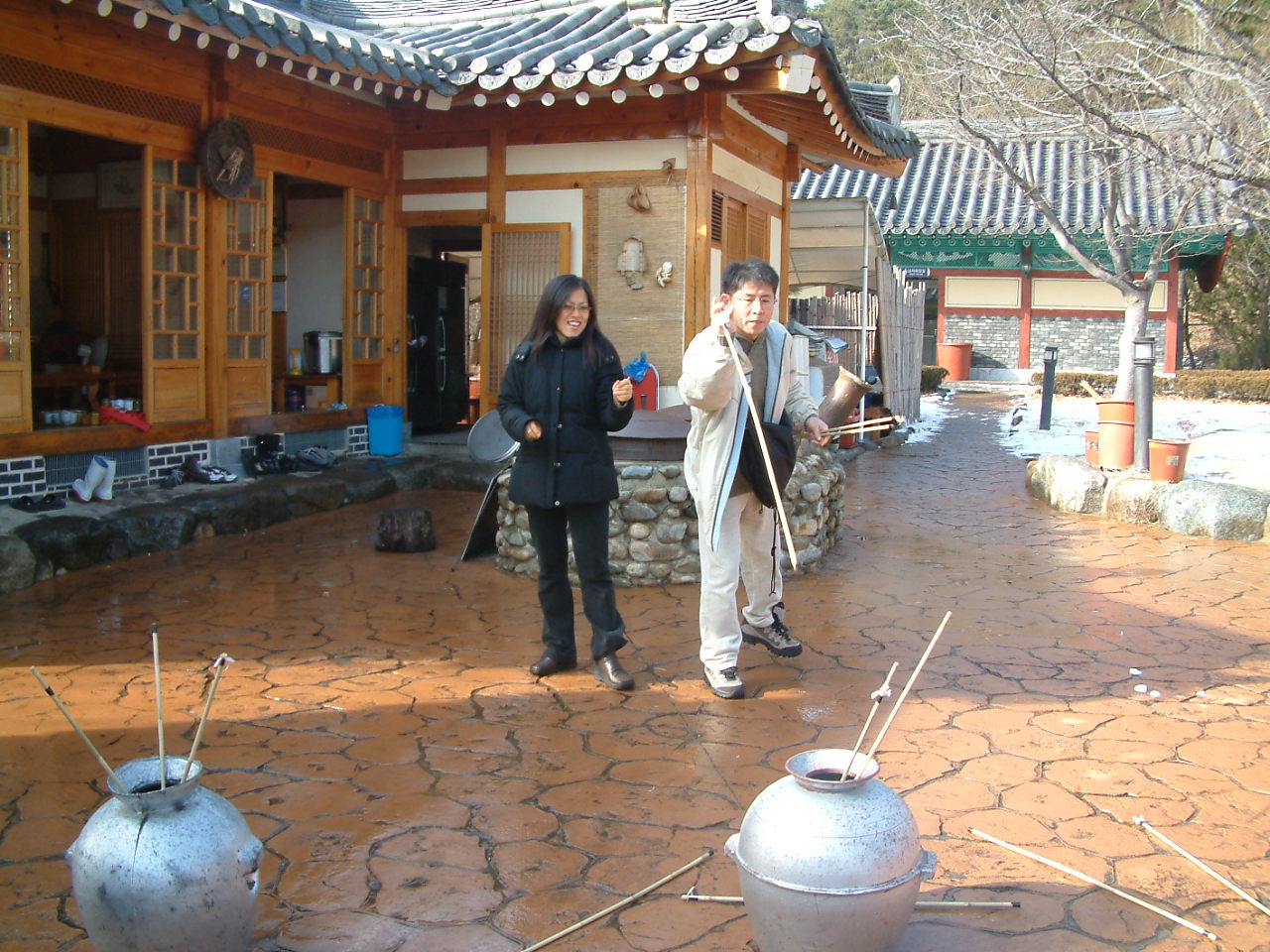 🇰🇷 South Korea and 1 moreKorean New Year설날
A three-day Korean festival celebrating the lunisolar new year with family and feastsSeasonal
🇰🇷 South Korea and 1 moreKorean New Year설날
A three-day Korean festival celebrating the lunisolar new year with family and feastsSeasonal
 🇰🇷 South KoreaGimjang김장
Korea's late-autumn work of making enough kimchi to last the winterTable custom
🇰🇷 South KoreaGimjang김장
Korea's late-autumn work of making enough kimchi to last the winterTable custom
 🇮🇩 Jakarta, Indonesia and 3 moreRijsttafel
Many small dishes around rice: a colonial-era banquet still served in the NetherlandsTable custom · Feasts and festival meals
🇮🇩 Jakarta, Indonesia and 3 moreRijsttafel
Many small dishes around rice: a colonial-era banquet still served in the NetherlandsTable custom · Feasts and festival meals
 🇮🇩 Bali, IndonesiaTumpengꦠꦸꦩ꧀ꦥꦼꦁ (Javanese); ᬢᬸᬫ᭄ᬧᭂᬂ (Balinese)
A tall cone of rice ringed with side dishes, central to Javanese ceremonies and partiesTable custom · Feasts and festival meals
🇮🇩 Bali, IndonesiaTumpengꦠꦸꦩ꧀ꦥꦼꦁ (Javanese); ᬢᬸᬫ᭄ᬧᭂᬂ (Balinese)
A tall cone of rice ringed with side dishes, central to Javanese ceremonies and partiesTable custom · Feasts and festival meals
 🇦🇷 Argentina and 4 moreAsado
A slow fire, a grill and a shared table: how people gather to cook and eat meatTable custom · Feasts and festival meals
🇦🇷 Argentina and 4 moreAsado
A slow fire, a grill and a shared table: how people gather to cook and eat meatTable custom · Feasts and festival meals
 🇲🇻 MaldivesMaahefun
A Maldivian gathering for the last meal before the Ramadan fast beginsTable custom · Feasts and festival meals
🇲🇻 MaldivesMaahefun
A Maldivian gathering for the last meal before the Ramadan fast beginsTable custom · Feasts and festival meals
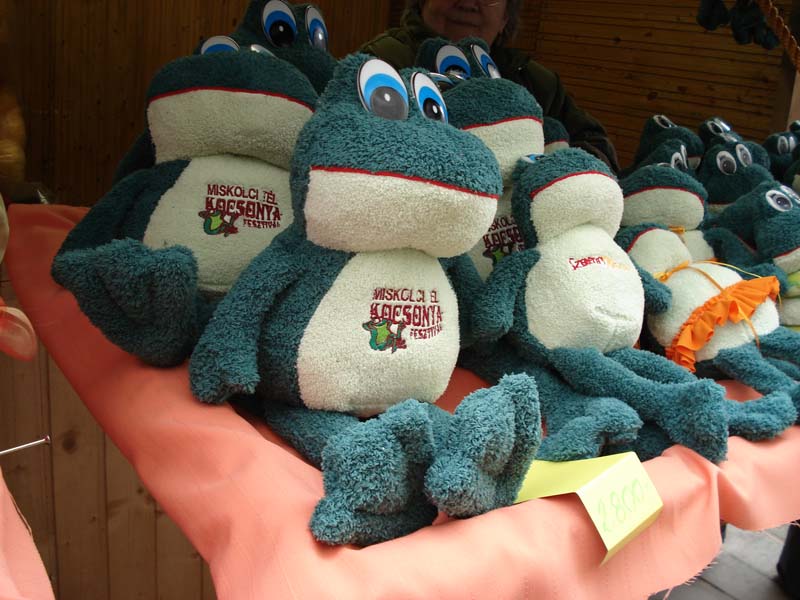 🇭🇺 Miskolc, HungaryKocsonya FestivalKocsonyafesztivál
An annual winter food and culture festival held in Miskolc, HungaryFestival · Feasts and festival meals
🇭🇺 Miskolc, HungaryKocsonya FestivalKocsonyafesztivál
An annual winter food and culture festival held in Miskolc, HungaryFestival · Feasts and festival meals
Photo credits on this page
The small pictures above come from Wikimedia Commons under free licences. Some are cropped to fit.
- Sadya: Augustus Binu / facebook, CC BY-SA 3.0, source
- Naengmyeon: wjlee4284, CC BY 2.5, source
- Ugadi: Kalyan Kanuri, CC BY-SA 2.0, source
- Jiaozi: Bioniclepluslotr, CC BY-SA 3.0, source
- Birria: Equipo 9mkt, CC BY-SA 3.0, source
- Bánh mì: Andrea Nguyen, CC BY 2.0, source
- Korean New Year: Kang Byeong Kee, CC BY 3.0, source
- Gimjang: USAG- Humphreys, CC BY 2.0, source
- Postpartum confinement: Unknown, Public domain, source
- Tapas: Elemaki, CC BY 3.0, source
- Iftar: Shariful Islam (Masum), CC BY-SA 4.0, source
- Kiribath: AntanO, CC BY-SA 4.0, source
- Maahefun: Ibrahim Asad, CC BY-SA 3.0, source
- Asado: Unknown author, CC BY-SA 2.5, source
- Rijsttafel: Takeaway, CC BY-SA 3.0, source
- Tumpeng: brother-harahap, CC BY 2.0, source
- Kocsonya Festival: Szalax, CC BY-SA 3.0, source