Customs of food and drinkSoutheast Asia
Pho
In its own language: phở
A Vietnamese noodle soup of broth and rice noodles, served hot with beef or chicken.

Pho is a traditional Vietnamese dish consisting of clear bone broth, flat rice noodles, and slices of beef or chicken. It originated in northern Vietnam in the early twentieth century and is now eaten across the country and around the world. People enjoy it as a daily meal or at special food festivals.
When is Pho kept?
Pho is kept on year-round, with a specific festival on December 12.
Pho is a beloved Vietnamese soup made with savory broth, soft rice noodles, and tender meat. It began in northern Vietnam over a hundred years ago and has become a staple food for families and street vendors alike. Today, people eat it every day to start their mornings or to warm themselves at night.
Origins and history
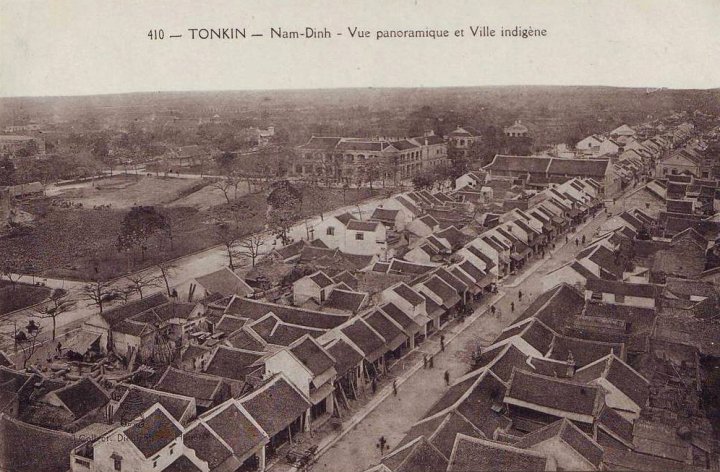
The dish first appeared in written records in northern Vietnam between 1900 and 1907. Some historians link its creation to French colonial influences, noting that beef was not traditionally common in Vietnam before that time. Others point to Chinese culinary traditions, suggesting the name comes from words meaning beef noodles. Vendors originally sold it from portable poles, carrying cauldrons and ingredients through the streets. The modern form solidified in Nam Định province before spreading to Hanoi.
How it is prepared
Cooking pho requires patience. Chefs simmer beef bones for many hours to create a clear, flavorful broth. They add spices like star anise, cinnamon, and ginger to give the soup its distinct aroma. Flat rice noodles are boiled separately and placed in a bowl. Thinly sliced rare beef or cooked chicken goes on top. The hot broth is poured over the meat, cooking the raw slices instantly. Diners add fresh herbs and sauces to taste.
Regional styles
Northern and southern versions of the dish differ significantly. Hanoi style features a cleaner, less sweet broth with narrower noodles and fewer garnishes. Southern style, popularized in Ho Chi Minh City, offers a sweeter broth and wider noodles. It is typically served with a large plate of fresh herbs, bean sprouts, lime, and chili sauces. These variations reflect local tastes and the availability of ingredients in different parts of the country.
Global spread
After the Vietnam War, refugees brought pho to the United States, Australia, Canada, and Europe. Restaurants opened in neighborhoods with large Vietnamese communities, eventually reaching mainstream audiences. The dish gained international recognition, appearing in dictionaries and food lists. In Vietnam, December 12 is celebrated as Day of Pho, honoring the cultural importance of this national dish.
How Pho is kept
Street vendors and restaurant cooks prepare pho by simmering beef bones with aromatic spices for hours. They place rice noodles in a bowl, add sliced beef or chicken, and pour the boiling broth over the meat. Diners customize their bowls with fresh herbs, lime, and sauces. The dish is eaten hot, often for breakfast or dinner, and remains a central part of daily Vietnamese life.
When and where
It is available year-round. A dedicated festival day falls on December 12 each year.
It originates in northern Vietnam, particularly Nam Định and Hanoi. It is now found worldwide, especially in areas with Vietnamese communities like California and Paris.
What Pho means
Pho represents Vietnamese resilience and adaptability. It evolved from rural snacks into a national symbol of identity. The shared experience of eating it brings families and friends together, reflecting hospitality and community bonds.
On the table
- beef pho
- chicken pho
- rice noodles
- bean sprouts
- lime
- hoisin sauce
- sriracha
- fresh herbs
Flavours: Cinnamon Star anise Ginger Coriander Clove


Questions people ask about Pho
When is Pho kept?
Pho is kept on year-round, with a specific festival on December 12.
What is pho?
Pho is a Vietnamese soup made with clear bone broth, flat rice noodles, and meat, usually beef or chicken. It is seasoned with spices and served hot with fresh garnishes.
Where did pho come from?
Pho originated in northern Vietnam in the early twentieth century. It likely developed from a mix of Chinese and French culinary influences during the colonial period.
Is pho only eaten in Vietnam?
No. After the Vietnam War, Vietnamese refugees introduced pho to countries like the United States, Australia, and Canada. It is now enjoyed worldwide.
See also


Good reading and sources
- Encyclopaedia BritannicaArticle
- Good morning, VietnamThe Guardian, Article
- Good morning, VietnamThe Guardian, Article
- Pho on WikipediaEncyclopedia
- More photos on Wikimedia CommonsPhotos and video
- Wikidata recordOpen data
The facts on this page come from the Wikipedia article "Pho", written by its contributors and used under the CC BY-SA 4.0 licence, and from its Wikidata record (CC0). EveryParampara rewrote the text in its own words, with AI assistance, and compares every page with the article to make sure no passage is copied. It may be reused under the same CC BY-SA 4.0 licence with a link back.
It may contain mistakes. Traditions differ from one family, village and community to the next, and the people who keep them know them best. If something is wrong, tell us. Last refreshed 2026-10-04.
More from Vietnam
All the traditions of Vietnam 🇻🇳 Saigon, Vietnam and 5 moreBánh mì
A Vietnamese baguette sandwich filled with meats, pickles, herbs, and condiments.Table custom · Breakfast
🇨🇳 China and 1 moreReunion dinner團圓飯
A family gathering meal on lunar new year's eve, kept in China and VietnamTable custom · Dinner
🇨🇳 Hong Kong, China and 5 moreFace
The shared social etiquette of honour, dignity and mutual respect across culturesEtiquette
🇻🇳 Saigon, Vietnam and 5 moreBánh mì
A Vietnamese baguette sandwich filled with meats, pickles, herbs, and condiments.Table custom · Breakfast
🇨🇳 China and 1 moreReunion dinner團圓飯
A family gathering meal on lunar new year's eve, kept in China and VietnamTable custom · Dinner
🇨🇳 Hong Kong, China and 5 moreFace
The shared social etiquette of honour, dignity and mutual respect across culturesEtiquette
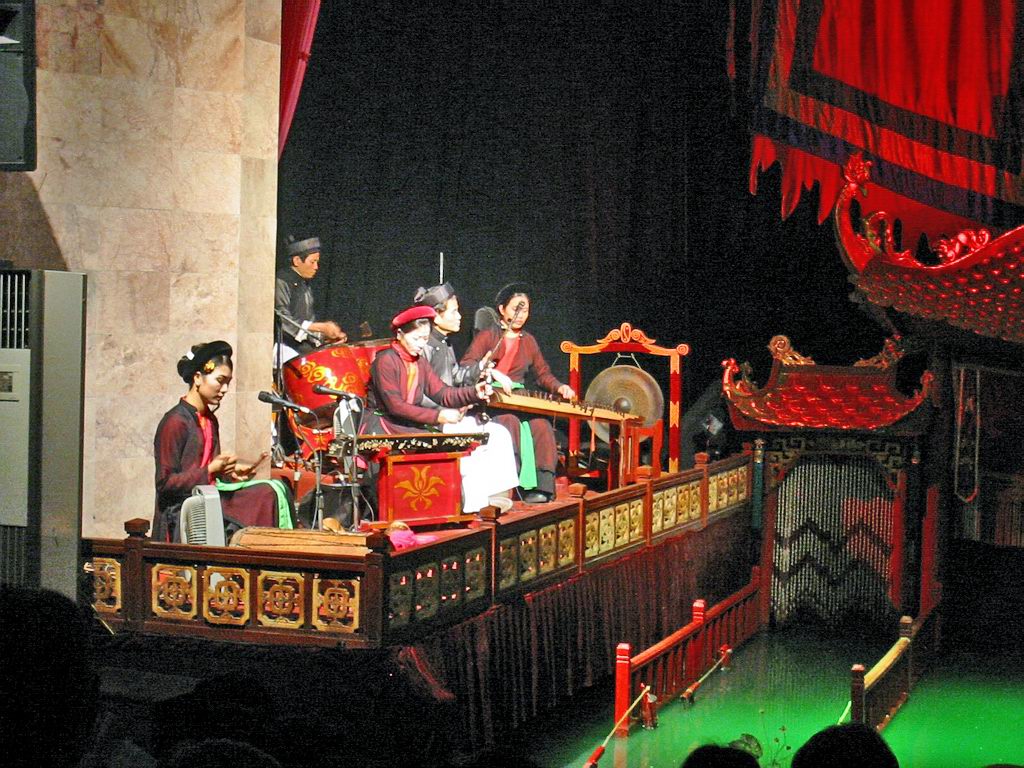 🇻🇳 Hoa Lư, VietnamChèo嘲
Satirical folk musical theatre performed by village troupes across northern VietnamPerformance
🇻🇳 Hoa Lư, VietnamChèo嘲
Satirical folk musical theatre performed by village troupes across northern VietnamPerformance
The same idea elsewhere
All of this kind 🇮🇹 Naples, ItalyCaffè
Italy's daily coffee habit: espresso taken standing at the bar, and moka coffee at homeTable custom · Tea, coffee and drinking ceremonies
🇮🇹 Naples, ItalyCaffè
Italy's daily coffee habit: espresso taken standing at the bar, and moka coffee at homeTable custom · Tea, coffee and drinking ceremonies
 🇯🇵 JapanToshikoshi soba年越し蕎麦
Buckwheat noodles eaten on New Year's Eve, cut easily to let the year goTable custom · Feasts and festival meals
🇯🇵 JapanToshikoshi soba年越し蕎麦
Buckwheat noodles eaten on New Year's Eve, cut easily to let the year goTable custom · Feasts and festival meals
 🇹🇼 Taipei, TaiwanNight markets in Taiwan夜市
Street markets that open at sunset across Taiwan, selling snacks, drinks and goodsTable custom · Tea-time and snacking customs
🇹🇼 Taipei, TaiwanNight markets in Taiwan夜市
Street markets that open at sunset across Taiwan, selling snacks, drinks and goodsTable custom · Tea-time and snacking customs
 🇺🇦 Ukraine and 1 moreBanushбануш
A Carpathian cornmeal porridge cooked with sour cream and savoury toppingsTable custom
🇺🇦 Ukraine and 1 moreBanushбануш
A Carpathian cornmeal porridge cooked with sour cream and savoury toppingsTable custom