Music, dance and storytellingLatin America and the Caribbean
Bomba
A Puerto Rican music and dance tradition where the drummer follows the dancer in a rhythmic dialogue.

Bomba is an umbrella term for musical styles and dances from Puerto Rico. It developed in the seventeenth century on sugar plantations by enslaved Africans and their descendants. The tradition keeps alive a living conversation between drummers and dancers that reflects African, European, and Taíno roots.
When is Bomba kept?
Bomba is kept on year-round in community gatherings and public performances.
Bomba is a musical and dance tradition from Puerto Rico. Enslaved Africans and their descendants created it on coastal sugar plantations during the seventeenth century. Drummers and dancers engage in a spontaneous conversation. The lead drummer responds to the steps of the dancer rather than leading the rhythm. This practice preserves African rhythms alongside Taíno and European influences.
Origins and history
The tradition began in the seventeenth century on sugar plantations along the coast. Enslaved people from varied African backgrounds used music to share feelings of sadness and resistance. They also planned rebellions and celebrated baptisms and marriages through these songs. The word itself comes from Akan and Bantu languages. Early records describe dancing in the late eighteenth century. Haitian slaves brought during the revolution added specific rhythms to the mix. Later, commercialization changed how the genre was seen, but families kept the old ways alive in towns like Loíza and Ponce.
How it is kept
Performers gather in circles called batey or sobera'o. A lead singer starts the song while two drums keep the beat. One large drum plays the steady pattern, and a smaller high drum plays the subidor part. The dancer enters the circle and performs improvised steps known as piquetes. The lead drummer listens closely and matches every movement with a specific sound. If no one dances, the drummer improvises alone. Dancers challenge each other to increase the intensity until they reach a peak of skill and stamina before bowing to finish.
Regional styles
Different areas of the island developed distinct rhythms and rules. In the north, both men and women can interpret the melody, while in the south, only women sing. The main division splits into sones in the south and seises in the north. Each style uses different hand positions on the drum. Some rhythms are fast and complex, while others are slow and sparse. Families like the Cepedas and Ayalas have passed down specific techniques for generations, ensuring that local variations remain intact despite modern changes.
Dress and instruments
Men traditionally wear white hats, white shirts, and black or white pants. Women wear turbans, white shirts, and skirts with handmade petticoats that flare out during movement. The instruments include maracas made from gourds, bamboo idiophones called cuás, and barriles de bomba drums. These drums were originally built from rum barrels covered with goatskin. The ensemble requires at least two drums of slightly different sizes to create the necessary harmonic and rhythmic foundation for the dance.
How Bomba is kept
Ensembles gather in open spaces or community centers. A singer leads the verses while two drums provide the base. The dancer enters the circle and performs improvised steps. The lead drummer responds to these movements with matching sounds. The interaction continues until the dancer finishes the challenge. Audience members may shout encouragement during the performance.
When and where
It is performed year-round at cultural events, festivals, and community gatherings across Puerto Rico and in diaspora communities.
The tradition is strongest in coastal municipalities such as Loíza, Ponce, Mayagüez, and San Juan. It remains central to Afro-Boricua identity in these regions.
What Bomba means
Bomba represents resilience and communication among oppressed people. The dialogue between drummer and dancer symbolizes equality and mutual respect. Dancers express personal stories and emotions through movement. The tradition serves as a form of cultural preservation and community bonding.


Questions people ask about Bomba
When is Bomba kept?
Bomba is kept on year-round in community gatherings and public performances.
What is Bomba?
Bomba is a traditional music and dance form from Puerto Rico. It features a unique interaction where the lead drummer follows the dancer's steps instead of the other way around. This creates a dynamic musical conversation between the performers.
Where did Bomba originate?
It originated in the seventeenth century on sugar plantations along the coasts of Puerto Rico. Enslaved Africans and their descendants developed the style using African rhythms combined with local Taíno and European elements.
Who performs Bomba today?
Afro-Boricua communities in Puerto Rico keep the tradition alive. Famous families like the Cepedas and Ayalas continue to perform and teach the older styles. Groups also present the music in public spaces and hotels.
See also
 TiniklingA Philippine folk dance where dancers step between clapping bamboo poles
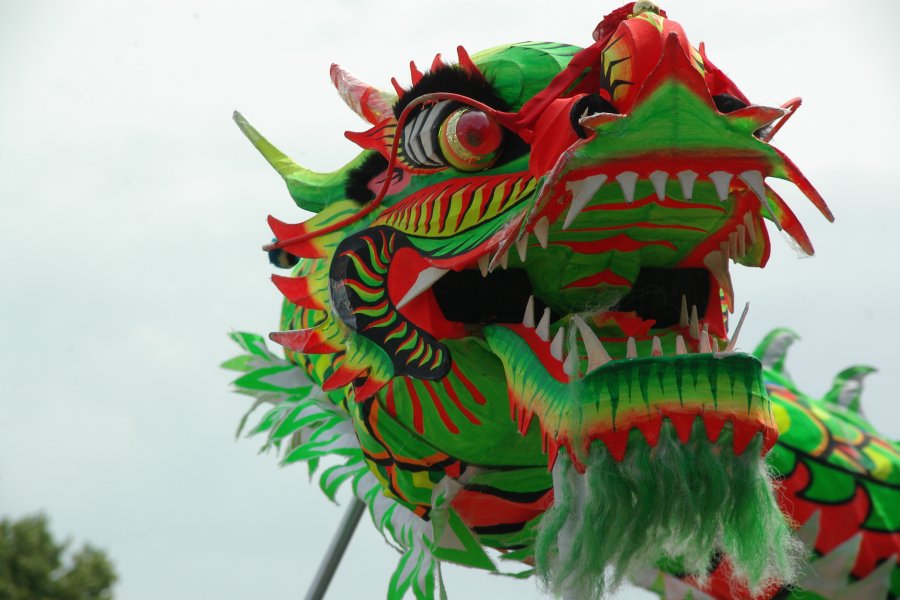 Dragon danceA long dragon puppet on poles, danced by a team at Chinese New Year and other festivals
 RaraA Haitian street music of bamboo trumpets and drums, played in the Easter season
Good reading and sources
- Bomba (Puerto Rico) on WikipediaEncyclopedia
- More photos on Wikimedia CommonsPhotos and video
- Wikidata recordOpen data
The facts on this page come from the Wikipedia article "Bomba (Puerto Rico)", written by its contributors and used under the CC BY-SA 4.0 licence, and from its Wikidata record (CC0). EveryParampara rewrote the text in its own words, with AI assistance, and compares every page with the article to make sure no passage is copied. It may be reused under the same CC BY-SA 4.0 licence with a link back.
It may contain mistakes. Traditions differ from one family, village and community to the next, and the people who keep them know them best. If something is wrong, tell us. Last refreshed 2026-10-05.
More from Puerto Rico
All the traditions of Puerto Rico 🇵🇷 Ponce, Puerto Rico and 1 morePlena
Puerto Rican folk songs and dance sharing community news with rhythmic frame drumsPerformance
🇵🇷 Ponce, Puerto Rico and 1 morePlena
Puerto Rican folk songs and dance sharing community news with rhythmic frame drumsPerformance
 🇵🇷 Puerto Rico and 1 moreParranda
A Puerto Rican Christmas custom of night-time visits with songs, food and drinkPerformance · Supper
🇵🇷 Puerto Rico and 1 moreParranda
A Puerto Rican Christmas custom of night-time visits with songs, food and drinkPerformance · Supper
 🇵🇷 Ponce, Puerto RicoVejigante
A masked folkloric character in Puerto Rican festivals, wearing ornate masks and performing a role of mischief or resistFestival
🇵🇷 Ponce, Puerto RicoVejigante
A masked folkloric character in Puerto Rican festivals, wearing ornate masks and performing a role of mischief or resistFestival
 🇪🇸 Spain and 5 moreMidnight MassMissa in nocte
The first service of Christmas, kept late on Christmas Eve in many Western churchesSpiritual
🇪🇸 Spain and 5 moreMidnight MassMissa in nocte
The first service of Christmas, kept late on Christmas Eve in many Western churchesSpiritual
The same idea elsewhere
All of this kind 🇹🇷 Kayseri, Turkey and 4 moreHalay
A traditional line and circle folk dance kept across Turkey, Azerbaijan, Armenia, Iran, and Syria.Performance
🇹🇷 Kayseri, Turkey and 4 moreHalay
A traditional line and circle folk dance kept across Turkey, Azerbaijan, Armenia, Iran, and Syria.Performance
 🇳🇿 Auckland, New ZealandPoi
A Māori performing art of swinging tethered weights in rhythmical patterns.Performance
🇳🇿 Auckland, New ZealandPoi
A Māori performing art of swinging tethered weights in rhythmical patterns.Performance
 🇺🇦 Kyiv, UkraineBanduraБандура
A Ukrainian plucked string instrument played to accompany epic songs and folk balladsPerformance
🇺🇦 Kyiv, UkraineBanduraБандура
A Ukrainian plucked string instrument played to accompany epic songs and folk balladsPerformance
 🇵🇭 Philippines and 1 morePangalay
A traditional fingernail dance of the Tausūg and Bajau peoples in the Sulu Archipelago and Sabah.Performance
🇵🇭 Philippines and 1 morePangalay
A traditional fingernail dance of the Tausūg and Bajau peoples in the Sulu Archipelago and Sabah.Performance