Greetings, manners and hospitalityEast AsiaBuddhistSecular and civic
Bowing in Japan
In its own language: お辞儀
The Japanese bow, used to greet, thank, apologise and show respect

Ojigi is the Japanese bow, a way of greeting, thanking, apologising or showing reverence used in daily life, in business, at funerals and in traditional arts. It grew out of Buddhist and samurai etiquette in Japan, and most people learn it as children.
When is Bowing in Japan kept?
Bowing in Japan is kept on all year round, at greetings, meetings, apologies and ceremonies.
Ojigi is the Japanese practice of bowing: lowering the head or the upper body to greet, thank, apologise or show reverence. It runs through daily greetings, offices, funerals and traditional arts. The angle of the bow and the position of the hands signal how much respect is being offered, and who is offering it. Most Japanese people learn it as children, and many workplaces retrain staff.
What it is
Ojigi means lowering the head, or the top half of the body, from the waist. It marks greeting, reverence, apology and thanks, and it appears in ordinary social life and in religious settings alike. People bow when they meet, when they part, when they thank someone, and when they say sorry. Two broad families exist. Ritsurei is done standing. Zarei is done from a kneeling position called seiza. In both, the bend should come only from the waist, with the back held straight; a sagging back is read as laziness, insincerity or disrespect. Within each family the size of the bow depends on the other person's standing and on the occasion.
Origins and history
There are few records of how bowing began in Japan. It is widely believed to have arrived with Buddhism, which came to Japan from ancient Chinese kingdoms between the fifth and eighth centuries, since bowing already carried devotion and respect in Buddhist practice. From the Kamakura period (1185-1333) onward the samurai shaped it further, and under Zen influence their bowing grew more disciplined. Written manuals followed in the Muromachi period (1336-1573), among them the Ise and Ogasawara schools. War in the Sengoku era (1467-1600) pushed formal manners aside for more than a century. Peace in the Edo period (1603-1868) revived them, and bowing spread from warriors to ordinary people.
Standing bows at work
Business bowing is often hardest for visitors who do not know the ranks involved. Three standing bows are standard. Eshaku is a slight lean of about fifteen degrees, with the eyes resting on the floor some three metres ahead; it suits colleagues of equal standing, or a chance meeting in the street. Keirei, about thirty degrees, is the commonest, with the gaze about a metre ahead; it fits greeting clients, entering a meeting or thanking a superior. Saikeirei is deeper still, between forty-five and seventy degrees, and is held longer. It belongs to grave moments, such as an apology or a request for a large favour. Men keep their hands at their sides; women rest one hand on the other, low in front.
Bowing from kneeling
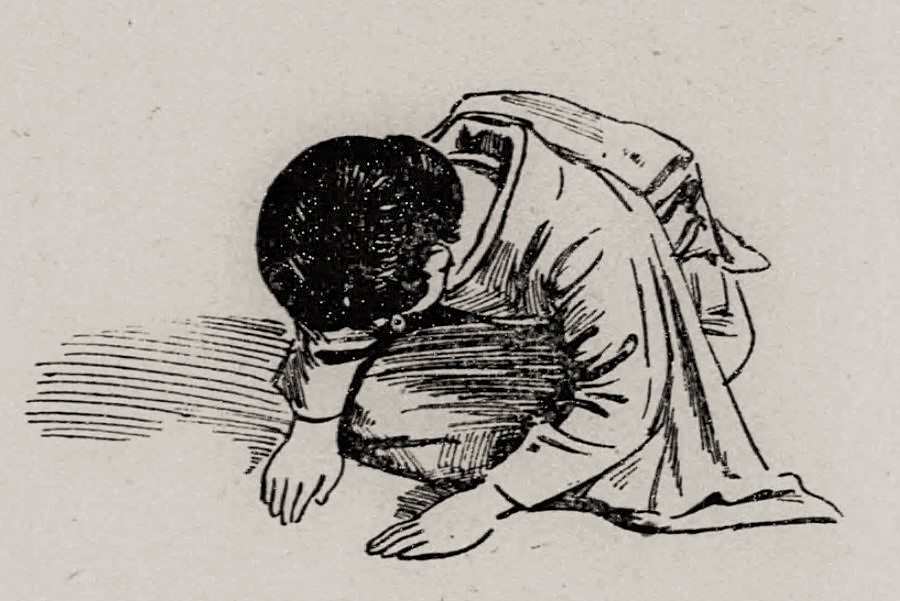
Zarei is done from seiza, kneeling on tatami mats, and is described as a bowing style particular to East Asia. Western-style rooms and floors have made it less common at home, and some people find it hard on the knees and back. It survives in traditional pursuits: the tea ceremony, kendo and Japanese dance. Its forms follow three levels borrowed from calligraphy: shin, the most formal; gyō, in between; and sō, the most relaxed. A full shin bow brings the chest near the lap and the palms flat, the index fingertips lightly touching so they form a triangle below the face. Futsūrei is the usual bow in formal settings, and senrei a light one for informal greetings.
Today and change
Ojigi remains a basic part of social life in Japan, and the forms most people use follow the Ogasawara school of warrior etiquette, founded about eight hundred years ago. Children begin bowing early, yet many companies still put new recruits through special training, since the manners of business are seen as complicated and easy to get wrong. The spread of Western furniture and flooring has made kneeling bows less usual at home, though they hold their place in the tea ceremony, kendo and Japanese dance. Visitors from abroad often find the ranking system behind the different bows the hardest thing to read.
How Bowing in Japan is kept
Someone who bows faces the other person, or kneels in seiza for a zarei. The bend comes only from the waist, with the back straight; the deeper the bow, the more respect it carries. The angle is chosen by the other person's status and by the situation. Standing, men keep the hands naturally at their sides while women fold one hand over the other low in front. Rei-sansoku ties the movement to the breath: one inhale to lower, an exhale at the bowing position, a second inhale to rise. In kendo, practice opens and closes with this courtesy.
When and where
Ojigi has no fixed date. It belongs to daily life, performed at greetings, meetings, apologies and funerals, and it is also part of traditional arts such as the tea ceremony and kendo. Its forms were shaped over centuries, and the modern business version is still taught to new employees.
Bowing is kept across Japan, in homes, schools, offices and religious settings. It is strongest in everyday greetings, in business, where many firms train new staff in it, and in traditional arts that still work on tatami floors, such as the tea ceremony, kendo and Japanese dance. Fewer people now bow from a kneeling position at home, and zarei is most visible in those traditional settings.
What Bowing in Japan means
A correct bow says several things at once. It can carry respect, gratitude, apology or reverence, and it shows that a person knows where others stand in relation to themselves. Sincerity matters more than depth alone: a bow that is too quick, or sloppy, may be read as careless or even rude. Conservative observers admire a well-made bow and treat it as an expression of Japanese identity, and the ability to do it properly is counted among the marks of adulthood.


Questions people ask about Bowing in Japan
When is Bowing in Japan kept?
Bowing in Japan is kept on all year round, at greetings, meetings, apologies and ceremonies.
What is ojigi?
Ojigi is the Japanese bow. A person lowers the head or the upper body from the waist to greet someone, to show reverence, to apologise or to give thanks. It is used in ordinary social life, in business and in religious settings, and its depth shows how much respect is meant.
Why do the bows have different angles?
The angle shows the level of respect. Eshaku, about fifteen degrees, is a light greeting between equals. Keirei, about thirty degrees, is the common business bow. Saikeirei, between forty-five and seventy degrees, is the deepest and is kept for serious moments such as apologies or greeting important people.
Do people still bow while kneeling?
Zarei, bowing from the seiza kneeling position, is less common at home now that Western floors and furniture are usual, and some find it painful. It is still kept in the tea ceremony, kendo and Japanese dance, where the formal shin, middle gyō and casual sō levels are used.
What is rei-sansoku?
Rei-sansoku links the bow to the breath. The downward movement lasts as long as one natural inhale. The person then stays still in the bowing position while exhaling, and straightens up during a second inhale. This timing keeps the bow from feeling either rushed or drawn out.
See also
 Japanese New YearAn annual celebration of renewal, seasonal foods, and bell ringing across JapanAs-salamu alaykumA traditional Arabic greeting of peace exchanged in daily life and prayerTalofaThe Samoan hello and goodbye, also heard in Tuvalu and on Lifou
Good reading and sources
The facts on this page come from the Wikipedia article "Bowing in Japan", written by its contributors and used under the CC BY-SA 4.0 licence, and from its Wikidata record (CC0). EveryParampara rewrote the text in its own words, with AI assistance, and compares every page with the article to make sure no passage is copied. It may be reused under the same CC BY-SA 4.0 licence with a link back.
It may contain mistakes. Traditions differ from one family, village and community to the next, and the people who keep them know them best. If something is wrong, tell us. Last refreshed 2026-10-05.
More from Japan
All the traditions of Japan 🇮🇳 India and 5 moreRemoval of footwear indoors
The widespread custom of leaving outdoor shoes at the door for cleanliness and respectEtiquette
🇯🇵 JapanMoai模合 (Mo-ai)
A Japanese social support group that provides mutual aid and companionship to its members.Etiquette
🇮🇳 India and 5 moreRemoval of footwear indoors
The widespread custom of leaving outdoor shoes at the door for cleanliness and respectEtiquette
🇯🇵 JapanMoai模合 (Mo-ai)
A Japanese social support group that provides mutual aid and companionship to its members.Etiquette
The same idea elsewhere
Greetings and farewells compared 🇬🇷 Greece and 5 moreHandshake
A brief clasp of hands to greet, part or seal a deal, with local rules on how it is doneEtiquette
🇬🇷 Greece and 5 moreHandshake
A brief clasp of hands to greet, part or seal a deal, with local rules on how it is doneEtiquette
 🇳🇿 New Zealand and 2 moreMarae
A cleared, sacred gathering place at the heart of Māori and Polynesian community lifeSpiritual
🇳🇿 New Zealand and 2 moreMarae
A cleared, sacred gathering place at the heart of Māori and Polynesian community lifeSpiritual
 🇱🇦 Laos and 1 moreBaciບາສີ (Lao)
A Lao rite that calls the soul home and ties a thread on the wrist for good luckSpiritual
🇱🇦 Laos and 1 moreBaciບາສີ (Lao)
A Lao rite that calls the soul home and ties a thread on the wrist for good luckSpiritual