Greetings, manners and hospitalityEast AsiaMuslim
Face
The shared social etiquette of honour, dignity and mutual respect across cultures
Face is a social code of dignity, prestige and mutual respect observed in daily interactions across East Asia, the Middle East and beyond. People protect and grant face through careful manners, polite speech and avoiding public embarrassment.
When is Face kept?
Face is kept during daily conversation and social interactions.
Face is a shared standard of dignity, respectability and social standing that guides how people speak and act with one another. Originating in Chinese philosophy and shaped by Confucian thought, the practice of protecting, giving and maintaining face extends across East Asia, Southeast Asia and the Middle East. It relies on tactful communication, honouring social roles, and preventing public shame or awkwardness for oneself and others.
Social standing and honour
In Chinese tradition, face splits into related concepts, chiefly mianzi and lian. Mianzi represents public reputation, prestige and social standing, built over time through ability, wealth, prominence and good connections. Lian reflects moral character and personal integrity. To lack lian is seen as an extreme moral failure, signaling that an individual ignores the expectations of society. Chinese author Lin Yutang described face as an intangible standard that can be granted, lost, borrowed or presented like a gift. It regulates daily relations as well as formal diplomacy.
Fulfilling duty in Japan
In Japan, face is known as mentsu, centering on meeting social duties and preserving a proper public image. Historical terms like menboku, concerning earned respect, and taimen, concerning family or personal honor, entered the language from China during the Heian era. Japanese society encourages people from childhood to match ideal communal expectations. Communication frequently balances inner truths, known as honne, with the polite exterior called tatemae. Everyday spoken courtesies such as sumimasen and yoroshiku onegaishimasu acknowledge interpersonal obligations, ensuring conversations remain considerate and harmonious.
Customs across cultures
The custom of preserving dignity shapes manners across many regions. In Korea, chemyeon defines personal honor, while Vietnamese speakers use phrases like giu the dien to describe saving face. In the Arab world, dignity is anchored in Islamic principles of conduct, where idioms refer to preserving the water of the face. Persian culture uses similar imagery, balancing white-faced pride against the embarrassment of black-faced shame. In Myanmar, Thailand and Cambodia, losing composure in public brings a loss of face, making emotional self-control a core social expectation.
How Face is kept
People uphold face through daily etiquette, careful speech and mutual tact. In conversation, speakers choose respectful honorifics, modest apologies and softened statements to avoid cornering or embarrassing someone in public. Individuals strive to fulfill their expected social duties, protect the reputations of friends and kin, and display composure even under pressure. When conflicts arise, parties rely on indirect phrasing or diplomatic gestures to allow everyone to retreat without feeling humiliated.
When and where
Face is practiced continuously throughout everyday life. It governs casual greetings, family duties, workplace exchanges, business negotiations and formal diplomatic meetings whenever two or more people interact.
Face is an influential social principle across East Asia, Southeast Asia and the Middle East. It is particularly prominent in China, Japan, Korea, Vietnam, Iran and Arab nations, as well as parts of Eastern Europe.
What Face means
Face symbolizes the fragile boundary between personal integrity and community respect. It represents more than vanity: maintaining face reflects moral responsibility, family standing and harmony within a collective group. Preserving another person's dignity demonstrates kindness, while causing someone to lose face disrupts social balance and marks a breach of trust.
Questions people ask about Face
When is Face kept?
Face is kept during daily conversation and social interactions.
What does it mean to lose face?
Losing face means suffering a public loss of dignity, respect or social standing. It happens when someone fails at a social duty, breaks moral expectations or suffers open embarrassment before peers.
Where does the concept of face come from?
The concept has deep roots in Chinese culture and Confucian thought. Over centuries, related traditions spread throughout East Asia, Southeast Asia and influenced social etiquette in many other world cultures.
How is face observed in everyday speech?
Speakers use polite honorifics, indirect wording and ritual apologies to protect each other's dignity. In Japanese, for instance, phrases like sumimasen and yoroshiku onegaishimasu express gratitude, request goodwill and maintain smooth relationships.
How do Chinese ideas of mianzi and lian differ?
Mianzi refers to prestige, status and outer reputation gained through accomplishment and social connections. Lian refers to a person's inner moral compass and integrity in the eyes of society.
See also
 MehreganAn Iranian autumn festival honoring Mithra, friendship, and the harvest
 Tsagaan SarThe Mongolian Lunar New Year festival of peace, elders, white foods and renewal
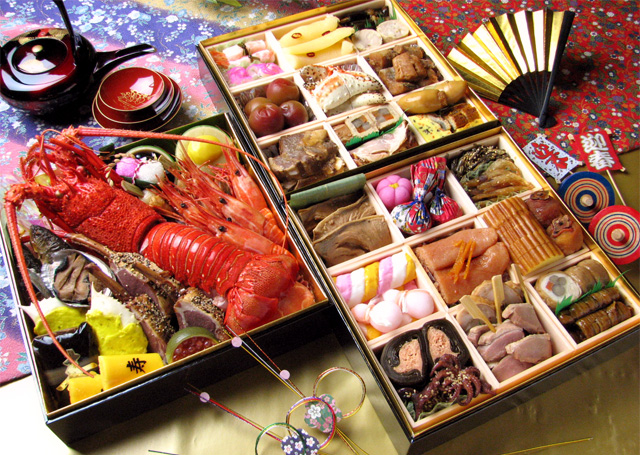 Japanese New YearAn annual celebration of renewal, seasonal foods, and bell ringing across Japan
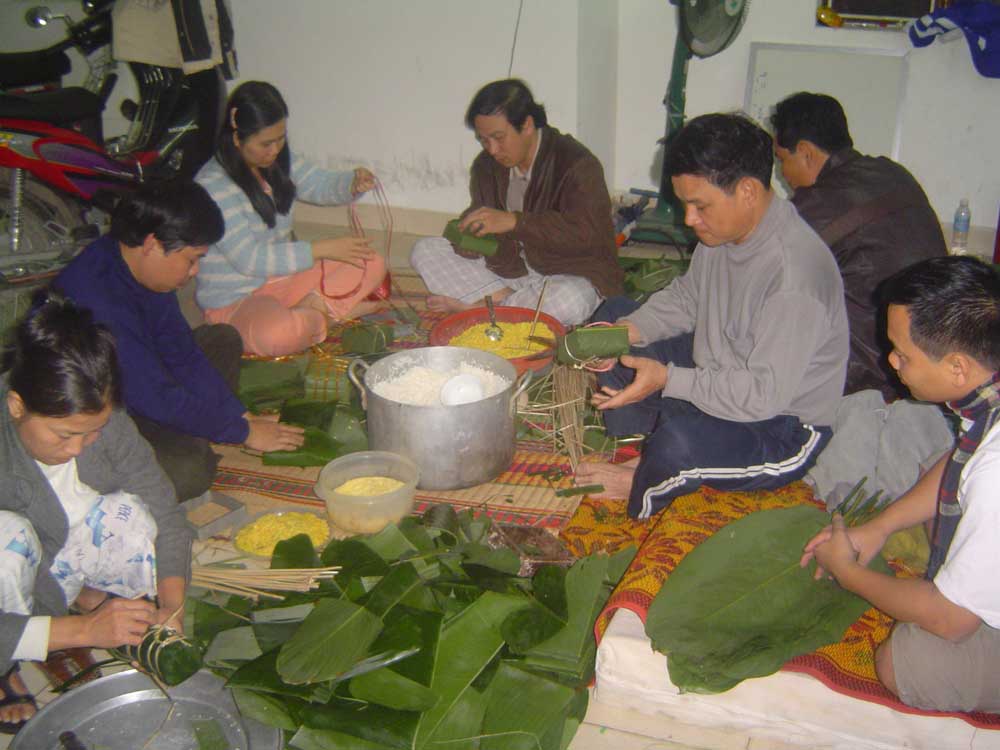 TếtThe Vietnamese festival of the lunar new year, welcoming spring with family gatherings
Good reading and sources
The facts on this page come from the Wikipedia article "Face (sociological concept)", written by its contributors and used under the CC BY-SA 4.0 licence, and from its Wikidata record (CC0). EveryParampara rewrote the text in its own words, with AI assistance, and compares every page with the article to make sure no passage is copied. It may be reused under the same CC BY-SA 4.0 licence with a link back.
It may contain mistakes. Traditions differ from one family, village and community to the next, and the people who keep them know them best. If something is wrong, tell us. Last refreshed 2026-10-04.
More from China
All the traditions of China 🇨🇳 ChinaKowtow叩頭
A traditional Chinese prostration of deep respect by kneeling and bowing to the groundEtiquette
🇨🇳 ChinaGuanxi关系
A Chinese tradition of cultivating trusted networks and reciprocal obligationsEtiquette
🇨🇳 ChinaKowtow叩頭
A traditional Chinese prostration of deep respect by kneeling and bowing to the groundEtiquette
🇨🇳 ChinaGuanxi关系
A Chinese tradition of cultivating trusted networks and reciprocal obligationsEtiquette
 🇨🇳 China and 6 moreRed envelope紅包 / 红包 (hóngbāo)
Money in a red packet, given at Lunar New Year, weddings and other big daysEtiquette
🇲🇳 Mongolia and 2 moreTsagaan SarЦагаан сар
The Mongolian Lunar New Year festival of peace, elders, white foods and renewalSeasonal · Feasts and festival meals
🇨🇳 China and 6 moreRed envelope紅包 / 红包 (hóngbāo)
Money in a red packet, given at Lunar New Year, weddings and other big daysEtiquette
🇲🇳 Mongolia and 2 moreTsagaan SarЦагаан сар
The Mongolian Lunar New Year festival of peace, elders, white foods and renewalSeasonal · Feasts and festival meals
The same idea elsewhere
Greetings and farewells compared 🇬🇷 Greece and 5 moreHandshake
A brief clasp of hands to greet, part or seal a deal, with local rules on how it is doneEtiquette
🇬🇷 Greece and 5 moreHandshake
A brief clasp of hands to greet, part or seal a deal, with local rules on how it is doneEtiquette
 🇳🇿 New Zealand and 2 moreMarae
A cleared, sacred gathering place at the heart of Māori and Polynesian community lifeSpiritual
🇳🇿 New Zealand and 2 moreMarae
A cleared, sacred gathering place at the heart of Māori and Polynesian community lifeSpiritual
 🇱🇦 Laos and 1 moreBaciບາສີ (Lao)
A Lao rite that calls the soul home and ties a thread on the wrist for good luckSpiritual
🇱🇦 Laos and 1 moreBaciບາສີ (Lao)
A Lao rite that calls the soul home and ties a thread on the wrist for good luckSpiritual