Seasons, harvest and the calendarEast AsiaBuddhist
Japanese New Year
In its own language: 正月
An annual celebration of renewal, seasonal foods, and bell ringing across Japan
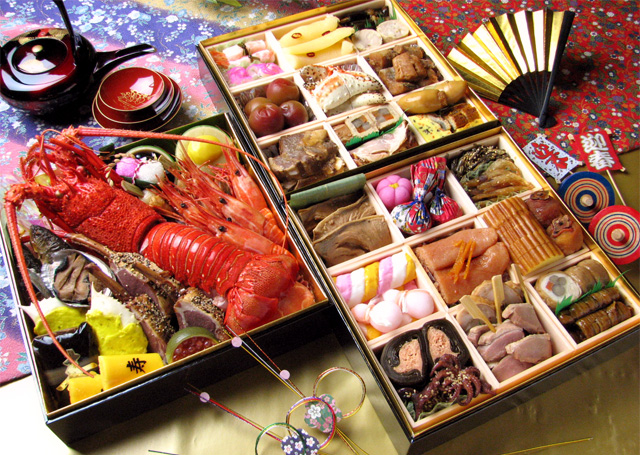
Japanese New Year, known as Shogatsu, is an annual festival observed across Japan on the first days of January. Families gather to share special foods, ring temple bells to cast away past troubles, give gifts to children, and welcome good fortune for the coming year.
When is Japanese New Year in 2027?
Japanese New Year 2027 runs from 1 to 3 January 2027. Other years: 2026, 1 to 3 January 2026; 2028, 1 to 3 January 2028.
Japanese New Year, called Shogatsu, is the most important annual holiday in Japan. Celebrated on 1 January since the late nineteenth century, it marks a fresh start for households. People clean, decorate, and reunite with relatives. From ringing temple bells on New Year's Eve to sharing prepared dishes and sending postcards, the holiday is designed to cast off past troubles and welcome health, happiness, and good fortune.
Welcoming the year
As midnight nears on New Year's Eve, Buddhist temples across Japan ring large bells 108 times in a rite called Joya no Kane. The strikes represent the release of worldly desires and the sins of the past year. In Tokyo, crowds gather around the Watched Night bell for this ritual. The first days of January also honour the arrival of the Seven Lucky Gods, who are believed to travel across the sky in their Treasure Ship, the Takarabune. Households welcome the dawn with quiet reflection, smiling to begin the year with laughter, and looking forward to auspicious first dreams and sunrise views.
Holiday dining and mochi
Celebrations centre on shared food made to last through the opening days. Families prepare or buy osechi-ryori, an assortment of sweet, sour, and dried foods created originally to keep without cold storage while shops closed. On New Year's Eve, people eat toshikoshi soba noodles, followed on New Year's Day by ozoni, a savoury soup containing mochi. Making mochi involves steaming sticky rice and pounding it with heavy wooden mallets in a large mortar. Two rounded rice cakes topped with a bitter orange make kagami mochi, an auspicious household display. Later, on the seventh day, light seven-herb rice porridge is served.
Greetings and playful customs
The turn of the year is a busy period for mail delivery. People send printed or hand-lettered postcards, called nengajo, bearing seasonal greetings and the corresponding Chinese zodiac animal for the coming cycle. Relatives also give monetary gifts, known as otoshidama, to children inside decorative envelopes. Families and children take part in classic holiday games such as kite flying, top spinning, the card game karuta, and fukuwarai, a game where a blindfolded player tries to place paper facial features onto a blank outline. Traditional poetry, including haiku, often highlights these festive first experiences of the year.
Music and closing rituals
Concert halls across Japan stage performances of Beethoven's Ninth Symphony, a musical tradition that expanded following the mid-twentieth century. At home, many people tune in on New Year's Eve to watch Kohaku Uta Gassen, a televised singing competition between red and white musical teams. Festivities extend to Little New Year, or Koshogatsu, around the middle of January. Marked by prayers for good agricultural yields, this period includes eating red adzuki bean rice porridge and safely burning holiday decorations in communal bonfires at shrines and temples.
How Japanese New Year is kept
Celebrations begin on New Year's Eve with buckwheat noodles, televised music shows, and temple bell ringing at midnight. On New Year's Day, families gather to eat osechi dishes and ozoni soup, exchange greetings, and open delivered postcards. Adults give money in decorated envelopes to children, and households display kagami mochi. During the first days, people play traditional games, write poetry, and relax. The festive season continues with seven-herb porridge on the seventh day and concludes around mid-January with Little New Year, when decorations are burned in ceremonial fires.
When and where
Since 1873, the official festival begins on 1 January, following the Gregorian calendar. In earlier centuries, it followed lunisolar calendars and began in early spring. Celebrations start on New Year's Eve, 31 December, and run through early January, concluding with Little New Year around 15 January.
The festival is celebrated throughout Japan in homes, Buddhist temples, and community spaces. Famous events take place in major centres such as Tokyo, though regional variations in traditional foods and customs appear across different prefectures.
What Japanese New Year means
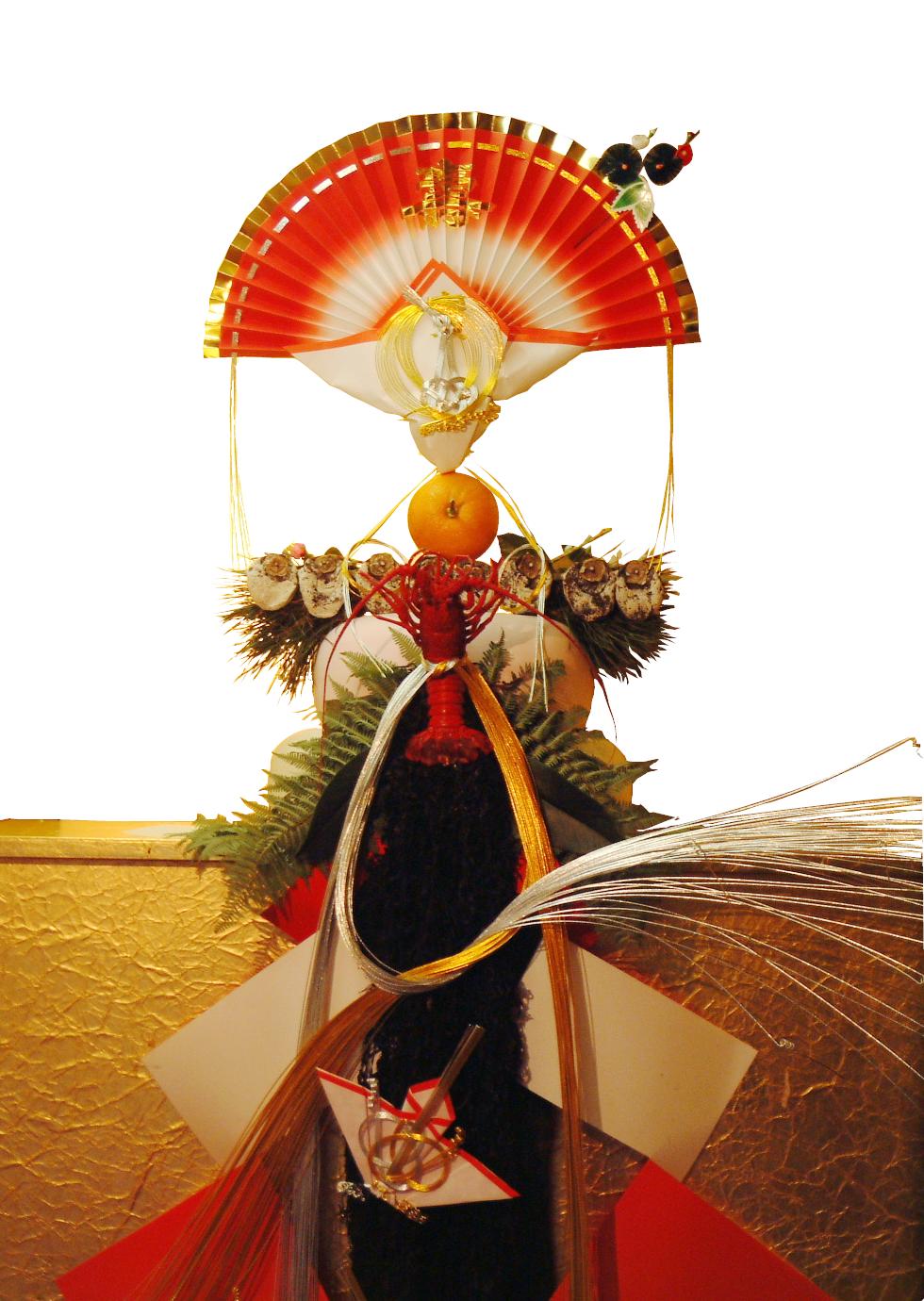
The festival represents spiritual purification, family continuity, and a fresh start. Ringing bells 108 times frees individuals from earthly desires and past transgressions. Auspicious symbols appear everywhere: layered rice cakes with citrus fruit evoke generational longevity, the Treasure Ship carries good fortune, and starting the first morning with smiles and shared wishes invites prosperity and peace for the year ahead.



Days Japanese New Year is marked
Japanese New Year dates: 2026, 2027, 2028
| Year | Japanese New Year date |
|---|---|
| 2026 | 1 to 3 January 2026 |
| 2027 | 1 to 3 January 2027 |
| 2028 | 1 to 3 January 2028 |
Questions people ask about Japanese New Year
When is Japanese New Year in 2027?
Japanese New Year 2027 runs from 1 to 3 January 2027. Other years: 2026, 1 to 3 January 2026; 2028, 1 to 3 January 2028.
What is Japanese New Year?
Japanese New Year, known as Shogatsu, is Japan's annual festival welcoming the new calendar year. It combines temple rituals, family reunions, traditional games, exchange of postcards, and specialized seasonal foods to start the year with good fortune.
Why do temple bells ring 108 times on New Year's Eve?
In Buddhist tradition, the bell rings 108 times during Joya no Kane to dispel the 108 earthly desires and sins of the passing year. The first 107 strikes occur before midnight, with the final strike welcoming the new year.
What is otoshidama?
Otoshidama is a holiday custom where adults present money to children inside small decorative envelopes called pochibukuro. In earlier periods, wealthy families and businesses instead gave small bags of mochi and fruit to bring happiness.
See also
 HalloweenAn annual observance on 31 October marking the eve of All Saints' Day, rooted in Christian tradition and Celtic heritage
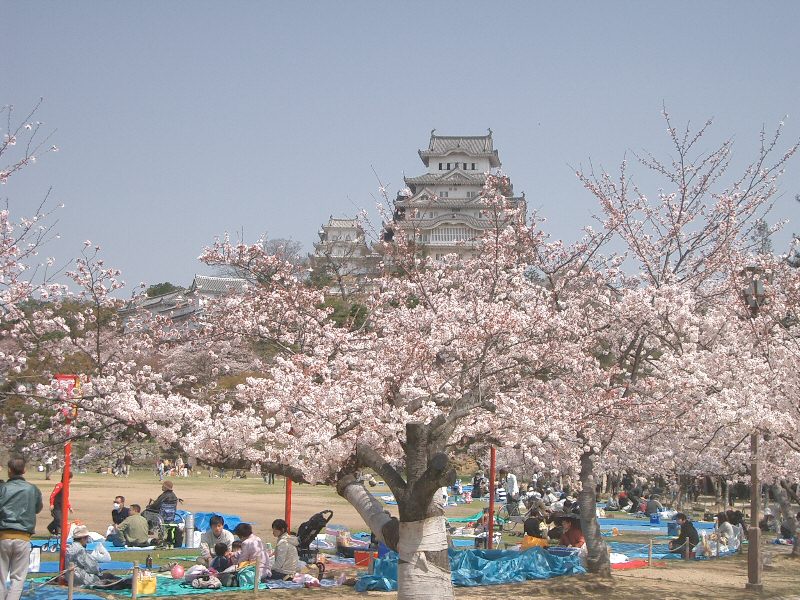 HanamiA Japanese spring custom of gathering under blooming cherry trees to eat, drink, and celebrate the fleeting beauty of th
 TanabataA Japanese summer star festival of written wishes hung on leafy bamboo.
 JiaoziCrescent Chinese dumplings filled with meat or vegetables, eaten for fortune and feasts
Good reading and sources
- Encyclopaedia BritannicaArticle
- The Treasure ship | Utagawa HiroshigeV&A, Article
- The Treasure ship | Utagawa HiroshigeV&A, Article
- Japanese New Year on WikipediaEncyclopedia
- More photos on Wikimedia CommonsPhotos and video
- Wikidata recordOpen data
The facts on this page come from the Wikipedia article "Japanese New Year", written by its contributors and used under the CC BY-SA 4.0 licence, and from its Wikidata record (CC0). EveryParampara rewrote the text in its own words, with AI assistance, and compares every page with the article to make sure no passage is copied. It may be reused under the same CC BY-SA 4.0 licence with a link back.
It may contain mistakes. Traditions differ from one family, village and community to the next, and the people who keep them know them best. If something is wrong, tell us. Last refreshed 2026-10-04.
More from Japan
All the traditions of Japan 🇯🇵 JapanKadomatsu門松
A Japanese New Year gateway decoration of pine and bamboo where a visiting deity can restSeasonal
🇯🇵 JapanKadomatsu門松
A Japanese New Year gateway decoration of pine and bamboo where a visiting deity can restSeasonal
 🇮🇷 Iran and 5 moreWinter solstice
The shortest day and longest night of the year, marked with fire, feasting and poetrySeasonal
🇮🇷 Iran and 5 moreWinter solstice
The shortest day and longest night of the year, marked with fire, feasting and poetrySeasonal
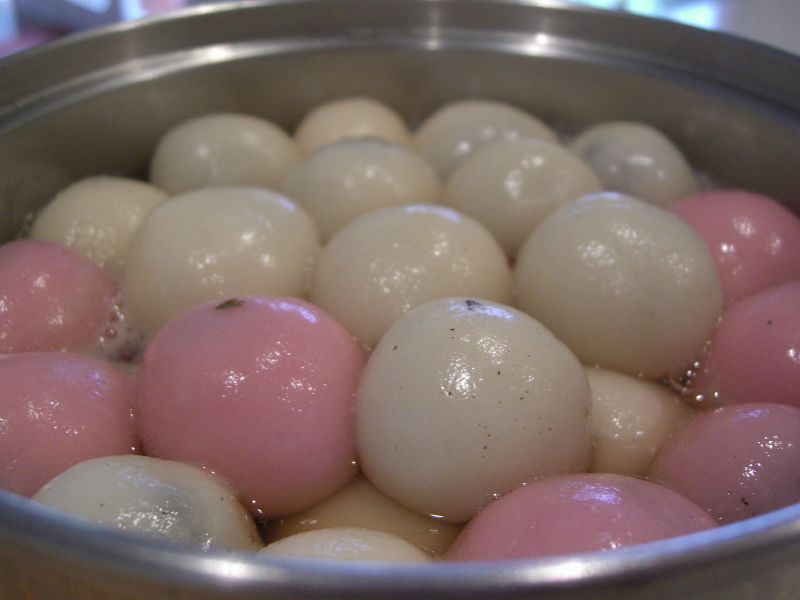 🇨🇳 Suzhou, China and 4 moreDongzhi Festival冬至
A winter solstice festival of family reunions, ancestor rites and sweet rice ballsSeasonal · Dinner
🇨🇳 Suzhou, China and 4 moreDongzhi Festival冬至
A winter solstice festival of family reunions, ancestor rites and sweet rice ballsSeasonal · Dinner
 🇯🇵 Japan and 1 moreFukubukuro福袋
Surprise discount grab bags sold by Japanese retailers for the New YearSeasonal
🇯🇵 Japan and 1 moreFukubukuro福袋
Surprise discount grab bags sold by Japanese retailers for the New YearSeasonal
The same idea elsewhere
New Year compared 🇧🇹 Bhutan and 4 moreLosarལོ་གསར་
The Tibetan Buddhist New Year festival of renewal, offerings, and family feastsSeasonal · Feasts and festival meals
🇧🇹 Bhutan and 4 moreLosarལོ་གསར་
The Tibetan Buddhist New Year festival of renewal, offerings, and family feastsSeasonal · Feasts and festival meals
 🇮🇳 India and 1 moreUgadiఉగాది
A South Indian New Year feast celebrating life with sweet, sour, and bitter tastesSeasonal
🇮🇳 India and 1 moreUgadiఉగాది
A South Indian New Year feast celebrating life with sweet, sour, and bitter tastesSeasonal
 🇮🇳 India and 1 moreCheti Chandچيٽي چنڊ
The Sindhi New Year festival celebrating the arrival of spring and JhulelalSeasonal · Feasts and festival meals
🇮🇳 India and 1 moreCheti Chandچيٽي چنڊ
The Sindhi New Year festival celebrating the arrival of spring and JhulelalSeasonal · Feasts and festival meals
 🇮🇳 Guwahati, IndiaBohag Bihu
A multi-day Assamese New Year festival of cattle rites, music, gifts and feastsSeasonal · Feasts and festival meals
🇮🇳 Guwahati, IndiaBohag Bihu
A multi-day Assamese New Year festival of cattle rites, music, gifts and feastsSeasonal · Feasts and festival meals