Boxing Day Test
Cricket's annual Test match at the Melbourne Cricket Ground, starting each 26 December

The Boxing Day Test is a cricket Test match that begins on 26 December at the Melbourne Cricket Ground in Victoria, Australia. Australia's national team plays a visiting national team there each southern summer, and the match has been a fixture of the Melbourne calendar since the 1970s, when the modern tradition took shape.
When is Boxing Day Test kept?
Boxing Day Test is kept each year from 26 December, scheduled to end on or before 30 December.
Every year on 26 December, Melbourne's cricket ground fills for a Test match that starts on Boxing Day. Australia plays a touring national side over as many as five days in the southern summer. The fixture grew out of Christmas cricket at the same ground, became a fixed part of the Australian sporting calendar and often draws large crowds.
The match itself
A Boxing Day Test is a Test match, the longest form of international cricket, lasting up to five days. It is played at the Melbourne Cricket Ground between the Australian team and whichever national side is touring Australia that southern summer. Play starts on the morning of 26 December, the day after Christmas, when many spectators are free to attend. The game sits in the middle of the Australian summer calendar. When the match ends, an official player of the match is named for that game.
Origins and history
Melbourne's ground had staged an interstate Sheffield Shield fixture at Christmas for a long time, at least as far back as 1865, and Boxing Day was one of its playing days. New South Wales players disliked being away from their families over Christmas. Melbourne's Test match usually sat in the New Year period instead, often beginning on 1 January. A Melbourne Test in the 1950 to 1951 Ashes series ran from 22 to 27 December, so its fourth day fell on Boxing Day, and no Boxing Day Test followed in Melbourne between 1953 and 1967. Records date the first Boxing Day Test to 1968.
How the date was fixed
When the 1974 to 1975 Ashes series included six Tests, the schedule had to be squeezed, and the third match, in Melbourne, was set to begin on Boxing Day. The sources describe that decision as the start of the modern tradition. It became official only in 1980, when the Australian Cricket Board formalised the arrangement. Around the same time the Nine Network bought the television rights, and Melbourne was promoting itself as a host of big sporting occasions such as the AFL Grand Final and the Australian Open, as its manufacturing industry declined.
Awards and crowds
Since 1975 each Boxing Day Test has produced an official player of the match. From 2020 that player has received the Mullagh Medal, named for Johnny Mullagh, an Indigenous Australian cricketer. The fixture carries cultural weight in Australia and usually attracts a large crowd, though numbers vary now that Twenty20 games in the Big Bash League compete for the same audience. The ground's biggest Boxing Day crowd came in 2025, when England toured for the Ashes. Once, in 1989, a one-day international between Australia and Sri Lanka took the date instead; Australia won by 30 runs in front of 45,012 people.
How Boxing Day Test is kept
Australia's national team and a touring national side take the field at the Melbourne Cricket Ground on the morning of 26 December. The match follows the ordinary shape of a Test: two innings for each side, spread across as many as five days. Spectators arrive from early on the first morning, which usually draws the largest attendance of the match. At the end, an official player of the match is named; since 2020 that player receives the Mullagh Medal. The game finishes when one side wins or when play closes on or before 30 December.
When and where
Play starts on 26 December, Boxing Day, each year, and is scheduled to end on or before 30 December. That date is the day after Christmas. It falls in the southern summer, which is Australia's main cricket season, so a touring side is already in the country.
The match belongs to Melbourne, in the state of Victoria, Australia, and takes place at the Melbourne Cricket Ground. Crowds there have watched it since the 1960s and 1970s. The sources also point to separate Boxing Day Test pages for South Africa and New Zealand.
What Boxing Day Test means
For Australian cricket followers, the day after Christmas is bound up with the Test at the Melbourne Cricket Ground. A large crowd filling the stands on 26 December has become part of the Australian summer. The Mullagh Medal adds another layer of meaning: it carries the name of Johnny Mullagh, an Indigenous Australian cricketer, so the award connects the fixture to Indigenous sporting history.


Questions people ask about Boxing Day Test
When is Boxing Day Test kept?
Boxing Day Test is kept each year from 26 December, scheduled to end on or before 30 December.
What is the Boxing Day Test?
It is a Test match, the five-day form of international cricket, played at the Melbourne Cricket Ground. Australia faces a touring national team, and play begins on 26 December. An official player of the match is named afterwards.
Where is it held?
At the Melbourne Cricket Ground in Melbourne, Victoria, Australia. The ground has been the venue throughout, and Melbourne is the city tied to the fixture. Separate Boxing Day Test pages exist for South Africa and New Zealand.
How did the tradition begin?
Melbourne's ground had long hosted an interstate Sheffield Shield game over Christmas, in which New South Wales faced Victoria. When the 1974 to 1975 Ashes series needed six Tests fitted in, the Melbourne match was set to start on Boxing Day, and the annual arrangement was formalised in 1980.
Who receives the Mullagh Medal?
The player of the match at each Boxing Day Test has received it since 2020. It is named after Johnny Mullagh, an Indigenous Australian cricketer. An official player of the match has been named at the fixture since 1975.
See also
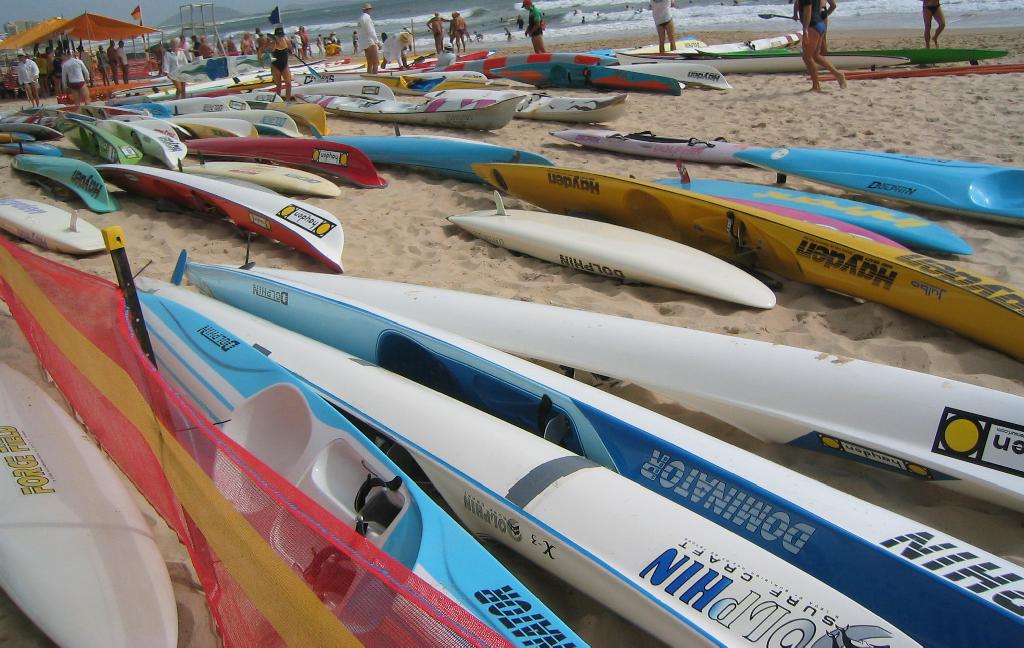 Surf lifesavingA volunteer beach rescue and ocean sports tradition originating on Australian coasts.
 Australian rules footballA fast, high-scoring code of football with 18 players a side, first played in Melbourne
 Pub quizA weekly social trivia game played by teams at tables in pubs and bars
 Good FridayA solemn Christian holy day commemorating the crucifixion and death of Jesus Christ.
Good reading and sources
- Boxing Day Test: Over 80,000 fans turn up in record attendanceThe Hindu, Article
- 'You get told about Bradman but not our mob': Test medal to honour Indigenous cricketing iconABC News Australia, Article
- Boxing Day Test: Over 80,000 fans turn up in record attendanceThe Hindu, Article
- 'You get told about Bradman but not our mob': Test medal to honour Indigenous cricketing iconABC News Australia, Article
The facts on this page come from the Wikipedia article "Boxing Day Test", written by its contributors and used under the CC BY-SA 4.0 licence, and from its Wikidata record (CC0). EveryParampara rewrote the text in its own words, with AI assistance, and compares every page with the article to make sure no passage is copied. It may be reused under the same CC BY-SA 4.0 licence with a link back.
It may contain mistakes. Traditions differ from one family, village and community to the next, and the people who keep them know them best. If something is wrong, tell us. Last refreshed 2026-10-05.
More from Australia
All the traditions of Australia
🇦🇺 Sydney, Australia and 5 moreSurf lifesaving
A volunteer beach rescue and ocean sports tradition originating on Australian coasts.Game
🇦🇺 Melbourne, AustraliaAustralian rules football
A fast, high-scoring code of football with 18 players a side, first played in MelbourneGame
🇬🇧 United Kingdom and 4 morePub quiz
A weekly social trivia game played by teams at tables in pubs and barsGame
 🇰🇭 Phnom Penh, Cambodia and 3 moreBokatorល្បុក្កតោ (lbŏkkâtaô)
Cambodia's battlefield martial art of strikes, locks and weapons, now a ring sportGame
🇰🇭 Phnom Penh, Cambodia and 3 moreBokatorល្បុក្កតោ (lbŏkkâtaô)
Cambodia's battlefield martial art of strikes, locks and weapons, now a ring sportGame
The same idea elsewhere
All of this kind 🇺🇸 Fairbanks, United States and 2 moreWorld Eskimo-Indian Olympics
An annual Arctic gathering of traditional survival games, athletics, and cultural artsGame
🇺🇸 Fairbanks, United States and 2 moreWorld Eskimo-Indian Olympics
An annual Arctic gathering of traditional survival games, athletics, and cultural artsGame
 🇨🇭 Aproz, Switzerland and 2 moreCombat de Reines
An annual Swiss pushing contest where Hérens cows compete for herd dominanceGame
🇨🇭 Aproz, Switzerland and 2 moreCombat de Reines
An annual Swiss pushing contest where Hérens cows compete for herd dominanceGame
 🇲🇽 MexicoRarájipari
A traditional endurance running ball game of the Rarámuri people in northern MexicoGame
🇲🇽 MexicoRarájipari
A traditional endurance running ball game of the Rarámuri people in northern MexicoGame
 🇸🇪 Mora, SwedenVasaloppet
A 90 km cross-country ski race from Sälen to Mora, run every March since 1922Game
🇸🇪 Mora, SwedenVasaloppet
A 90 km cross-country ski race from Sälen to Mora, run every March since 1922Game