Games, sport and playNorth AmericaIndigenous and traditional
Rarájipari
A traditional endurance running ball game of the Rarámuri people in northern Mexico

Rarájipari is an endurance running game played across the rugged terrain of Mexico's Copper Canyons by the Rarámuri community. Two teams race while kicking a small wooden sphere over distances ranging from several miles to monumental hundred-mile contests.
Rarájipari is a traditional footrace and ball game practiced by the Rarámuri people in the Copper Canyons of Chihuahua, Mexico. Groups of runners propel a small wooden sphere along mountain paths over immense distances, balancing speed with steady endurance. Often organized between neighbouring settlements following festive overnight celebrations, the match tests athletic grit, collective strategy, and community ties across the canyon country.
The equipment and movement
The central piece of equipment in rarájipari is a wooden ball roughly the size of a baseball. Two competing squads, each consisting of four or more runners, race alongside one another while driving their respective ball forward. A player strikes the sphere with their foot to launch it ahead along the trail, after which the team sprints forward to retrieve it and kick it again. The movement requires agile footwork over uneven ground, as players continuously chase, recover, and kick the moving wooden orb across the landscape.
Team dynamics and relay
During a match, runners do not exert themselves equally at every moment. Typically, one runner from a squad will surge to the lead to take charge of striking and tracking the ball. Whenever the sphere gets wedged beneath a canyon rock formation or when several miles have elapsed, the trailing teammates catch up with the leader. This allows the lead runner to drop back into the pack to recover their strength while another teammate steps forward to guide the ball along the predetermined route.
Community contests and festivities
Matches vary widely in scale and purpose. Casual games may cover just a few miles, while major inter-village events can span distances of up to one hundred miles. Major competitions often follow overnight parties where villagers share tesgüino, a traditional fermented corn beverage also known as tejuino. Before the running begins, both teams mutually agree on the exact course distance. The contest concludes once the first team completes the entire designated distance through the canyons.
How Rarájipari is kept
Before the race begins, the competing sides agree upon the total running distance. Two teams of four or more members line up with their wooden spheres. A designated runner kicks the ball forward into the terrain, and the team chases after it to kick it again. As the race unfolds across the canyons, teammates take turns managing the ball, allowing tired lead runners to rotate back into the group. The match continues without stopping until one squad crosses the agreed distance.
When and where
Informal games take place casually, while larger inter-village races are typically held following all-night communal celebrations where spectators and participants gather to share fermented corn drinks.
Rarájipari takes place in the rugged Copper Canyons, located within the state of Chihuahua in northern Mexico. It is practiced across the trails, rocky outcrops, and village paths of the region.
Questions people ask about Rarájipari
What is rarájipari?
Rarájipari is a traditional endurance ball race played by the Rarámuri, or Tarahumara, people. Teams kick a baseball-sized wooden ball ahead along mountain trails, chasing and kicking it repeatedly over distances ranging from several miles to one hundred miles.
Where is the game played?
The game is native to the Copper Canyons region in the state of Chihuahua, Mexico. Matches are run along rugged canyon paths, dirt trails, and rocky landscapes connecting local settlements.
How are the teams organized?
Each team includes four or more players. As the race progresses, runners take turns leading and kicking the wooden sphere, rotating to the back of the group to rest when the ball gets stuck or teammates catch up.
What role do celebrations play in major matches?
Serious races between neighbouring villages typically follow all-night festivities. During these parties, community members gather and enjoy tesgüino, a traditional fermented corn beer, before setting off on long-distance races.
See also
 BullfightingA ritual contest between a bullfighter and a bull, kept in Spain and Latin America
 Charro traditionThe equestrian skills, formal attire and rodeo arts of the Mexican horseman.
 Day of the DeadA Mexican remembrance of deceased family and friends with altars, marigolds and feasts
 Danza de los ViejitosA Purépecha masked dance honouring the sun and the four elements in Michoacán
Good reading and sources
The facts on this page come from the Wikipedia article "Rarajipari", written by its contributors and used under the CC BY-SA 4.0 licence, and from its Wikidata record (CC0). EveryParampara rewrote the text in its own words, with AI assistance, and compares every page with the article to make sure no passage is copied. It may be reused under the same CC BY-SA 4.0 licence with a link back.
It may contain mistakes. Traditions differ from one family, village and community to the next, and the people who keep them know them best. If something is wrong, tell us. Last refreshed 2026-10-05.
More from Mexico
All the traditions of Mexico 🇲🇽 Veracruz, Mexico and 3 moreMesoamerican ballgameōllamalīztli
An ancient Mesoamerican ball game, struck with the hips on stone courtsGame
🇲🇽 Mexico and 1 moreCharro traditionCharro
The equestrian skills, formal attire and rodeo arts of the Mexican horseman.Game
🇪🇸 Ronda, Spain and 5 moreBullfightingCorrida de toros
A ritual contest between a bullfighter and a bull, kept in Spain and Latin AmericaGame
🇲🇽 Veracruz, Mexico and 3 moreMesoamerican ballgameōllamalīztli
An ancient Mesoamerican ball game, struck with the hips on stone courtsGame
🇲🇽 Mexico and 1 moreCharro traditionCharro
The equestrian skills, formal attire and rodeo arts of the Mexican horseman.Game
🇪🇸 Ronda, Spain and 5 moreBullfightingCorrida de toros
A ritual contest between a bullfighter and a bull, kept in Spain and Latin AmericaGame
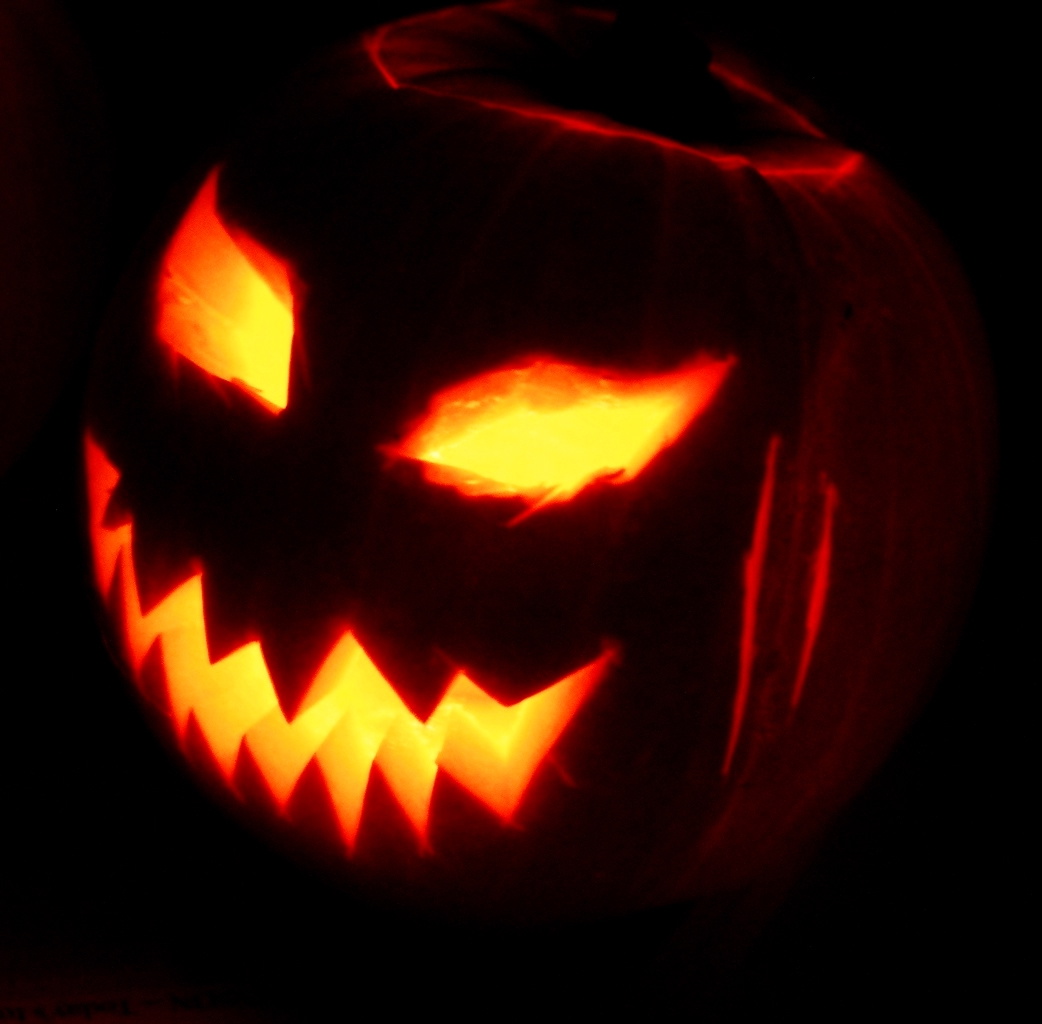 🇮🇪 Ireland and 5 moreHalloween
An annual observance on 31 October marking the eve of All Saints' Day, rooted in Christian tradition and Celtic heritageFestival · Sweets given and shared
🇮🇪 Ireland and 5 moreHalloween
An annual observance on 31 October marking the eve of All Saints' Day, rooted in Christian tradition and Celtic heritageFestival · Sweets given and shared
The same idea elsewhere
All of this kind 🇰🇬 Cholpon-Ata, Kyrgyzstan and 2 moreWorld Nomad GamesДүйнөлүк көчмөндөр оюндары
A two-yearly contest of Central Asian nomadic sports, first staged in Kyrgyzstan in 2014Game
🇰🇬 Cholpon-Ata, Kyrgyzstan and 2 moreWorld Nomad GamesДүйнөлүк көчмөндөр оюндары
A two-yearly contest of Central Asian nomadic sports, first staged in Kyrgyzstan in 2014Game
 🇨🇭 Aproz, Switzerland and 2 moreCombat de Reines
An annual Swiss pushing contest where Hérens cows compete for herd dominanceGame
🇨🇭 Aproz, Switzerland and 2 moreCombat de Reines
An annual Swiss pushing contest where Hérens cows compete for herd dominanceGame
 🇸🇪 Mora, SwedenVasaloppet
A 90 km cross-country ski race from Sälen to Mora, run every March since 1922Game
🇸🇪 Mora, SwedenVasaloppet
A 90 km cross-country ski race from Sälen to Mora, run every March since 1922Game
 🇮🇩 Bali, Indonesia and 3 morePencak silat
Indonesia's many schools of full-body fighting, with strikes, locks, throws and bladesGame
🇮🇩 Bali, Indonesia and 3 morePencak silat
Indonesia's many schools of full-body fighting, with strikes, locks, throws and bladesGame