Greetings, manners and hospitalityEurope
Cheek kissing
In its own language: faire la bise
A greeting gesture where people touch cheeks or lips to cheeks to show friendship or respect.

Cheek kissing is an informal greeting used across many cultures to signal friendship, family ties, or respect. Participants lean forward to touch cheeks or press lips to cheeks, often repeating the motion on the other side. The number of kisses and the people involved change depending on local customs and relationships.
When is Cheek kissing kept?
Cheek kissing is kept on when meeting or saying goodbye to friends, family, or acquaintances.
Cheek kissing is a common greeting gesture used to express friendship, respect, or affection between individuals. It involves leaning in to touch cheeks or pressing lips against cheeks, sometimes accompanied by a hug or handshake. The practice varies widely by region, with different rules governing who participates and how many times the gesture is repeated.
The gesture itself
Two people lean forward to touch cheeks or press lips to cheeks. The motion is often repeated on the opposite side, though some cultures perform only one kiss. The total number of kisses can range from one to four depending on the country and the occasion. A handshake or a hug may happen alongside the cheek kiss. In some male-only interactions, participants may bump heads slightly instead of kissing to keep the gesture masculine.
Regional customs
In Southern Europe, cheek kissing is standard among friends and family, with men kissing men more accepted in Italy than in Spain. In the Middle East, it is common between males and within families, while cross-gender kissing is restricted. In Lebanon, three kisses are typical. In the United States, it is less common outside big cities, where a single kiss may occur. In Indonesia, the Minahasa people practice double cheek kissing among relatives.
Social rules and meaning
The gesture signals friendship, congratulations, comfort, or respect. Refusing to participate can be interpreted as showing dislike or antipathy. To avoid offense, a person might explain they are unwell. Context matters greatly; what is normal in one country may be offensive in another. For example, in Buddhist or Hindu influenced areas, it is largely uncommon and may cause discomfort.
How Cheek kissing is kept
Participants lean in to touch cheeks or press lips to cheeks, often alternating sides. The number of kisses varies by region, ranging from one to four. It is performed between friends, family, and sometimes acquaintances. Handshakes or hugs may accompany the gesture. In some male-only interactions, a head bump may substitute for a kiss.
When and where
When meeting or parting with friends, family, or close acquaintances, often during celebrations or greetings.
Common in the Middle East, Southern and Eastern Europe, the Low Countries, Horn of Africa, Latin America, and parts of Asia and North America.
What Cheek kissing means
It conveys friendship, family bonds, congratulations, comfort, or respect. Refusing the gesture can imply antipathy or dislike. The specific number of kisses or the gender combinations allowed serve as markers of local identity and social norms.


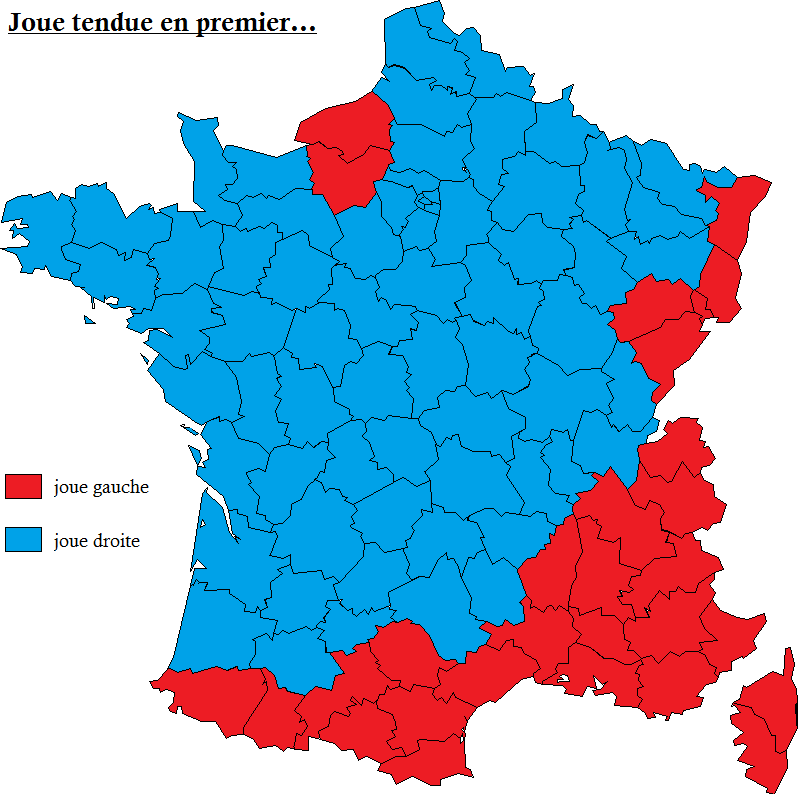
Questions people ask about Cheek kissing
When is Cheek kissing kept?
Cheek kissing is kept on when meeting or saying goodbye to friends, family, or acquaintances.
What is cheek kissing?
It is an informal greeting gesture where two people lean forward to touch cheeks or press lips to cheeks. It is used to show friendship, respect, or family connection. The number of kisses and who participates depend on local customs.
How many kisses are involved?
The number varies by country and situation, ranging from one to four kisses. Some regions use two kisses, one on each cheek, while others may use three or even four. The pattern of which cheek to start with also differs.
Is it appropriate between men?
This depends on the culture. In countries like Italy and Lebanon, men often kiss men on the cheek. In Spain and France, it varies by region and relationship. In Northern Europe and the US, it is less common between unrelated men.
What happens if I refuse?
Refusing can be seen as a sign of dislike or antipathy. To avoid offense, people might explain they are sick or have a contagious condition. Understanding local norms is important to navigate this gracefully.
See also
 MehreganAn Iranian autumn festival honoring Mithra, friendship, and the harvest
 Lao New YearA mid-April water festival and Buddhist celebration marking the Lao new yearAs-salamu alaykumA traditional Arabic greeting of peace exchanged in daily life and prayer
Good reading and sources
- Britain has become a nation of positively effusive kissersThe Guardian, Article
- Britain has become a nation of positively effusive kissersThe Guardian, Article
- Cheek kissing on WikipediaEncyclopedia
- More photos on Wikimedia CommonsPhotos and video
- Wikidata recordOpen data
The facts on this page come from the Wikipedia article "Cheek kissing", written by its contributors and used under the CC BY-SA 4.0 licence, and from its Wikidata record (CC0). EveryParampara rewrote the text in its own words, with AI assistance, and compares every page with the article to make sure no passage is copied. It may be reused under the same CC BY-SA 4.0 licence with a link back.
It may contain mistakes. Traditions differ from one family, village and community to the next, and the people who keep them know them best. If something is wrong, tell us. Last refreshed 2026-10-04.
More from France
All the traditions of France
🇱🇦 Luang Prabang, Laos and 5 moreLao New Yearປີໃໝ່ລາວ
A mid-April water festival and Buddhist celebration marking the Lao new yearFestival
 🇫🇷 France and 5 moreCandlemas
A Christian feast of candle blessings marking the end of the Christmas seasonSpiritual
🇫🇷 France and 5 moreCandlemas
A Christian feast of candle blessings marking the end of the Christmas seasonSpiritual
 🇬🇧 United Kingdom and 5 moreChristmas carol
Festive songs and hymns sung during the Christmas season and door to doorPerformance
🇬🇧 United Kingdom and 5 moreChristmas carol
Festive songs and hymns sung during the Christmas season and door to doorPerformance
 🇺🇦 Chernivtsi, Ukraine and 5 moreVyshyvanka DayДень вишиванки
An annual day for wearing traditional Ukrainian embroidered shirts across the worldDress
🇺🇦 Chernivtsi, Ukraine and 5 moreVyshyvanka DayДень вишиванки
An annual day for wearing traditional Ukrainian embroidered shirts across the worldDress
The same idea elsewhere
Greetings and farewells compared 🇱🇦 Laos and 1 moreBaciບາສີ (Lao)
A Lao rite that calls the soul home and ties a thread on the wrist for good luckSpiritual
🇱🇦 Laos and 1 moreBaciບາສີ (Lao)
A Lao rite that calls the soul home and ties a thread on the wrist for good luckSpiritual
 🇳🇿 New Zealand and 2 moreMarae
A cleared, sacred gathering place at the heart of Māori and Polynesian community lifeSpiritual
🇼🇸 Samoa and 1 moreTalofa
The Samoan hello and goodbye, also heard in Tuvalu and on LifouEtiquette
🇳🇿 New Zealand and 2 moreMarae
A cleared, sacred gathering place at the heart of Māori and Polynesian community lifeSpiritual
🇼🇸 Samoa and 1 moreTalofa
The Samoan hello and goodbye, also heard in Tuvalu and on LifouEtiquette