Music, dance and storytellingEast AsiaIndigenous and traditional
Cheoyongmu
In its own language: 처용무
A five-dancer Korean court mask dance, kept to drive off evil spirits at year's end

Cheoyongmu is a Korean mask dance and the oldest surviving Korean court dance, first shaped in the Unified Silla period. Five masked dancers move to the music and its sung verses, and the dance was long given at the year's end to drive evil spirits away; South Korea has protected it since 1971 and UNESCO listed it in 2009.
When is Cheoyongmu kept?
Cheoyongmu is kept on traditionally at the end of the year; today also in staged performances.
Cheoyongmu is a Korean dance performed in masks, and the oldest court dance from Korea that still survives. Five dancers take the stage together. The steps are drawn from the story of Cheoyong, a figure in Korean legend, and the dance was long used to send evil spirits away at the year's close. South Korea protects it as a national cultural property, and UNESCO added it to its intangible heritage list.
What it is
Cheoyongmu is a dance from Korea in which the performers cover their faces with masks. It takes its name and its story from Cheoyong, a character in Korean legend. Five dancers appear together, never a different number. Their movement shifts with the music: when the tempo and style change, the dancers change with it, and lines of song are sung between the instrumental passages. The dance has been understood in two ways at once, as a court entertainment of great dignity and as a shamanistic rite. In its older form it belonged to the close of the year, when it was meant to push evil spirits away.
Origins and the legend
The dance is the oldest Korean court dance still performed, and its beginnings are placed in the Unified Silla period. Its subject is the legend of Cheoyong, a figure from Korean mythology. Because it was danced at the end of the year to drive off evil spirits, it has also been treated as a shamanistic dance rather than only a courtly one. It stayed in the repertoire of the Korean court through later centuries, and studies of folk performance in different regions of the country take it up as well.
How it is performed
Five dancers carry the piece. Their bearing is meant to be majestic and vigorous, and nothing in it stands apart from the music: the style and the tempo of the accompaniment decide how the movement goes. Lyrical songs are recited as well, so the performance passes between dance and voice. Masks and costumes are a large part of what audiences notice. The same shape serves both settings in which the dance is known, the royal court and the rite that was meant to clear evil spirits away as the year closed.
Masks, costumes and records
Masks and costumes are among the things this dance is known for, and a painted album called Gisa gyecheop shows a performance of it. Pictures of that kind sit alongside living performances as a record of how the piece looked in later court life. Viewers notice the dress and the face coverings as much as the steps. Beyond the images, what is known about Cheoyongmu comes from Korean-language scholarship and from the heritage records that go with its protected status.
Recognition today
South Korea listed Cheoyongmu as an intangible cultural property in 1971, which brings it under national protection and into the country's system for safeguarding living traditions. UNESCO added it to the Intangible Cultural Heritage List in 2009, and that step introduced the dance to audiences far outside Korea. It is still taught and performed as a court dance with a long lineage, and it continues as part of the country's living heritage.
How Cheoyongmu is kept
Five dancers perform the piece together. Their movement follows the accompaniment, changing as the style and tempo of the music change, and the dance is given a majestic and vigorous bearing. Lyrical song is recited as part of the performance, so the dance and the singing alternate. The masks and costumes are a recognised part of the whole. In its older use the dance was given at the end of the year, when it served to drive evil spirits away, and that protective purpose is why it has also been called a shamanistic dance.
When and where
Older accounts place it at the end of the year, without naming a fixed date. Today it is also performed at other times, since it is kept as a court dance and a protected heritage piece, not only as a year-end rite.
Cheoyongmu belongs to Korea, and South Korea is where it is kept and protected today. It began as a court dance in the Unified Silla period, and it has been preserved through the court tradition and through the country's heritage system. Korean folk studies have also recorded performances linked to the dance in different regions of the country.
What Cheoyongmu means
For those who keep it, the dance carries more than steps and music. It was made to push evil away at the turning of the year, so it stands for protection from harm. Its five dancers move as one, and its masks let the performers take on the story of Cheoyong rather than appearing as themselves. The courtly dignity of the piece and its older protective work are held together, not set against each other.
Questions people ask about Cheoyongmu
When is Cheoyongmu kept?
Cheoyongmu is kept on traditionally at the end of the year; today also in staged performances.
What is Cheoyongmu?
It is a Korean dance performed by masked dancers, and the oldest court dance from Korea that survives. It is based on the legend of Cheoyong. Five dancers take part, and the steps follow the style and tempo of the music, with lyrical songs recited during the performance.
Where does it come from and where is it kept?
It comes from Korea and took shape in the Unified Silla period as a court dance. South Korea is where it is kept and protected today, listed as an intangible cultural property since 1971 and on the UNESCO Intangible Cultural Heritage List since 2009.
How many dancers take part?
Five. The dance is always given by five dancers, whose movements respond to the music. Their masks and costumes are a notable part of the performance.
Why is it described as a shamanistic dance?
Because it was performed at the end of the year to drive evil spirits away, writers have also described it as shamanistic. It is equally a court dance, and both readings are used for the same piece.
See also
 TalchumA Korean mask dance drama in which masked actors sing, dance and mock the powerful
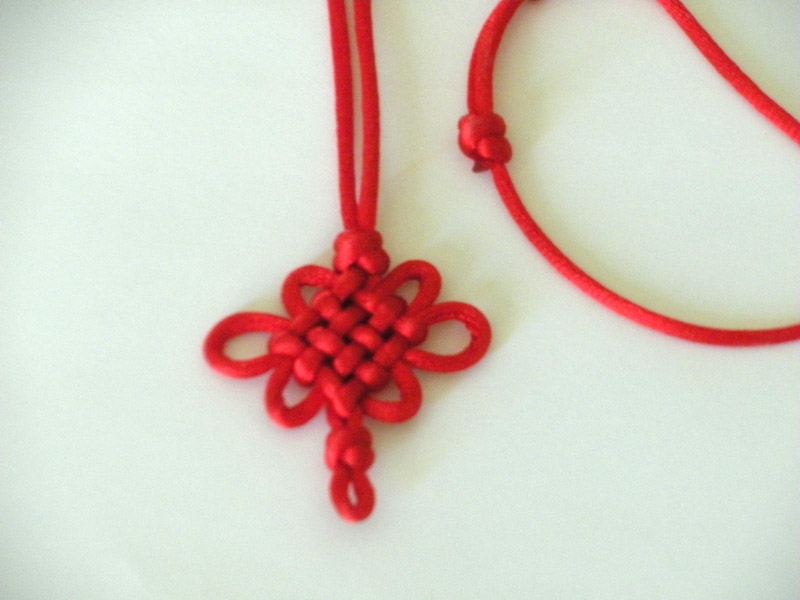 Chinese knottingA folk craft of cord tied into lucky shapes, made in China and given as charms
 Water lanternSmall lamps floated on water to honour the dead and ask for good fortune
 Postpartum confinementA period of rest, nourishment, and seclusion for mothers after giving birth.
Good reading and sources
- Browse the Lists of Intangible Cultural Heritage and the Register of good safeguarding practicesUNESCO, Heritage listing
- Browse the Lists of Intangible Cultural Heritage and the Register of good safeguarding practicesUNESCO, Article
- Cheoyongmu on WikipediaEncyclopedia
- More photos on Wikimedia CommonsPhotos and video
- Wikidata recordOpen data
The facts on this page come from the Wikipedia article "Cheoyongmu", written by its contributors and used under the CC BY-SA 4.0 licence, and from its Wikidata record (CC0). EveryParampara rewrote the text in its own words, with AI assistance, and compares every page with the article to make sure no passage is copied. It may be reused under the same CC BY-SA 4.0 licence with a link back.
It may contain mistakes. Traditions differ from one family, village and community to the next, and the people who keep them know them best. If something is wrong, tell us. Last refreshed 2026-10-14.
More from South Korea
All the traditions of South Korea
🇰🇷 Seoul, South Korea and 1 moreTalchum탈춤
A Korean mask dance drama in which masked actors sing, dance and mock the powerfulPerformance
 🇰🇷 South Korea and 1 moreGanggangsullae강강술래
A Korean harvest dance where women hold hands and sing in circles under the full moonPerformance
🇰🇷 South Korea and 1 moreGanggangsullae강강술래
A Korean harvest dance where women hold hands and sing in circles under the full moonPerformance
 🇰🇷 Honam, South Korea and 2 morePansori판소리
A Korean art of sung storytelling, with one singer, one drummer and a listening crowdPerformance
🇰🇷 Jindo Island, South KoreaNamdo Field Songs남도 들노래
Farmers' choral work songs from South Jeolla, sung through the rice field yearPerformance
🇰🇷 Honam, South Korea and 2 morePansori판소리
A Korean art of sung storytelling, with one singer, one drummer and a listening crowdPerformance
🇰🇷 Jindo Island, South KoreaNamdo Field Songs남도 들노래
Farmers' choral work songs from South Jeolla, sung through the rice field yearPerformance
The same idea elsewhere
Healing, luck and protection compared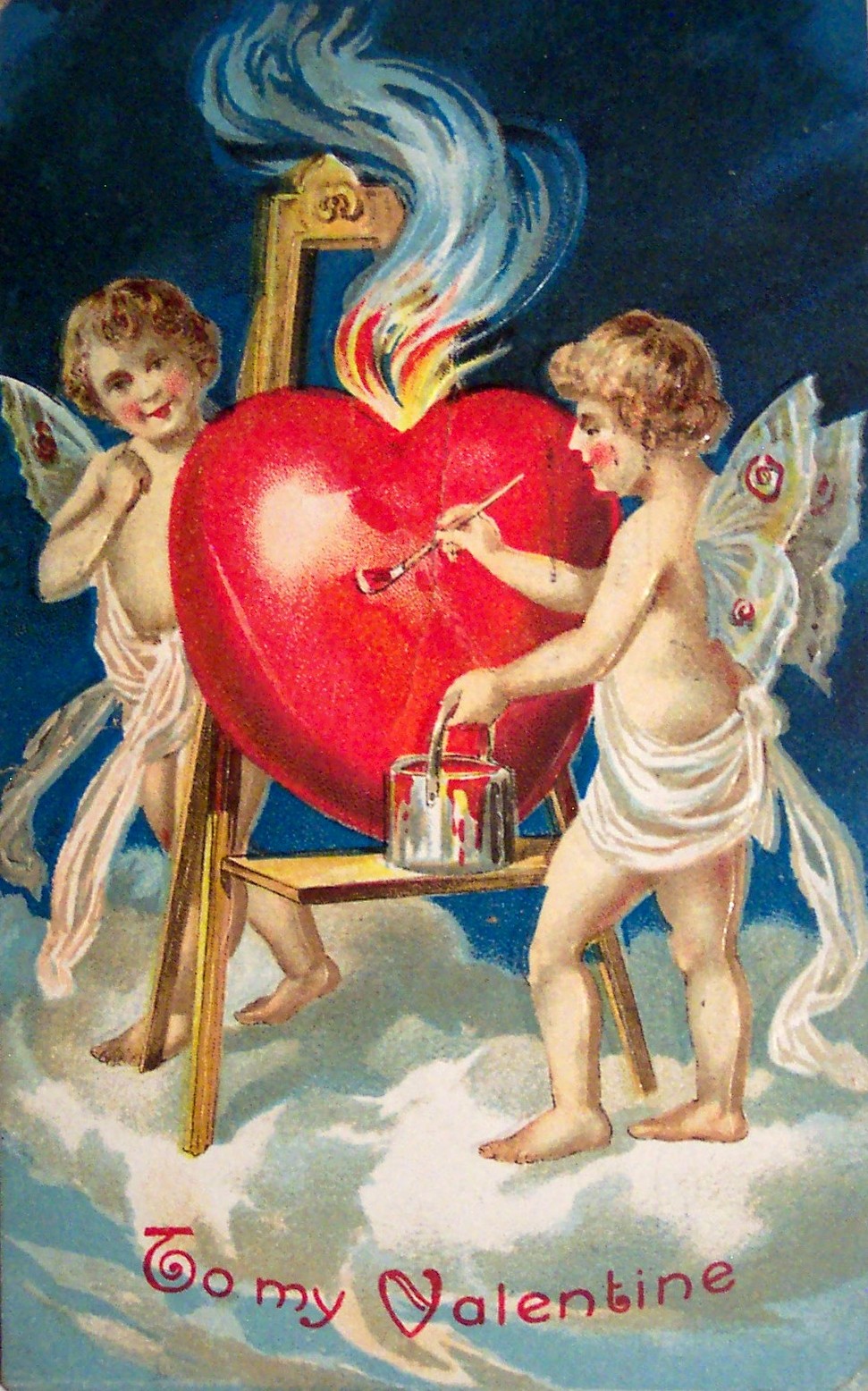 🇮🇹 Rome, Italy and 4 moreValentine's Day
A Christian feast day and cultural celebration of love kept on February 14 in many countries.Festival
🇮🇹 Rome, Italy and 4 moreValentine's Day
A Christian feast day and cultural celebration of love kept on February 14 in many countries.Festival
 🇩🇪 Germany and 5 moreChristmas tree
A decorated evergreen or artificial tree placed indoors to mark the Christmas season.Festival
🇩🇪 Germany and 5 moreChristmas tree
A decorated evergreen or artificial tree placed indoors to mark the Christmas season.Festival
 🇫🇷 France and 5 moreCandlemas
A Christian feast of candle blessings marking the end of the Christmas seasonSpiritual
🇫🇷 France and 5 moreCandlemas
A Christian feast of candle blessings marking the end of the Christmas seasonSpiritual
 🇺🇸 United States and 4 moreFriday the 13th
A Western folk superstition regarding the unluckiness of a Friday falling on the 13th.Folklore
🇺🇸 United States and 4 moreFriday the 13th
A Western folk superstition regarding the unluckiness of a Friday falling on the 13th.Folklore