Life-cycle ritesEast AsiaHindu
Postpartum confinement
A period of rest, nourishment, and seclusion for mothers after giving birth.

Postpartum confinement is a period of seclusion and recovery observed by new mothers immediately after giving birth, lasting anywhere from several weeks to three months. Family members assist with domestic chores and newborn care while providing warming, restorative meals to help the mother heal.
When is Postpartum confinement kept?
Postpartum confinement is kept on immediately after giving birth, lasting from three weeks to one hundred days.
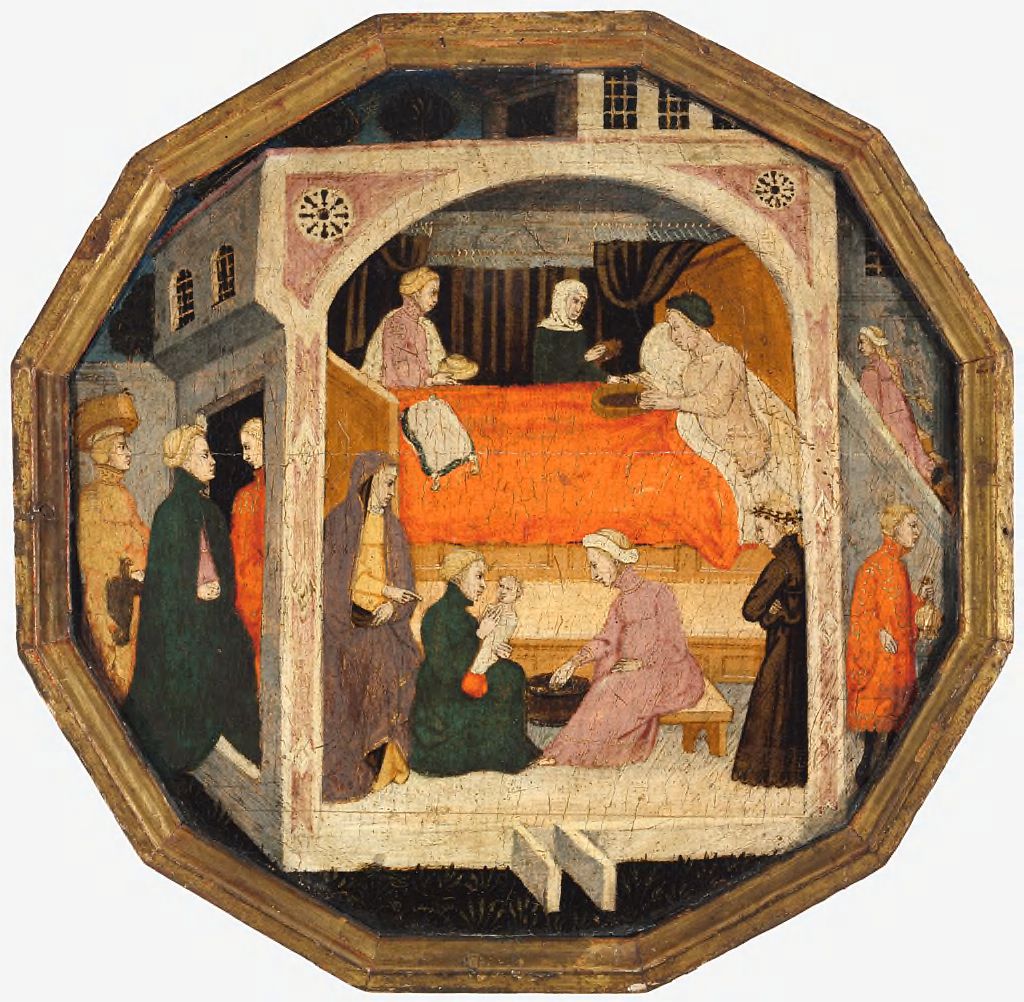
Postpartum confinement is a custom where a new mother stays indoors to rest, heal, and bond with her baby right after childbirth. Practised in diverse ways across many cultures, it exempts the mother from household tasks while family members or professional helpers step in. The tradition focuses on physical recovery, establishing infant feeding, and restoring strength through warmth, quiet seclusion, and carefully selected restorative meals.
Care and daily habits
During confinement, the mother remains primarily in bed to allow her body to mend. Traditional guidelines often advise keeping the body warm, covering exposed skin, and avoiding cold draughts, water exposure, or heavy exertion. In some Chinese customs, women traditionally avoided washing hair or bathing to ward off chills, though modern practice often permits gentle washing followed by rapid drying. In South Korea, straw ropes woven with charcoal or chillies were historically hung across household entrances to announce the birth and restrict outsiders. Japanese mothers often return to their parental home for a month or two, receiving hands-on assistance with infant care and cooking from their own mothers without rigid medical prohibitions.
Nourishing postpartum foods
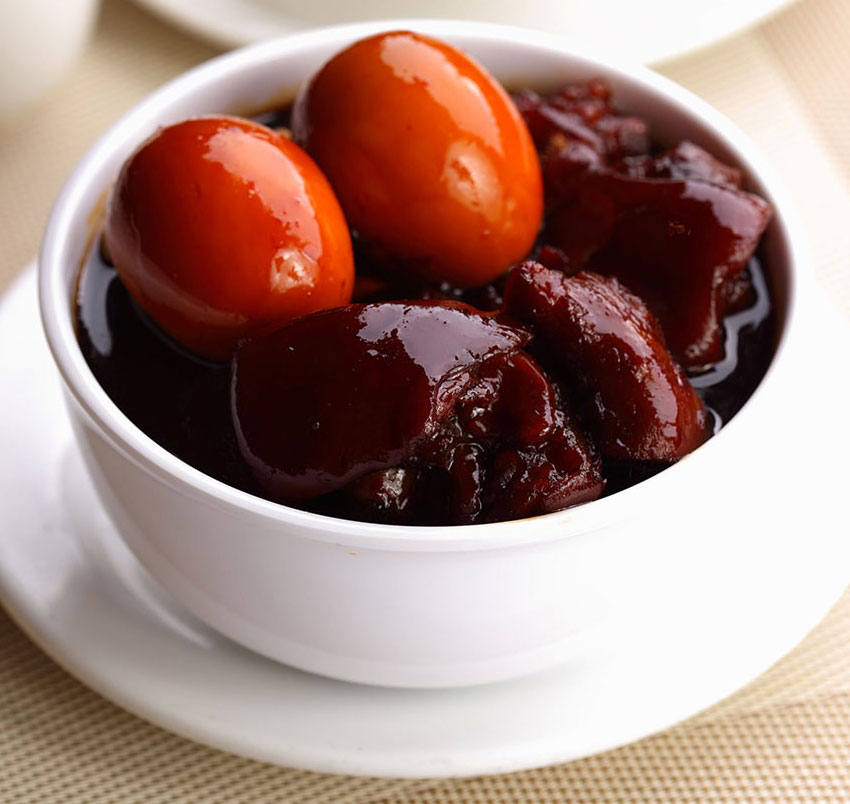
Special diets play a vital part in postnatal recovery, aiming to replenish blood, shrink the uterus, and encourage healthy breast milk production. Meals are typically served warm and focus on nutrient-dense broths, lean proteins, and specific restorative ingredients. Cantonese households frequently prepare dishes with pig trotters, ginger, and black vinegar to supply calcium and dispel bodily cold. In Shanxi, women eat fine millet porridge and chicken soup, while Singaporean custom incorporates green papaya soup and sesame oil chicken. Korean mothers consume iron-rich seaweed soup known as miyeokguk, and Chinese communities celebrate milestone days by offering hard-boiled red eggs to relatives and visiting friends.
Cultural variations
Different regions maintain distinct timetables and rituals for ending confinement. In northern China, some families observe a full hundred-day period that culminates in a celebratory banquet, whereas southern traditions generally conclude after thirty days with an ancestor tribute or family gathering. On the Indian subcontinent, observances known as jaappa, purudu, or sawa mahina typically last between ten and forty days, involving dietary regimes and temporary exemptions from temple visits or religious ceremonies. Persian custom similarly marks chilla as a forty-day resting interval. Across these cultures, completing the prescribed weeks signifies that the infant is thriving and the mother is ready to resume ordinary domestic life.
Support and modern adaptation
Confinement structures rely heavily on intergenerational support. While new mothers in patrilocal societies were traditionally attended by mothers-in-law, many modern families hire specialized confinement nannies or check into private residential postpartum centres. Research into these customs indicates that mothers deeply appreciate the physical relief and social encouragement, though interpersonal friction over strict traditional rules can occasionally cause stress. Studies show that the positive emotional effect of confinement depends largely on the quality and warmth of the care received rather than mere compliance with rigid bans. Today, women increasingly adapt historic recommendations to balance personal hygiene and comfort with customary family assistance.
How Postpartum confinement is kept
Directly after delivery, the mother begins a quiet period at home or in a dedicated care facility, shielded from routine housework and social visits. Depending on regional customs, she is looked after by her mother, mother-in-law, or a hired nanny. Daily care involves strict physical rest, staying warm, and consuming hot broths and energy-dense dishes designed to aid healing and milk production. In some traditions, visitors are barred for several weeks until an introductory feast or ancestral offering marks the end of the seclusion period.
When and where
The observance starts straight after childbirth and continues for a culturally set period. Depending on the community, the duration spans twenty-one days, one month, forty days, or up to one hundred days before the mother fully re-enters social life.
Practices exist across East Asia, South Asia, the Middle East, and parts of Europe. It is particularly prominent in China, Taiwan, India, South Korea, Japan, and Singapore, taking place at the family home, the maternal grandparents' house, or modern confinement centres.
What Postpartum confinement means
Confinement treats the weeks after birth as a delicate transitional window requiring protection and deliberate care. Many cultures view the state of the body as depleted or open to cold and illness, making seclusion and heat essential. In some religious and folk customs, the period also represents a time of ritual impurity or vulnerability, ending with purification rites and feasts that welcome mother and child back into the wider community.
On the table

Questions people ask about Postpartum confinement
When is Postpartum confinement kept?
Postpartum confinement is kept on immediately after giving birth, lasting from three weeks to one hundred days.
What is postpartum confinement?
It is a traditional custom of resting indoors after childbirth. Mothers are relieved of housework and cared for by family or hired helpers while they recover, establish breastfeeding, and bond with their newborn.
How long does confinement usually last?
The duration depends on local traditions. It commonly lasts twenty-one days in Korea, thirty to forty days across southern China, India, and Iran, and up to one hundred days in northern China.
What foods are traditionally eaten during this period?
Mothers eat warm, nutrient-rich foods that aid healing and milk supply. Common dishes include chicken broths, millet porridge, seaweed soup, and stews cooked with ginger, sesame oil, and black vinegar.
Where is this tradition observed today?
It is widely practised throughout East and South Asia, including China, Taiwan, India, South Korea, Japan, and Singapore, as well as in diaspora communities around the world.
See also
 Shichi-Go-SanA Japanese festival celebrating the growth of three-year-old girls, five-year-old boys, and seven-year-old girls.
 Mid-Autumn FestivalAn annual harvest festival celebrating family reunions, full moons and mooncakes
 HinamatsuriA March festival in Japan where families display ornamental dolls to pray for the health and happiness of young girls.
 Krishna JanmashtamiA Hindu festival celebrating the birth of Krishna with fasting, singing and night vigils
Good reading and sources
The facts on this page come from the Wikipedia article "Postpartum confinement", written by its contributors and used under the CC BY-SA 4.0 licence, and from its Wikidata record (CC0). EveryParampara rewrote the text in its own words, with AI assistance, and compares every page with the article to make sure no passage is copied. It may be reused under the same CC BY-SA 4.0 licence with a link back.
It may contain mistakes. Traditions differ from one family, village and community to the next, and the people who keep them know them best. If something is wrong, tell us. Last refreshed 2026-10-04.
More from China
All the traditions of China 🇨🇳 ChinaChinese funeral rituals
Traditional rites of mourning, vigils, offerings, and ancestor veneration across ChinaRite of passage
🇨🇳 ChinaChinese funeral rituals
Traditional rites of mourning, vigils, offerings, and ancestor veneration across ChinaRite of passage
 🇨🇳 China and 4 moreSky burialབྱ་གཏོར་ (bya gtor)
A Tibetan funeral in which the dead are laid out on a rock for vulturesRite of passage
🇨🇳 China and 4 moreSky burialབྱ་གཏོར་ (bya gtor)
A Tibetan funeral in which the dead are laid out on a rock for vulturesRite of passage
 🇮🇳 India and 2 moreFuneral
The ceremony a community holds when someone dies, from burial to cremationRite of passage
🇮🇳 India and 2 moreFuneral
The ceremony a community holds when someone dies, from burial to cremationRite of passage
The same idea elsewhere
Birth and new babies compared 🇦🇺 AustraliaSmoking ceremonyNumbuk Yabbun
An Aboriginal Australian ritual of burning native plants to cleanse, heal and welcomeSpiritual
🇦🇺 AustraliaSmoking ceremonyNumbuk Yabbun
An Aboriginal Australian ritual of burning native plants to cleanse, heal and welcomeSpiritual
 🇺🇸 United States and 1 moreDreamcatcherᐊᓴᐱᑫᔒᓐᐦ (asabikeshiinh)
A hand-woven hoop from Anishinaabe tradition, hung above a cradle to protect a childCraft
🇺🇸 United States and 1 moreDreamcatcherᐊᓴᐱᑫᔒᓐᐦ (asabikeshiinh)
A hand-woven hoop from Anishinaabe tradition, hung above a cradle to protect a childCraft
 🇮🇩 IndonesiaSlametan
A short communal meal on Java where neighbours share food, prayer and a wish for peaceSpiritual · Feasts and festival meals
🇮🇩 IndonesiaSlametan
A short communal meal on Java where neighbours share food, prayer and a wish for peaceSpiritual · Feasts and festival meals
 🇮🇩 Yogyakarta, IndonesiaSekatenꦱꦼꦏꦠꦺꦤ꧀
A week-long Javanese royal festival and market honouring the birth of the ProphetFestival
🇮🇩 Yogyakarta, IndonesiaSekatenꦱꦼꦏꦠꦺꦤ꧀
A week-long Javanese royal festival and market honouring the birth of the ProphetFestival