Customs of food and drinkEast AsiaBuddhistSecular and civic
Chinese tea culture
In its own language: 中国茶文化 (Zhōngguó chá wénhuà)
A centuries-old practice of cultivating, brewing, and sharing tea as a social and spiritual ritual in China.

Chinese tea culture encompasses the cultivation, processing, brewing, and consumption of tea within Chinese society. It emerged during the Tang dynasty as a major cultural practice and continues today as a daily habit for millions. The tradition emphasizes harmony, respect, and purity, often linking the beverage to Daoist philosophy and Buddhist meditation.
When is Chinese tea culture kept?
Chinese tea culture is kept on daily, on both casual and formal occasions.
Chinese tea culture is a living tradition that weaves together agriculture, art, and spirituality. It began as a medicinal use of leaves and evolved into a refined social ritual. People drink tea to stay healthy, to welcome guests, and to find balance in their daily lives.
Origins and history
Ancient legends credit Shen Nong with discovering tea over four thousand years ago. He reportedly found its benefits after leaves fell into his boiling water. Early records from the Zhou dynasty mention a bitter herb called tu, which nobles consumed as tribute. By the Han dynasty, emperors drank tea, and monks began cultivating it on mountains like Meng Mountain. The Tang dynasty marked a turning point when tea shifted from a food ingredient to a standalone beverage enjoyed by elites and commoners alike.
Buddhism and tea
Monks played a vital role in spreading tea drinking across China. Because they could not eat solid food or drink alcohol after noon, tea helped them stay awake during long meditation sessions. Monasteries became centers for growing and processing tea. They shared their methods with visitors and sent high-quality leaves to the imperial court. This religious connection helped transform tea from a regional southern habit into a national custom found in temples and markets throughout the empire.
Philosophy and symbolism
The preparation of tea reflects Daoist ideas about balance and the Five Elements. The plant itself represents Wood. The heat used to pan-fire the leaves adds Fire and Metal. Brewing requires Water. Finally, the ceramic pot or cup embodies Earth. When these elements combine in one cup, they create harmony. This symbolic cycle reminds drinkers of the interconnectedness of nature and the importance of maintaining peace in both body and mind.
Modern practice
Today, tea remains an essential part of Chinese life. It is served in homes, restaurants, and tea houses for both everyday relaxation and formal gatherings. The tradition includes specific ways to grow, process, and serve different types of leaves. While neighboring countries developed their own distinct ceremonies based on Chinese roots, China continues to refine its own techniques. Tea is also used in traditional medicine and cooking, showing its deep integration into daily health and cuisine.
How Chinese tea culture is kept
People cultivate tea plants in southern regions like Yunnan and Sichuan. Leaves are harvested, processed using methods like steaming or roasting, and then brewed in teaware such as gaiwans or clay pots. The resulting liquid is poured into small cups and shared among guests. This act of serving tea demonstrates respect and hospitality. Families often drink tea at home, while businesses and temples maintain their own specific rituals for preparation and presentation.
When and where
It is observed daily throughout the year. Historically, it became widespread during the Tang dynasty and has continued without interruption since then.
It originated in the southern provinces of China, particularly around Chengdu and Xi'an. It spread northward through trade routes and Buddhist monasteries. Today, it is practiced nationwide across China.
What Chinese tea culture means
Tea symbolizes harmony between humans and nature. The Five Elements theory links each step of processing to a natural force. Drinking tea promotes mental clarity and physical health. It serves as a bridge between the spiritual world of monks and the social world of scholars and merchants.


Questions people ask about Chinese tea culture
When is Chinese tea culture kept?
Chinese tea culture is kept on daily, on both casual and formal occasions.
Where is Chinese tea culture kept?
Chinese tea culture belongs to the traditions of China, and is tied most closely to Xi'an.
Who keeps Chinese tea culture?
As our sources describe it, Chinese tea culture is kept by The Chinese people. Many other communities and families now share it too.
See also
 Qingming FestivalA spring custom of sweeping family graves and honouring ancestors across East Asia.
 Buddha's BirthdayA festival marking the birth of Siddhartha Gautama, observed across Asia with temple rituals and community gatherings.
 SabantuyA summer festival of folk sports and feasting celebrated by Tatar, Bashkir, Chuvash, and Kazakh communities.
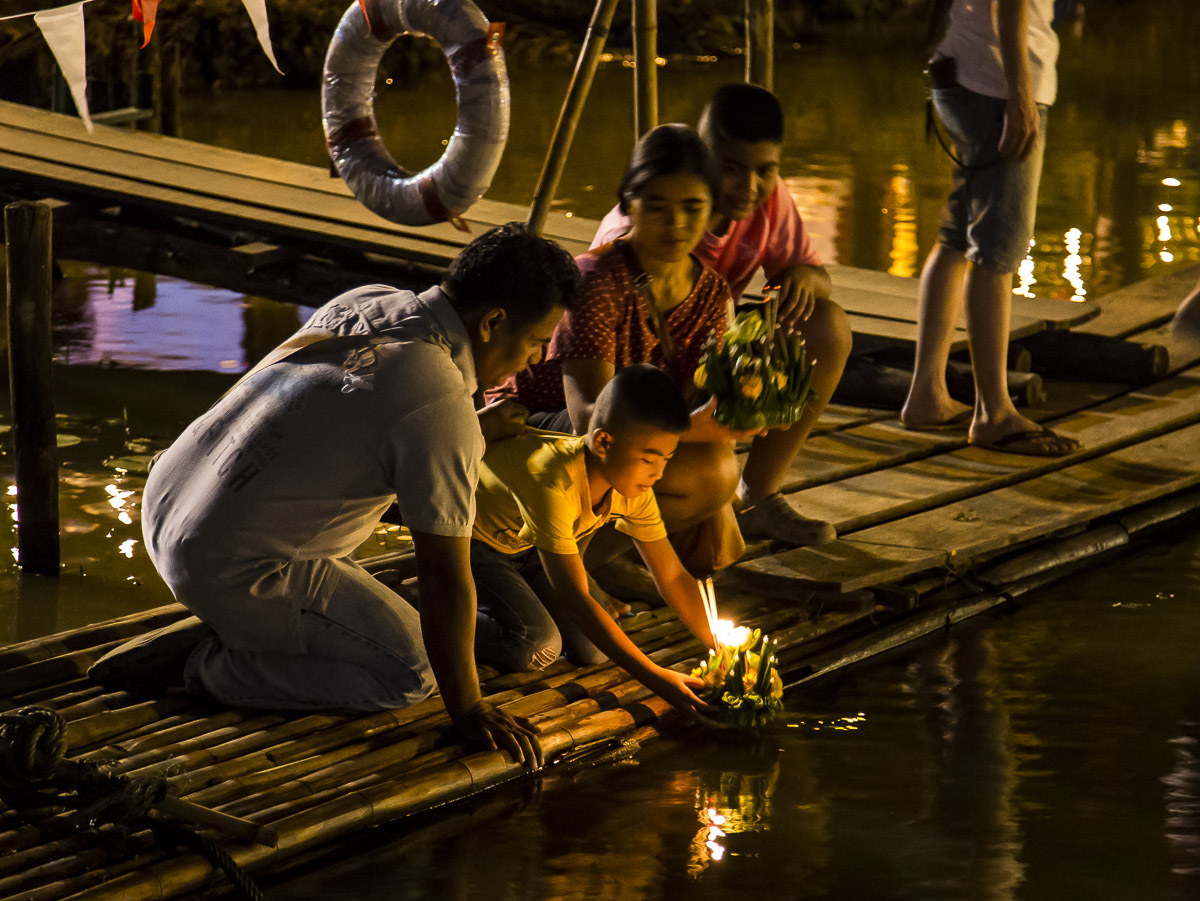 Loy KrathongA Thai festival of floating leaf baskets on rivers to honor water and release negativity.
Good reading and sources
- Tea in Ancient China & JapanWorld History Encyclopedia, Article
- The yum cha rules you need to knowBBC, Article
- Traditional tea processing techniques and associated social practices in ChinaUNESCO, Heritage listing
- Tea in Ancient China & JapanWorld History Encyclopedia, Article
- The yum cha rules you need to knowBBC, Article
- Traditional tea processing techniques and associated social practices in ChinaUNESCO, Article
- Chinese tea culture on WikipediaEncyclopedia
- More photos on Wikimedia CommonsPhotos and video
- Wikidata recordOpen data
The facts on this page come from the Wikipedia article "Chinese tea culture", written by its contributors and used under the CC BY-SA 4.0 licence, and from its Wikidata record (CC0). EveryParampara rewrote the text in its own words, with AI assistance, and compares every page with the article to make sure no passage is copied. It may be reused under the same CC BY-SA 4.0 licence with a link back.
It may contain mistakes. Traditions differ from one family, village and community to the next, and the people who keep them know them best. If something is wrong, tell us. Last refreshed 2026-10-04.
More from China
All the traditions of China 🇨🇳 Chaozhou, China and 1 moreGongfu tea工夫茶
A skilled Chinese method of brewing tea in small teaware with precise heat and timingTable custom · Tea, coffee and drinking ceremonies
🇨🇳 Chaozhou, China and 1 moreGongfu tea工夫茶
A skilled Chinese method of brewing tea in small teaware with precise heat and timingTable custom · Tea, coffee and drinking ceremonies
 🇨🇳 China and 5 moreTea culture
How tea is prepared, shared and served, from Chinese tea houses to Tibetan butter teaTable custom · Tea, coffee and drinking ceremonies
🇨🇳 China and 5 moreTea culture
How tea is prepared, shared and served, from Chinese tea houses to Tibetan butter teaTable custom · Tea, coffee and drinking ceremonies
 🇨🇳 Lhasa, China and 5 moreButter teaབོད་ཇ་
A salted tea churned with yak butter, served to guests across the HimalayaTable custom · Tea, coffee and drinking ceremonies
🇨🇳 Lhasa, China and 5 moreButter teaབོད་ཇ་
A salted tea churned with yak butter, served to guests across the HimalayaTable custom · Tea, coffee and drinking ceremonies
The same idea elsewhere
Hospitality and welcome compared 🇮🇱 Jerusalem, IsraelSukkotסוכות
A seven-day autumn Jewish festival of temporary booths, harvest prayers and hospitalitySpiritual
🇮🇱 Jerusalem, IsraelSukkotסוכות
A seven-day autumn Jewish festival of temporary booths, harvest prayers and hospitalitySpiritual
 🇳🇿 Auckland, New ZealandWharenui
A Māori carved communal meeting house at the centre of tribal life in New ZealandHome
🇳🇿 Auckland, New ZealandWharenui
A Māori carved communal meeting house at the centre of tribal life in New ZealandHome
 🇳🇿 New Zealand and 2 moreMarae
A cleared, sacred gathering place at the heart of Māori and Polynesian community lifeSpiritual
🇦🇺 AustraliaGarma Festival of Traditional Cultures
A four-day cultural gathering in northeast Arnhem Land celebrating Yolngu traditions and fostering two-way learning.Festival
🇳🇿 New Zealand and 2 moreMarae
A cleared, sacred gathering place at the heart of Māori and Polynesian community lifeSpiritual
🇦🇺 AustraliaGarma Festival of Traditional Cultures
A four-day cultural gathering in northeast Arnhem Land celebrating Yolngu traditions and fostering two-way learning.Festival