Chiprovtsi kilim
In its own language: Чипровски килим
Handmade flatwoven rugs with identical sides, crafted in a Bulgarian town since the 17th century.

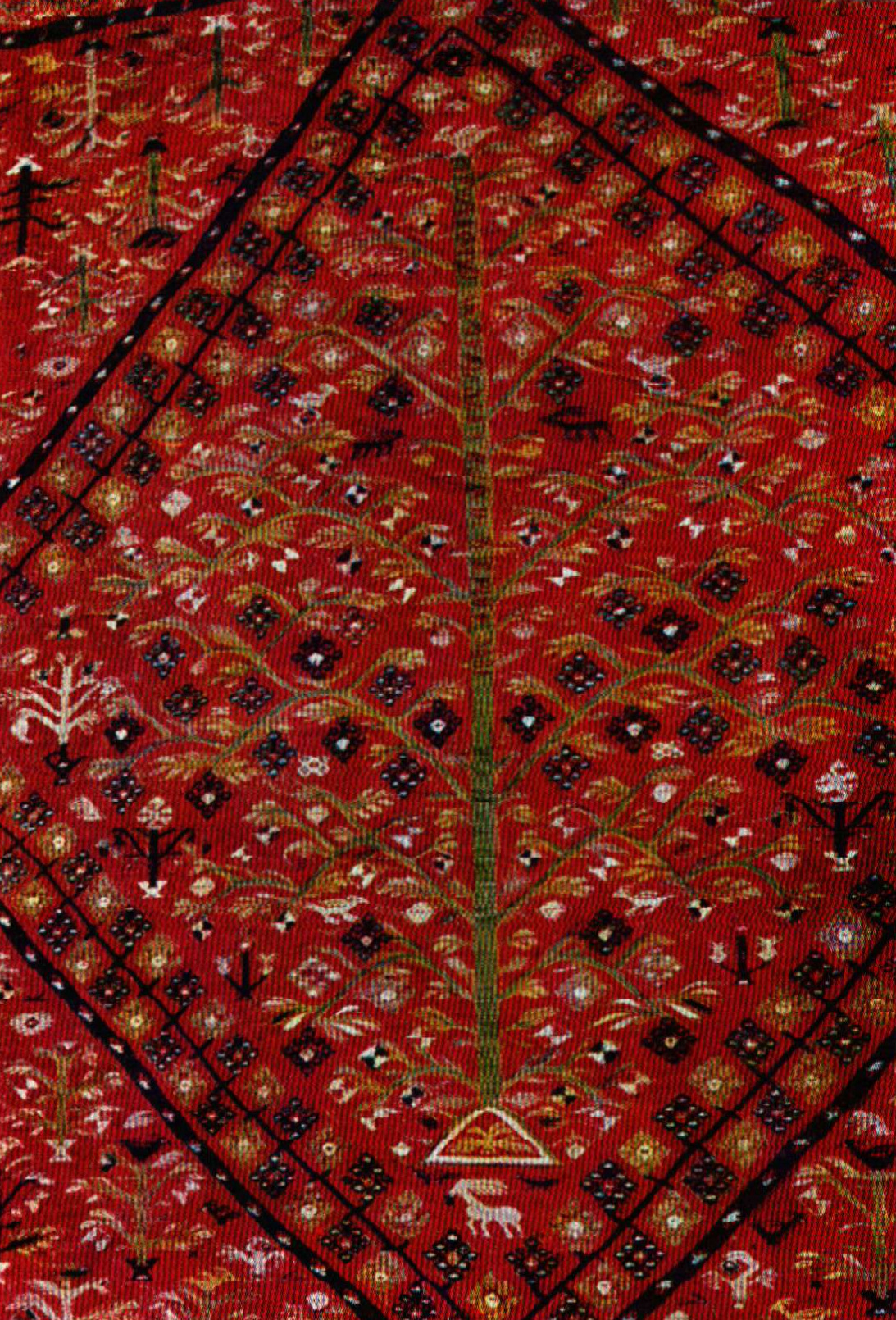
Chiprovtsi kilims are handmade flatwoven rugs featuring identical designs on both sides. Weavers in the town of Chiprovtsi, Bulgaria, have produced them since the seventeenth century using wool and cotton. The craft flourished during the Bulgarian National Revival and was recognized by UNESCO in 2014.
When is Chiprovtsi kilim kept?
Chiprovtsi kilim is kept on ongoing tradition starting in the 17th century.
The Chiprovtsi kilim is a handmade flatwoven rug celebrated for its matching patterns on both faces. Weavers in the Bulgarian town of Chiprovtsi have created these textiles since the seventeenth century. The craft uses natural wool and cotton to produce durable rugs that serve as a symbol of local identity and national pride.
History and revival
Weaving began in the town during the 1600s. The industry helped rebuild Chiprovtsi after the devastation of an 1688 uprising against Ottoman rule. By the nineteenth century, the craft had become central to daily life. Travelers noted that young women worked under shelters to earn a living. Production expanded rapidly, reaching over fourteen thousand square metres annually by 1868. In 1920, locals established the first manual labour cooperative society in the country.
Materials and colours
Artisans weave the rugs using wool and cotton. The resulting textiles measure three to five millimetres in thickness. Early versions featured only red and black hues. Later designs incorporated yellow, brown, red, blue, and green. Weavers colour the fibres using natural plant or mineral dyes. Each rug requires roughly fifty days of manual labour to finish.
Recognition and current status
The tradition received UNESCO Intangible Cultural Heritage status in 2014. Locals view the kilims as a vital part of Bulgarian heritage. Today, customers may select specific patterns for their orders. Despite past success at exhibitions in London and Paris, the industry has faced recent challenges. Loss of foreign markets has contributed to a demographic decline in the region.
Regional connections
This craft belongs to the Western Bulgarian kilim weaving family. It shares roots with a wider Balkan tradition centred near the Balkan Mountains. The area spans modern Western Bulgaria and Eastern Serbia. The Chiprovtsi style is often linked to the historic Pirot carpet.
How Chiprovtsi kilim is kept
Primarily women weave the carpets manually. They use wool and cotton dyed with plant or mineral sources. A single large carpet takes roughly fifty days to complete. While traditional designs remain popular, customers can now choose their own patterns. The work is done entirely by hand.
When and where
The tradition began in the 17th century and continues today.
Chiprovtsi, Bulgaria. Historically linked to the Balkan mountain region spanning Western Bulgaria and Eastern Serbia.
What Chiprovtsi kilim means
Represents Bulgarian national heritage and arts. It played a key role in the economic revival of Chiprovtsi after the failed uprising against Ottoman rule.
Questions people ask about Chiprovtsi kilim
When is Chiprovtsi kilim kept?
Chiprovtsi kilim is kept on ongoing tradition starting in the 17th century.
What makes a Chiprovtsi kilim unique?
These rugs are flatwoven with identical designs on both sides. They are made from natural wool and cotton and feature distinct colors like red, blue, and green.
Who traditionally weaves these carpets?
Carpet weaving has historically been a craft performed primarily by women in the town of Chiprovtsi.
See also
 Christmas EveThe evening before Christmas, marked by church services, family meals, and gift preparations across Christian cultures.
 Caffè sospesoAn anonymous gift of a paid cup of coffee for a stranger in need
 CsárdásA Hungarian folk dance that moves from a slow start to a fast finish, kept in Hungary and neighboring regions.
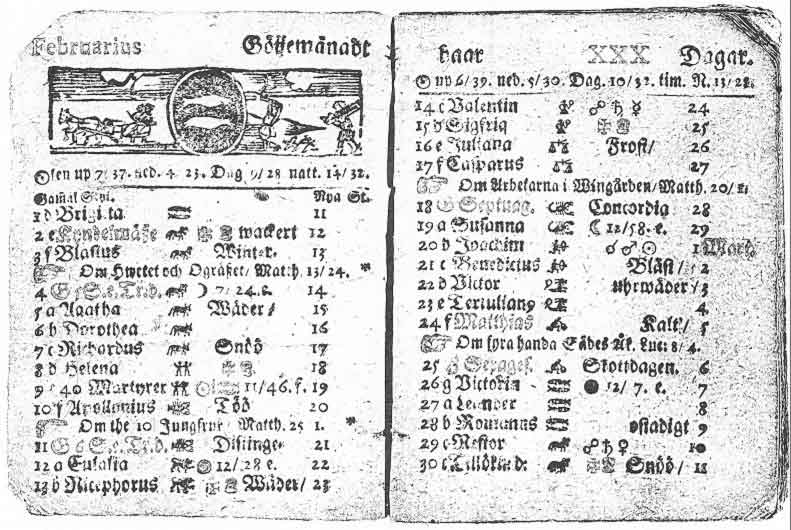 Name dayA calendar tradition where people celebrate the feast day of the saint after whom they are named.
Good reading and sources
- The tradition of carpet-making in ChiprovtsiUNESCO, Heritage listing
- The tradition of carpet-making in ChiprovtsiUNESCO, Article
- Chiprovtsi kilim on WikipediaEncyclopedia
- More photos on Wikimedia CommonsPhotos and video
- Wikidata recordOpen data
The facts on this page come from the Wikipedia article "Chiprovtsi kilim", written by its contributors and used under the CC BY-SA 4.0 licence, and from its Wikidata record (CC0). EveryParampara rewrote the text in its own words, with AI assistance, and compares every page with the article to make sure no passage is copied. It may be reused under the same CC BY-SA 4.0 licence with a link back.
It may contain mistakes. Traditions differ from one family, village and community to the next, and the people who keep them know them best. If something is wrong, tell us. Last refreshed 2026-10-07.
More from Bulgaria
All the traditions of Bulgaria
🇵🇱 Poland and 5 moreChristmas Eve
The evening before Christmas, marked by church services, family meals, and gift preparations across Christian cultures.Festival · Dinner
🇮🇹 Naples, Italy and 5 moreCaffè sospeso
An anonymous gift of a paid cup of coffee for a stranger in needTable custom · Tea, coffee and drinking ceremonies
🇭🇺 Hungary and 5 moreCsárdás
A Hungarian folk dance that moves from a slow start to a fast finish, kept in Hungary and neighboring regions.Performance
🇬🇷 Greece and 5 moreName day
A calendar tradition where people celebrate the feast day of the saint after whom they are named.Festival
The same idea elsewhere
All of this kind 🇮🇷 Shiraz, Iran and 1 moreKhatamخاتم
A Persian inlay craft that builds geometric patterns from thousands of tiny cut piecesCraft
🇮🇷 Shiraz, Iran and 1 moreKhatamخاتم
A Persian inlay craft that builds geometric patterns from thousands of tiny cut piecesCraft
 🇺🇸 United States and 1 moreDreamcatcherᐊᓴᐱᑫᔒᓐᐦ (asabikeshiinh)
A hand-woven hoop from Anishinaabe tradition, hung above a cradle to protect a childCraft
🇺🇸 United States and 1 moreDreamcatcherᐊᓴᐱᑫᔒᓐᐦ (asabikeshiinh)
A hand-woven hoop from Anishinaabe tradition, hung above a cradle to protect a childCraft
 🇦🇺 AustraliaBark painting
Ochre pictures on flattened tree bark, an Aboriginal art form of northern AustraliaCraft
🇦🇺 AustraliaBark painting
Ochre pictures on flattened tree bark, an Aboriginal art form of northern AustraliaCraft
 🇯🇵 Tokyo, Japan and 1 moreBonsai盆栽
A Japanese craft of keeping small trees in shallow pots, shaped for contemplationCraft
🇯🇵 Tokyo, Japan and 1 moreBonsai盆栽
A Japanese craft of keeping small trees in shallow pots, shaped for contemplationCraft