Crafts and makingEast AsiaBuddhist
Bonsai
In its own language: 盆栽
A Japanese craft of keeping small trees in shallow pots, shaped for contemplation

Bonsai is a Japanese practice of keeping small trees in pots and shaping their growth. It grew from Chinese penjing and developed in Japan over a thousand years, with ties to Zen Buddhist monasteries. Today growers and enthusiasts around the world keep bonsai as a contemplative practice and a hobby.
When is Bonsai kept?
Bonsai is kept on year-round, with major exhibitions in February.
Bonsai is a Japanese craft of raising small trees in pots and shaping them over many years. A bonsai is not a genetically dwarf plant; it is an ordinary tree kept compact by pruning roots and branches. Growers keep bonsai for the quiet pleasure of care and for the contemplation it invites. The practice drew from Chinese container plantings and has developed in Japan for over a thousand years.
What bonsai is
Bonsai is a tree or shrub grown in a shallow pot and trained to look like a mature tree in the wild. The word comes from Japanese and means pot planting. A bonsai can begin from a cutting, a seedling, a wild tree called yamadori, or a small specimen of a suitable species. Almost any woody tree or shrub that makes true branches can work. Growers choose kinds with small leaves, needles or aged bark because these suit the compact view. The aim is not to show a whole landscape but the form of one tree or a small group.
Origins and history
Japanese container planting grew out of the Chinese practice of penjing. From the sixth century, embassy staff and Buddhist students travelled to mainland China and brought back ideas and goods, including plants in containers. Scrolls from the medieval period show dwarfed potted trees. A scroll from 1195 is the earliest known to show dwarfed potted trees in Japan. By the fourteenth century people called these trees hachi no ki, meaning the bowl's tree. Zen Buddhist monks helped shape how bonsai looked. They taught that miniature landscapes were a fit accomplishment for people of taste. Japanese artists later made the style simpler, taking away figurines and using plainer, smaller pots. In the nineteenth century the word bonsai came into wider use.
How it is shaped
Shaping starts with source material. The grower chooses a tree, then works to keep it small and to meet bonsai standards. As the tree approaches the size the grower wants, it goes into a display pot, usually one made for bonsai in accepted shapes and proportions. From then on the pot limits its growth. Through the year the grower prunes, reduces roots, repots, defoliates and grafts to direct the tree's form. These methods produce a small tree that echoes the shape of a mature tree. Bonsai is not the same as dwarfing. Dwarfing creates permanent genetic miniatures through breeding or genetic engineering. Bonsai trees are ordinary stock kept small by care.
Tools and techniques
In 1910, growers began to shape trees with wire instead of string, rope and burlap. Zinc-galvanized steel wire came first. Copper wire was costly and used only on trees with real promise. Masakuni I, a toolmaker, worked in the 1920s and 1930s. He helped create the first steel tools designed for shaping bonsai. One was the concave cutter, a branch cutter that leaves a shallow dip on the trunk. If treated well, live tissue and bark fill the dip over time, so the pruning scar is hidden or reduced. Today bonsai tools and display pots are part of the practice.
Today and worldwide
Bonsai is now an international art form and hobby. Japan still hosts large exhibitions with the world's greatest number of specimens and the highest recognized quality. The Kokufu-ten displays, held by invitation for eight days in February, continue. The first World Bonsai Convention took place in Osaka in 1980. The World Bonsai Friendship Federation began in Omiya nine years later, and conventions have since been held in different countries every four years. Books, magazines and public shows helped make bonsai known far beyond Japan. Japanese immigrants and their children set up the earliest bonsai nurseries and clubs in the Americas.
How Bonsai is kept
A grower begins with a cutting, seedling, wild tree or small specimen. The tree is trained to stay small through pruning branches and roots. As it nears the planned size, it is moved into a display pot. After that the pot itself limits growth. Through the year the grower repots, defoliates, wires branches and grafts where needed. The tree is shaped to match bonsai standards, not to show a whole landscape. Viewers take part by looking at the tree, and the grower takes part through patient, repeated care. Exhibitions let owners and visitors see and rank trees.
When and where
Bonsai is a year-round practice, not a dated festival. Its main public moments are exhibitions. The Kokufu-ten show in Tokyo runs for eight days each February. World Bonsai Conventions have been held every four years since 1989, at different locations.
Bonsai belongs to Japan and is strongest there. Tokyo is its main centre, home to major exhibitions and the Imperial Palace collection. Kyoto held a yearly show of dwarf potted pines in the Tenmei era. Osaka hosted the first World Bonsai Convention in 1980, and Omiya launched the World Bonsai Friendship Federation. Today growers keep bonsai in many countries, including the United States, Germany, China, Korea, Vietnam and Australia.
What Bonsai means
For growers, bonsai is a quiet practice. The viewer is meant to contemplate the tree, while the grower finds pleasure in effort and ingenuity. A bonsai is not grown for food or medicine. The tree stands for patience and care, and for a small, living echo of a mature tree in the wild. In Japan, Zen Buddhist monks helped give the art this reflective character. Many people also see bonsai as a link to nature inside a home or garden.


Questions people ask about Bonsai
When is Bonsai kept?
Bonsai is kept on year-round, with major exhibitions in February.
What is bonsai?
Bonsai is a Japanese craft. It means keeping small trees in pots and shaping them over time. A bonsai is an ordinary tree, not a genetically dwarf plant, kept compact by pruning and by the limits of its pot.
Where does bonsai come from?
It comes from Japan. The Japanese art grew out of the Chinese practice of penjing. From the sixth century, embassy staff and Buddhist students brought container plantings and other ideas back from mainland China. Over centuries, Japanese growers developed their own styles, tools and terms.
Is bonsai the same as dwarfing?
No. Dwarfing means creating permanent, genetic miniatures of plants through selective breeding or genetic engineering. Bonsai does not need genetically dwarf trees. It uses ordinary trees and shrubs, kept small by cutting branches, trimming roots, repotting, removing leaves and joining growth.
What are bonsai used for?
Bonsai are mainly for quiet looking and for the grower's pleasure in effort and skill. They are not grown to produce food or medicine. Some trees are also shown in exhibitions, where visitors can see and rank them.
See also
 YūzenA Japanese resist-dyeing craft that creates painterly patterns on fine kimono
 KokeshiHand-turned Japanese wooden dolls painted with floral designs and slender faces
 HanjiThe Korean craft of making durable paper from mulberry fiber and root mucilage.
 NajeonchilgiA Korean craft of inlaying mother-of-pearl onto lacquered wood to create decorative objects.
Good reading and sources
- Bonsai on WikipediaEncyclopedia
- More photos on Wikimedia CommonsPhotos and video
- Wikidata recordOpen data
The facts on this page come from the Wikipedia article "Bonsai", written by its contributors and used under the CC BY-SA 4.0 licence, and from its Wikidata record (CC0). EveryParampara rewrote the text in its own words, with AI assistance, and compares every page with the article to make sure no passage is copied. It may be reused under the same CC BY-SA 4.0 licence with a link back.
It may contain mistakes. Traditions differ from one family, village and community to the next, and the people who keep them know them best. If something is wrong, tell us. Last refreshed 2026-10-05.
More from Japan
All the traditions of Japan
🇰🇷 South Korea and 2 moreNajeonchilgi나전칠기
A Korean craft of inlaying mother-of-pearl onto lacquered wood to create decorative objects.Craft
🇯🇵 Kyoto, JapanYūzen友禅
A Japanese resist-dyeing craft that creates painterly patterns on fine kimonoCraft
🇯🇵 JapanKokeshiこけし
Hand-turned Japanese wooden dolls painted with floral designs and slender facesCraft
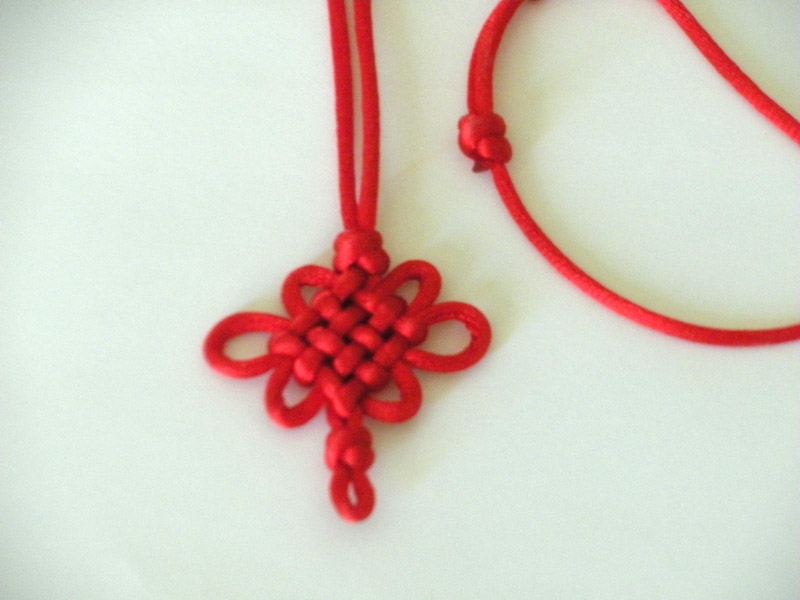 🇨🇳 China and 2 moreChinese knotting中國結 (Zhōngguó jié)
A folk craft of cord tied into lucky shapes, made in China and given as charmsCraft
🇨🇳 China and 2 moreChinese knotting中國結 (Zhōngguó jié)
A folk craft of cord tied into lucky shapes, made in China and given as charmsCraft
The same idea elsewhere
All of this kind 🇮🇷 Shiraz, Iran and 1 moreKhatamخاتم
A Persian inlay craft that builds geometric patterns from thousands of tiny cut piecesCraft
🇮🇷 Shiraz, Iran and 1 moreKhatamخاتم
A Persian inlay craft that builds geometric patterns from thousands of tiny cut piecesCraft
 🇮🇪 Galway, Ireland and 1 moreBrigid's crossCros Bhríde
A cross of woven rushes or straw, made for Saint Brigid's Day on the first of FebruaryCraft
🇮🇪 Galway, Ireland and 1 moreBrigid's crossCros Bhríde
A cross of woven rushes or straw, made for Saint Brigid's Day on the first of FebruaryCraft
 🇦🇺 AustraliaBark painting
Ochre pictures on flattened tree bark, an Aboriginal art form of northern AustraliaCraft
🇦🇺 AustraliaBark painting
Ochre pictures on flattened tree bark, an Aboriginal art form of northern AustraliaCraft
 🇺🇸 United States and 1 moreDreamcatcherᐊᓴᐱᑫᔒᓐᐦ (asabikeshiinh)
A hand-woven hoop from Anishinaabe tradition, hung above a cradle to protect a childCraft
🇺🇸 United States and 1 moreDreamcatcherᐊᓴᐱᑫᔒᓐᐦ (asabikeshiinh)
A hand-woven hoop from Anishinaabe tradition, hung above a cradle to protect a childCraft