Festivals and celebrationsEuropeChristian
Name day
A calendar tradition where people celebrate the feast day of the saint after whom they are named.
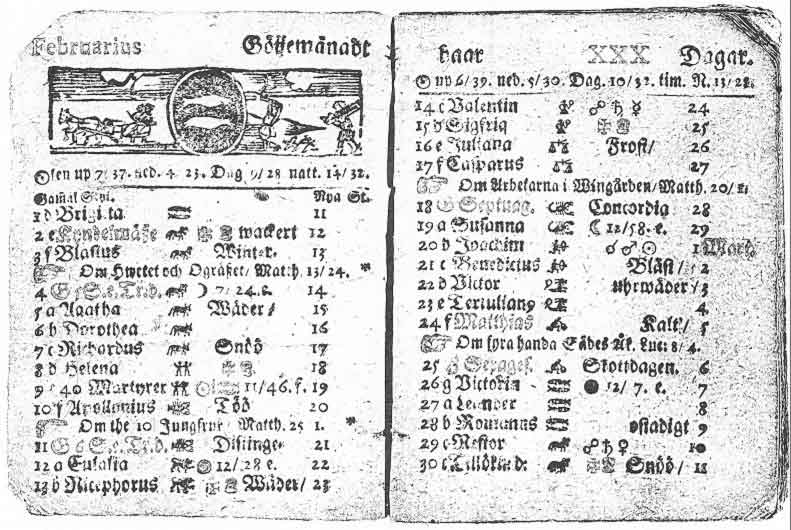
A name day marks the annual celebration of a person's baptismal name, which is typically that of a Christian saint. The custom began in the Middle Ages within Catholic and Orthodox communities as an alternative to birthdays. It remains a widely observed social ritual across much of Europe today.
When is Name day kept?
Name day is kept on annually on the date assigned to one's given name in the local calendar.
A name day is a traditional observance found across many European nations. It assigns a specific date from the liturgical calendar to each personal name. People mark this occasion with greetings and small gatherings. The practice honors the saint who shares the celebrant's name.
Origins and history
The custom emerged from the Christian calendar of saints during the Middle Ages. Believers named after a saint would observe that saint's feast day instead of their birthday. The church promoted this shift because birthdays were viewed as pagan traditions. The practice persisted in Catholic and Eastern Orthodox regions. It also survived in some Protestant areas like Scandinavia, where established churches retained older customs.
How it is kept
Celebrations vary by region but generally involve offering congratulations to the honoree. In Greece and Cyprus, hosts often open their homes to friends and family for food and music. Gifts are common in these gatherings. In Bulgaria, children bring sweets to school to share with classmates. Hungarian women frequently receive flowers at work or home. Men might be given a bottle of drink. Czechs and Croats send messages to acquaintances whose names appear on that day.
Calendars and dates
Official lists assign names to specific days throughout the year. These lists differ between countries and languages. For example, Sweden and Finland maintain separate calendars updated regularly by academic institutions. Some names appear on multiple days, while others are tied to floating holidays like Easter. In Greece, every day honors at least one saint, ensuring most names have a designated date.
Social significance
Name days serve as important social markers in many communities. They provide a reason to connect with colleagues and distant relatives. In Croatia, name days often generate more congratulations than birthdays because the date is publicly known. In France, the tradition remains strong enough that certain days are identified solely by their saint. However, the custom has faded in places like Denmark and parts of Germany.
How Name day is kept
People greet those sharing their name on the appointed day. Hosts in Greece and Cyprus may hold open house parties with meals and drinks. Children in Bulgaria and Hungary share sweets at school. Adults exchange gifts such as flowers or bottles of alcohol. Friends send well-wishes via cards or digital messages. The focus remains on acknowledging the name rather than the birth date.
When and where
It occurs annually on the fixed date assigned to a person's name in the national or religious calendar. Some dates shift if they depend on the movable feast of Easter.
The tradition is strongest in Greece, Bulgaria, Croatia, Finland, Hungary, and Italy. It appears in other European nations but with varying levels of popularity.
What Name day means
The day honors the spiritual patron associated with the name. It reinforces community bonds through shared recognition. It offers a secular-friendly way to celebrate identity without focusing on aging. The practice connects individuals to a broader historical and religious lineage.


Questions people ask about Name day
When is Name day kept?
Name day is kept on annually on the date assigned to one's given name in the local calendar.
What is a name day?
It is a day in the calendar dedicated to a specific saint or martyr. People named after that saint celebrate the date annually. It serves as a secondary celebration alongside the birthday.
Where is this tradition kept?
It is widely observed in Greece, Bulgaria, Croatia, Finland, Hungary, and Italy. It also exists in other European countries like France and Sweden, though its prominence varies.
How do people celebrate?
Friends and colleagues offer congratulations and small gifts. In Greece, hosts often welcome guests for food and music. Children in some countries share sweets at school. The celebration focuses on social connection and recognition.
See also
 Christmas marketA seasonal street market held during Advent in German-speaking regions and beyond, featuring stalls, food, and crafts.
 Cheek kissingA greeting gesture where people touch cheeks or lips to cheeks to show friendship or respect.
 Caffè sospesoAn anonymous gift of a paid cup of coffee for a stranger in need
 GlöggA spiced, warm winter wine served across Nordic countries around Christmas
Good reading and sources
- Name day on WikipediaEncyclopedia
- More photos on Wikimedia CommonsPhotos and video
- Wikidata recordOpen data
The facts on this page come from the Wikipedia article "Name day", written by its contributors and used under the CC BY-SA 4.0 licence, and from its Wikidata record (CC0). EveryParampara rewrote the text in its own words, with AI assistance, and compares every page with the article to make sure no passage is copied. It may be reused under the same CC BY-SA 4.0 licence with a link back.
It may contain mistakes. Traditions differ from one family, village and community to the next, and the people who keep them know them best. If something is wrong, tell us. Last refreshed 2026-10-05.
More from Greece
All the traditions of Greece 🇵🇱 Poland and 5 moreFat Thursday
A Thursday before Lent when doughnuts, grilled meat and Carnival take overFestival · Feasts and festival meals
🇵🇱 Poland and 5 moreFat Thursday
A Thursday before Lent when doughnuts, grilled meat and Carnival take overFestival · Feasts and festival meals
 🇬🇷 GreeceAnthesteriaἈνθεστήρια
An ancient Greek three-day spring festival of Dionysus, new wine, and the deadFestival
🇬🇷 GreeceAnthesteriaἈνθεστήρια
An ancient Greek three-day spring festival of Dionysus, new wine, and the deadFestival
 🇧🇬 Bulgaria and 5 moreMartenitsaмартеница
Red and white yarn dolls worn from 1 March until spring shows itselfFestival
🇧🇬 Bulgaria and 5 moreMartenitsaмартеница
Red and white yarn dolls worn from 1 March until spring shows itselfFestival
The same idea elsewhere
Greetings and farewells compared 🇳🇿 New Zealand and 2 moreMarae
A cleared, sacred gathering place at the heart of Māori and Polynesian community lifeSpiritual
🇰🇼 KuwaitDewaniya
An evening gathering and reception central to Kuwaiti social, business, and civic lifeEtiquette · Tea, coffee and drinking ceremonies
🇳🇿 New Zealand and 2 moreMarae
A cleared, sacred gathering place at the heart of Māori and Polynesian community lifeSpiritual
🇰🇼 KuwaitDewaniya
An evening gathering and reception central to Kuwaiti social, business, and civic lifeEtiquette · Tea, coffee and drinking ceremonies
 🇳🇿 Auckland, New ZealandWharenui
A Māori carved communal meeting house at the centre of tribal life in New ZealandHome
🇳🇿 Auckland, New ZealandWharenui
A Māori carved communal meeting house at the centre of tribal life in New ZealandHome