Music, dance and storytellingEurope
Csárdás
A Hungarian folk dance that moves from a slow start to a fast finish, kept in Hungary and neighboring regions.

The csárdás is a traditional Hungarian folk dance. Its name comes from the old word for roadside taverns where people gathered. It began in the eighteenth century and spread through bands across Central Europe. Today, it remains a living practice among Hungarians and Romani communities.
When is Csárdás kept?
Csárdás is kept at social gatherings and cultural events.
The csárdás is a Hungarian folk dance rooted in social life. People perform it at gatherings to celebrate community bonds. The steps change speed, reflecting emotions shared by dancers. It connects generations through movement and music.
Origins and history
The dance emerged in the eighteenth century from the verbunkos genre. This earlier style served as a recruiting dance for the Austrian army. The term csárdás refers to old Hungarian roadside taverns. These places hosted musicians and dancers who shaped the tradition. Bands popularized the style across Hungary and nearby areas like Slovenia, Croatia, and Slovakia. It also reached Polish and Bulgarian communities. The dance survived changes in society and remains active today.
How it is kept
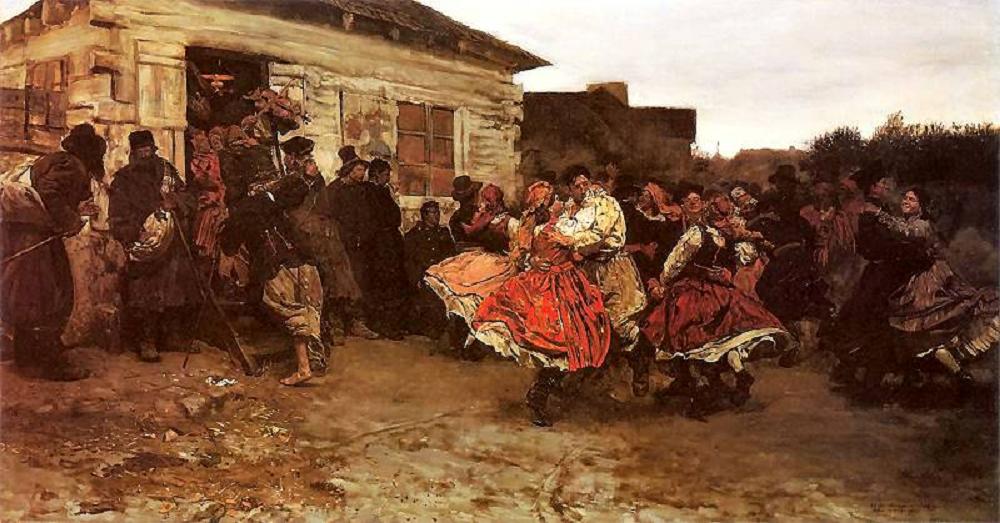
Dancers move in pairs, with men and women performing together. Women wear wide skirts that create a distinct shape when they spin. The music shifts between slow and fast tempos. It begins slowly and ends quickly. Some versions include other tempo changes. The táncház movement helps preserve the original folk form in Hungary. Romani people also keep the dance alive through performance and teaching.
Music and composers
The rhythm follows 24 or 44 time signatures. Composers have used its themes in classical works. Famous names include Liszt, Brahms, and Strauss. One well-known piece appears in an operetta sung by Rosalinde. Another famous instrumental work features violin and piano with seven tempo shifts. These compositions show how the dance influenced broader musical culture beyond local traditions.
How Csárdás is kept
Men and women dance together in pairs. Women wear wide skirts that flare during spins. The music starts slow and speeds up. Dancers follow these tempo changes. The táncház movement supports the original folk version in Hungary. Romani communities also maintain the practice through regular performances.
When and where
It is performed at social gatherings and cultural events throughout the year.
It originated in Hungary and spread to Austria, Poland, Slovakia, Slovenia, Croatia, and Bulgaria.
What Csárdás means
The dance reflects community spirit and emotional expression. Speed changes mirror feelings shared by participants. It connects people across generations through movement and music.

Questions people ask about Csárdás
When is Csárdás kept?
Csárdás is kept at social gatherings and cultural events.
What is the csárdás?
It is a traditional Hungarian folk dance performed by men and women in pairs. The name comes from old roadside taverns where it was danced.
Where did it come from?
It started in Hungary in the eighteenth century, evolving from the verbunkos recruiting dance used by the Austrian army.
Who keeps it alive today?
Hungarians and Romani people maintain the tradition. The táncház movement helps preserve the original folk style in Hungary.
How does the music work?
The rhythm uses 24 or 44 time. It begins slowly and ends quickly, with some versions including extra tempo shifts.
See also
 PolonaiseA traditional Polish partner dance in triple metre, kept as a national custom and UNESCO heritage.
 OberekA rapid Polish spinning dance in triple metre with athletic lifts and jumps
 Christmas carolFestive songs and hymns sung during the Christmas season and door to door
 Viennese waltzA fast rotary partner dance kept across Austria and Europe, celebrated in ballrooms and social halls.
Good reading and sources
- Csárdás on WikipediaEncyclopedia
- More photos on Wikimedia CommonsPhotos and video
- Wikidata recordOpen data
The facts on this page come from the Wikipedia article "Csárdás", written by its contributors and used under the CC BY-SA 4.0 licence, and from its Wikidata record (CC0). EveryParampara rewrote the text in its own words, with AI assistance, and compares every page with the article to make sure no passage is copied. It may be reused under the same CC BY-SA 4.0 licence with a link back.
It may contain mistakes. Traditions differ from one family, village and community to the next, and the people who keep them know them best. If something is wrong, tell us. Last refreshed 2026-10-05.
More from Hungary
All the traditions of Hungary 🇭🇺 Budapest, Hungary and 2 moreHungarian folk dance
A collection of traditional dances kept by Hungarians in Hungary and across the diaspora.Performance
🇭🇺 Budapest, Hungary and 2 moreHungarian folk dance
A collection of traditional dances kept by Hungarians in Hungary and across the diaspora.Performance
 🇦🇹 Vienna, Austria and 4 moreLipizzanerLipicanec
A gray riding horse breed and centuries-old tradition of classical dressage kept by the Spanish Riding School.Performance
🇭🇺 Budapest, Hungary and 3 moreTáncház
A Hungarian folk dance gathering where anyone can learn the steps and dance to live musicPerformance
🇦🇹 Vienna, Austria and 4 moreLipizzanerLipicanec
A gray riding horse breed and centuries-old tradition of classical dressage kept by the Spanish Riding School.Performance
🇭🇺 Budapest, Hungary and 3 moreTáncház
A Hungarian folk dance gathering where anyone can learn the steps and dance to live musicPerformance
 🇷🇸 Serbia and 3 moreKoloКоло
A South Slavic circle dance of linked hands, kept at weddings and gatheringsPerformance
🇷🇸 Serbia and 3 moreKoloКоло
A South Slavic circle dance of linked hands, kept at weddings and gatheringsPerformance
The same idea elsewhere
All of this kind 🇹🇷 Kayseri, Turkey and 4 moreHalay
A traditional line and circle folk dance kept across Turkey, Azerbaijan, Armenia, Iran, and Syria.Performance
🇹🇷 Kayseri, Turkey and 4 moreHalay
A traditional line and circle folk dance kept across Turkey, Azerbaijan, Armenia, Iran, and Syria.Performance
 🇳🇿 Auckland, New ZealandPoi
A Māori performing art of swinging tethered weights in rhythmical patterns.Performance
🇳🇿 Auckland, New ZealandPoi
A Māori performing art of swinging tethered weights in rhythmical patterns.Performance
 🇵🇭 Philippines and 1 morePangalay
A traditional fingernail dance of the Tausūg and Bajau peoples in the Sulu Archipelago and Sabah.Performance
🇵🇭 Philippines and 1 morePangalay
A traditional fingernail dance of the Tausūg and Bajau peoples in the Sulu Archipelago and Sabah.Performance