Festivals and celebrationsEuropeSecular and civicChristian
Cremà
The ceremonial burning of large artistic street monuments across the Valencian community

Cremà is the fiery finale of major street festivals across Spain's Valencian community. Neighbourhoods construct towering wooden and cardboard monuments on public thoroughfares, only to reduce them to ashes to the sound of music, firecrackers and fireworks.
When is Cremà kept?
Cremà is kept on annually on 19 March in Valencia and on 24-25 June in Alicante.
The cremà is the dramatic climax of street festivities in eastern Spain, where towns across the Valencian community burn immense sculptures made of wood and cardboard. Rooted in Valencia, this custom brings neighbourhood groups and spectators together around towering figures that filled public squares for days. As fireworks burst and folk tunes play, the structures are systematically reduced to ashes to conclude the festival season.
The ritual of fire
Before an installation catches fire, organisers ignite a traca, which is a quick fuse strung with firecrackers, or launch modern pyrotechnics. The senior festival representative, known as the fallera mayor, sets off the initial spark for her commission. As the blaze spreads through the timber and paper structure, the surrounding crowd gathers to watch while singing traditional folk melodies. Because hundreds of figures stand across the streets, their destructions follow a precise timetable rather than occurring simultaneously. This scheduled progression is arranged according to competition results so spectators can witness multiple fires.
The festival in Valencia
Valencia serves as the historical birthplace of this tradition, staging the cremà on 19 March to conclude the Fallas festivities. Sculptures put up along public streets on 15 March are torched four days later. The evening begins at ten o'clock with the smaller figures built for children, followed thirty minutes later by the top-ranked youth entry. Adult displays ignite at midnight, with the champion of the premier category burning at twelve-thirty. Finally, at one in the morning, crowds assemble in the Town Hall Square to watch the municipal, non-competing sculpture burn.
Alicante and the banyà
A related version takes place in Alicante for the Bonfires of Saint John on the nights of 24 and 25 June, right after Saint John's Eve. Celebrations there launch at midnight from Santa Bárbara Castle and run across the city until four in the morning. Facing intense heat from open blazes during warm summer weather, onlookers plead with watching emergency crews to spray them with water. Firefighters respond by turning hoses onto the crowd, initiating a festive soaking tradition called the banyà.
How Cremà is kept
Events start when the appointed fallera mayor sets off fireworks or a fuse of explosive firecrackers above the structure. The figures burn in stages based on competition awards, beginning with youth creations in the middle of the evening and progressing to the main adult sculptures. Spectators sing regional songs while watching the flames consume the paper and timber. In Alicante, crowds shout at firefighters for relief from the heat, prompting a communal soaking with water hoses.
When and where
In Valencia, the burning occurs on 19 March to conclude Saint Joseph's Day, following four days of street displays. In Alicante, the bonfires burn through the late hours of 24 and 25 June, immediately after the eve of Saint John.
This practice belongs to the Valencian community in eastern Spain. It first took shape in the city of Valencia and is also widely observed in Alicante as well as several other regional towns.

Questions people ask about Cremà
When is Cremà kept?
Cremà is kept on annually on 19 March in Valencia and on 24-25 June in Alicante.
What is the cremà?
The cremà is the ceremonial burning of large artistic street monuments made from cardboard and timber. Observed across Spain's Valencian community, this fiery ritual marks the end of major civic celebrations such as Fallas.
What is the banyà in Alicante?
During the June bonfires in Alicante, spectators shout to supervising firefighters to douse them with water hoses to counter the heat of the fire and summer weather. This customary soaking is known as the banyà.
How are the monuments ignited?
Organisers typically light a traca, which is a cord packed with rapidly exploding firecrackers, or use fireworks displays. As the structure burns, onlookers gather around to sing folk songs.
See also
 HalloweenAn annual observance on 31 October marking the eve of All Saints' Day, rooted in Christian tradition and Celtic heritage
 NowruzThe Iranian new year at the March equinox, kept with fire, greenery and picnics
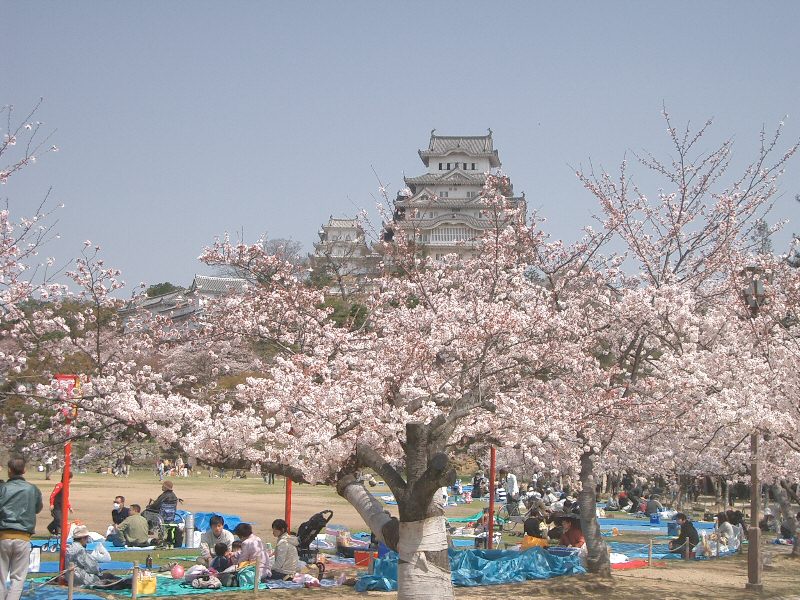 HanamiA Japanese spring custom of gathering under blooming cherry trees to eat, drink, and celebrate the fleeting beauty of th
 ImbolcA Gaelic festival heralding spring and honoring Saint Brigid with woven rush crosses
Good reading and sources
- Cremà on WikipediaEncyclopedia
- More photos on Wikimedia CommonsPhotos and video
- Wikidata recordOpen data
The facts on this page come from the Wikipedia article "Cremà", written by its contributors and used under the CC BY-SA 4.0 licence, and from its Wikidata record (CC0). EveryParampara rewrote the text in its own words, with AI assistance, and compares every page with the article to make sure no passage is copied. It may be reused under the same CC BY-SA 4.0 licence with a link back.
It may contain mistakes. Traditions differ from one family, village and community to the next, and the people who keep them know them best. If something is wrong, tell us. Last refreshed 2026-10-04.
More from Spain
All the traditions of Spain 🇮🇹 Venice, Italy and 5 moreCarnival
A season of parades, masks and feasting in the days before LentFestival · Feasts and festival meals
🇮🇹 Venice, Italy and 5 moreCarnival
A season of parades, masks and feasting in the days before LentFestival · Feasts and festival meals
 🇪🇸 Seville, SpainSeville FairFeria de Abril de Sevilla
A week-long spring festival in Seville of carriage parades, marquee tents and dancingFestival · Dinner
🇮🇪 Ireland and 5 moreHalloween
An annual observance on 31 October marking the eve of All Saints' Day, rooted in Christian tradition and Celtic heritageFestival · Sweets given and shared
🇪🇸 Seville, SpainSeville FairFeria de Abril de Sevilla
A week-long spring festival in Seville of carriage parades, marquee tents and dancingFestival · Dinner
🇮🇪 Ireland and 5 moreHalloween
An annual observance on 31 October marking the eve of All Saints' Day, rooted in Christian tradition and Celtic heritageFestival · Sweets given and shared
 🇪🇸 Pamplona, Spain and 3 moreRunning of the bullsencierro
Runners sprint ahead of loose bulls through barricaded town streets in summerFestival
🇪🇸 Pamplona, Spain and 3 moreRunning of the bullsencierro
Runners sprint ahead of loose bulls through barricaded town streets in summerFestival
The same idea elsewhere
Spring and renewal compared 🇺🇸 United States and 5 moreMother's Day
A worldwide annual celebration dedicated to mothers, maternal bonds and family careHome
🇮🇷 Iran and 7 moreNowruzنوروز
The Iranian new year at the March equinox, kept with fire, greenery and picnicsSeasonal
🇺🇸 United States and 5 moreMother's Day
A worldwide annual celebration dedicated to mothers, maternal bonds and family careHome
🇮🇷 Iran and 7 moreNowruzنوروز
The Iranian new year at the March equinox, kept with fire, greenery and picnicsSeasonal
 🇮🇱 Jerusalem, IsraelPassoverפסח
A Jewish spring festival celebrating freedom from slavery with ritual mealsSpiritual · Dinner
🇮🇱 Jerusalem, IsraelPassoverפסח
A Jewish spring festival celebrating freedom from slavery with ritual mealsSpiritual · Dinner
 🇮🇳 Mathura, India and 5 moreHoliहोली (Hindi)
A spring festival of colours and bonfires that marks the end of winter and the triumph of good over evil.Festival
🇮🇳 Mathura, India and 5 moreHoliहोली (Hindi)
A spring festival of colours and bonfires that marks the end of winter and the triumph of good over evil.Festival