Crepida
In its own language: κρηπίς
An open, strapped leather shoe of ancient Greece, worn by peasants, soldiers and actors

The crepida was a leather shoe of ancient Greece and Rome, halfway between a simple sandal and a closed boot. Peasants wore the heavy nailed kind, soldiers wore it as a boot, and actors and dancers wore white versions, while the Romans took it up as Greek dress.
The crepida was a leather shoe worn in ancient Greece and later in Rome. It sat between a plain sandal and a closed boot: a thick sole below, straps and loops above. Peasants wore the heaviest pairs. Soldiers, actors and dancers wore others. The Greeks treated it as their own national shoe, and the Romans borrowed it as a mark of Greek style.
What it is
The crepida is a shoe of the ancient Greek world, called κρηπίς or krepis in Greek and crepida in Latin, with Crepidula also used as a name. It looked like a sandal but was not a plain one: it had more structure, a firm sole and some sort of upper to hold the foot. Some pairs carried metal plates in lead or bronze, and these were known as Chian crepides. A follower of Alexander the Great named Hagnon is said to have owned a pair studded with gold or silver nails. The same Greek word could also mean a fruit-filled cake, and crepida could name a raised pavement for pedestrians.
How it was made
The sole was thick and strong, and nails were often driven into it. Straps ran through small loops set along a low upper and held the shoe across the foot. On some pairs the loops were large and open, so the top of the foot showed through a net-like webbing. Straps might be dyed purple or set with jewels. The back of the shoe was sometimes closed, in a form possibly called opisthokrepis. A few types kept a fixed number of loops. Crepides were usually leather and could go on either foot. Lamps shaped like crepides, with soles studded by nails, have been found.
Greeks and Romans
According to ancient writers, the κρηπίς was regarded as the Greek national shoe. Roman plays staged in Greek dress were therefore called fabula crepidata. It also served as a military boot for the Macedonian army. Men wore it with other Greek items, the pallium, the chlamys and the causia, and it helped mark Greek clothing off from Roman fashion. Rome came round to it in time. Suetonius reports that the emperor Tiberius set his Roman clothes aside and took up the Greek cloak and crepides. Some crepides were soft shoes for women, lighter and more decorated than the rough pairs peasants and soldiers used.
On stage and in myth
Vase paintings show young men in crepides with straps reaching to mid-calf. Sophocles is said to have brought in white krepides for chorus dancers and for actors playing women or softer roles, probably peasant shoes with raised soles. The Suda, a later Greek work of reference, records the word crepidoumenos, meaning putting on crepides, used in place of a longer phrase. The same source explains monocrepidi, with one shoe, through Hermes and Perseus: Hermes gave Perseus one of his shoes before the journey to Medusa. Historians note that the one-sandal story usually belongs to Jason, not Perseus, and that the Suda seems to have mixed the two.
How Crepida is kept
Crepides were everyday wear, not a ceremony. A person slipped a foot in and drew the straps through the loops; either foot would do. Peasants and soldiers wore the heavy, nailed sort, and the Macedonian army used them as boots. Showier wearers added purple straps or jewels, and some pairs carried plates of lead or bronze. Actors and chorus dancers wore white ones on stage. Women in some settings had a softer, lighter version. The shoes went with Greek dress such as the pallium, chlamys and causia, and the Romans came to wear them too.
When and where
Crepides belonged to the Greek world. They are described in ancient Greek writing, shown in Greek vase painting, and listed as gear of the Macedonian army. Rome adopted them later, where they carried a Greek flavour and appear in Roman theatre and in accounts of the emperor Tiberius. Archaeological finds, among them lamps shaped like the shoe, come from the same Greek and Roman setting.
What Crepida means
For the Greeks the κρηπίς stood for Greekness itself. It was spoken of as their national shoe, and Roman tragedies performed in Greek costume took the name fabula crepidata, plays in crepides. Wearing crepides with the pallium, chlamys and causia marked a person as Greek rather than Roman, which is why Tiberius changing into them mattered. The shoe also carried a military weight, since it served as a boot for Macedonian troops, and a mythic one, through the single shoe of Hermes and Perseus.


Questions people ask about Crepida
What is a crepida?
A crepida is a shoe of ancient Greece and Rome, named in Greek as κρηπίς or krepis. It looks like a sandal but is more built up, with a firm sole and an upper. It sits between a simple sandal and a fully closed boot.
Who wore crepides?
Peasants wore the thick-soled, nailed kind. The Macedonian army used them as boots. Actors and chorus dancers wore white ones, women in some places had softer and lighter pairs, and richer wearers chose purple straps or jewels. The Romans adopted them as well.
When and where was it worn?
In ancient Greek lands, and later in Rome. Crepides appear in Greek vase painting, in the writings of Lucian and Sophocles and in the Suda, and in Roman accounts such as Suetonius, who notes that the emperor Tiberius took them up.
What were Chian crepides?
Chian crepides were versions fitted with metal plates, made of lead or bronze. The name links them to Chios. A follower of Alexander the Great, Hagnon, is said to have worn a pair with gold or silver nails instead.
Was crepida only a shoe?
No. The Greek word κρηπίς could also mean a cake or pancake with fruit inside, and the Latin crepida was used for a raised pavement along a street, meant for pedestrians. Those are separate uses of the same word.
See also
 Vyshyvanka DayAn annual day for wearing traditional Ukrainian embroidered shirts across the world
 DirndlA fitted dress with apron from the German-speaking Alps, worn for festivals and weddings.
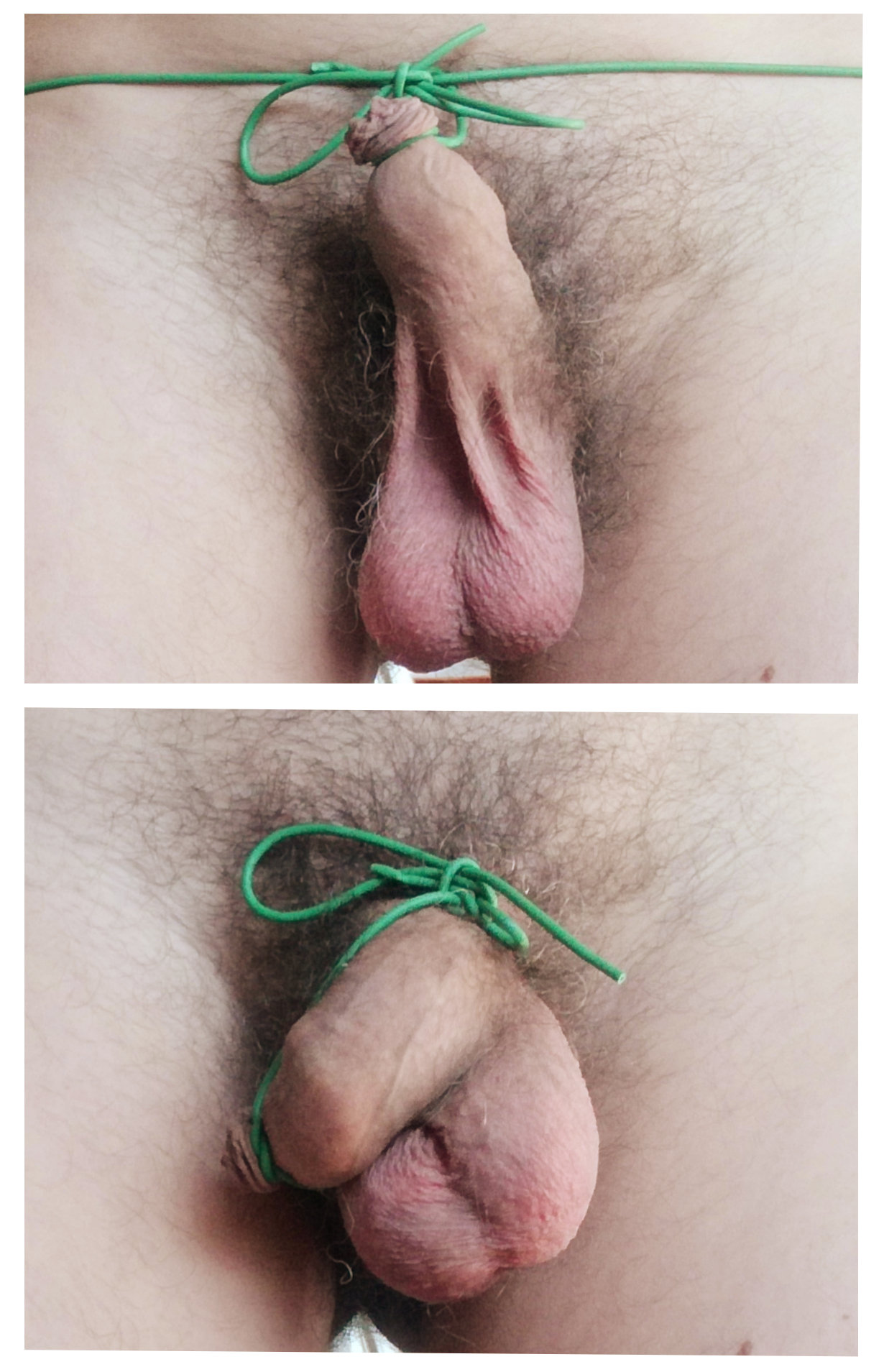 KynodesmeA cord ancient Greek athletes tied around the foreskin to stay modest in public.PeronaiA long straight pin that fastened Greek clothing, and a weapon in Greek legend
Good reading and sources
- Crepida on WikipediaEncyclopedia
- More photos on Wikimedia CommonsPhotos and video
- Wikidata recordOpen data
The facts on this page come from the Wikipedia article "Crepida", written by its contributors and used under the CC BY-SA 4.0 licence, and from its Wikidata record (CC0). EveryParampara rewrote the text in its own words, with AI assistance, and compares every page with the article to make sure no passage is copied. It may be reused under the same CC BY-SA 4.0 licence with a link back.
It may contain mistakes. Traditions differ from one family, village and community to the next, and the people who keep them know them best. If something is wrong, tell us. Last refreshed 2026-10-12.
More from Greece
All the traditions of Greece 🇬🇷 GreeceKausiaκαυσία
A flat hat of ancient Macedonia, worn by kings and later as sun cover in RomeDress
🇬🇷 GreeceKausiaκαυσία
A flat hat of ancient Macedonia, worn by kings and later as sun cover in RomeDress
 🇬🇷 GreeceTablionταβλίον
An embroidered panel on the ceremonial mantle of Byzantine courtiers.Dress
🇬🇷 GreecePeronaiπερόνη (perónē)
A long straight pin that fastened Greek clothing, and a weapon in Greek legendDress
🇬🇷 GreeceTablionταβλίον
An embroidered panel on the ceremonial mantle of Byzantine courtiers.Dress
🇬🇷 GreecePeronaiπερόνη (perónē)
A long straight pin that fastened Greek clothing, and a weapon in Greek legendDress
 🇬🇷 Sparta, GreeceChitonχιτών
A draped tunic of wool or linen worn across ancient Greece and RomeDress
🇬🇷 Sparta, GreeceChitonχιτών
A draped tunic of wool or linen worn across ancient Greece and RomeDress
The same idea elsewhere
All of this kind 🇮🇱 Israel and 1 moreTzitzitצִיצִית
Knotted ritual fringes worn on a four-cornered garment, a reminder of the commandmentsDress
🇮🇱 Israel and 1 moreTzitzitצִיצִית
Knotted ritual fringes worn on a four-cornered garment, a reminder of the commandmentsDress
 🇪🇬 Egypt and 5 moreTraditional tattooing
The ancient custom of marking the skin for protection, healing, status and sacred ritesDress
🇪🇬 Egypt and 5 moreTraditional tattooing
The ancient custom of marking the skin for protection, healing, status and sacred ritesDress
 🇼🇸 Samoa and 1 moreʻIe tōga
Precious woven mats exchanged in Samoan ceremonies to honor family ties and chiefly status.Dress
🇼🇸 Samoa and 1 moreʻIe tōga
Precious woven mats exchanged in Samoan ceremonies to honor family ties and chiefly status.Dress
 🇱🇸 LesothoMokorotlo
A conical straw hat that serves as the national symbol of Lesotho and a key element of Basotho traditional dress.Dress
🇱🇸 LesothoMokorotlo
A conical straw hat that serves as the national symbol of Lesotho and a key element of Basotho traditional dress.Dress