Spiritual and religiousEuropeChristian
Easter
In its own language: Πάσχα
The day Christians mark the resurrection, kept with vigils, feasts and eggs

Easter is the Christian feast of Jesus rising from the dead, held to be the most important day of the church's year. It ends forty days of fasting and opens seven weeks of celebration. It falls on a spring Sunday fixed by the moon, and is kept with night vigils or dawn services, shared meals and decorated eggs.
When is Easter in 2027?
Easter 2027 runs from 28 to 29 March 2027. Other years: 2026, 5 to 6 April 2026; 2028, 16 to 17 April 2028.
Easter is the Christian feast that marks Jesus rising from the dead. For those who keep it, it is the most important day of the year. It ends forty days of fasting and prayer, and it begins seven weeks of celebration. Congregations hold night vigils and morning services, families gather to eat, and many people decorate and share eggs.
What it marks
At the centre of Easter is a claim: that Jesus, put to death by Roman authority, came back to life. The New Testament places the event three days after he was put to death and buried, around the year 30. Christians treat this as the foundation of their faith. Paul wrote that death had been swallowed up in victory, and the First Letter of Peter speaks of believers receiving fresh hope because Jesus rose. Those who follow him are said to share in that rising, to live in a new way now, and to be raised themselves at the end.
Setting the date
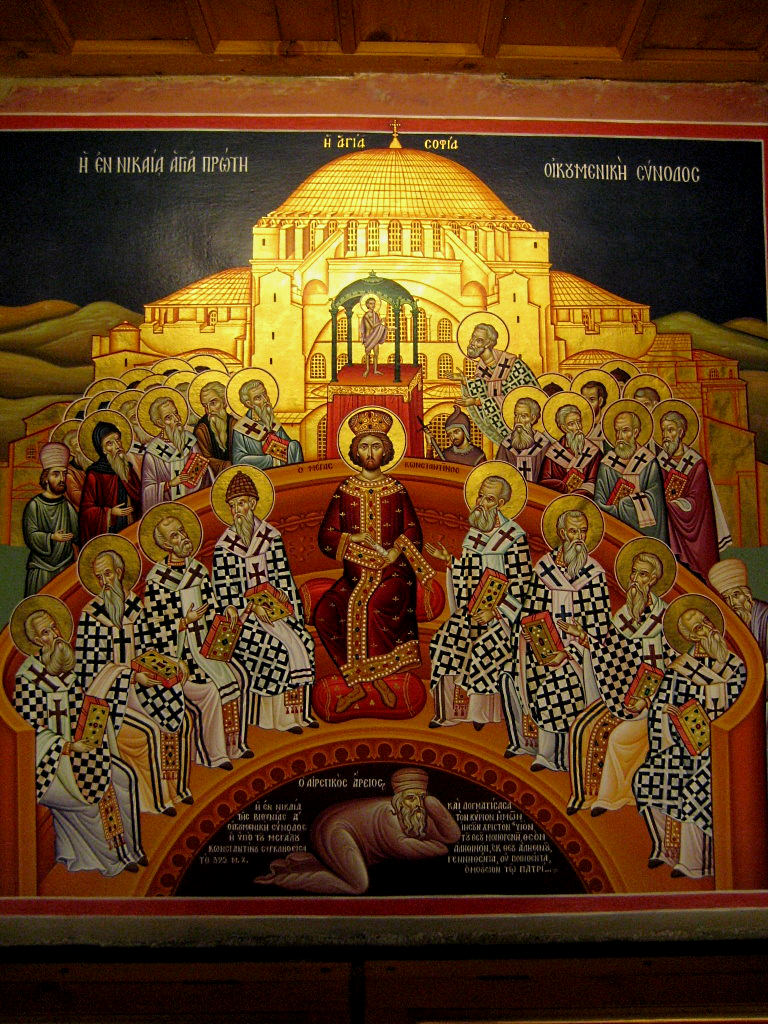
Easter moves. Unlike Christmas it has no fixed slot in the calendar, so churches work it out afresh each year. The rule agreed at the Council of Nicaea in 325 was that all Christians should keep one common Paschal date. The method ties the feast to the moon: it is kept on a Sunday, and that Sunday must fall after the full moon that opens spring, counting from the March equinox. Rome and Alexandria were the models followed, and the Egyptians were credited with long skill in such reckoning. Western and Eastern churches calculate separately now, so their dates often fall apart.
Before and after
Easter sits at the end of a long preparation and the start of a long festival. The forty days before it are Lent, or Great Lent in the East, given to fasting, prayer and repentance. The final stretch is Holy Week, from Palm Sunday, which recalls Jesus entering Jerusalem, through the days that remember his betrayal, the Last Supper and his death, up to the quiet of Holy Saturday. From Easter Sunday itself the season runs seven weeks and closes on the fiftieth day, Pentecost. In Eastern practice the feast's leavetaking comes on the thirty-ninth day.
Customs and symbols
Practice differs from place to place. Many congregations hold an all-night vigil or meet at dawn for a sunrise service. Worshippers exchange Paschal greetings and flower the cross. In some countries women wear Easter bonnets, and a custom called clipping the church is kept. Eggs are central: people decorate them, then break and share them, and the empty shell is read as the tomb found empty. Easter lilies fill the chancel of churches through the season. Passion plays and films retell the story, while parades, folk dancing in Eastern Europe, egg hunts and the Easter Bunny belong to the wider culture around the day.
Names and their roots
The word Easter is English, and German has its close cousin Ostern. Both reach back to an Old English form. The eighth-century monk Bede recorded that the month answering to April had once been named for a goddess called Ēostre, honoured with feasts in that month. Most other languages instead use a word from Pascha, the Greek and Latin shape of an Aramaic term that answers to the Hebrew Pesach, or Passover. That shared name is one thread among several: the timing of the feast, much of its imagery and, in the Gospels, the week of its events all tie it to Passover.
How Easter is kept
Christians prepare for weeks beforehand, fasting and praying through Lent. In the last days they follow the story through Holy Week: Palm Sunday, the remembrance of the betrayal, the Last Supper on Maundy Thursday, the crucifixion on Good Friday and the waiting of Holy Saturday. The celebration itself begins on the evening before or at dawn, with an all-night vigil or a sunrise service. Churches are decorated, often with lilies and a flowered cross, and greetings are exchanged. Afterwards families and friends sit down to a festive meal, and eggs, decorated in advance, are shared and eaten.
When and where
Easter falls on a Sunday in spring, and the date changes each year. Churches work it out from the moon and the March equinox, using methods agreed long ago and adjusted since. Western and Eastern churches often land on different Sundays. It always closes the forty days of Lent and opens seven weeks of Eastertide.
Easter is kept by Christians in many parts of the world, with communities observing it across Europe, the Americas, Africa, Asia and Oceania. Sources describe local customs in places as far apart as Finland, Greece, Egypt, Italy, Britain, Russia, Canada, Australia, Denmark, Norway and Nigeria.
What Easter means
The day carries the central hope of Christian belief. If Jesus rose, his followers hold that death is not the end for them either: they believe they are given new life now and will be raised at the last. The egg draws its meaning from the tomb found empty, and the lily stands for the resurrection in Western churches. Easter also carries the older resonance of spring, of the season turning, and the Passover themes of deliverance and a fresh start.


Days Easter is marked
Easter dates: 2026, 2027, 2028
| Year | Easter date |
|---|---|
| 2026 | 5 to 6 April 2026 |
| 2027 | 28 to 29 March 2027 |
| 2028 | 16 to 17 April 2028 |
Questions people ask about Easter
When is Easter in 2027?
Easter 2027 runs from 28 to 29 March 2027. Other years: 2026, 5 to 6 April 2026; 2028, 16 to 17 April 2028.
What is Easter?
It is the Christian feast of Jesus rising from the dead, which the New Testament places three days after his death and burial, around the year 30. Christians call it the high point of their year, at once the close of Lent and a central belief of the faith.
Why does the date move?
Because Easter is a moveable feast, tied to the moon rather than fixed in the calendar. The rule keeps it near the Jewish Passover, the week in which the Gospels place the crucifixion and the resurrection, and it also keeps it in spring.
Where is it kept?
Wherever Christian communities live, on every continent. Local customs differ: parades, folk dancing, sunrise services, special foods. In some countries people who are not Christian join in parts of it, since eggs, bunnies and family meals have spread well beyond church life.
Why eggs?
Decorated eggs are an old part of the celebration and are shared and eaten on the day. Their empty shells are read as a sign of the tomb found empty. Eggs, like the Easter lily, became a symbol of the resurrection.
See also
 Holy WeekThe solemn seven days leading to Easter, recalling the final week and Passion of Jesus
 NovenaA nine-day Christian prayer tradition for petitions, feasts, or mourning.
 Kol NidreAn Aramaic declaration of vow annulment that opens the Yom Kippur evening service in Jewish synagogues.
 Sun DanceA days-long dance of fasting and sacrifice among the Plains peoples
Good reading and sources
- Encyclopaedia BritannicaArticle
- Why can’t the date of Easter be fixed?BBC, Article
- Orthodox Easter: Why are there two Easters?BBC, Article
- Why can’t the date of Easter be fixed?BBC, Article
- Orthodox Easter: Why are there two Easters?BBC, Article
- Easter on WikipediaEncyclopedia
- More photos on Wikimedia CommonsPhotos and video
- Wikidata recordOpen data
The facts on this page come from the Wikipedia article "Easter", written by its contributors and used under the CC BY-SA 4.0 licence, and from its Wikidata record (CC0). EveryParampara rewrote the text in its own words, with AI assistance, and compares every page with the article to make sure no passage is copied. It may be reused under the same CC BY-SA 4.0 licence with a link back.
It may contain mistakes. Traditions differ from one family, village and community to the next, and the people who keep them know them best. If something is wrong, tell us. Last refreshed 2026-10-05.
More from Italy
All the traditions of Italy
🇵🇭 Philippines and 5 moreHoly WeekἉγία καὶ Μεγάλη Ἑβδομάς
The solemn seven days leading to Easter, recalling the final week and Passion of JesusSpiritual · Fasting and breaking the fast
 🇮🇳 India and 5 moreNativity of Mary
A Christian feast day honouring the birth of Mary, the mother of JesusSpiritual · Lunch
🇮🇳 India and 5 moreNativity of Mary
A Christian feast day honouring the birth of Mary, the mother of JesusSpiritual · Lunch
 🇬🇷 Eleusis, Greece and 1 moreEleusinian MysteriesἘλευσίνια Μυστήρια
Secret annual initiations in ancient Greece dedicated to Demeter and Persephone, promising a blessed afterlife.Spiritual
🇪🇬 Alexandria, Egypt and 5 moreCenobitic monasticism
A communal way of monastic life where monks live, pray, and follow a shared ruleSpiritual · Fasting and breaking the fast
🇬🇷 Eleusis, Greece and 1 moreEleusinian MysteriesἘλευσίνια Μυστήρια
Secret annual initiations in ancient Greece dedicated to Demeter and Persephone, promising a blessed afterlife.Spiritual
🇪🇬 Alexandria, Egypt and 5 moreCenobitic monasticism
A communal way of monastic life where monks live, pray, and follow a shared ruleSpiritual · Fasting and breaking the fast
The same idea elsewhere
Fasting and feasting compared 🇺🇸 United States and 1 moreSaint Patrick's Day in the United States
An annual celebration of Irish heritage across America with parades, feasts and green dyeFestival · Dinner
🇺🇸 United States and 1 moreSaint Patrick's Day in the United States
An annual celebration of Irish heritage across America with parades, feasts and green dyeFestival · Dinner
 🇮🇳 Ayodhya, India and 5 moreRama Navamiराम नवमी
A Hindu spring festival marking the birth of Rama with prayer, fasting and processionsFestival
🇮🇳 Ayodhya, India and 5 moreRama Navamiराम नवमी
A Hindu spring festival marking the birth of Rama with prayer, fasting and processionsFestival
 🇨🇴 Barranquilla, ColombiaBarranquilla CarnivalCarnaval de Barranquilla
A four-day street festival of music, masquerade and dance in coastal ColombiaFestival
🇨🇴 Barranquilla, ColombiaBarranquilla CarnivalCarnaval de Barranquilla
A four-day street festival of music, masquerade and dance in coastal ColombiaFestival
 🇮🇳 IndiaMahavir Janma Kalyanak
A Jain festival of temple worship, street processions and acts of charitySpiritual
🇮🇳 IndiaMahavir Janma Kalyanak
A Jain festival of temple worship, street processions and acts of charitySpiritual