Festivals and celebrationsNorth AmericaChristianSecular and civic
Easter parade
A festive Easter Sunday stroll featuring stylish clothes and elaborate bonnets

The Easter parade is an informal North American stroll where participants put on stylish outfits and elaborate headwear to celebrate Easter Sunday. Emerging in the late nineteenth century along New York's Fifth Avenue, the gathering brings together families, costumed strollers and onlookers in cities across the United States and Canada.
When is Easter parade kept?
Easter parade is kept every year on Easter Sunday.
The Easter parade is a festive, unorganised promenade held every Easter Sunday. Participants take to city avenues wearing fresh spring garments, fine suits and creative bonnets to see others and be seen. Though rooted in early Christian processions, the modern American parade took shape in the late nineteenth century as an informal stroll after church services, turning city streets into lively displays of seasonal style and public celebration.
Roots in church promenades
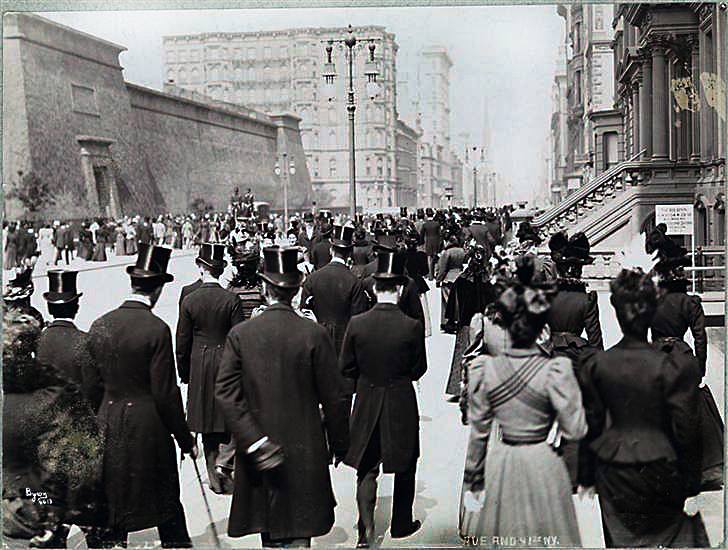
Christian processions during Holy Week reach back to antiquity, commemorating biblical entries into Jerusalem and the path to Calvary. By the nineteenth century, prominent New York sanctuaries like Trinity Church, St. Patrick's Cathedral and St. Thomas' began adorning their interiors with lavish floral arrangements for Easter. Worshippers leaving these services started walking between churches to admire the displays. Because attendees wore their finest clothes to match the beauty of the decorated chancels, the walk quickly turned into a public spectacle. By the 1880s, this post-service stroll had become an established social fixture along Fifth Avenue, drawing both wealthy participants eager to show off new fashions and spectators looking for style inspiration.
Fashion and commerce
The custom of wearing new clothes at Easter has old European foundations, where seasonal garments represented renewal and respect. In America, retailers and milliners quickly capitalised on the expanding New York procession. By the turn of the twentieth century, Easter rivalled Christmas in commercial importance, as shops marketed endless varieties of clothing and accessories for the day. The parade also served as a stage for social commentary. During the Great Depression, unemployed labourers marched in worn work clothes to highlight economic hardship. In 1929, public relations strategist Edward Bernays arranged for women to smoke cigarettes during the march, branding them as torches of freedom to challenge public smoking restrictions.
Spread to other cities
As New York's Fifth Avenue promenade gained national fame, other communities established their own versions. Resorts such as Atlantic City and Coney Island developed large tourist spectacles during the 1920s, with Atlantic City drawing hundreds of thousands of visitors. Today, several cities maintain distinct Easter processions. Richmond hosts an annual event along Monument Avenue, while New Orleans features several parades, including traditional French Quarter walks, float-filled events and a Gay Easter Parade celebrating LGBTQ culture. In Canada, Toronto has held an annual Easter parade along Queen Street East since the late 1960s, featuring marching bands, civic clubs and decorated floats.
The modern street festival
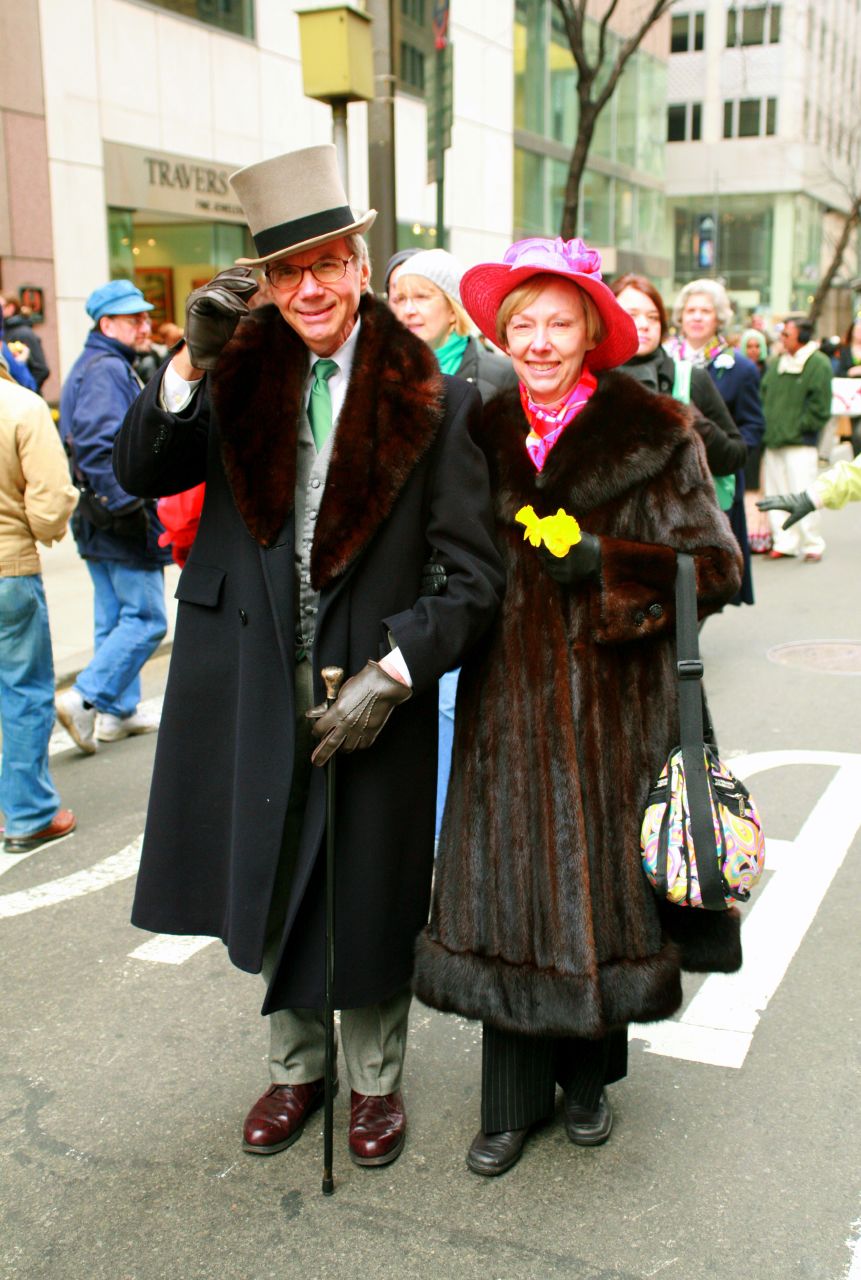
Today, the New York Easter parade is an open, informal gathering along Fifth Avenue between 49th and 57th Streets. Running from morning until late afternoon, the event does not have a formal procession line or commercial floats. Instead, anyone can join simply by showing up in costume or holiday attire. The event has become widely known as a bonnet festival, where attendees design extraordinary headgear decorated with flowers, ribbons and whimsical accessories, occasionally including live birds in miniature cages. Families in traditional Sunday best walk alongside people and pets in eccentric outfits, maintaining a relaxed, shared celebration of spring in the heart of Manhattan.
How Easter parade is kept
On Easter Sunday, participants gather informally on city streets, most notably along Manhattan's Fifth Avenue. People arrive wearing new spring outfits, historical costumes or creative homemade bonnets decorated with flowers and festive items. There is no official parade route or fixed marching order: strollers, families and pets simply wander along the street between 10 a.m. and 4 p.m., pausing to greet others, display their finery and take photographs. Onlookers line the sidewalks to watch the spectacle and admire the elaborate headwear.
When and where
The parade takes place annually on Easter Sunday, running from 10 a.m. to 4 p.m. in New York. While most parades occur on Easter Sunday itself, some historic communities, such as German settlers in Pennsylvania, held their walks on Easter Monday.
The most famous parade takes place in New York City on Fifth Avenue, between 49th and 57th Streets in Manhattan. Other established events take place in American cities such as New Orleans, Richmond, Philadelphia and Boston, as well as Toronto in Canada.
What Easter parade means
Easter finery traces back to historical European traditions where new garments marked sacred celebration, good fortune and renewal. In early Christian practice, public walks expressed unity of faith. Over time, the American parade shifted toward a broader celebration of spring, fashion and civic festivity, where wearing new clothes or imaginative hats serves as a joyful display of personal creativity and holiday spirit.


Questions people ask about Easter parade
When is Easter parade kept?
Easter parade is kept every year on Easter Sunday.
What is an Easter parade?
It is an informal cultural event held on Easter Sunday where people stroll along city streets dressed in fashionable clothes, spring finery and elaborate hats or bonnets. The event combines festive walking, fashion display and public celebration without a strict marching order.
Where is the Easter parade held?
The most famous parade happens along Fifth Avenue in Manhattan, between 49th and 57th Streets. Other Easter parades take place in cities such as New Orleans, Richmond and Toronto, each featuring local variations such as floats, bands or community walks.
Who can participate in the New York Easter parade?
Anyone can take part in the Manhattan parade. It is an unorganised, free event where families in Sunday best, costumed revellers and even dressed-up pets stroll the avenue together. Dressing up in creative outfits or decorated bonnets is customary and encouraged.
Why do people wear new clothes and bonnets for Easter?
Wearing new garments at Easter is an old European custom signifying respect for the sacred season and good luck for the year ahead. In the nineteenth century, New York churchgoers adopted stylish attire to match floral church decorations, sparking the bonnet tradition.
See also
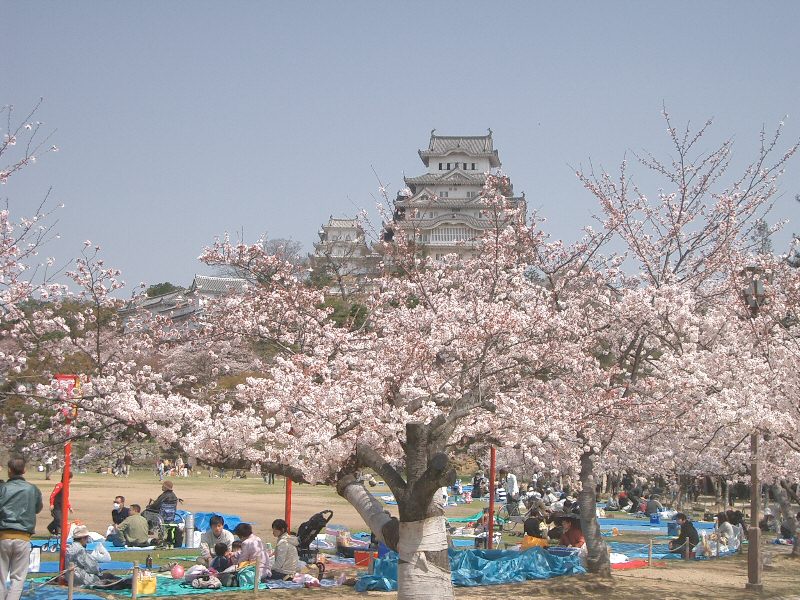 HanamiA Japanese spring custom of gathering under blooming cherry trees to eat, drink, and celebrate the fleeting beauty of th
 Groundhog DayA February ritual where communities watch a groundhog emerge to predict the length of winter.
 TirganAn ancient Iranian summer festival of water, poetry and rainbow bands, kept on the thirteenth day of Tir.
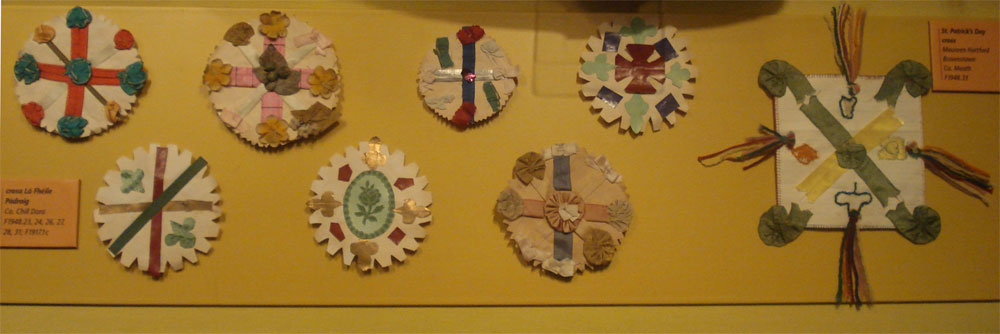 Saint Patrick's DayAn annual Irish holiday of parades, church services, green dress and shamrocks
Good reading and sources
- Easter parade on WikipediaEncyclopedia
- More photos on Wikimedia CommonsPhotos and video
- Wikidata recordOpen data
The facts on this page come from the Wikipedia article "Easter parade", written by its contributors and used under the CC BY-SA 4.0 licence, and from its Wikidata record (CC0). EveryParampara rewrote the text in its own words, with AI assistance, and compares every page with the article to make sure no passage is copied. It may be reused under the same CC BY-SA 4.0 licence with a link back.
It may contain mistakes. Traditions differ from one family, village and community to the next, and the people who keep them know them best. If something is wrong, tell us. Last refreshed 2026-10-04.
More from the United States
All the traditions of the United States 🇺🇸 United States and 1 moreSaint Patrick's Day in the United States
An annual celebration of Irish heritage across America with parades, feasts and green dyeFestival · Dinner
🇯🇵 Kyoto, Japan and 4 moreHanami花見
A Japanese spring custom of gathering under blooming cherry trees to eat, drink, and celebrate the fleeting beauty of thFestival · Lunch
🇺🇸 Punxsutawney, United States and 1 moreGroundhog DayGrund'sau dåk
A February ritual where communities watch a groundhog emerge to predict the length of winter.Festival
🇺🇸 United States and 1 moreSaint Patrick's Day in the United States
An annual celebration of Irish heritage across America with parades, feasts and green dyeFestival · Dinner
🇯🇵 Kyoto, Japan and 4 moreHanami花見
A Japanese spring custom of gathering under blooming cherry trees to eat, drink, and celebrate the fleeting beauty of thFestival · Lunch
🇺🇸 Punxsutawney, United States and 1 moreGroundhog DayGrund'sau dåk
A February ritual where communities watch a groundhog emerge to predict the length of winter.Festival
The same idea elsewhere
Spring and renewal compared 🇮🇷 Iran and 7 moreNowruzنوروز
The Iranian new year at the March equinox, kept with fire, greenery and picnicsSeasonal
🇮🇷 Iran and 7 moreNowruzنوروز
The Iranian new year at the March equinox, kept with fire, greenery and picnicsSeasonal
 🇮🇱 Jerusalem, IsraelPassoverפסח
A Jewish spring festival celebrating freedom from slavery with ritual mealsSpiritual · Dinner
🇮🇱 Jerusalem, IsraelPassoverפסח
A Jewish spring festival celebrating freedom from slavery with ritual mealsSpiritual · Dinner
 🇮🇳 Mathura, India and 5 moreHoliहोली (Hindi)
A spring festival of colours and bonfires that marks the end of winter and the triumph of good over evil.Festival
🇮🇳 Mathura, India and 5 moreHoliहोली (Hindi)
A spring festival of colours and bonfires that marks the end of winter and the triumph of good over evil.Festival
 🇫🇷 France and 5 moreCandlemas
A Christian feast of candle blessings marking the end of the Christmas seasonSpiritual
🇫🇷 France and 5 moreCandlemas
A Christian feast of candle blessings marking the end of the Christmas seasonSpiritual