Festivals and celebrationsEuropeChristian
Saint Patrick's Day
In its own language: Lá Fhéile Pádraig
An annual Irish holiday of parades, church services, green dress and shamrocks
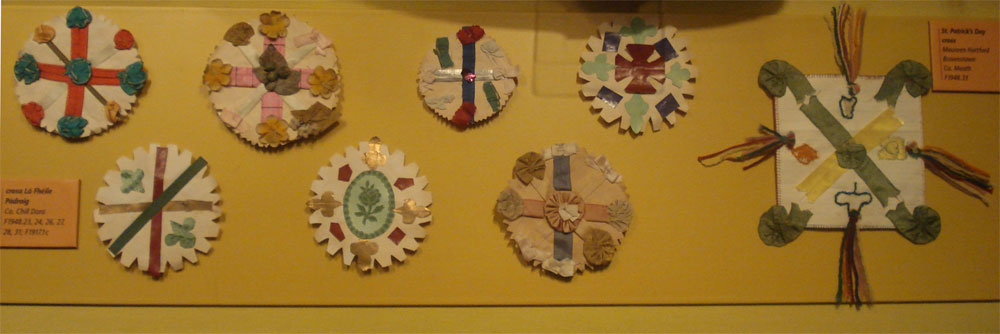
Saint Patrick's Day is a cultural and religious holiday held on 17 March to honour the primary patron saint of Ireland and celebrate Irish heritage. Observed across Ireland and its diaspora, the day features community parades, traditional music sessions, the wearing of green clothing and shamrocks, and family church services.
When is Saint Patrick's Day in 2027?
Saint Patrick's Day 2027 is on Wednesday, 17 March 2027. Other years: 2026, Tuesday, 17 March 2026; 2028, Friday, 17 March 2028.
Saint Patrick's Day is an annual religious and cultural festival observed on 17 March in honour of Saint Patrick, the primary patron saint of Ireland. It commemorates his fifth-century mission and the arrival of Christianity in Ireland, while serving as a global celebration of Irish culture. Across the world, communities mark the day with street parades, music sessions, special church services, and by wearing green clothing and shamrocks.
Origins and history
Patrick was a Romano-British youth taken into Irish captivity at sixteen, where he worked as a shepherd before escaping and entering the priesthood. He returned to Ireland to preach Christianity among the pagan population, converting thousands in the northern regions. Following his death on 17 March, numerous accounts of his life took root. Irish communities in continental Europe observed his feast as early as the ninth century. In the early seventeenth century, Franciscan scholar Luke Wadding helped place the feast on the Roman Catholic liturgical calendar. Modern street processions originated among North American immigrant communities during the eighteenth century before reaching Ireland in 1903.
Parades and community festivities
Parades form the centre of civic celebrations, bringing together marching bands, youth groups, civic bodies, and emergency services in lively public processions. Traditional music gatherings known as céilithe offer dancing and folk tunes. Because the date historically relaxed Lenten rules on fasting and alcohol, festive drinking became customary, with Irish beer, dark stout, cider, and whiskey playing prominent roles. One ritual, drowning the shamrock, involves resting a clover sprig inside a cup of liquor, drinking a toast to Saint Patrick or friends, and either swallowing the plant or tossing it over the shoulder for good fortune.
Shamrocks and the colour green
Wearing green attire and pinning shamrocks to clothing are universal customs for the festival. According to popular lore, Saint Patrick used the three-lobed leaf of the shamrock to illustrate the Christian doctrine of the Trinity to the pagan Irish. Historical associations with green developed further through medieval literature, the seventeenth-century Irish Catholic Confederation flag, and the United Irishmen movement in the 1790s. In earlier generations, people also fashioned paper crosses trimmed with coloured silk ribbons and a green rosette at the centre. In modern times, major public landmarks across multiple nations are illuminated in green light.
The calendar and spring
In traditional Irish rural life, Saint Patrick's Day was regarded as the middle point of spring. Country people looked to the festival as a turning point for warmer weather, and farmers historically treated the date as the time to begin planting their potato crops. Alongside secular gatherings, devout Christians attend special Masses and church services with family members. When the seventeenth of March falls within Holy Week, churches move the official liturgical feast to an adjacent date, although popular public festivities and carnivals still routinely proceed around the original day on the calendar.
How Saint Patrick's Day is kept
Families and communities gather for morning church services before attending town parades filled with marching bands, civic groups, and performers. Participants dress in green garments, wear shamrocks on their lapels, and gather for céilithe with traditional music and dance. The relaxation of Lenten rules allows for shared festive meals and drinks, including Irish stout and whiskey. Some observe the ritual of drowning the shamrock by placing the leaf in a cup of liquor to toast the saint before casting it over the shoulder.
When and where
The holiday is celebrated every year on 17 March, the traditional date of Saint Patrick's death. In Christian liturgical calendars, the religious feast is occasionally shifted if 17 March coincides with Holy Week, though community street festivities and bank holidays generally remain on or near the fixed date.
The day is an official public holiday in Ireland, Northern Ireland, Montserrat, and Newfoundland and Labrador. It is celebrated extensively across North America, Great Britain, Australia, New Zealand, and in communities worldwide wherever the Irish diaspora has settled.
What Saint Patrick's Day means
Saint Patrick's Day represents both religious devotion and Irish cultural identity. The shamrock, traditionally viewed as a visual metaphor for the Holy Trinity, symbolises the arrival of Christianity. Green clothing and ribbons, tied to historical movements for Irish autonomy and early legends, express pride in Gaelic heritage and the arrival of the spring planting season.
On the table
- Irish beer
- Irish whiskey
- Stout
- Cider


Days Saint Patrick's Day is marked
Saint Patrick's Day dates: 2026, 2027, 2028
| Year | Saint Patrick's Day date |
|---|---|
| 2026 | Tuesday, 17 March 2026 |
| 2027 | Wednesday, 17 March 2027 |
| 2028 | Friday, 17 March 2028 |
Questions people ask about Saint Patrick's Day
When is Saint Patrick's Day in 2027?
Saint Patrick's Day 2027 is on Wednesday, 17 March 2027. Other years: 2026, Tuesday, 17 March 2026; 2028, Friday, 17 March 2028.
What is Saint Patrick's Day?
It is a Christian feast day and cultural holiday honouring Saint Patrick, the patron saint of Ireland. It celebrates his mission in introducing Christianity to Ireland as well as broader Irish heritage.
Why do people wear green and shamrocks?
Tradition recounts that Saint Patrick used the three-leaved shamrock to explain the Christian Trinity. Green ribbons and garments later became patriotic emblems of Irish identity, leading to the custom of wearing green during the festivities.
What is drowning the shamrock?
It is a customary toast where a shamrock leaf is placed in a glass of whiskey, beer, or cider. After drinking the toast to the saint or company, the drinker either swallows the leaf or tosses it over their shoulder.
See also
 Christmas EveThe evening before Christmas, marked by church services, family meals, and gift preparations across Christian cultures.
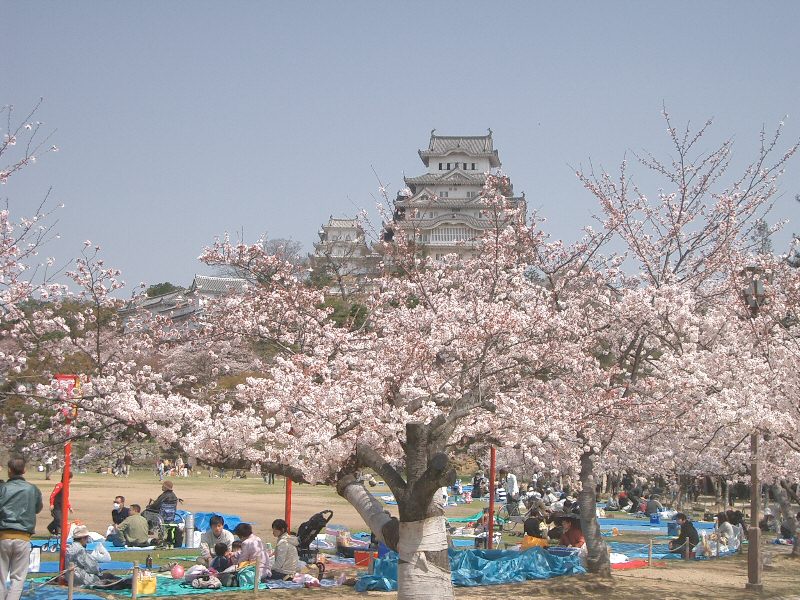 HanamiA Japanese spring custom of gathering under blooming cherry trees to eat, drink, and celebrate the fleeting beauty of th
 Mardi GrasA festive day of parades and rich foods marking the final celebration before the Christian fasting season of Lent begins
 ImbolcA Gaelic festival heralding spring and honoring Saint Brigid with woven rush crosses
Good reading and sources
- Encyclopaedia BritannicaArticle
- National GeographicNational Geographic, Article
- St. Patrick’s Day: Parade, Facts & Traditions - HISTORYHistory.com, Article
- New European PassportRTE, Article
- National GeographicNational Geographic, Article
- St. Patrick’s Day: Parade, Facts & Traditions - HISTORYHistory.com, Article
- New European PassportRTE, Article
- Saint Patrick's Day on WikipediaEncyclopedia
- More photos on Wikimedia CommonsPhotos and video
- Wikidata recordOpen data
The facts on this page come from the Wikipedia article "Saint Patrick's Day", written by its contributors and used under the CC BY-SA 4.0 licence, and from its Wikidata record (CC0). EveryParampara rewrote the text in its own words, with AI assistance, and compares every page with the article to make sure no passage is copied. It may be reused under the same CC BY-SA 4.0 licence with a link back.
It may contain mistakes. Traditions differ from one family, village and community to the next, and the people who keep them know them best. If something is wrong, tell us. Last refreshed 2026-10-04.
More from Ireland
All the traditions of Ireland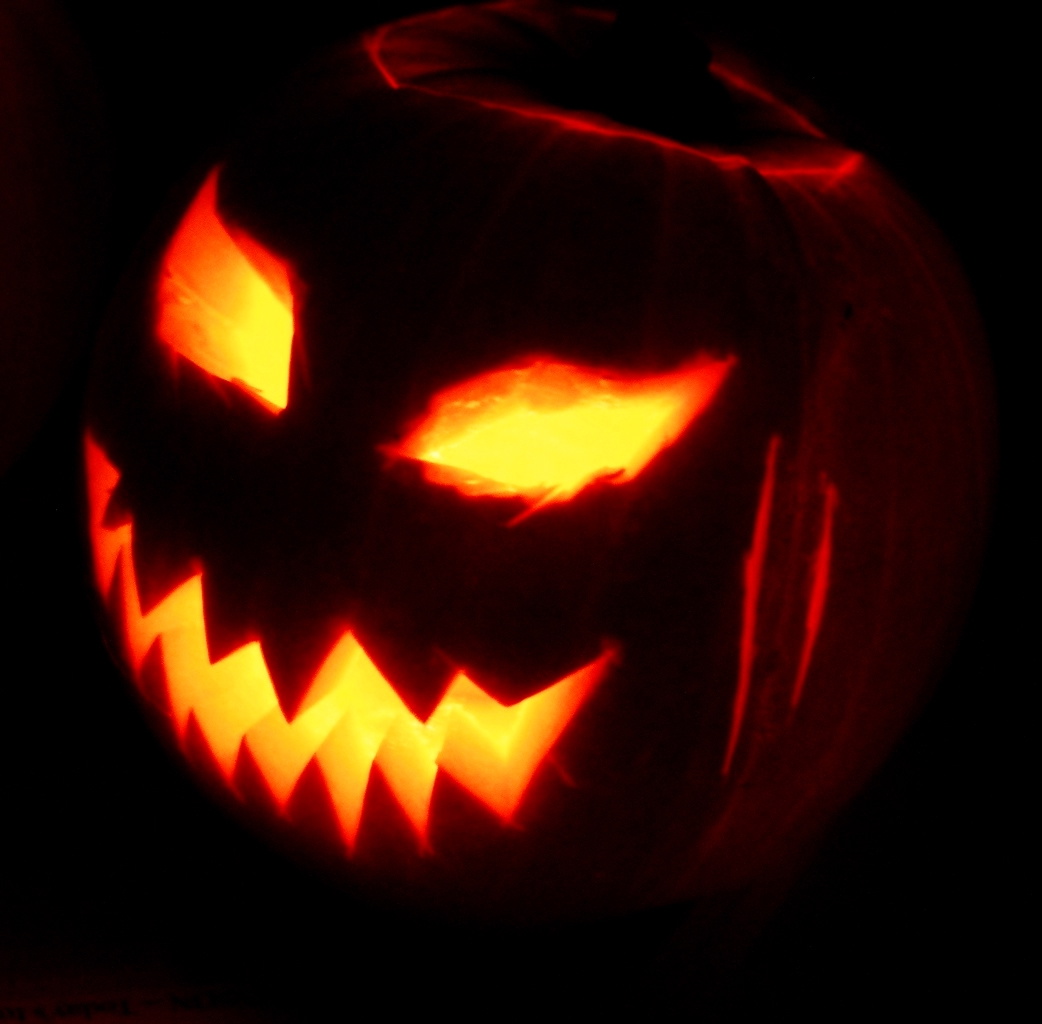 🇮🇪 Ireland and 5 moreHalloween
An annual observance on 31 October marking the eve of All Saints' Day, rooted in Christian tradition and Celtic heritageFestival · Sweets given and shared
🇮🇪 Ireland and 5 moreHalloween
An annual observance on 31 October marking the eve of All Saints' Day, rooted in Christian tradition and Celtic heritageFestival · Sweets given and shared
 🇬🇧 United Kingdom and 5 moreApril Fools' Day
An annual day of lighthearted pranks, hoaxes and teasing kept on the first of AprilFestival
🇬🇧 United Kingdom and 5 moreApril Fools' Day
An annual day of lighthearted pranks, hoaxes and teasing kept on the first of AprilFestival
 🇺🇸 United States and 1 moreSaint Patrick's Day in the United States
An annual celebration of Irish heritage across America with parades, feasts and green dyeFestival · Dinner
🇺🇸 United States and 1 moreSaint Patrick's Day in the United States
An annual celebration of Irish heritage across America with parades, feasts and green dyeFestival · Dinner
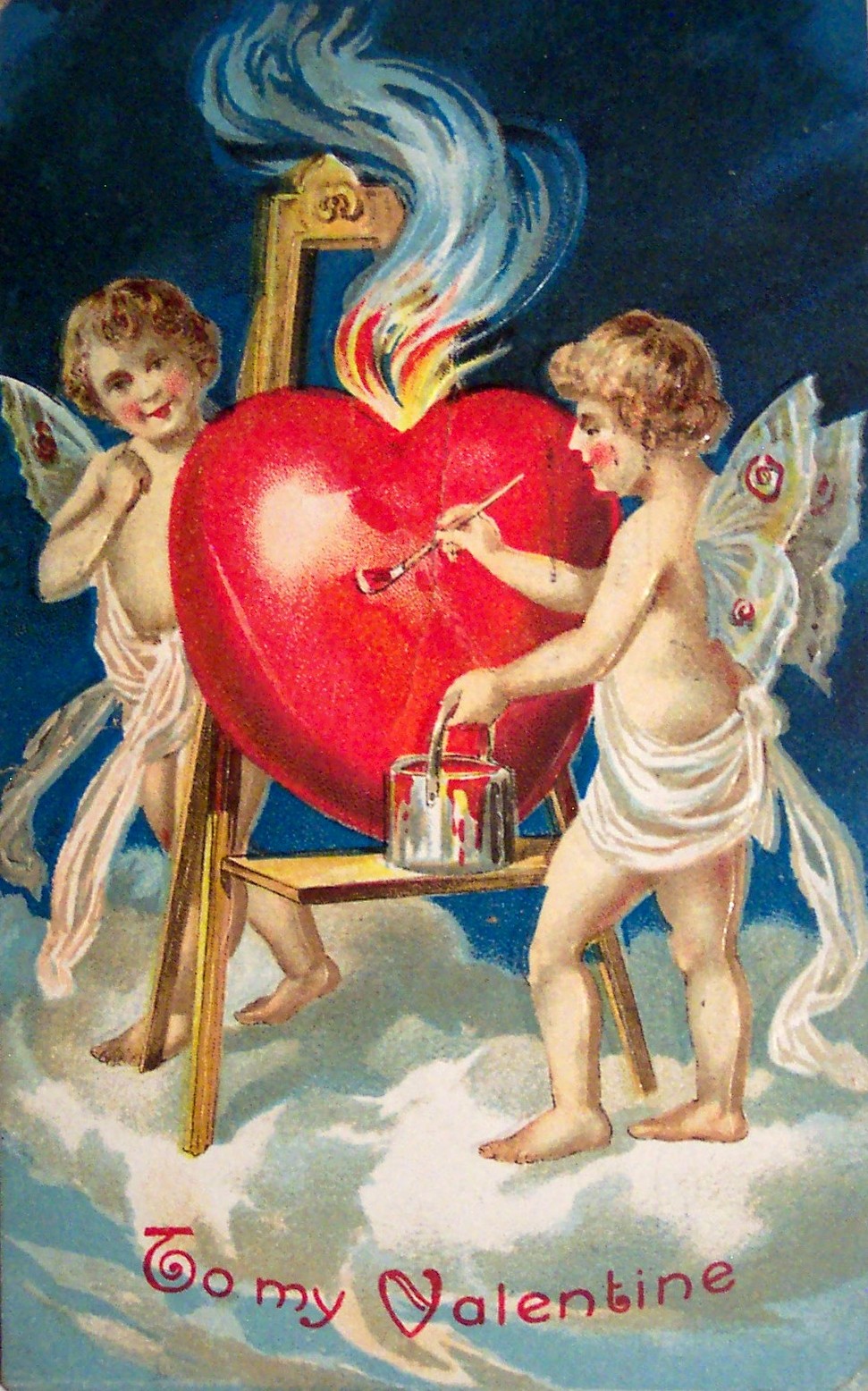 🇬🇧 United Kingdom and 4 moreValentine's Day
A Christian feast day and cultural celebration of love kept on February 14 in many countries.Festival
🇬🇧 United Kingdom and 4 moreValentine's Day
A Christian feast day and cultural celebration of love kept on February 14 in many countries.Festival
The same idea elsewhere
Spring and renewal compared 🇮🇳 Ayodhya, India and 5 moreRama Navamiराम नवमी
A Hindu spring festival marking the birth of Rama with prayer, fasting and processionsFestival
🇮🇳 Ayodhya, India and 5 moreRama Navamiराम नवमी
A Hindu spring festival marking the birth of Rama with prayer, fasting and processionsFestival
 🇨🇴 Barranquilla, ColombiaBarranquilla CarnivalCarnaval de Barranquilla
A four-day street festival of music, masquerade and dance in coastal ColombiaFestival
🇨🇴 Barranquilla, ColombiaBarranquilla CarnivalCarnaval de Barranquilla
A four-day street festival of music, masquerade and dance in coastal ColombiaFestival
 🇮🇳 IndiaMahavir Janma Kalyanak
A Jain festival of temple worship, street processions and acts of charitySpiritual
🇮🇳 IndiaMahavir Janma Kalyanak
A Jain festival of temple worship, street processions and acts of charitySpiritual
 🇮🇳 Jaipur, IndiaGangaurगणगौर
A North Indian spring festival honouring Shiva and Gauri with clay idols and processionsFestival · Fasting and breaking the fast
🇮🇳 Jaipur, IndiaGangaurगणगौर
A North Indian spring festival honouring Shiva and Gauri with clay idols and processionsFestival · Fasting and breaking the fast