Festivals and celebrationsEuropeSecular and civic
Maifest
A traditional German celebration marking the arrival of spring with decorated maypoles
Maifest is a German tradition that welcomes springtime. Celebrated throughout Germany and in several American communities, the holiday features decorated maypoles displaying local history and crafts, alongside town parades and costumes.
When is Maifest kept?
Maifest is kept on annually in spring.
Maifest is a traditional German observance that marks the return of spring. Across Germany, communities gather to raise a maypole, known as a maibaum, which displays regional history and craft traditions. The holiday is also kept in several towns in the United States, where celebrations feature costumes, street parades and early school dismissals.
Springtime celebration
Maifest marks the end of winter and the coming of the spring season. In Germany, the event takes place nationwide as a communal holiday. A central feature of the gathering is the maibaum, or maypole. People decorate this pole to honor and display the history, traditions, and trade crafts of their particular town. The pole stands as a visual symbol of community identity and springtime renewal during the festivities.
American observances
Several communities in the United States observe Maifest on an annual basis. The festival has an enduring history in Cincinnati, Ohio, where local gatherings have taken place continuously since 1873. Another major celebration occurs in Brenham, Texas, which started hosting the event in 1880. Across these American locations, residents carry forward German customs while adapting the seasonal holiday to their own neighborhood traditions and civic calendars.
Parades and festivities
Festivities often involve lively street parades and traditional clothing. In Brenham, Texas, Maifest is recognized as an official town holiday. The local school district gives students an early dismissal on the Friday before the festivities begin, allowing families to prepare. Community members dress in costumes and take part in a town parade. These customs create an energetic holiday atmosphere that unites local schools, families, and civic groups.
How Maifest is kept
Communities gather to celebrate the return of spring. In Germany, towns set up and decorate a maypole, known as a maibaum, adorned with emblems representing local trades and regional history. In American communities such as Brenham, residents celebrate with costumes and organize town parades. Schools close early on the preceding Friday, turning the annual weekend into a broad civic celebration.
When and where
The festival takes place every year during the spring season. In places like Brenham, Texas, the festivities begin ahead of the weekend, with local schools dismissing students early on the Friday before the main events.
Maifest is observed across the whole of Germany as a springtime tradition. In the United States, several towns host yearly celebrations, with prominent and longstanding gatherings in Cincinnati, Ohio, and Brenham, Texas.
What Maifest means
The festival centers on welcoming the return of spring. Raising and decorating the maibaum, or maypole, represents community pride and continuity. The ornaments on the pole reflect the history and craft traditions of the town, honoring local makers and regional heritage.
Questions people ask about Maifest
When is Maifest kept?
Maifest is kept on annually in spring.
What is Maifest?
Maifest, also known as Mayfest in English, is a traditional German festival held to mark the coming of spring through communal gatherings, festive parades, and decorated maypoles.
Where is Maifest celebrated?
Maifest is celebrated throughout Germany. In the United States, several communities observe it every year, including longstanding traditions in Cincinnati, Ohio, and Brenham, Texas.
What is a maibaum?
A maibaum is a traditional maypole erected during Maifest. The pole is decorated to showcase the unique history, local trades, and craft traditions of the town.
How is Maifest celebrated in Brenham, Texas?
In Brenham, Maifest is an official town holiday featuring parades and costumes. The local school district dismisses students early on the Friday before the weekend celebration begins.
See also
 Saint Patrick's Day in the United StatesAn annual celebration of Irish heritage across America with parades, feasts and green dye
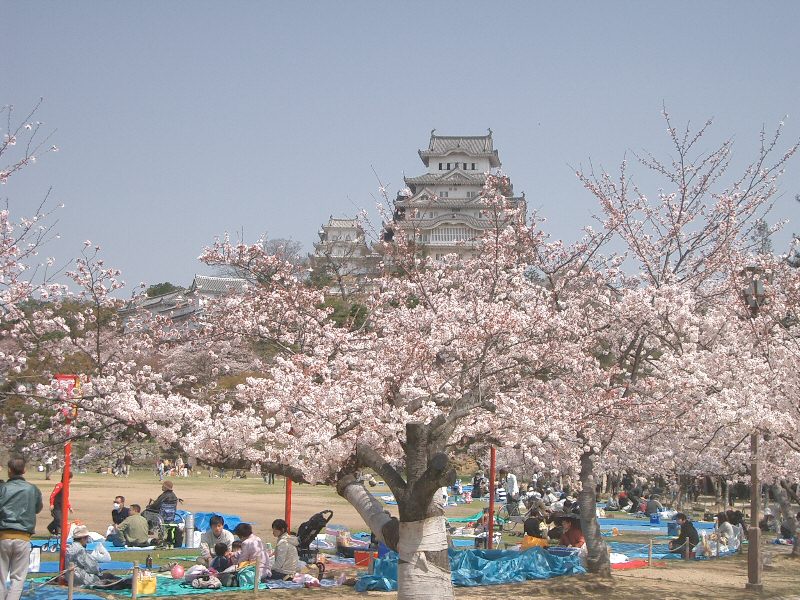 HanamiA Japanese spring custom of gathering under blooming cherry trees to eat, drink, and celebrate the fleeting beauty of th
 Groundhog DayA February ritual where communities watch a groundhog emerge to predict the length of winter.
 TirganAn ancient Iranian summer festival of water, poetry and rainbow bands, kept on the thirteenth day of Tir.
Good reading and sources
- Maifest on WikipediaEncyclopedia
- More photos on Wikimedia CommonsPhotos and video
- Wikidata recordOpen data
The facts on this page come from the Wikipedia article "Maifest", written by its contributors and used under the CC BY-SA 4.0 licence, and from its Wikidata record (CC0). EveryParampara rewrote the text in its own words, with AI assistance, and compares every page with the article to make sure no passage is copied. It may be reused under the same CC BY-SA 4.0 licence with a link back.
It may contain mistakes. Traditions differ from one family, village and community to the next, and the people who keep them know them best. If something is wrong, tell us. Last refreshed 2026-10-04.
More from Germany
All the traditions of Germany 🇩🇪 Saalfeld, Germany and 5 moreEaster egg treeOstereierbaum
A German springtime custom of dressing living trees and branches with blown eggsFestival
🇩🇪 Saalfeld, Germany and 5 moreEaster egg treeOstereierbaum
A German springtime custom of dressing living trees and branches with blown eggsFestival
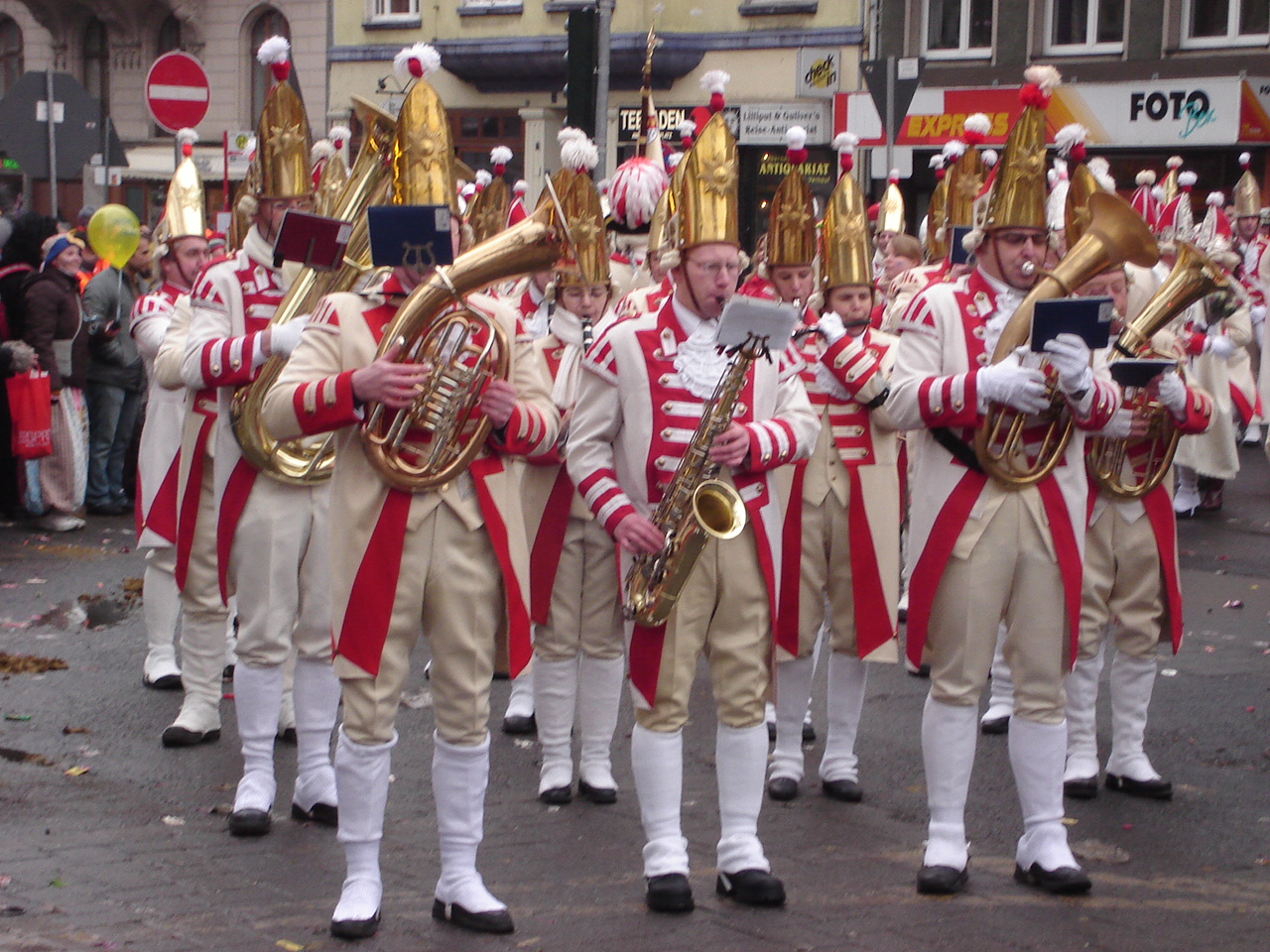 🇩🇪 Cologne, Germany and 2 moreGerman CarnivalKarneval
Pre-Lenten street parades, costume balls and local revels across German-speaking lands.Festival · Feasts and festival meals
🇩🇪 Cologne, Germany and 2 moreGerman CarnivalKarneval
Pre-Lenten street parades, costume balls and local revels across German-speaking lands.Festival · Feasts and festival meals
 🇩🇪 Germany and 5 moreMaypole
A tall wooden pole, garlanded and danced around, raised at May Day, Whitsun or MidsummerFestival
🇩🇪 Germany and 5 moreMaypole
A tall wooden pole, garlanded and danced around, raised at May Day, Whitsun or MidsummerFestival
 🇩🇪 Germany and 2 moreSwabian-Alemannic FastnachtFastnacht
A late-winter carnival of masks and jesters kept before Lent in the Alemannic landsFestival
🇩🇪 Germany and 2 moreSwabian-Alemannic FastnachtFastnacht
A late-winter carnival of masks and jesters kept before Lent in the Alemannic landsFestival
The same idea elsewhere
Spring and renewal compared 🇺🇸 United States and 5 moreMother's Day
A worldwide annual celebration dedicated to mothers, maternal bonds and family careHome
🇺🇸 United States and 5 moreMother's Day
A worldwide annual celebration dedicated to mothers, maternal bonds and family careHome
 🇮🇷 Iran and 7 moreNowruzنوروز
The Iranian new year at the March equinox, kept with fire, greenery and picnicsSeasonal
🇮🇷 Iran and 7 moreNowruzنوروز
The Iranian new year at the March equinox, kept with fire, greenery and picnicsSeasonal
 🇮🇱 Jerusalem, IsraelPassoverפסח
A Jewish spring festival celebrating freedom from slavery with ritual mealsSpiritual · Dinner
🇮🇱 Jerusalem, IsraelPassoverפסח
A Jewish spring festival celebrating freedom from slavery with ritual mealsSpiritual · Dinner
 🇮🇳 Mathura, India and 5 moreHoliहोली (Hindi)
A spring festival of colours and bonfires that marks the end of winter and the triumph of good over evil.Festival
🇮🇳 Mathura, India and 5 moreHoliहोली (Hindi)
A spring festival of colours and bonfires that marks the end of winter and the triumph of good over evil.Festival