Spiritual and religiousMiddle EastMuslim
Rowzeh-khani
A Shia Muslim ritual of reciting mourning narratives about the Battle of Karbala.
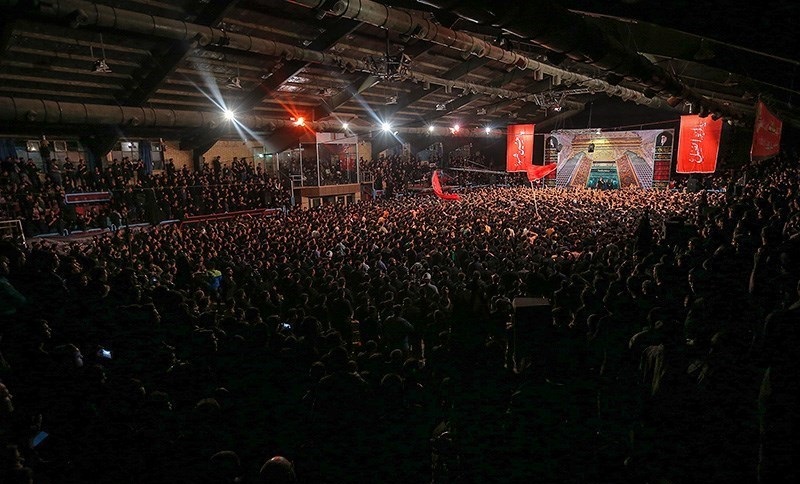
Rowzeh-khani is a ritual of public lamentation kept by Iranian Shia Muslims. It involves a storyteller reciting chapters from historical texts to mourn Husayn ibn Ali and his followers at Karbala.
When is Rowzeh-khani kept?
Rowzeh-khani is kept every day of the year, originally during Muharram and Safar.
This practice centers on the oral recitation of tragic histories within Shia Islam. A designated reader performs these narratives to help communities remember the sacrifices made during the Battle of Karbala. The tradition has evolved from specific literary readings into a widespread form of spiritual expression across several nations.
Origins and history
The custom began with the reading of a specific Persian book called Rawzatu'sh-shuhada. This text was written by Husayn Kashifi in 1502 in Herat. Over time, the word for this book became a general term for reciting the Karbala tragedy. Storytellers started using other books that detailed the battle. Popular works included Tufan al-Buka and Asrar al-shahada. These texts replaced the original garden narrative in many performances.
Performance methods
A Rowzeh-khan leads the session by reciting chapters loudly. The performance uses innovative skills to engage the audience. People gather in various locations to listen. Venues include public squares, mosque yards, private homes, and dedicated spaces like takyehs. These buildings were constructed starting in the eighteenth century specifically for such gatherings. The practice was also used by actors in ta'ziyeh plays during the Qajar dynasty.
Calendar and location
The ritual was once limited to the first ten days of Muharram. Later, it expanded to cover the months of Muharram and Safar. Today, it occurs every single day of the year. Iran remains the primary place where this tradition originated. Bahrain preserves an original version of the practice. India hosts a modified form of the ritual within its own cultural context.
How Rowzeh-khani is kept
A storyteller known as a Rowzeh-khan stands before an audience. He recites passages from historical books about the Battle of Karbala. The audience listens in a space such as a home or a mosque. The recitation is loud and expressive. Participants use these stories to connect with the suffering of Husayn ibn Ali. The event happens daily in many communities.
When and where
It occurs daily now, though it started during the month of Muharram.
Iran is the main center. Bahrain and India also observe variations of the ritual.
What Rowzeh-khani means
The practice allows believers to honor the memory of Husayn ibn Ali. It focuses on the pain and sacrifice of his family. Reciting these stories keeps the history alive for each generation. It serves as a core part of Shia spiritual identity.

Questions people ask about Rowzeh-khani
When is Rowzeh-khani kept?
Rowzeh-khani is kept every day of the year, originally during Muharram and Safar.
What is Rowzeh-khani?
It is a Shia Muslim ritual involving the recitation of mourning narratives about the Battle of Karbala. A storyteller reads from historical texts to commemorate Husayn ibn Ali.
Where is this tradition kept?
It originates in Iran. You can find versions of it in Bahrain and India, though the forms may differ slightly between these countries.
See also
 Eid al-FitrThe feast that ends Ramadan, opened with morning prayers, sweets and visits home
 PretaOfferings and rites for spirits enduring deep hunger across Asian traditions.
 TheyyamA sacred ritual dance and divine invocation from North Malabar in India
 Tibetan prayer flagColorful cloth banners printed with mantras, hung in high places to spread blessings on the wind.
Good reading and sources
The facts on this page come from the Wikipedia article "Rowzeh-khani", written by its contributors and used under the CC BY-SA 4.0 licence, and from its Wikidata record (CC0). EveryParampara rewrote the text in its own words, with AI assistance, and compares every page with the article to make sure no passage is copied. It may be reused under the same CC BY-SA 4.0 licence with a link back.
It may contain mistakes. Traditions differ from one family, village and community to the next, and the people who keep them know them best. If something is wrong, tell us. Last refreshed 2026-10-06.
More from Iran
All the traditions of Iran 🇮🇱 Jerusalem, Israel and 5 moreTisha B'Avתשעה באב
A solemn fast day in July or August to mourn the destruction of the Jerusalem Temples and other Jewish tragedies.Spiritual · Fasting and breaking the fast
🇮🇱 Jerusalem, Israel and 5 moreTisha B'Avתשעה באב
A solemn fast day in July or August to mourn the destruction of the Jerusalem Temples and other Jewish tragedies.Spiritual · Fasting and breaking the fast
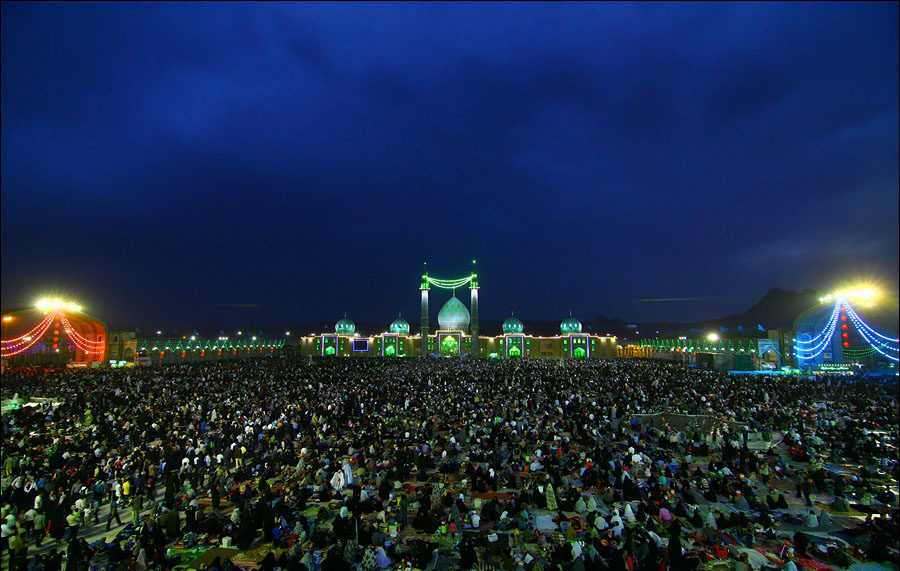 🇮🇷 Iran and 5 moreMid-Sha'banنصف شعبان
An Islamic night of prayer, remembrance, and seeking divine forgiveness.Spiritual
🇮🇷 Iran and 5 moreMid-Sha'banنصف شعبان
An Islamic night of prayer, remembrance, and seeking divine forgiveness.Spiritual
 🇨🇳 China and 5 moreAncestor worship
Honouring dead relatives with offerings and prayers, kept in many cultures worldwideSpiritual
🇮🇷 Iran and 5 moreMid-Sha'banنصف شعبان
An Islamic night of prayer, forgiveness, ancestral remembrance and sweet offeringsSpiritual · Sweets given and shared
🇨🇳 China and 5 moreAncestor worship
Honouring dead relatives with offerings and prayers, kept in many cultures worldwideSpiritual
🇮🇷 Iran and 5 moreMid-Sha'banنصف شعبان
An Islamic night of prayer, forgiveness, ancestral remembrance and sweet offeringsSpiritual · Sweets given and shared
The same idea elsewhere
Remembering the ancestors compared 🇮🇪 Ireland and 5 moreHalloween
An annual observance on 31 October marking the eve of All Saints' Day, rooted in Christian tradition and Celtic heritageFestival · Sweets given and shared
🇮🇪 Ireland and 5 moreHalloween
An annual observance on 31 October marking the eve of All Saints' Day, rooted in Christian tradition and Celtic heritageFestival · Sweets given and shared
 🇮🇳 Ayodhya, India and 7 moreDiwaliदीपावली (Dīpāvalī)
A five-day festival of lights celebrated across India and its diaspora to mark the victory of light over darkness.Festival · Feasts and festival meals
🇮🇳 Ayodhya, India and 7 moreDiwaliदीपावली (Dīpāvalī)
A five-day festival of lights celebrated across India and its diaspora to mark the victory of light over darkness.Festival · Feasts and festival meals
 🇮🇳 Mathura, India and 5 moreHoliहोली (Hindi)
A spring festival of colours and bonfires that marks the end of winter and the triumph of good over evil.Festival
🇮🇳 Mathura, India and 5 moreHoliहोली (Hindi)
A spring festival of colours and bonfires that marks the end of winter and the triumph of good over evil.Festival
 🇲🇽 Mexico City, Mexico and 1 moreDay of the DeadDía de Muertos
A Mexican remembrance of deceased family and friends with altars, marigolds and feastsFestival · Sweets given and shared
🇲🇽 Mexico City, Mexico and 1 moreDay of the DeadDía de Muertos
A Mexican remembrance of deceased family and friends with altars, marigolds and feastsFestival · Sweets given and shared