Home and family lifeSouth AsiaHindu
Grihapravesh
In its own language: गृहप्रवेश (Gṛhapravēśa)
A Hindu housewarming ritual to purify a new home and invite blessings.
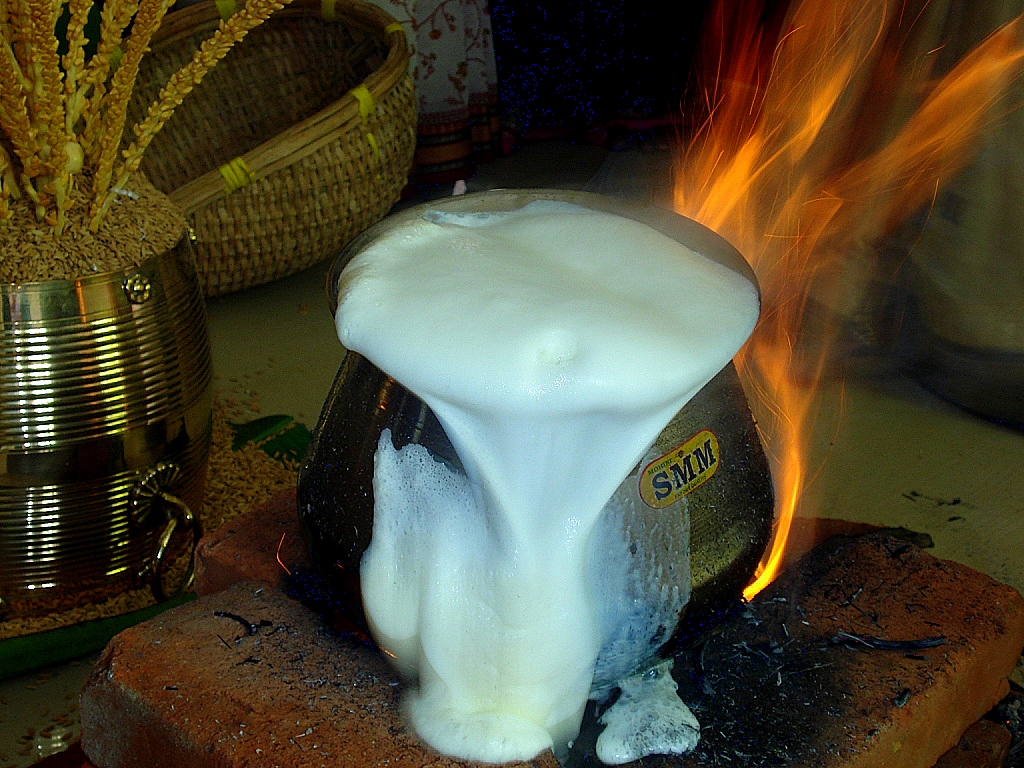
Grihapravesh is a traditional Hindu ceremony performed when entering a new residence. It aims to cleanse the space of negative energy and invite divine prosperity for the residents. The event follows astrological timings and involves specific prayers led by a priest.
When is Grihapravesh kept?
Grihapravesh is kept on an auspicious date chosen by an astrologer after moving in.
Grihapravesh marks the sacred entry into a new home. Hindus perform this ritual to purify the structure and seek protection from evil spirits. It transforms a physical building into a blessed living space through prayer and tradition.
Origins and meaning
The practice draws from ancient texts like the Matsya Purana. It serves to drive out malevolent forces while inviting benevolent deities. The ceremony acknowledges that a house consists of five elements: fire, water, earth, air, and sky. By honoring these components, residents hope to secure happiness and stability within their walls.
How it is kept
A priest or astrologer determines the most favorable time for the event. This period is known as muhurta. The main ritual often includes vastu shanti, which propitiates household gods. Participants may enter the home carrying specific items, such as a pot of rice or a lamp, symbolizing abundance and light for the future inhabitants.
Types of entry
Customs vary based on the situation. Apurva applies to first entries in newly built homes. Sampurva occurs when returning from travel abroad. Dvandva is used for houses that have undergone major reconstruction. Each type ensures the spiritual integrity of the dwelling matches its physical state.
How Grihapravesh is kept
An astrologer selects an auspicious time. A priest leads prayers to calm the five elements of the house. Residents enter carrying symbolic items like rice or lamps. They offer offerings to deities to ensure peace and prosperity for all who live there.
When and where
It happens after moving in, on a date selected by consulting an astrologer for an auspicious muhurta.
It is primarily observed in India and Nepal among Hindu communities.
What Grihapravesh means
The ritual cleanses the property of bad luck and invites good fortune. It honors the natural elements that make up the structure. Residents believe this act secures long-term happiness and safety for the family.
Questions people ask about Grihapravesh
When is Grihapravesh kept?
Grihapravesh is kept on an auspicious date chosen by an astrologer after moving in.
What is Grihapravesh?
It is a Hindu housewarming ceremony performed when entering a new home to purify the space and invite divine blessings.
Why is it important?
It is believed to remove evil spirits and balance the five elements of the house, ensuring happiness and protection for the residents.
See also
 Mother's DayA worldwide annual celebration dedicated to mothers, maternal bonds and family care
 Prayer wheelA cylindrical wheel spun in Tibetan Buddhist practice to accumulate merit and wisdom
 Fire templeA consecrated sanctuary where Zoroastrians tend sacred fires and gather for worship
 Lalbaugcha RajaA Mumbai Ganesha festival where millions seek blessings before ocean immersion
Good reading and sources
The facts on this page come from the Wikipedia article "Grihapravesha", written by its contributors and used under the CC BY-SA 4.0 licence, and from its Wikidata record (CC0). EveryParampara rewrote the text in its own words, with AI assistance, and compares every page with the article to make sure no passage is copied. It may be reused under the same CC BY-SA 4.0 licence with a link back.
It may contain mistakes. Traditions differ from one family, village and community to the next, and the people who keep them know them best. If something is wrong, tell us. Last refreshed 2026-10-04.
More from India
All the traditions of India 🇷🇺 Russia and 4 moreHousewarming party
A gathering held soon after moving into a new home to celebrate the space and welcome guests.Home
🇷🇺 Russia and 4 moreHousewarming party
A gathering held soon after moving into a new home to celebrate the space and welcome guests.Home
 🇺🇸 Columbia, United States and 1 moreBreastfeeding in public
The custom of nursing an infant openly in shared and public spacesHome
🇺🇸 Columbia, United States and 1 moreBreastfeeding in public
The custom of nursing an infant openly in shared and public spacesHome
 🇮🇳 India and 1 moreKailash Mansarovar Yatraकैलाश मानसरोवर यात्रा (Hindi); ཀཱའི་ལ་ཤ་མན་ས་རོ་ཝར་ཡ་ཏྲ། (Tibetan)
A high-altitude pilgrimage to Mount Kailash and Lake Manasarovar in TibetSpiritual
🇮🇳 Badrinath, IndiaChota Char Dham
Four Himalayan shrines in Uttarakhand, visited in one season each yearSpiritual
🇮🇳 India and 1 moreKailash Mansarovar Yatraकैलाश मानसरोवर यात्रा (Hindi); ཀཱའི་ལ་ཤ་མན་ས་རོ་ཝར་ཡ་ཏྲ། (Tibetan)
A high-altitude pilgrimage to Mount Kailash and Lake Manasarovar in TibetSpiritual
🇮🇳 Badrinath, IndiaChota Char Dham
Four Himalayan shrines in Uttarakhand, visited in one season each yearSpiritual
The same idea elsewhere
New homes and beginnings compared 🇹🇷 Turkey and 5 moreEid al-Fitrعيد الفطر
The feast that ends Ramadan, opened with morning prayers, sweets and visits homeFestival · Feasts and festival meals
🇺🇸 United States and 5 moreMother's Day
A worldwide annual celebration dedicated to mothers, maternal bonds and family careHome
🇹🇷 Turkey and 5 moreEid al-Fitrعيد الفطر
The feast that ends Ramadan, opened with morning prayers, sweets and visits homeFestival · Feasts and festival meals
🇺🇸 United States and 5 moreMother's Day
A worldwide annual celebration dedicated to mothers, maternal bonds and family careHome
 🇮🇱 Jerusalem, IsraelPassoverפסח
A Jewish spring festival celebrating freedom from slavery with ritual mealsSpiritual · Dinner
🇮🇱 Jerusalem, IsraelPassoverפסח
A Jewish spring festival celebrating freedom from slavery with ritual mealsSpiritual · Dinner
 🇵🇱 Poland and 5 moreChristmas Eve
The evening before Christmas, marked by church services, family meals, and gift preparations across Christian cultures.Festival · Dinner
🇵🇱 Poland and 5 moreChristmas Eve
The evening before Christmas, marked by church services, family meals, and gift preparations across Christian cultures.Festival · Dinner